A closer look
Saints Auxiliary: at a glance
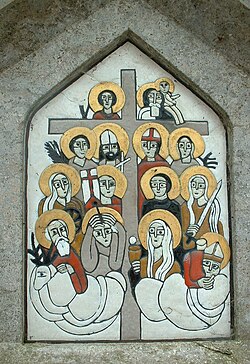
THE saints auxiliary are a group of fourteen saints invoked by the Christian people in cases of special needs, generally to heal from particular diseases.
History
Devotion to these saints was born in Germany in the 15th century. After that on 17 September 1445 the Child Jesus had appeared to the shepherd Hermann Leicht of Langheim, son of...Explore this chapter
Devotion to these saints was born in Germany in the 15th century. After on 17 September 1445 the Child Jesus had appeared at shepherd Hermann Leicht in Langheim, son of Frankental farm locator, the appearance repeated with the appearance of the Child surrounded by lit candles. On 29 July 1446, in the same place, fourteen other children appeared around the Bambin Jesus: at the request of the pastor of whom they were, they answered to be the "fourteen saviors" and asked them to be dedicated on the site a chapel. They also appeared to a seriously ill young man, brought especially there and miraculously healed.
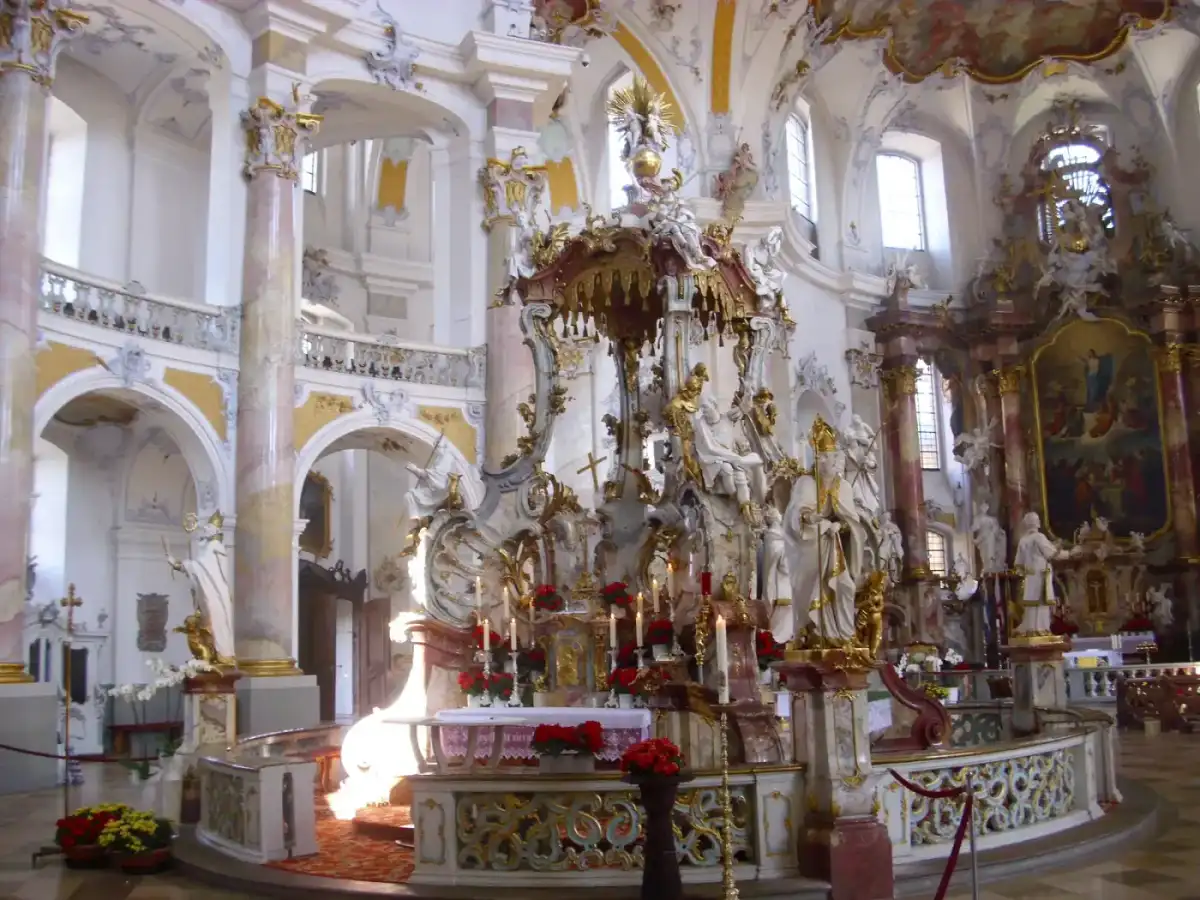
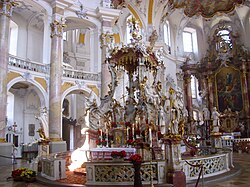
The abbot of the nearby Cistercian monastery in Langheim yielded to the supplications of the faithful and erected for the immediate needs of the imminent pilgrimage a chapel in honor of the Fourteen Saints Salvators.[1] A collective feast was established for them, the date of which was fixed on August 8: to this devotion, Pope Niccolò V also shared special indulgences. In 1743 the erection was begun, by design of the architect Johann Balthasar Neumann (1687-1753), of the Sanctuary of Vierzehnheligen (Santuary of the Fourteen Saints), in Bad Staffelstein, in Alta Franconia.
Pope Paul VI, with the reform of the calendar of saints in 1969, suppressed its anniversary.
The auxiliary saints
According to tradition the identity of the auxiliary saints was not revealed and therefore all attributes belong to successive interpretations.Explore this chapter
According to tradition the identity of the auxiliary saints was not revealed and therefore all attributes belong to successive interpretations.[1]
According to the Catholic Church, the auxiliary saints are:
| Saint Peter | Image | Date | Invoice against |
|---|---|---|---|
| Sant'Acacio (or Agazio) |  |
8 May | the migraine[2] |
| Santa Barbara | 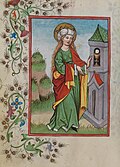 |
December 4th | lightning, fever and sudden death |
| San Biagio | 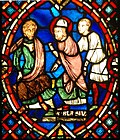 |
February 3 | the evil in the throat |
| Santa Caterina d'Alessandria | 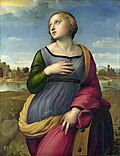 |
November 25 | the diseases of the language |
| San Ciriaco di Roma | 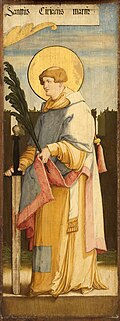 |
8 August | temptations and diabolic obsessions |
| San Cristoforo | 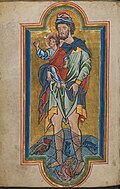 |
July 25th | the plague and hurricanes[3] |
| San Dionigi | 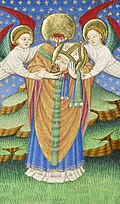 |
9 October | pain in the head |
| Sant'Egidio |  |
1 September | panic and madness |
| Sant'Erasmo | 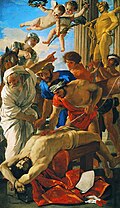 |
June 2 | abdominal pains[4] |
| Sant'Eustachio |  |
September 20th | the dangers of fire |
| Saint George | 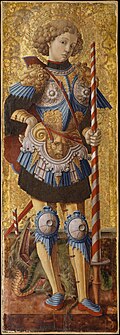 |
April 23 | skin infections |
| Santa Margherita di Antiochia | 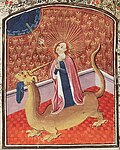 |
July 20 | childbirth problems[5] |
| San Pantaleone | 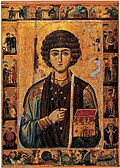 |
July 27 | the infirmities of consumption[6] |
| San Vito | 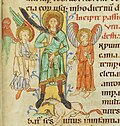 |
June 15th | chorea, hydrophobia, lethargy and epilepsy[7] |
Notes
Explore this chapter
- ^ to b Günter Dippold, Basilika Vierzehnheiligen, Bad Staffelstein, Obermain Bornschlegel, 1992, p. 2, ISBN 3-9801257-4-2.
- ^ Sant'Agazio, up sanebeati.it, Saints, blessed and witnesses. Retrieved 18 March 2023.
- ^ San Cristoforo, up sanebeati.it, Saints, blessed and witnesses. Retrieved 18 March 2023.
- ^ Sant'Erasmo di Formia, up sanebeati.it, Saints, blessed and witnesses. Retrieved 18 March 2023.
- ^ Santa Marina (Margherita) of Antioch of Pisidia, up sanebeati.it, Saints, blessed and witnesses. Retrieved 18 March 2023.
- ^ San Pantaleone, up sanebeati.it, Saints, blessed and witnesses. Retrieved 18 March 2023.
- ^ San Vito, up sanebeati.it, Saints, blessed and witnesses. Retrieved 18 March 2023.
Continue your journey