Wine landscapes and culture
Grape varieties of MonferratoFrom hills to grapes, one character at a time
Monferrato and neighbouring regions · Thirteen grape varieties to discover
- 01Region
- 02Grape variety
- 03Wine
- 04Winery
The landscape takes the name of a grape
Every grape variety opens a path
The hills are the starting point. A grape variety adds the character of the plant: the colour of its berries, when it ripens, its aromas and the balance between freshness and tannin. Getting to know the grape gives you a name to follow through the world of wine, with the landscape already in mind.
Barbera is found across much of Monferrato, while Ruchè draws the journey around seven villages. Cortese leads towards Gavi, and Moscato bianco connects Canelli with the Acquese. The two Malvasie offer distinct routes, while Gamba di Pernice takes you to Calosso. Nebbiolo and Arneis extend the map towards Albugnano and the Terre Alfieri.
Begin with the wine regions, choose a grape variety and explore the villages where it grows. These pages connect each variety’s history and character with the wines made from it. An appellation then adds a defined area and rules for how the wine is produced: the next step takes you from grape to bottle and to the people behind it.
Ten identities to explore
Black grape varieties

Black grape variety
Barbera
From the lands of Nice to Casalese, Barbera tells a central part of Monferrato: a grape of freshness, colour and many interpretations.
Discover the grape variety →
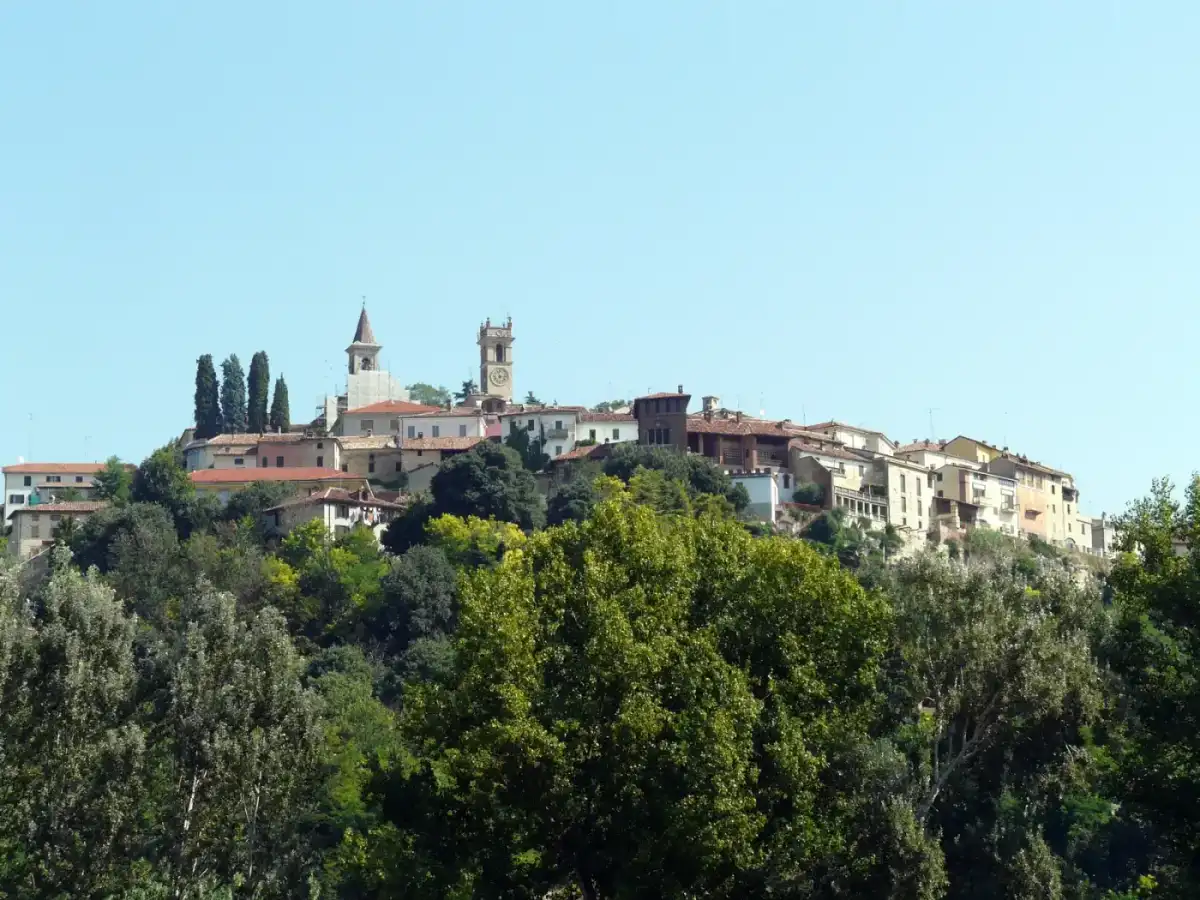
Black grape variety
Grignolino
Delicate and tannins recognizable: the Grignolino accompanies a journey between the hills of Asti and Monferrato Casalese.
Discover the grape variety →
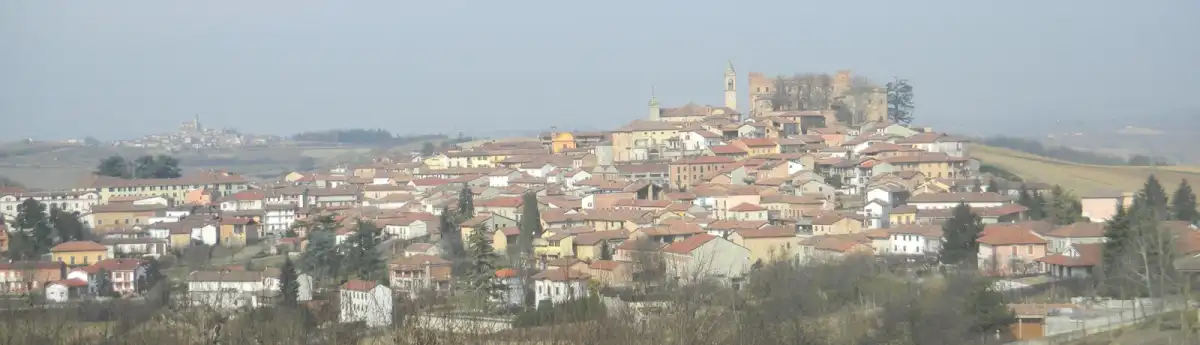
Black grape variety
Ruchè
Ruchè leads to the hills of Castagnole Monferrato, where a grape with recognizable scent binds seven municipalities and a history of rediscovery.
Discover the grape variety →
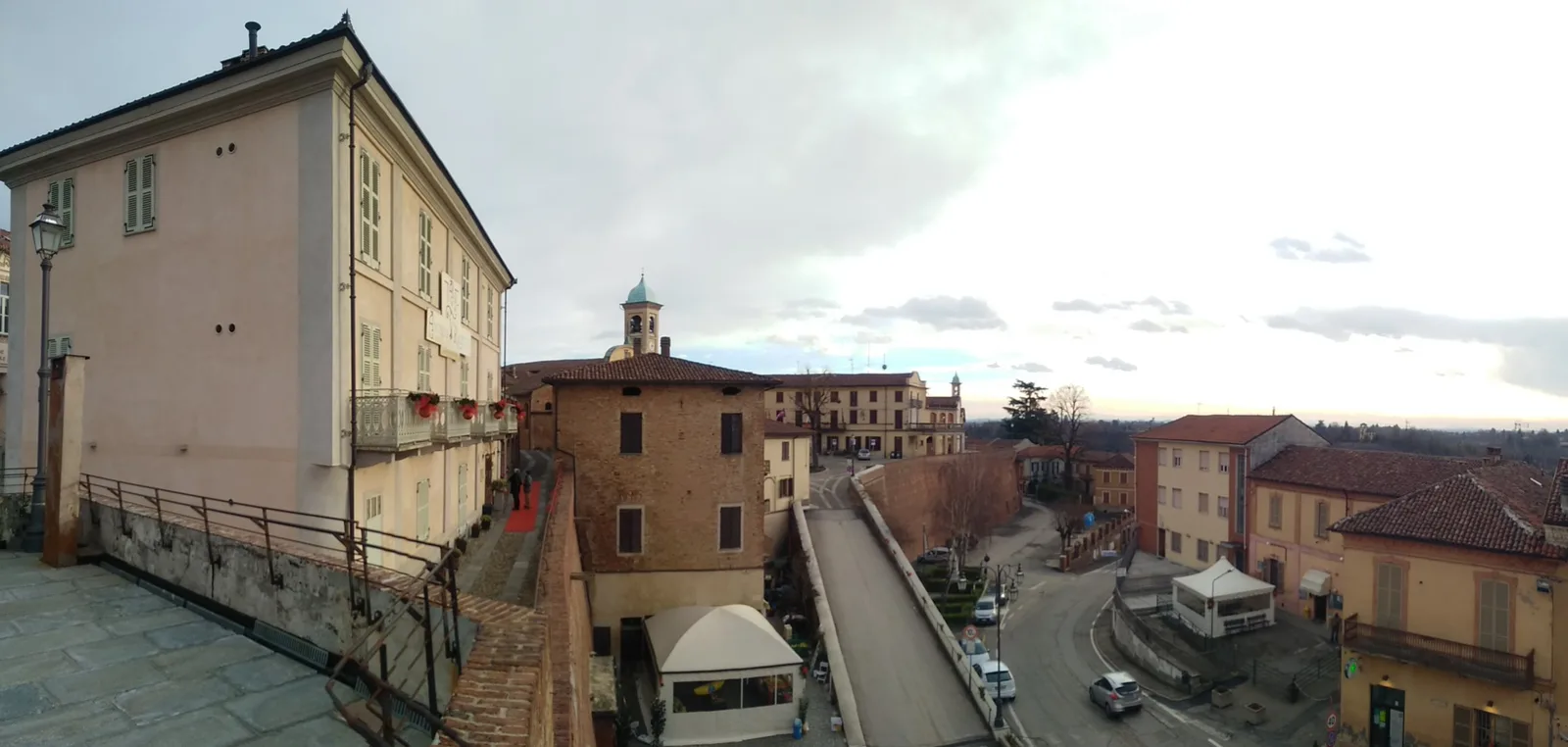
Black grape variety
Freisa
Fra Astigiano and Casalese, the Freisa tells a grape capable of giving bright reds and still wines, with tannins as a recognizable tract.
Discover the grape variety →
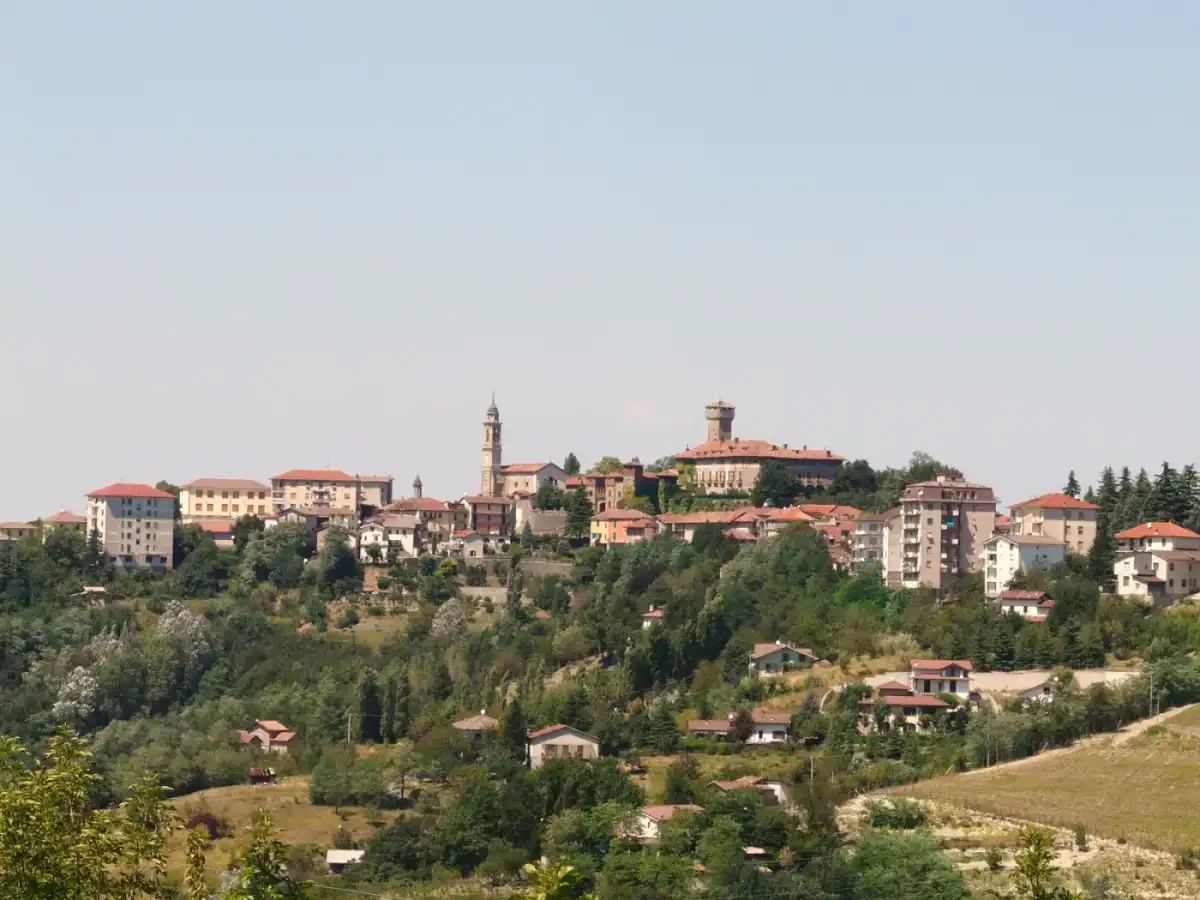
Black grape variety
Dolcetto
The Dolcetto accompanies the journey in Ovadese and in Acquese: a dark grapes, early ripening and long-sighted interpretations.
Discover the grape variety →
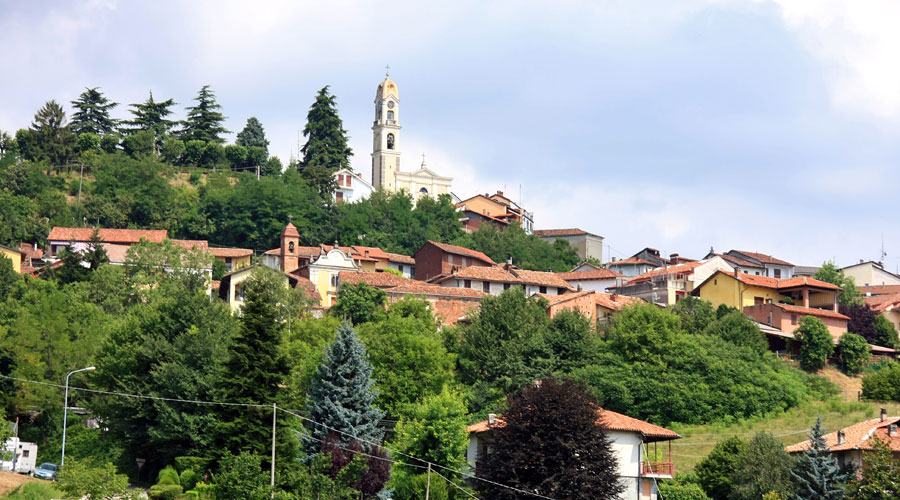
Black grape variety
Nebbiolo
The Nebbiolo opens a perspective on the hills of Albugnano and the Alfieri Lands, with an asian journey into the geography of a great Piedmont vine.
Discover the grape variety →
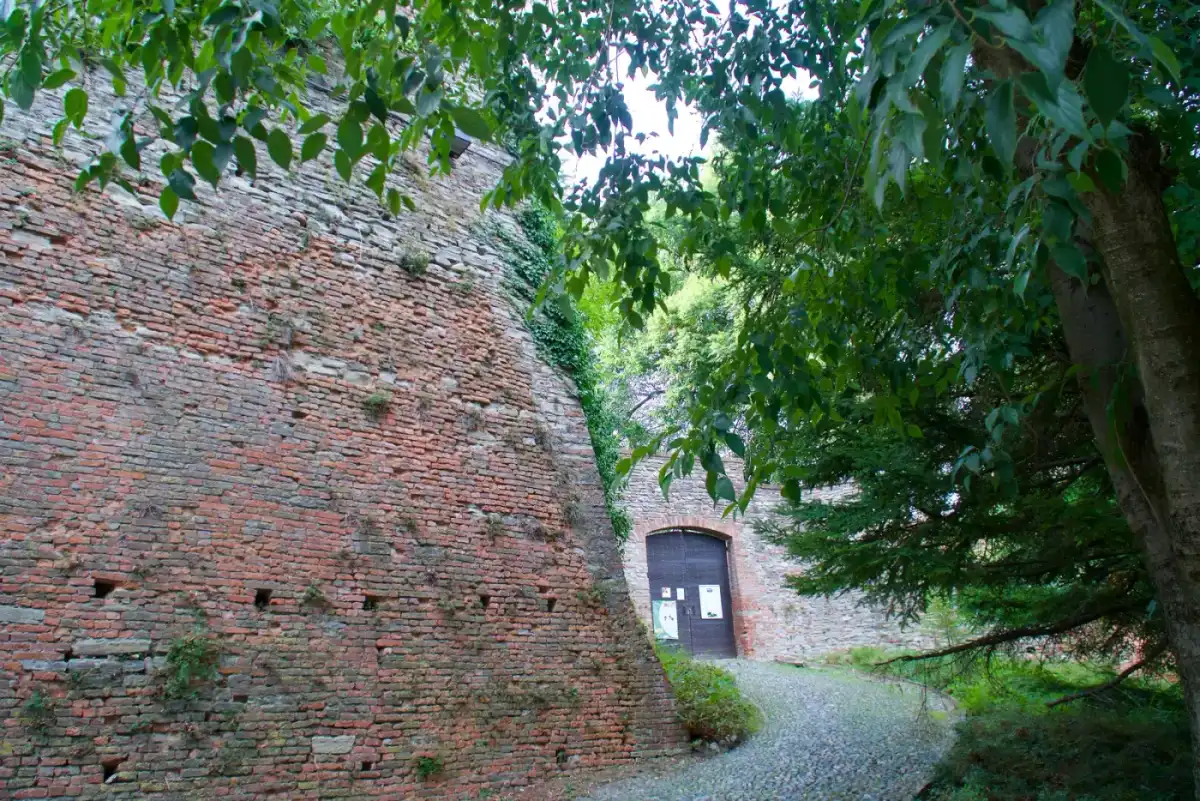
Black grape variety
Brachetto
The Brachetto door in the hills Belbo and Bormida: a dark and aromatic grape to be followed in Acquese and towards Canelli.
Discover the grape variety →
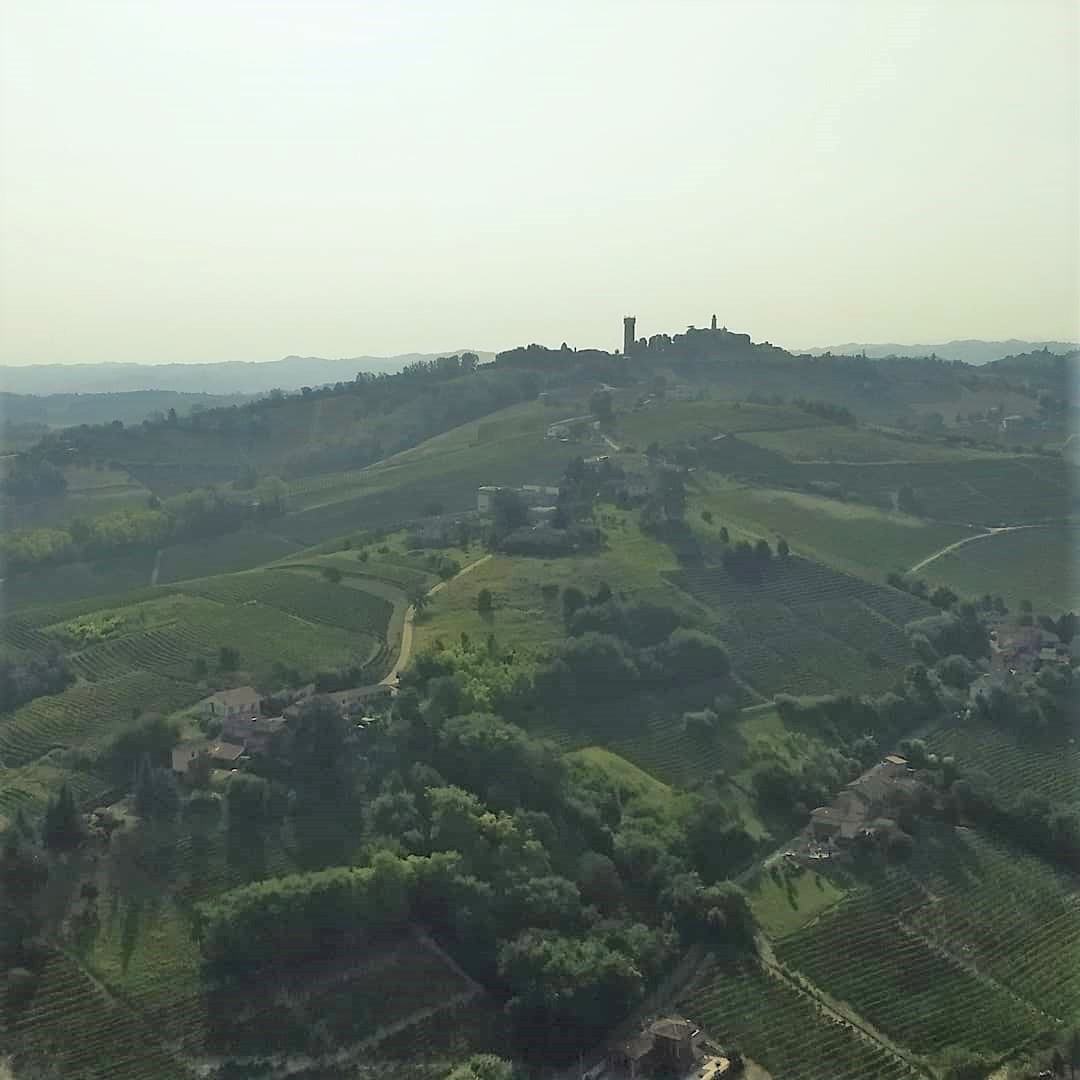
Black grape variety
Gamba di Pernice
The Gamba di Pernice, registered as the Red Leg, leads to Calosso: a local vine rediscovered and tied to three municipalities of the Astigiano.
Discover the grape variety →
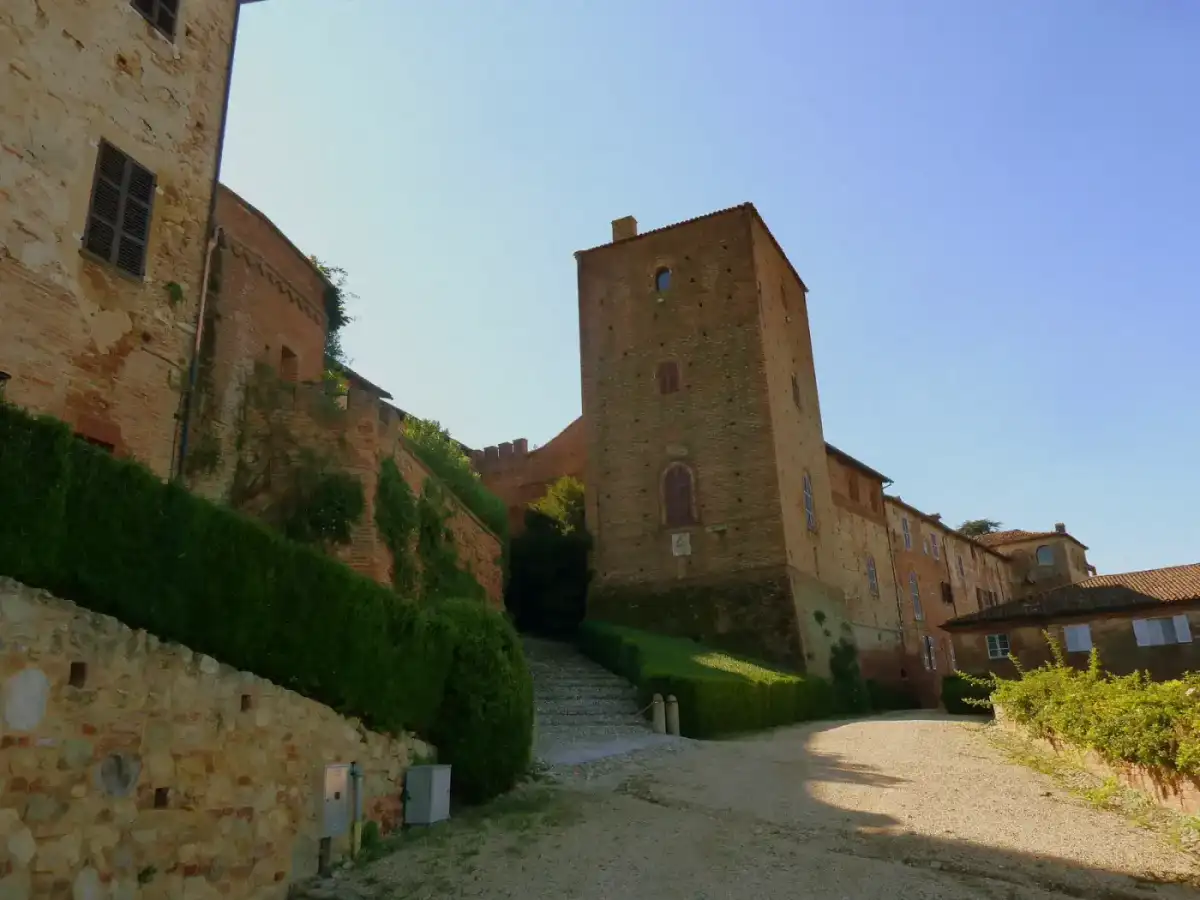
Black grape variety
Malvasia di Schierano
Malvasia di Schierano leads to the north of Astigiano, between Passerano Marmorito and Castelnuovo Don Bosco, along a tradition of aromatic reds.
Discover the grape variety →
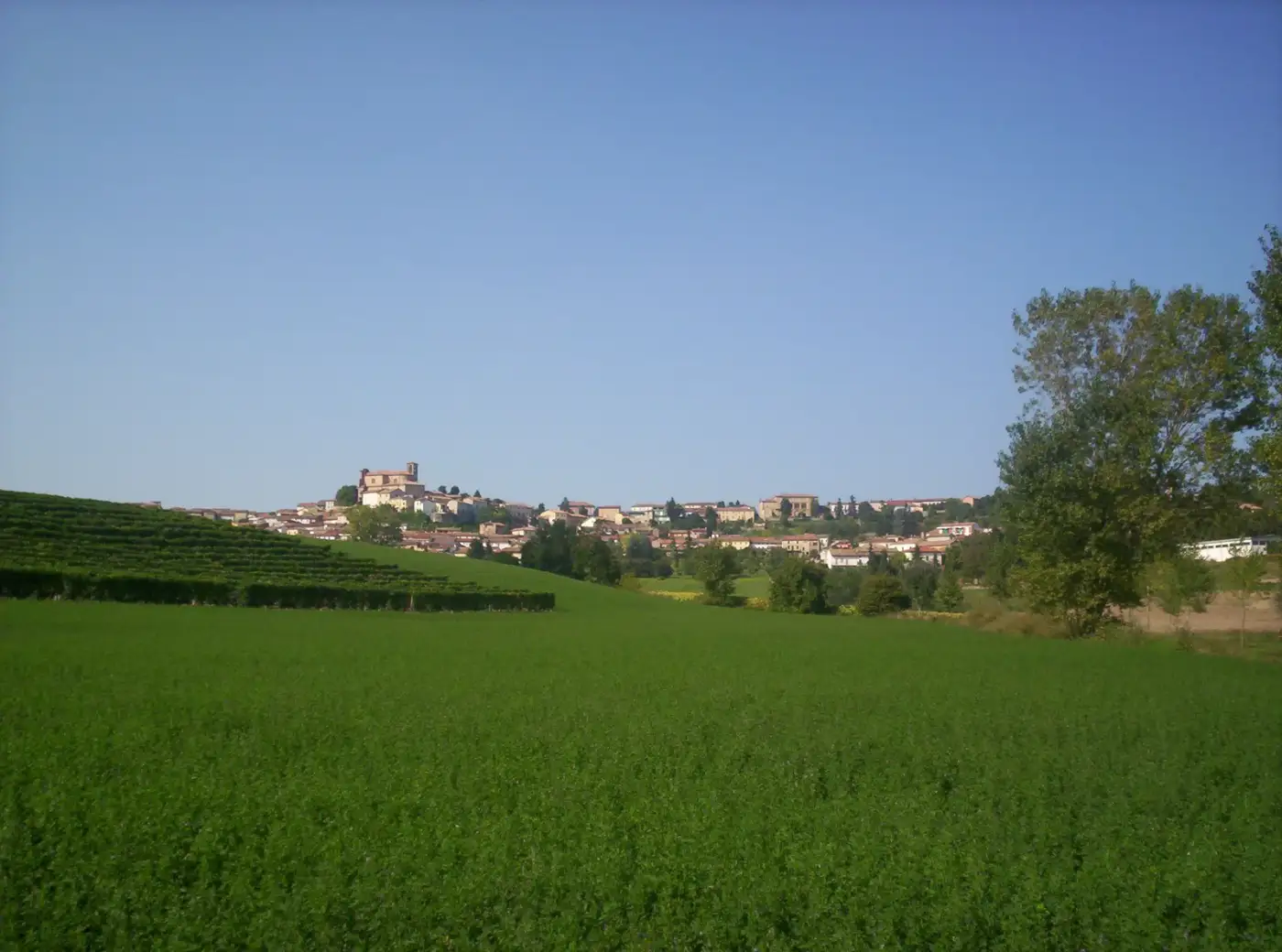
Black grape variety
Malvasia di Casorzo
The Malvasia di Casorzo connects seven municipalities between Astigiano and Alessandrino, with a black berry aromatic grape and a tradition of sweet wines.
Discover the grape variety →
Three paths through Piedmontese whites
White grape varieties
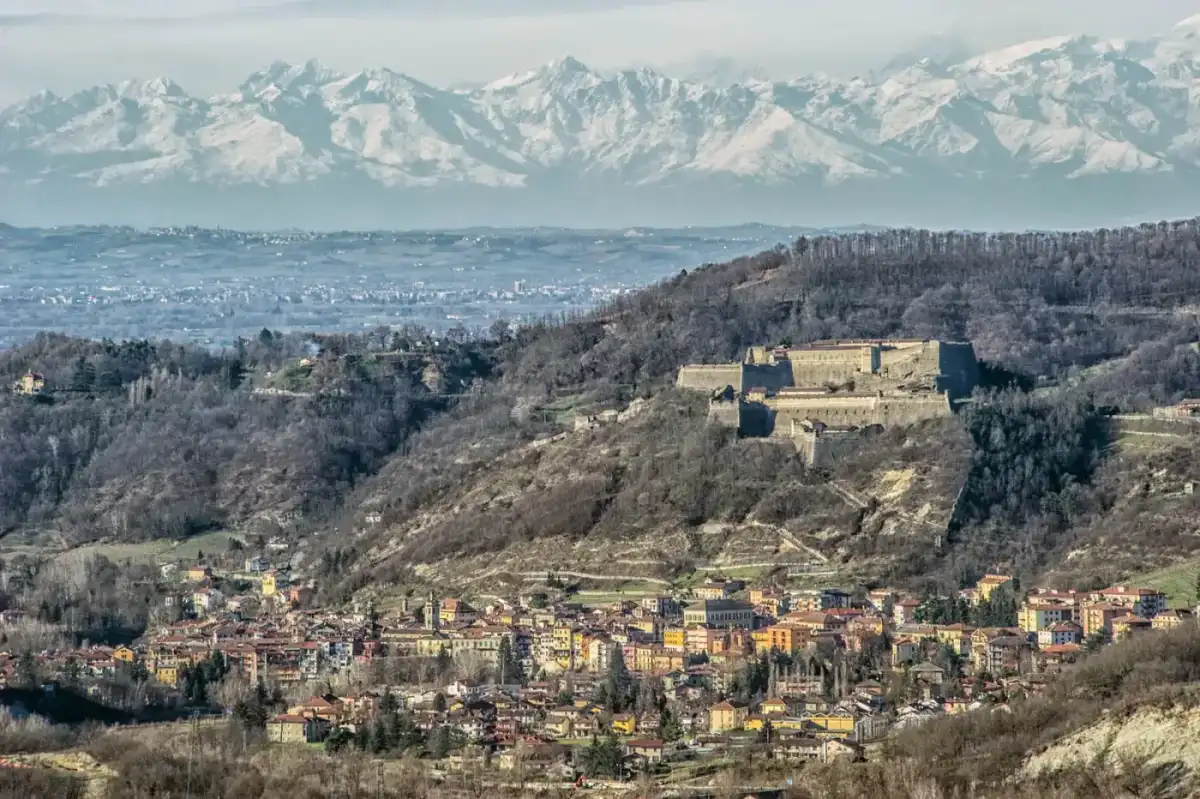
White grape variety
Cortese
The Cortese takes the trip to the whites of Gavi and Alto Monferrato, following hills, villages and interpretations of a Piedmontese grape.
Discover the grape variety →
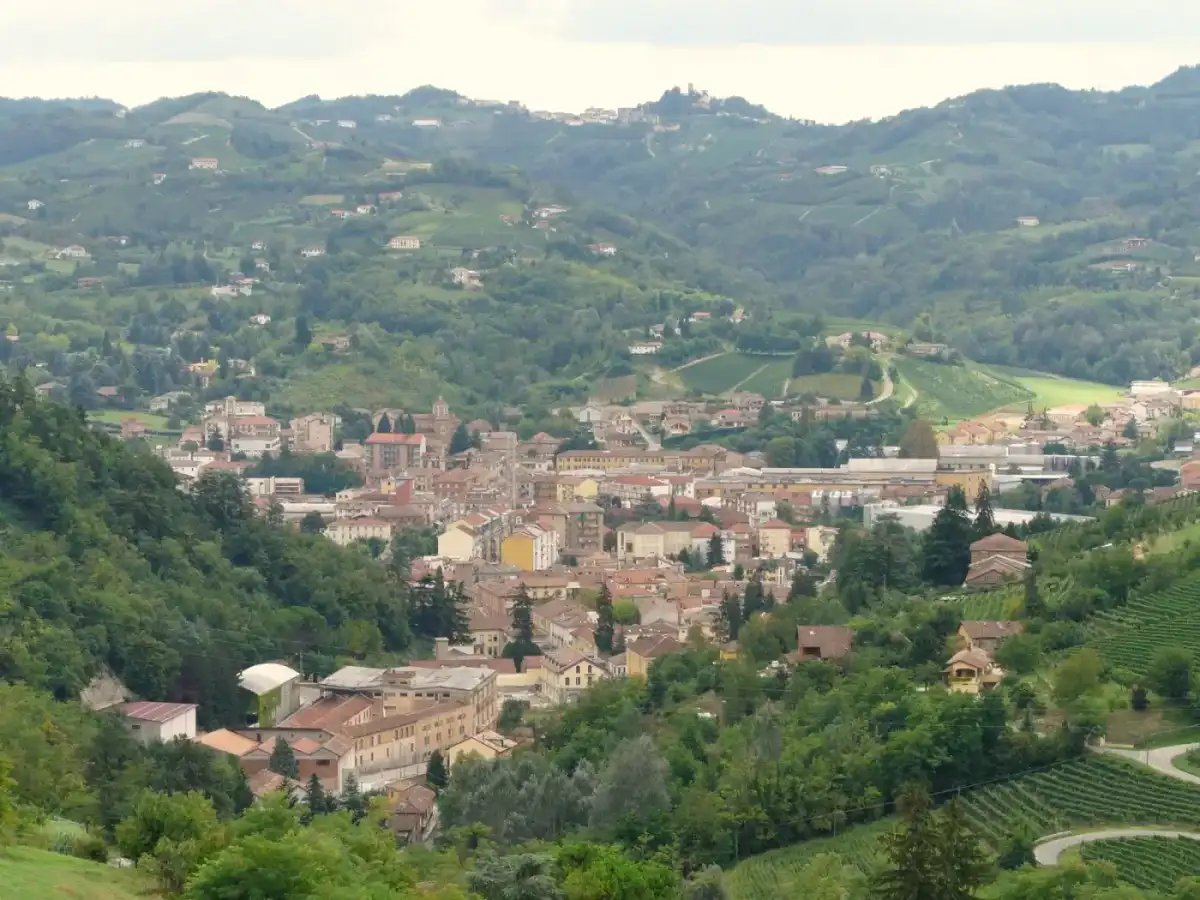
White grape variety
Moscato bianco
An aromatic grape to be known between Canelli, the hills of Moscato and Acquese, before meeting sparkling wines, sweet and passive wines.
Discover the grape variety →
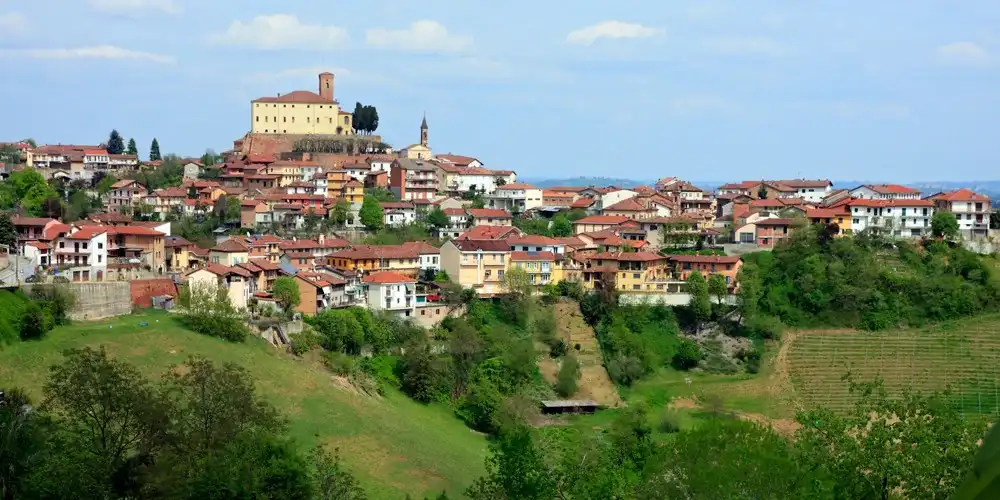
White grape variety
Arneis
The Arneis invites you to explore the Alfieri Lands and the western margin of Astigiano, connecting a Piedmontese white grape to its countries.
Discover the grape variety →