Grape varieties of Monferrato and neighbouring regions
Moscato bianco: the aroma that unites Canelli and the hills of Acquese
White grape variety · Aroma already in the grape
- 01Region
- 02Grape variety
- 03Wine
- 04Winery
From place to vine
Moscato bianco, a grape to discover
The journey of Moscato bianco can start from Canelli, continue in hills of Moscato and reach theAcquese. The scent of grapes offers a recognizable link between wines of different shapes, from the vivacity of bubbles to the concentration of passiti.
The scent begins in the grapes
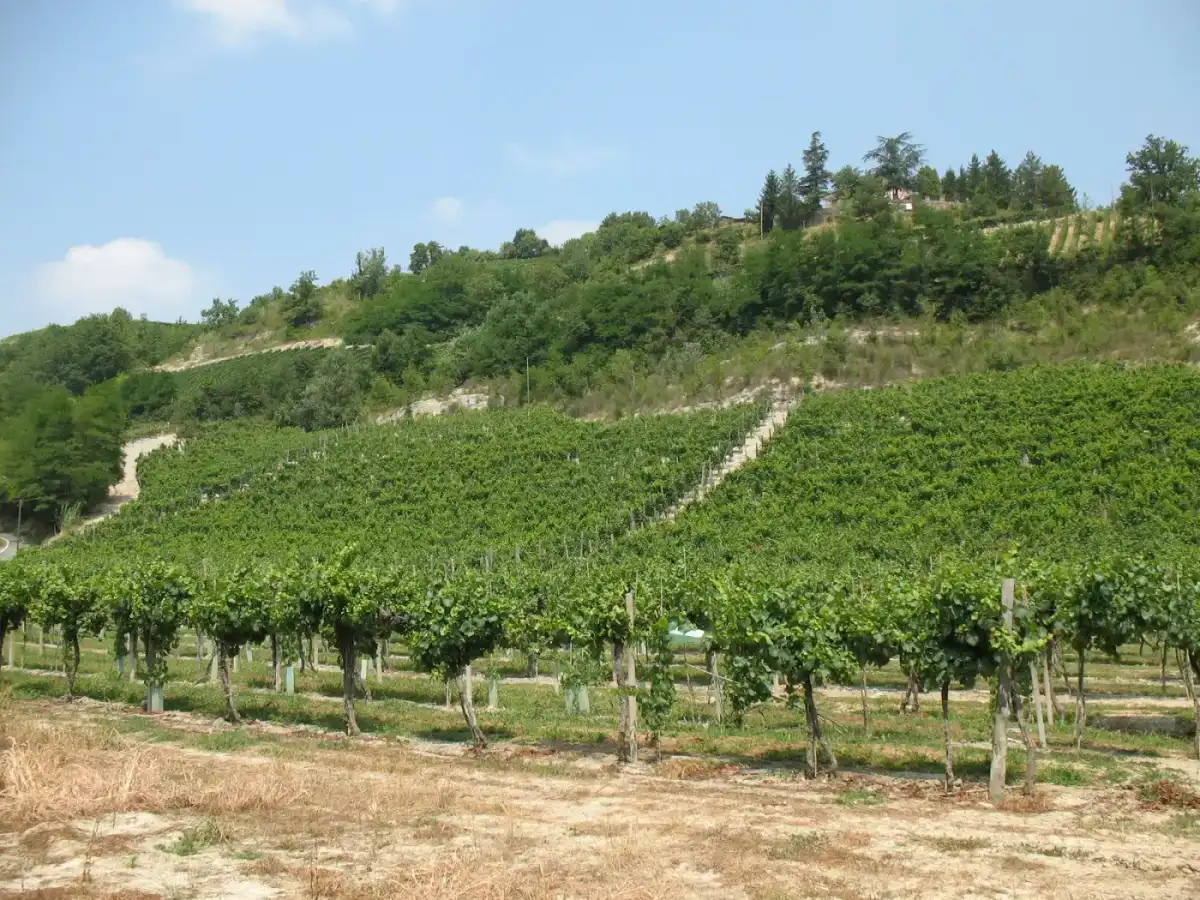
The Moscato bianco is a white berry variety with a strong aromaticity, already perceptible in the grapes. Their color can go from yellow-green to amber; the skin is thin. The ripening is in the early or intermediate part of the wine season.
The name Moscato also identifies a wider set of varieties: here the story follows the Moscato bianco cultivated in the hills of Piedmont. Recognizing this identity allows to keep the path from grape to wine clear, even when different territorial names appear on labels.
Canelli, the hills and places of wine
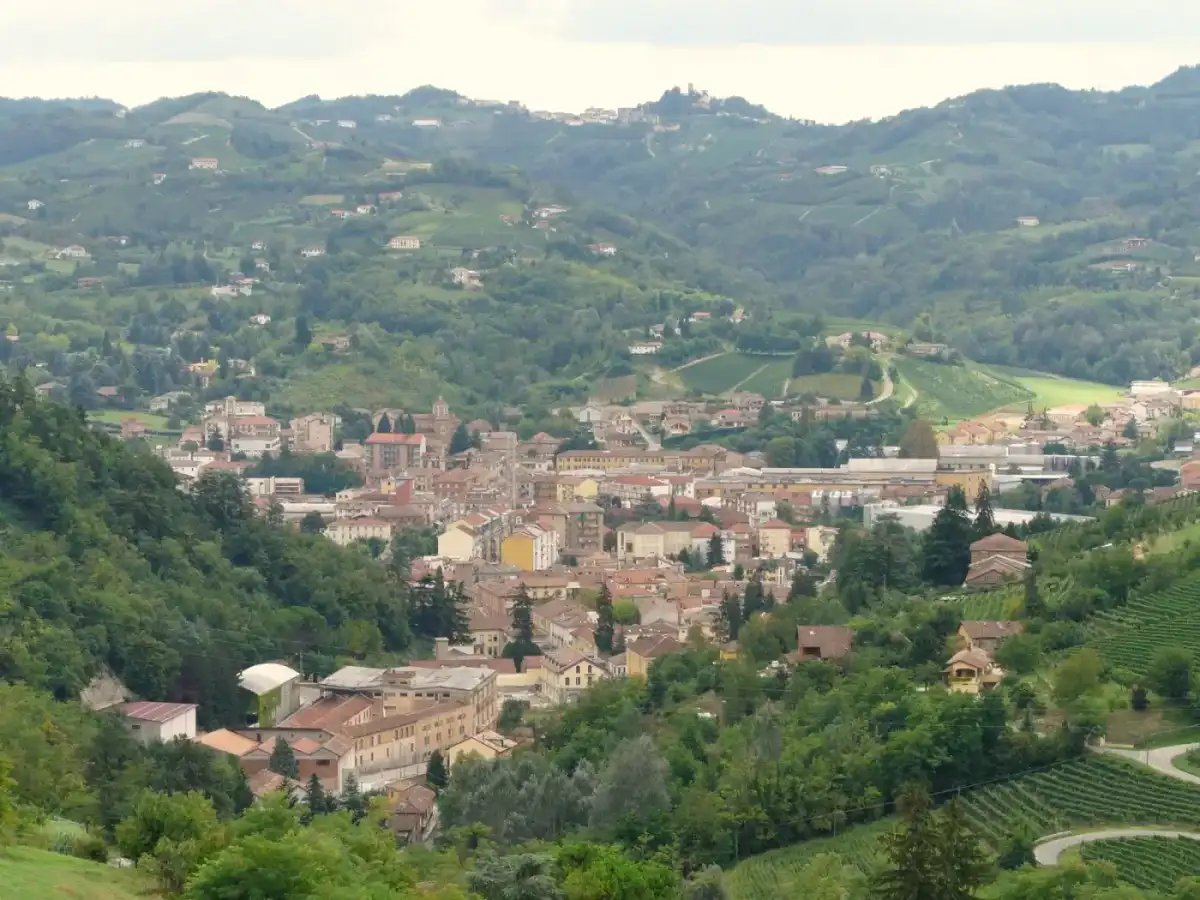
The Piedmontese cultivation of Moscato bianco interest the provinces of Asti, Alessandria and Cuneo. Canelli is one of the places to enter this geography: the history of wineries and sparkling wines adds to the countryside an urban and productive dimension, told on the page of the territory.
From Canelli, reach Loazzolo and continues to Strevi and Ricaldone. They are supported that help to follow the Moscato at different distances: the country, the cultivated slopes and the company's story become parts of the same experience.
A grape, many ways of interpreting the aroma
From the Moscato bianco sweet wines, sparkling and passive. The aroma is a common point, while the processes give different rhythms and textures. The passage to the wine therefore requires to read together the vine, name and style: each name adds an information.
To learn more, follow the story Canelli and the hills of Moscato, then the one ofAcquese. In a tasting, put next to a version with bubbles and a passito allows you to listen as the same aromatic character changes form through the work of cellar.
Underground cellars and hills of passiti
In Canelli the Moscato combines two landscapes that require different times. Outside, the vineyards and the profile of the hills accompany the ascent from the valley floor to the upper part of the city. The churches of St. Thomas and Saint Leonard give references to the urban path. In the underground, the historical cellars known as underground cathedrals bring within the spaces of production and conservation. The grape connects agricultural work on the slopes to a history of wine transformation that left traces in the very form of the city.
The UNESCO component of Canelli and theAsti sparkling wine recognizes this relationship between territory and production. To orientate between the bottles, the wine Asti and the Canelli DOCG offer two distinct insights: the Moscato bianco is the varietal thread, while denominations organize origin and production rules. A visit to the cellars and a subsequent stretch in the countryside allow you to combine the two dimensions. The glass becomes more legible when you have known the landscape in which the grapes grow and you listen to how the producer will accompany the aromas.
Towards Loazzolo, the path meets the time of filing and aging, told on the page Loazzolo. In the Acquese, Strevi, Ricaldone and Alice Bel Colle add other hills to the discovery. The Strevi passito continues the thread of aromatic wines, with its own territorial identity. Stop in the villages before tasting makes this geography close: the vineyard, the town and the wine cellar enter into the same day. The different forms of Moscato thus allow us to know more places through a common agricultural presence and an ever new account of the work. The landscape crossed remains a reference to be resumed in the conversation, when the producer tells the location of his vineyards and grape harvest.
From grape to bottle
Wines to discover through Moscato bianco
DOC · White Sweet from Moscato
Loazzolo DOC
The Loazzolo DOC concentrates the story of wine in one municipality.
Discover the story of the wine →
DOCG · Spumante, Moscato d'Asti e Asti Rosé
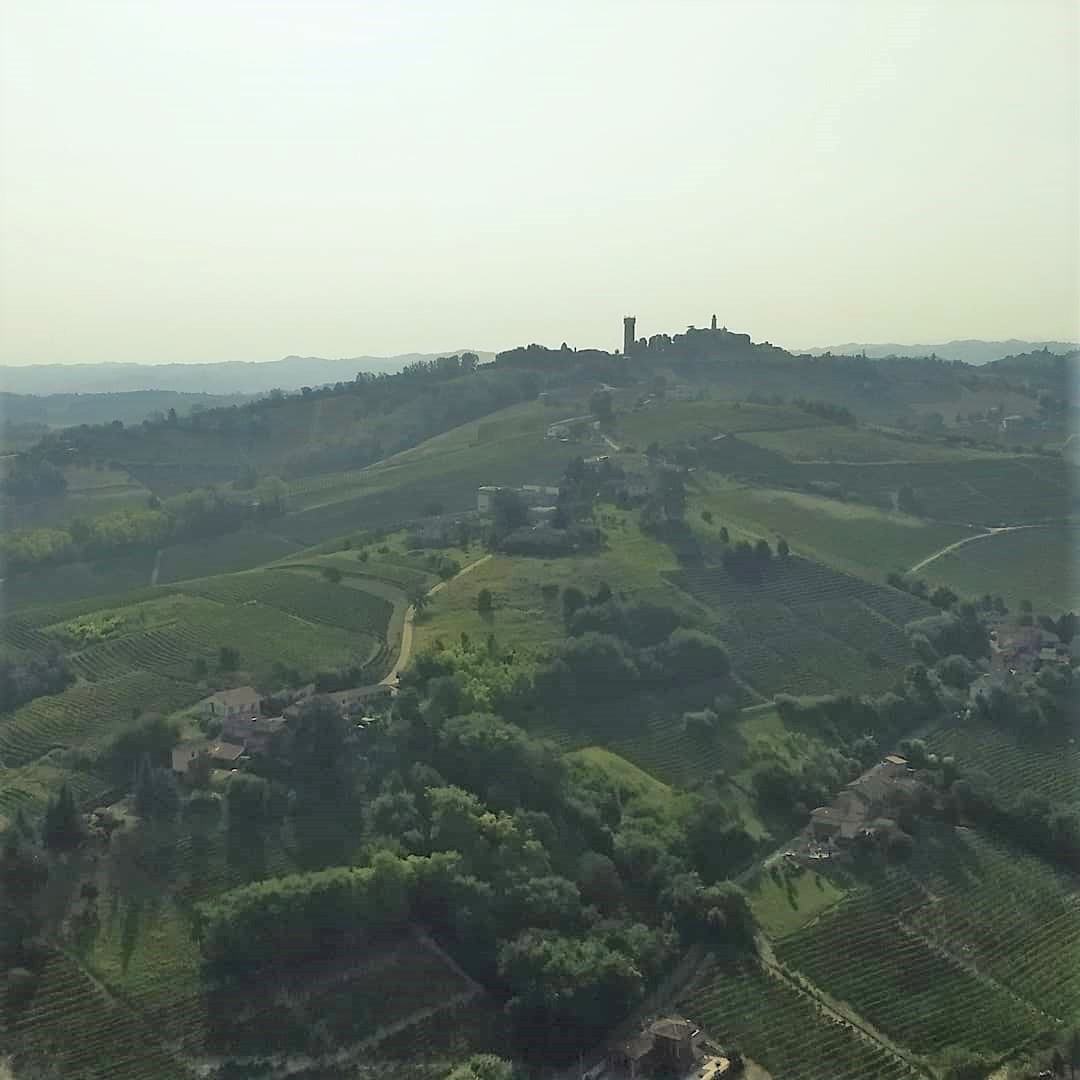
Asti DOCG
The Asti DOCG brings together a great history of Piedmont of aromatic wine.
Discover the story of the wine →
DOCG · White sweet aromatic from Moscato
Canelli DOCG
The Canelli DOCG gives the Moscato bianco a circumscribed origin between Astigiano and Cuneese.
Discover the story of the wine →
DOC · White Passed by Moscato
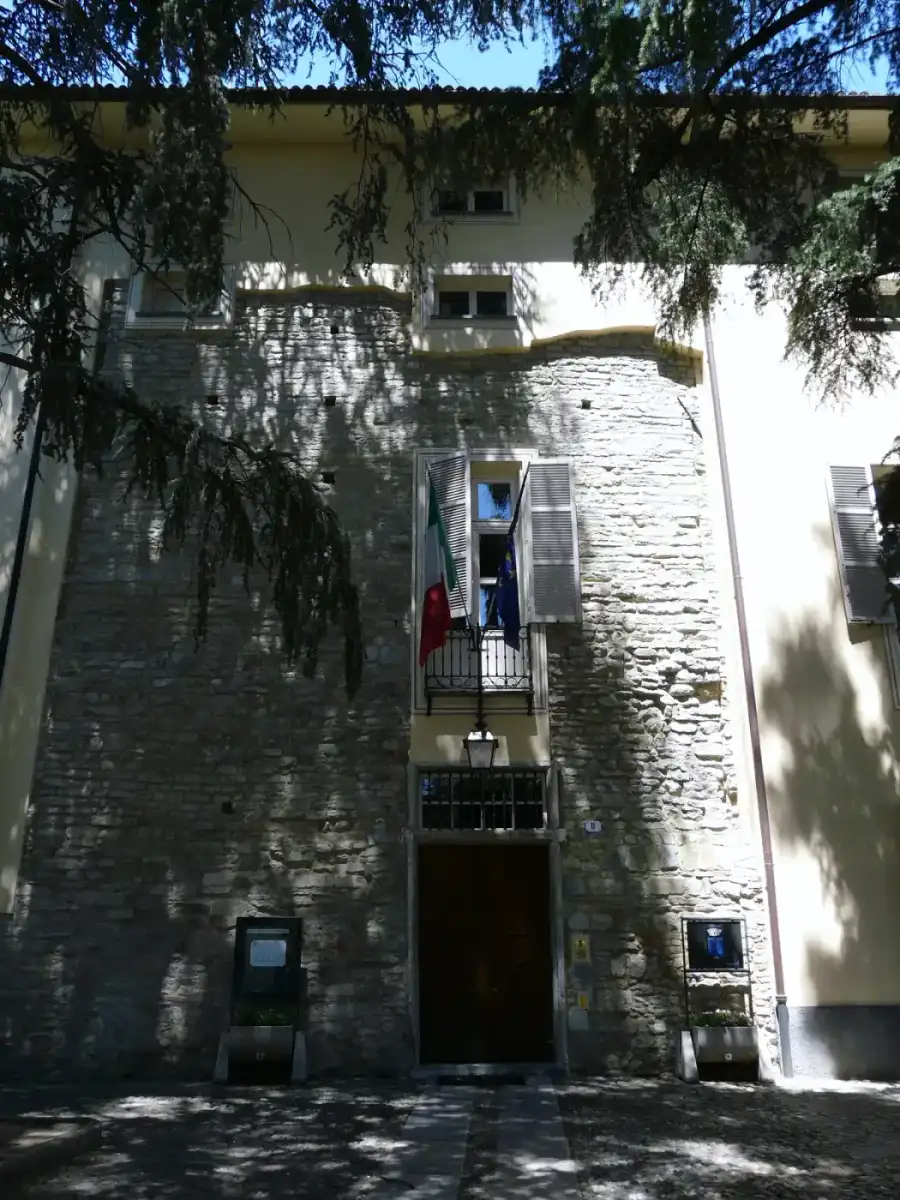
Strevi DOC
I do. Strevi DOC the door Moscato bianco in the size of the passito.
Discover the story of the wine →
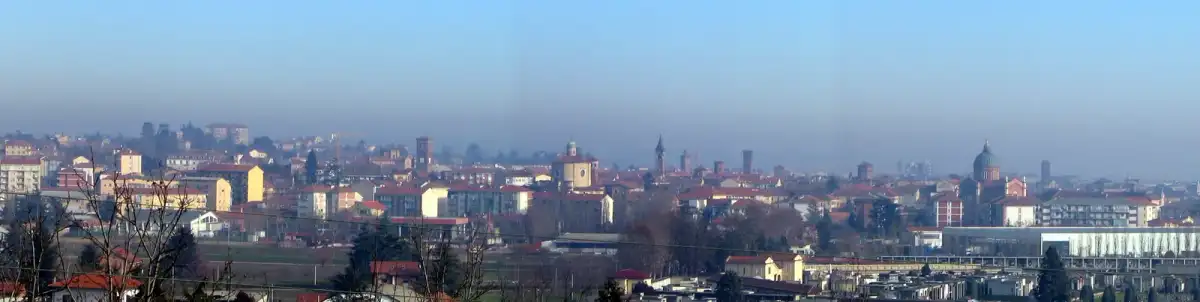
DOC · White, red, pink and sparkling wines
Piemonte DOC
The Piemonte DOC offers an entrance into the variety of wines in the region.
Discover the story of the wine →
Return to the landscape
Regions where you can discover Moscato bianco
Canelli e le colline del Moscato
Canelli, Santo Stefano Belbo and the hills of Moscato bianco: a journey through wine country, the history of sparkling wine and the Cattedrali Sotterranee.
Explore the region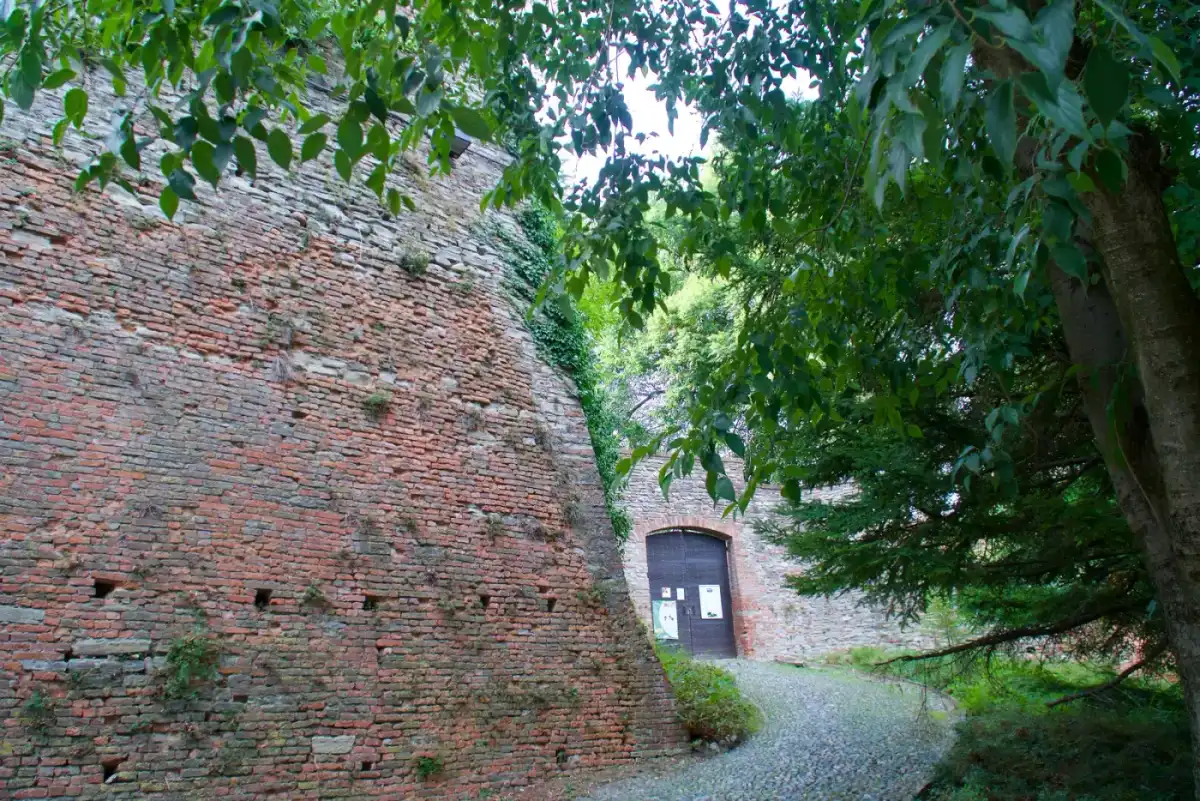
Acquese
From Acqui Terme to Strevi and Ricaldone, among hills, woods and villages: discover the Brachetto and Dolcetto wine country and the routes of the Acquese.
Explore the region
From grape variety to places
Villages and routes for your next steps
Open the page of a country and connect the discovery of grapes to the deepenings and itineraries of its hills.