Wines of Monferrato and neighbouring regions
Asti DOCG: the hills of Moscato, today also Rosé
DOCG · Spumante, Moscato d'Asti e Asti Rosé
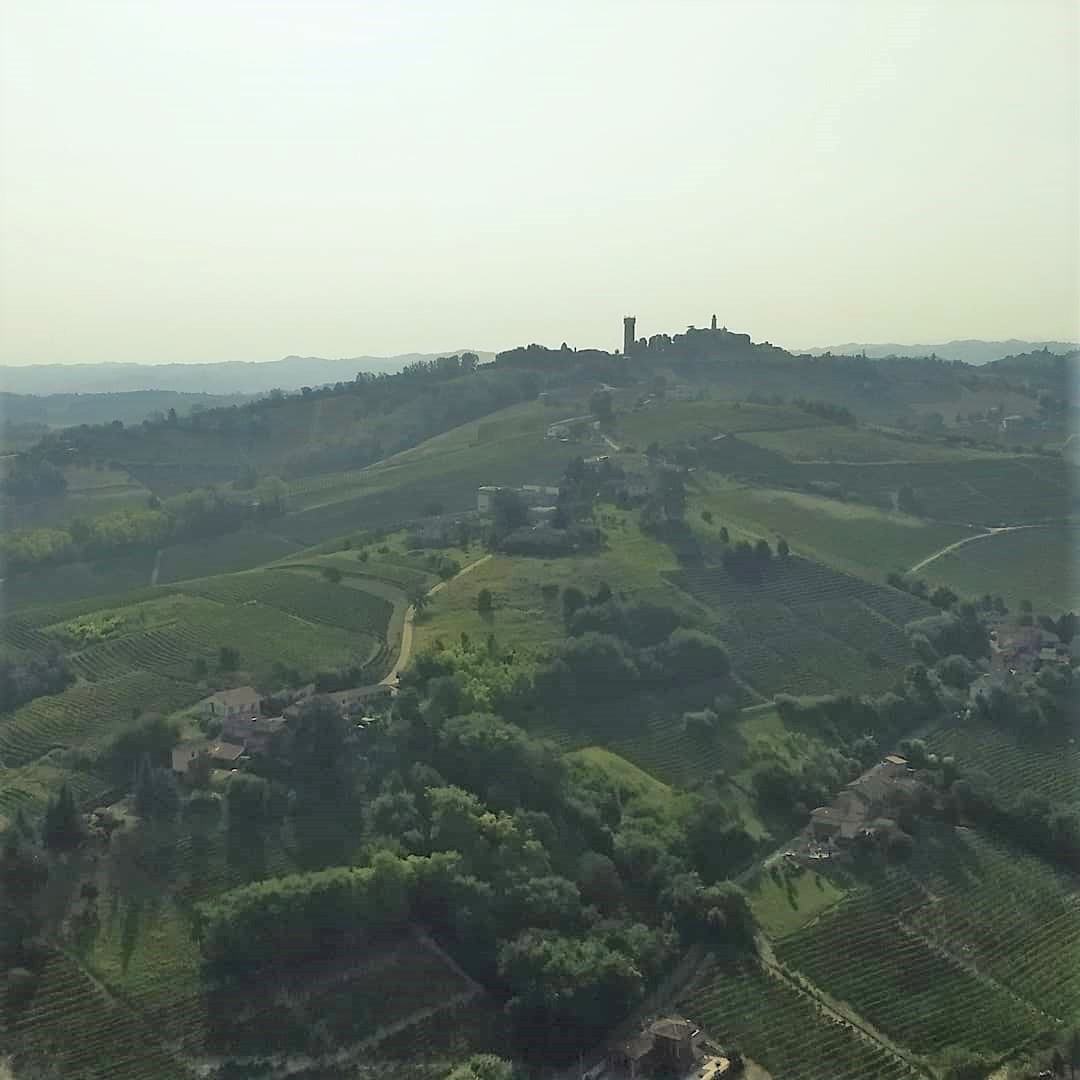
- 01Region
- 02Grape variety
- 03Wine
- 04Winery
From the region to the glass
Asti DOCG, a wine to discover
The Asti DOCG brings together a great history of Piedmont of aromatic wine. Asti Spumante, Moscato d’Asti and Asti Rosé are the three expressions today presented by the consortium: a heritage that links Moscato to the hills and, since 2026, opens an encounter with Brachetto.
The journey through the provinces of Asti, Alessandria and Cuneo. Canelli offers a starting point to know the relationship between vineyards and historical wineries; Calosso and Ricaldone invite you to continue in the landscape of Moscato. The name is better discovered by distinguishing the styles and looking for the places of grapes.
An area that joins three provinces
The production area exceeds the Astigian border and includes municipalities in the provinces of Alessandria and Cuneo. In the site, Canelli e le colline del Moscato and theAcquese offer two entrance doors. The name Asti on the label therefore indicates a wide territorial denomination, to be explored through its different centers.
From Calosso to Canelli the villages emerge among the cultivated hills; near Acqui, Ricaldone and other villages open another perspective on the aromatic heritage. In the cellar the origin of the bunches makes this geography concrete. Asking from which municipality and from what slopes the grapes come helps to place each bottle in the landscape visited.
Canelli and the culture of bubbles
A Canelli the work of wine has left a patrimony of underground cellars linked to spumantization. This relationship between production and places enters the Wine Landscapes of Piemonte recognized by UNESCO. The visit allows to combine the architecture of the winery with agricultural work on the slopes, following the path that leads from grapes to the processing of wine.
The Moscato bianco is the historical protagonist of this story. Its aromaticity characterizes wines that have acquired a very wide diffusion, maintaining the reference to the Piedmont hills. Observing a vineyard after a visit to the cellars gives continuity to the two environments: the spectacular dimension of underground spaces returns to the concrete matter of the bunches.
Ribs of Asti allows you to insert another center of the hills in your journey. From here the Moscato is read in the context of a campaign that also houses other vines. The route to Calosso and Canelli can alternate a stop in the village, the observation of the rows and the visit to a winery: three complementary moments to connect the historical heritage to the grapes and bottles that keep it alive.
Three expressions to distinguish
The Spumante Asti and Moscato d’Asti offer different experiences. The first belongs to the category of sparkling wines; Moscato d’Asti retains a more contained pressure and its own identity as sweet aromatic wine. Distinguishing the two names is the first step to orient itself between bubbles, alcohol degree and mode of consumption, leaving the manufacturer the story of the single bottle.
From March 2026 the DOCG also includes Asti Rosé, obtained from Moscato bianco from the 70 to the 90% and Brachetto from the 10 to the 30%. Expressions are provided from sweet to extra brut. The new style extends the aromatic comparison and brings the pink colour to the name: sweetness is then read in the specific version chosen, along with label information.
A day between Calosso and Canelli
Calosso allows you to start from the landscape, with the village and vineyards; Canelli then introduces the history of processing. It organizes a visit to a historical cellar to deepen the spaces and production, and dedicates another stop to a farm of the hills. The alternation makes visible the link between work of the vineyard and culture of sparkling wine.
To continue, the Canelli DOCG focussed on a more circumscribed origin of Moscato, while the Loazzolo DOC follows the thread of the appearance. To Acqui, the Brachetto d’Acqui proposes a distinct red aromatic voice. These comparisons allow to recognize the variety of the territory through precise names and places to be reached during the journey.
Wine begins with the grape
Grape varieties in the story of Asti DOCG
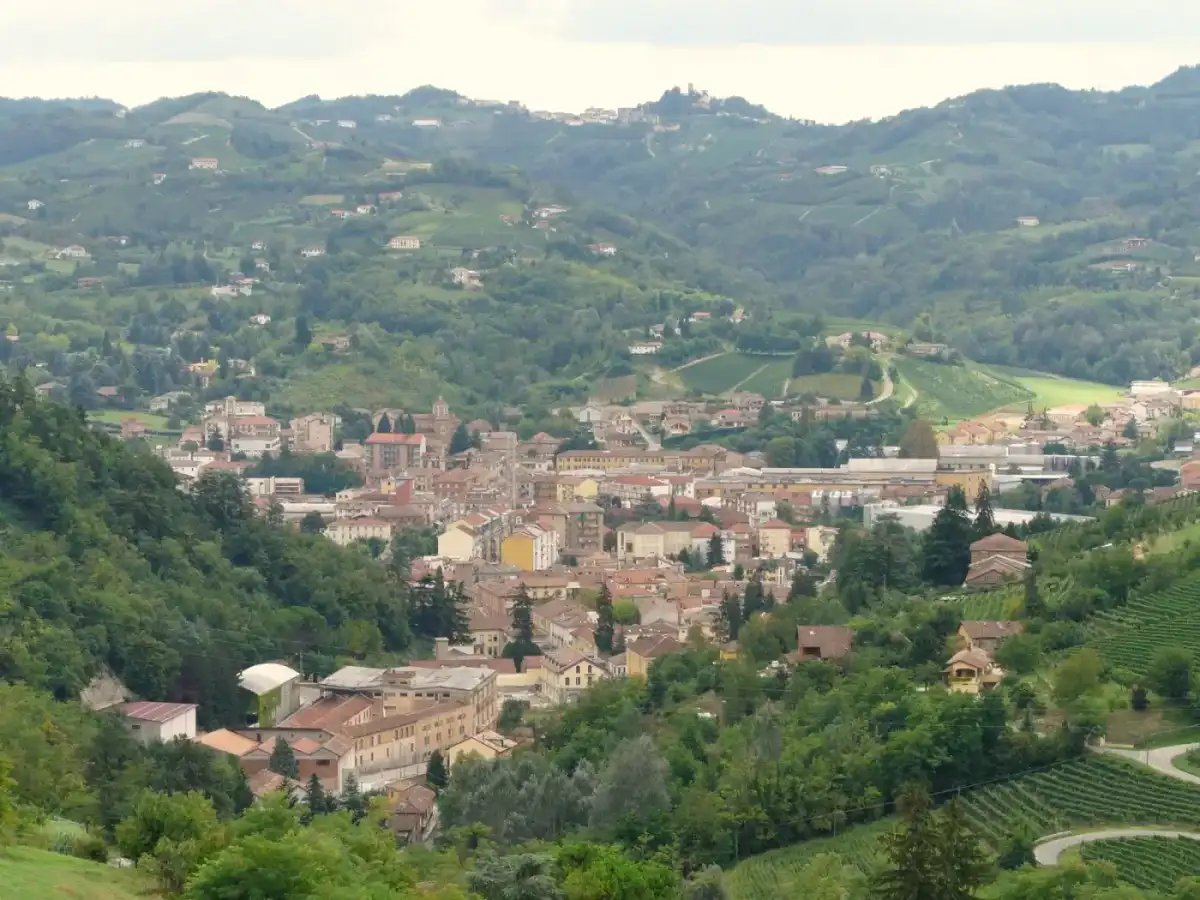
White grape variety
Moscato bianco
An aromatic grape to be known between Canelli, the hills of Moscato and Acquese, before meeting sparkling wines, sweet and passive wines.
Discover the grape variety →
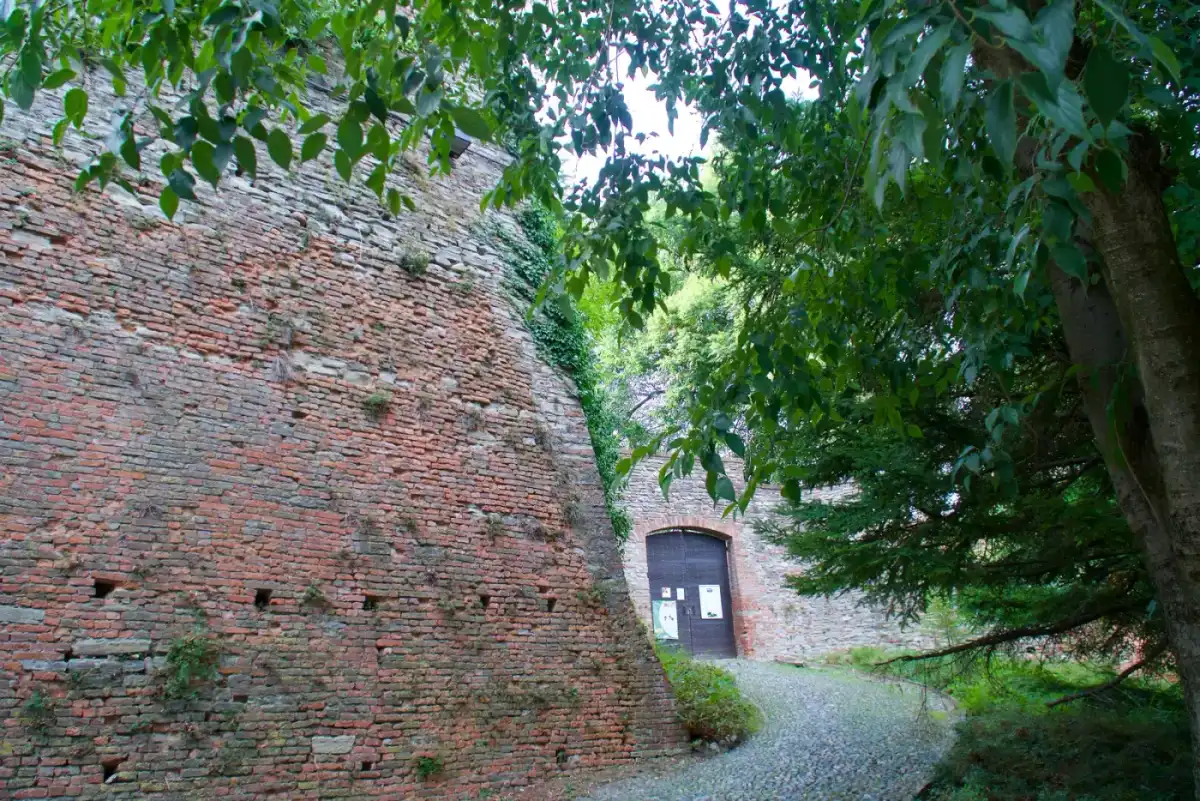
Black grape variety
Brachetto
The Brachetto door in the hills Belbo and Bormida: a dark and aromatic grape to be followed in Acquese and towards Canelli.
Discover the grape variety →
The hills before the glass
Regions to explore
Canelli e le colline del Moscato
Canelli, Santo Stefano Belbo and the hills of Moscato bianco: a journey through wine country, the history of sparkling wine and the Cattedrali Sotterranee.
Explore the regionAcquese
From Acqui Terme to Strevi and Ricaldone, among hills, woods and villages: discover the Brachetto and Dolcetto wine country and the routes of the Acquese.
Explore the regionA village begins the journey
Villages, stories and routes
Follow the villages connected to the story and continue among their stories and itineraries of the hills.
Add a stop to your journey
More wines to discover
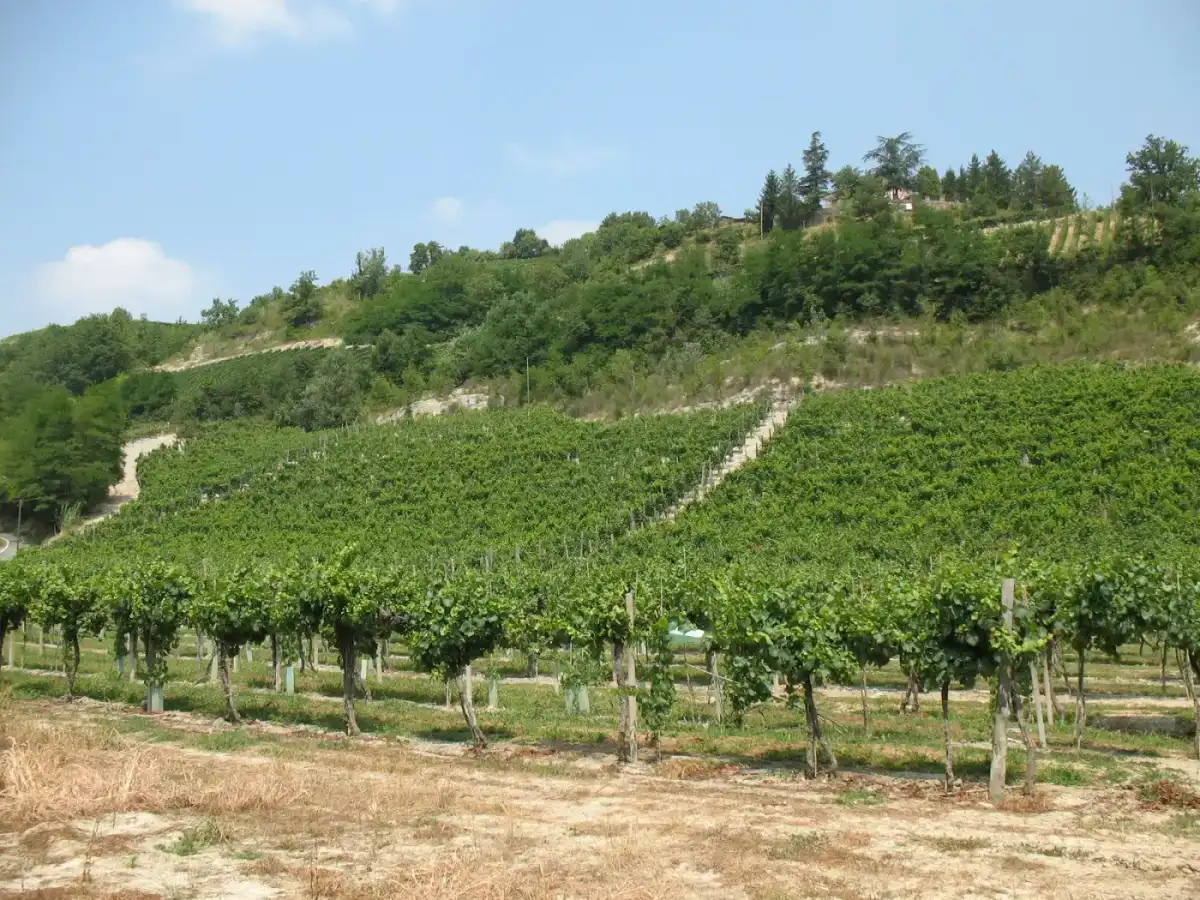
DOC · White Sweet from Moscato
Loazzolo DOC
The Loazzolo DOC concentrates the story of wine in one municipality.
Discover the story of the wine →
DOCG · White sweet aromatic from Moscato
Canelli DOCG
The Canelli DOCG gives the Moscato bianco a circumscribed origin between Astigiano and Cuneese.
Discover the story of the wine →
DOCG · Red and aromatic rose, dry or sweet, sparkling and passive
Brachetto d’Acqui DOCG
Red and aromatic roses, dry and sweet expressions: discover the Brachetto d’Acqui between thermal cities, villages and hills.
Discover the story of the wine →