Wine regions
Canelli e le colline del Moscato: from the vineyards to the underground city
Moscato bianco, hills and cellars underground
- 01Region
- 02Grape variety
- 03Wine
- 04Winery
The character of the places
The landscape and its places
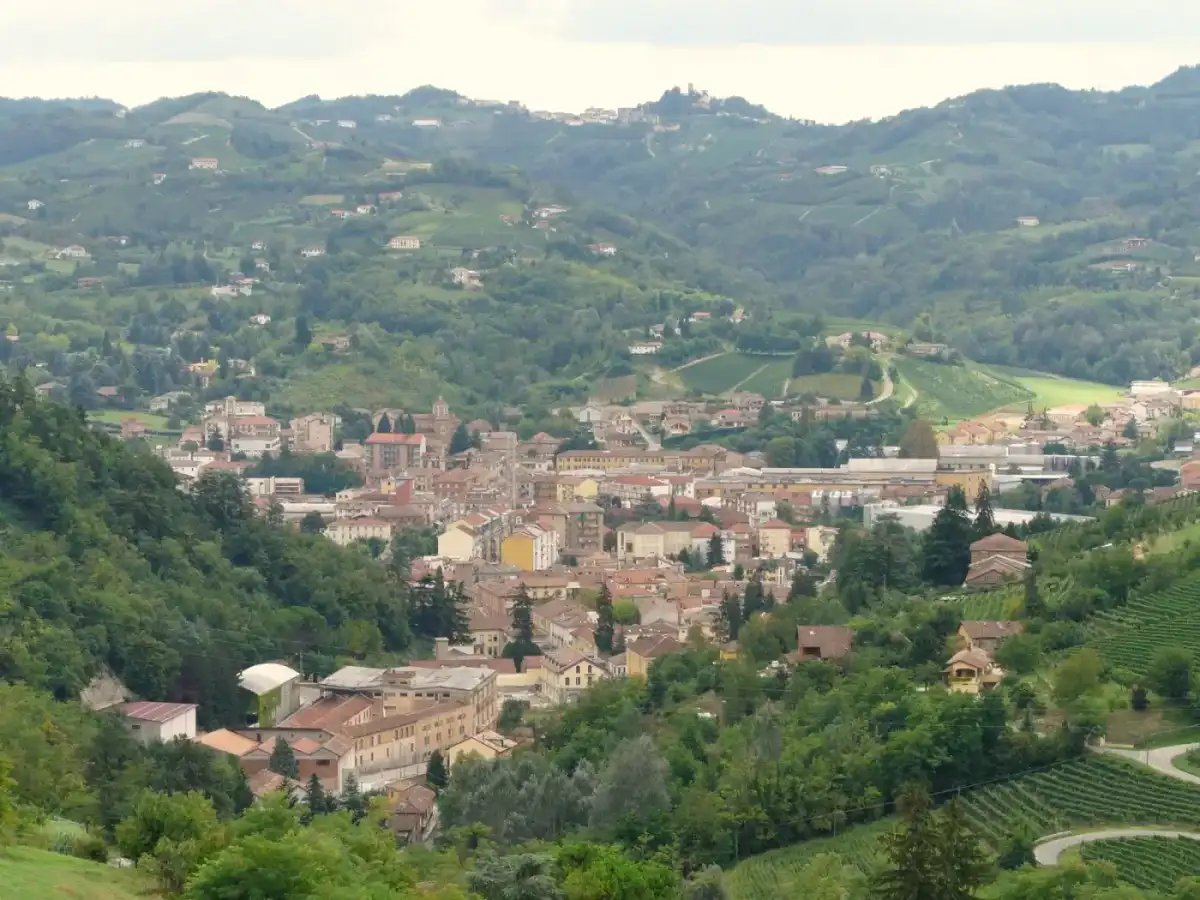
A Canelli, the wine landscape develops above and below the city. The vineyards occupy the slopes; the large historical cellars open another dimension, made of galleries and work spaces. Between these two levels passes a story that brought the Moscato bianco from the hills to the production of sparkling wine.
The discovery can begin in the center and continue along the paths that rise to the upper part. Then the journey expands to Santo Stefano Belbo, Calosso and Loazzolo. Crossing these places allows you to know the context of aromatic grapes and read wine through countries, crops and people.
A city between the valley floor and the hill
Canelli invites you to move vertically. The center in the valley bottom and the core of the upper part offer two views on the same place. As you climb up, the city changes proportions and the hills are visible beyond roofs. The pages dedicated to Church of St. Thomas and the church of San Leonardo add a historical thread to the urban path.
The passage from the city to the vineyards makes evident the relationship between agricultural production and wine transformation. The roads link the plots to the places where the grapes are processed; the productive buildings tell a different dimension than that of the farmhouse. The journey acquires depth when you look at both aspects, leaving time to the streets of the center and the countryside.
The city on the surface and wine in the underground
A Canelli, the relationship between the town and the production of wine also has an underground dimension. The historical cellars, known as underground cathedrals, bind the name of the city to the history of sparkling wine. The visit introduces the time of processing and conservation; returning to the streets, the look finds a city grown next to its winery activity.
The UNESCO component of Canelli and theAsti sparkling wine links this heritage to the productive landscape. It is a reference that helps to keep together the architectures and slopes of Moscato bianco. The vine accompanies both the story ofAsti and that of Canelli DOCG, autonomous denomination: the names of wine add distinctions to a territory in which the grape offers a recognizable continuity.
Continuing towards Calosso and Loazzolo, the journey changes scale. The Calosso DOC brings a story tied to Gamba di Pernice; Loazzolo follows the Moscato in the time of drying and aging. These stops extend the day beyond the city alone. A path between the countries allows to meet wine through different forms: a historical cellar, a cultivated slope, a local grape recovered, a bottle that bears the name of a small town.
The underground cathedrals and the history of sparkling wine
The underground cathedrals are the historical cellars excavated under Canelli, linked to the development of sparkling wine production. The environments of Bosca, Contratto, Coppo and Gancia belong to this story. The visit allows you to know an architecture born for work and conservation, in which the dimensions of spaces make tangible the transformation of the city through wine.
Canelli and the Asti Spumante is one of the components of the UNESCO site of Wine Landscapes Piemonte. Recognition relates the productive city with hills. To visit the historical cellars, choose one of the proposals organized by companies: routes and accesses are linked to the reality that hosts the visit. The story of those who work there gives meaning to the environments that go through.
The Moscato bianco and the geography of aromatic grapes
The Moscato bianco is the reference vine to approach these hills. Asti and MuscatAsti are two central names in the enological history of the area; the name Canelli DOCG offers a further link between wine and origin. In the territorial journey, the first step is to recognize places of cultivation, before entering into differences between wines and production techniques.
The disciplinary of Canelli places the area between Tanaro and the Bormida, through the valley of Belbo, on the border between Langhe and Monferrato. It describes soils of marine sedimentary origin, with marl, sandstone and clay: a history of the land that precedes the vineyards. Santo Stefano Belbo and Calosso widen the discovery of the countries of Moscato; Loazzolo, a denomination of passive wine shows another expression of the Moscato bianco.
From the underground visit to the journey between countries
After a visit to Canelli, he dedicates part of the day to the countryside. The pages of Calosso, Santo Stefano Belbo and Loazzolo collect the paths associated with municipalities and allow to choose another perspective. The Wine and flavours route it also offers a thread to enlarge the journey through wine lands.
A short distance, the lands of Nice lead to the landscape of Barbera; Acqui Terme and its hills other tales of aromatic grapes and red wines are opened. Connecting these territories helps to grasp the variety of Monferrato. The passage from one hill to another also becomes a passage between wine cultures.
Where to stay · Canelli e le colline del Moscato
Find stays on Booking.comFrom the region to the grape
Grape varieties to discover in these hills
White grape variety
Moscato bianco
An aromatic grape to be known between Canelli, the hills of Moscato and Acquese, before meeting sparkling wines, sweet and passive wines.
Discover the grape variety →
Black grape variety
Brachetto
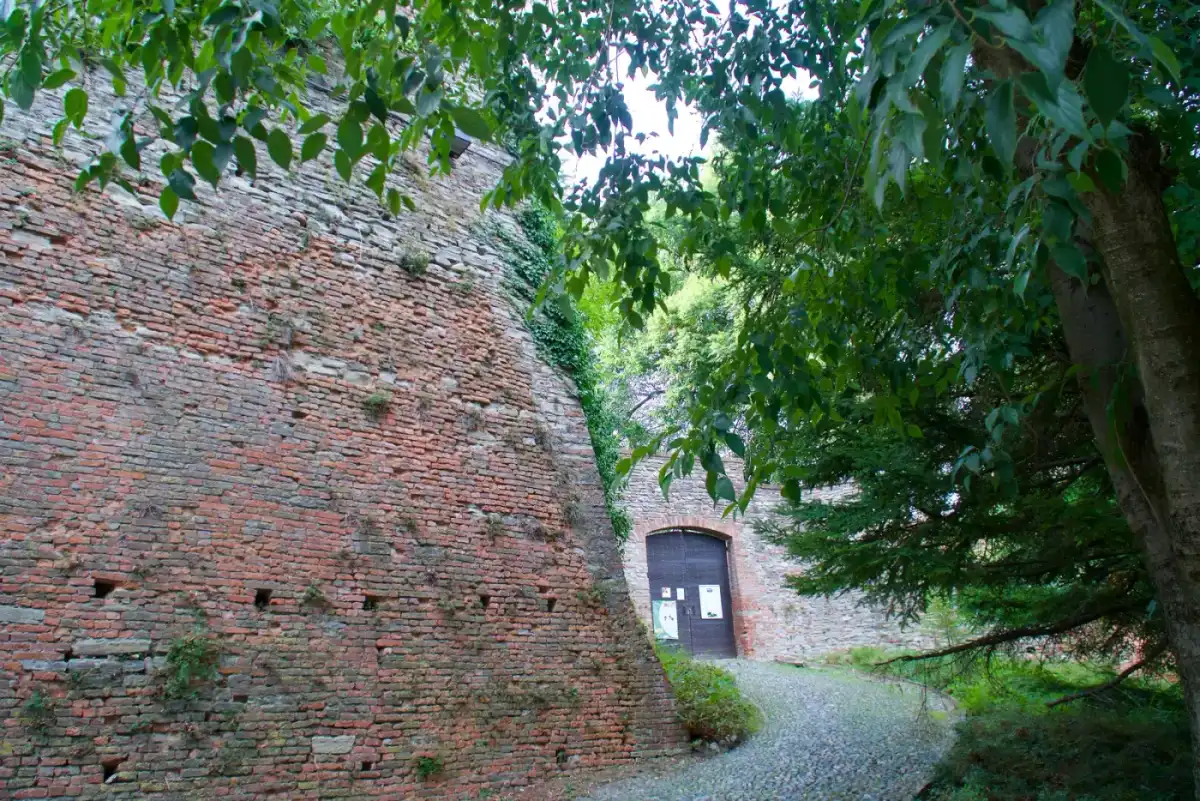
The Brachetto door in the hills Belbo and Bormida: a dark and aromatic grape to be followed in Acquese and towards Canelli.
Discover the grape variety →
Black grape variety
Gamba di Pernice
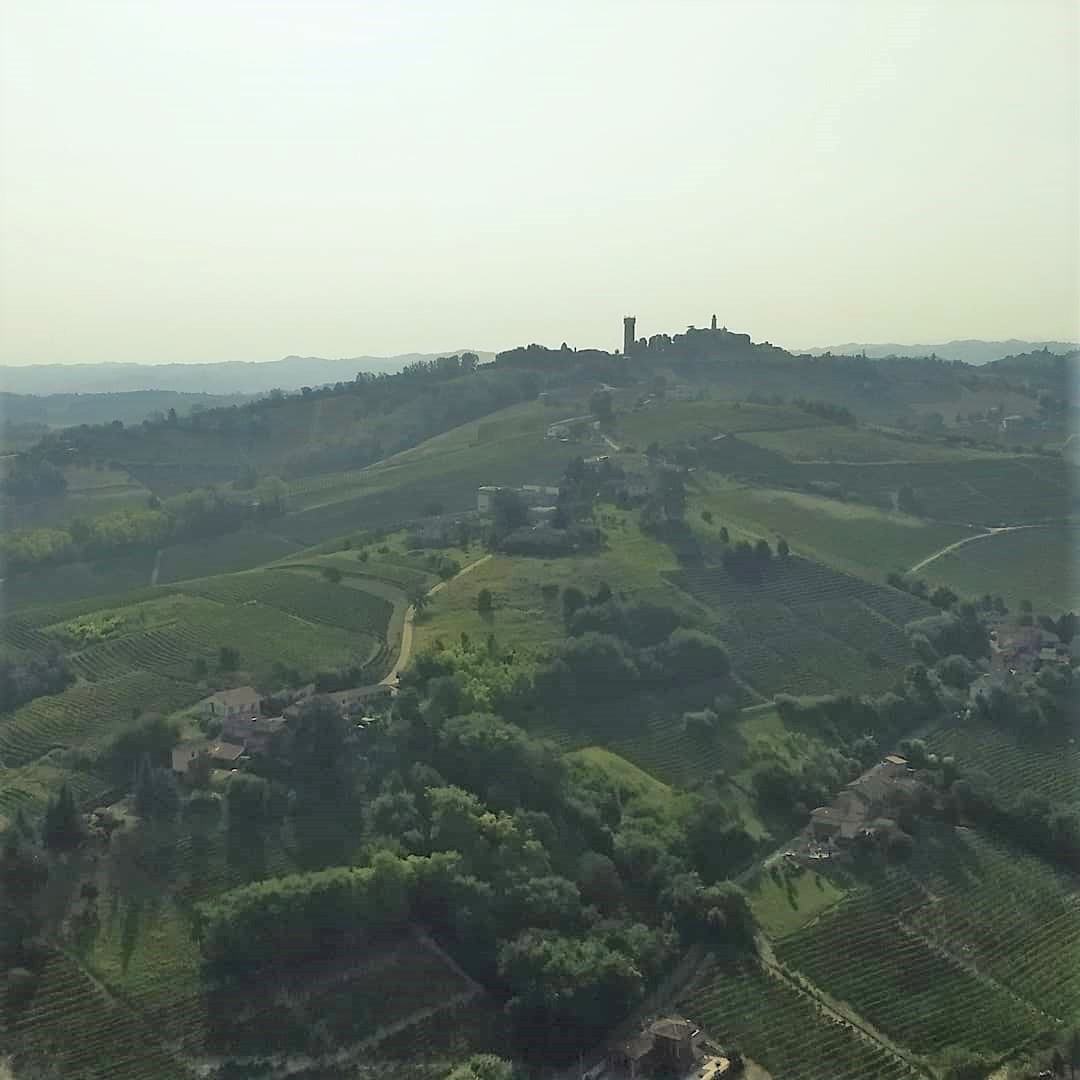
The Gamba di Pernice, registered as the Red Leg, leads to Calosso: a local vine rediscovered and tied to three municipalities of the Astigiano.
Discover the grape variety →
The hills in your glass
Wines that tell the story of this region
DOC · White Sweet from Moscato
Loazzolo DOC
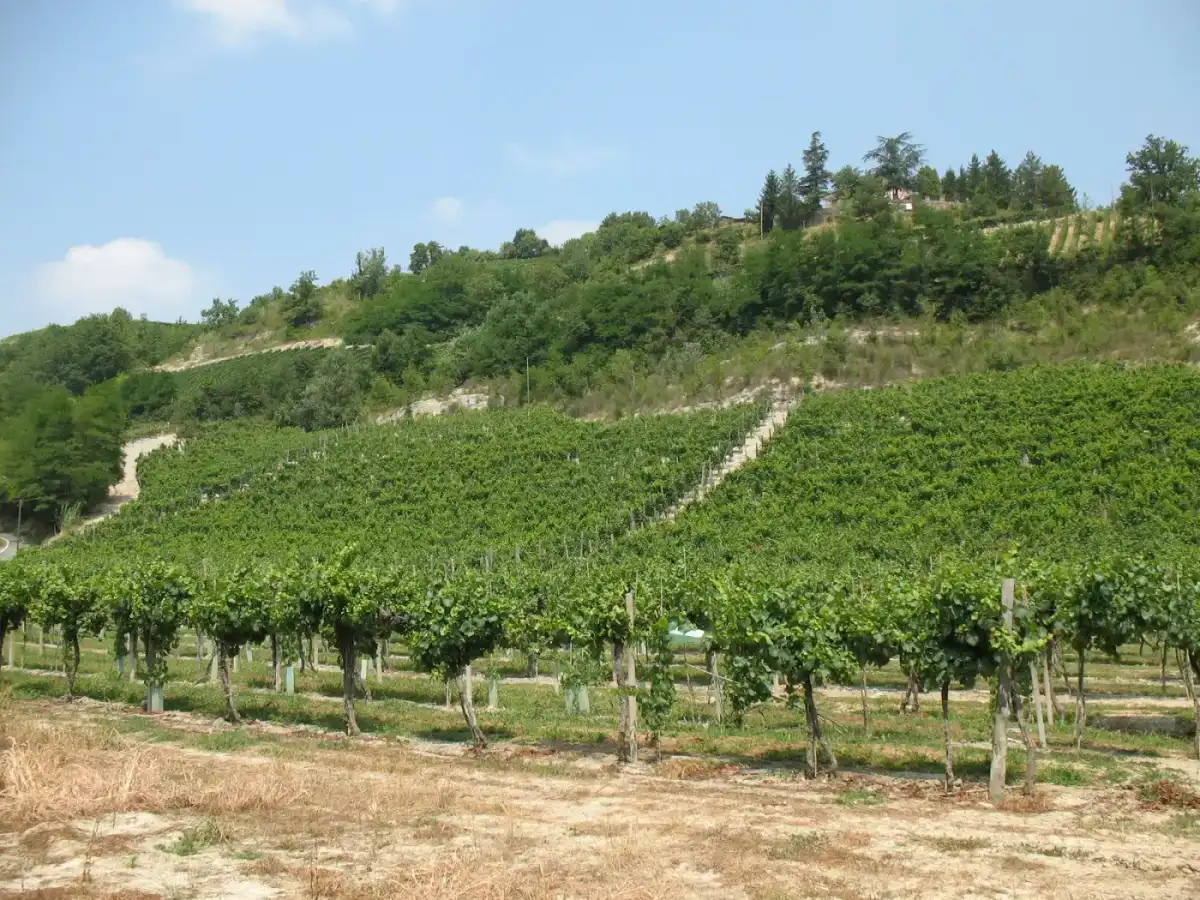
The Loazzolo DOC concentrates the story of wine in one municipality.
Discover the story of the wine →
DOCG · Spumante, Moscato d'Asti e Asti Rosé
Asti DOCG
The Asti DOCG brings together a great history of Piedmont of aromatic wine.
Discover the story of the wine →DOCG · White sweet aromatic from Moscato
Canelli DOCG
The Canelli DOCG gives the Moscato bianco a circumscribed origin between Astigiano and Cuneese.
Discover the story of the wine →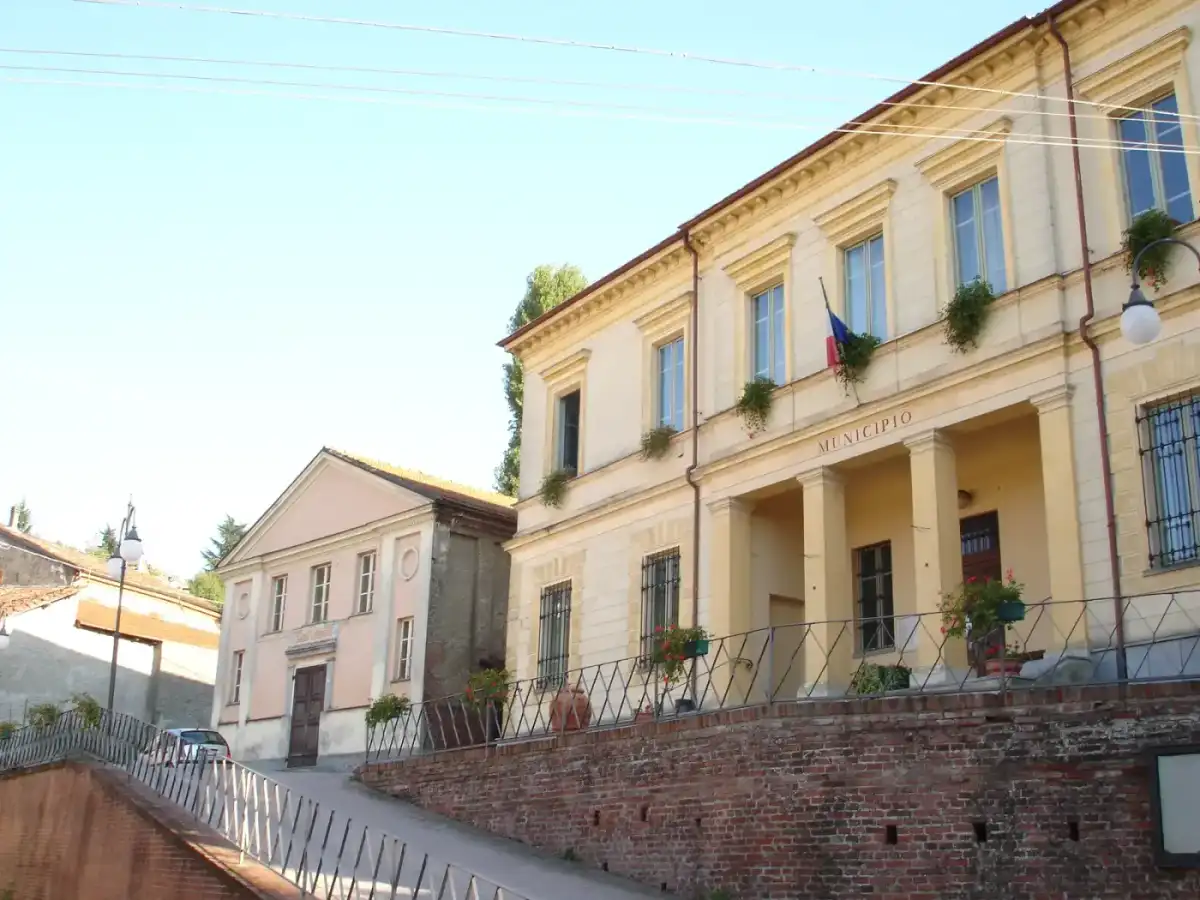
DOCG · Red and aromatic rose, dry or sweet, sparkling and passive
Brachetto d’Acqui DOCG
Red and aromatic roses, dry and sweet expressions: discover the Brachetto d’Acqui between thermal cities, villages and hills.
Discover the story of the wine →
The region, village by village
Villages, stories and routes
Each country opens up other stories and collects itineraries to cross its hills.
Continue your journey
More regions to discover
Monferrato Astigiano
Explore the hills around Asti, from the Ruchè area to Albugnano and the Terre Alfieri, discovering villages, vineyards and routes that introduce the region’s different grapes and wines.
Explore the region

Le terre del Nizza
Nizza Monferrato, Vinchio, Vaglio Serra and the Barbera hills: discover the area through its villages, UNESCO-listed landscape and routes in the Val Sarmassa.
Explore the region
Acquese
From Acqui Terme to Strevi and Ricaldone, among hills, woods and villages: discover the Brachetto and Dolcetto wine country and the routes of the Acquese.
Explore the region