Wine regions
Monferrato Astigiano: from Ruchè to Albugnano and Terre Alfieri
Terre del Ruchè, hills of Albugnano and Terre Alfieri
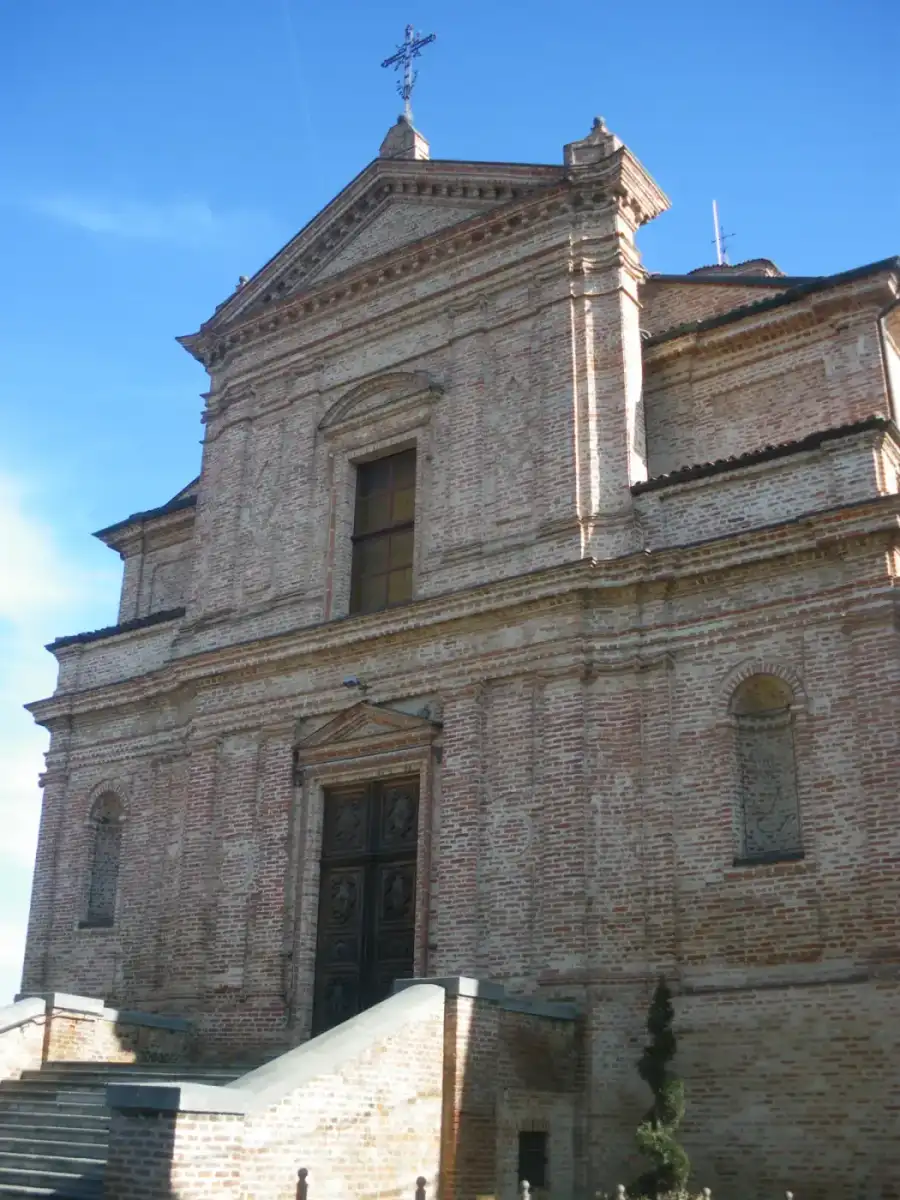
- 01Region
- 02Grape variety
- 03Wine
- 04Winery
The character of the places
The landscape and its places
In the Astigiano a square can be the beginning of a journey into wine. Just get out of the village because the rows, the pools and the streets between a hill and the next one are visible. The inhabited centres are points from which to be oriented: they give a name to the cultivated lands and keep together agricultural life with markets, holidays and daily relations.
Asti offers the first historical horizon; Castagnole Monferrato, Montemagno and Portacomaro take the journey through the hills. Follow the lands of Ruchè allows you to know a recognizable part of this territory and to understand how a vine can become the thread that unites neighboring countries.
Asti, a city from which to read the campaign
The history of Asti gives thickness to the agricultural landscape that surrounds the city. The streets of the center, towers and squares tell a place of exchange and public life. The study on the Palio di Asti follows one of the threads of this identity. From the city, moving to countries introduces another dimension, made of short distances on paper and continuous change of perspective.
Each dorsal proposes a different point of view. The bell tower of the village just left to reappear over a vineyard; a nucleus of houses on the nearby hill invites you to continue. In order to understand the Astisan, it alternates the visit of the centers at a distance in the countryside. The landscape acquires consistency when the squares and slopes become parts of the same journey.
Dorsals, squares and borders to cross
Castagnole Monferrato occupies a ridge between the Astilian and the Casalese sector. The location helps to read a territory in which the towns are recalled through the hills: from the country the journey continues following roads that change altitude and perspective. The path of the Ruchè di Castagnole Monferrato gives this observation a concrete productive reference.
A Montemagno, the village gathered around the castle adds a different reading of the same lands. To stop on the streets and then return to the slopes allows to recognize the continuity between the village and the countryside. The pages of the municipalities collect history and places to explore, while the wine story follows the work that keeps the hills cultivated. They are two perspectives that give thickness to the same day.
The Astisan also opens through its more widespread reds. The Grignolino d Asti and the Freisa d Asti add to Ruchè different characters and traditions. For an itinerary, choose two countries first and a stretch of path; then let the tasting resume what you met on the road. The shape of the rows, the old town and name of the denomination acquire a more precise meaning when they become parts of the same route instead of staying isolated information.
Seven municipalities around a vine
The area of the Ruchè di Castagnole Monferrato DOCG includes Castagnole Monferrato, Grana, Montemagno, Portacomaro, Refrancore, Scurzolengo and Viarigi. This circumscribed geography makes the relationship between the name of wine and territory immediate. The pages of the Grana Monferrato, Refranco and Viarigi offer other entrance doors to the discovery.
In Castagnole the route can start from the centre and continue towards the vineyards. In Montemagno, the design of the village and the castle invite you to stop on the architectures before returning to the countryside. Connecting two or three countries allows you to observe the differences between places while remaining within a same wine area. The territory of the denomination thus becomes a concrete experience, made of roads and supports.
The Ruchè in a different wine campaign
The Ruchè gives a special accent to these hills; the Barbera d'Asti and the productions of the name Monferrato open a broader perspective. The territory of Asti is home to a plurality of cultivations and wine traditions. Observing this variety helps to understand why the journey into wine requires to go down to the scale of countries, companies and individual vineyards.
In the lands of Ruchè, the Consortium describes calcareous and dry soils, with a strong exposure to the sun. These elements bring the story to the scale of the vineyard: a slope, orientation and availability of water enter the work of every season. Listening to those who cultivate the plots allows you to know the decisions that accompany that landscape, from the care of the rows to the collection of grapes.
To Albugnano and the Alfieri Lands
North of the province, Albugnano, Pino d'Asti and Castelnuovo Don Bosco open another itinerary of wine. The name Albugnano leads to the first floor Nebbiolo; the Malvasia of Castelnuovo Don Bosco introduces an aromatic tradition in which the Malvasia di Schierano. The pages of the countries allow to connect these productions to recognizable places and stories.
Further west, the Alfieri Lands give a different perspective to Nebbiolo andArneis. Start from Cisterna d'Asti, San Martino Alfieri and San Damiano d'Asti. These stops extend the story of Astisan: a name of vine becomes the thread to follow the hills and a name adds a precise production context.
From the lands of Ruchè to the other Astigian hills
Further north, Moncalvo adds a square and a viewpoint to the journey between countries. The Truffle Path connects the center to the countryside through a ring described in the path card. It is a way to give the day also the time of the journey, following a concrete trace between vineyards and farms.
To the south, the story continues in lands of Nice, where Barbera takes on another centrality, and in hills of Canelli, related to Moscato bianco and the history of sparkling wine. Follow these steps makes the variety of Astisan visible. Each territory adds a chapter and suggests a new point from which to start.
Where to stay · Monferrato Astigiano
Find stays on Booking.comFrom the region to the grape
Grape varieties to discover in these hills

Black grape variety
Barbera
From the lands of Nice to Casalese, Barbera tells a central part of Monferrato: a grape of freshness, colour and many interpretations.
Discover the grape variety →
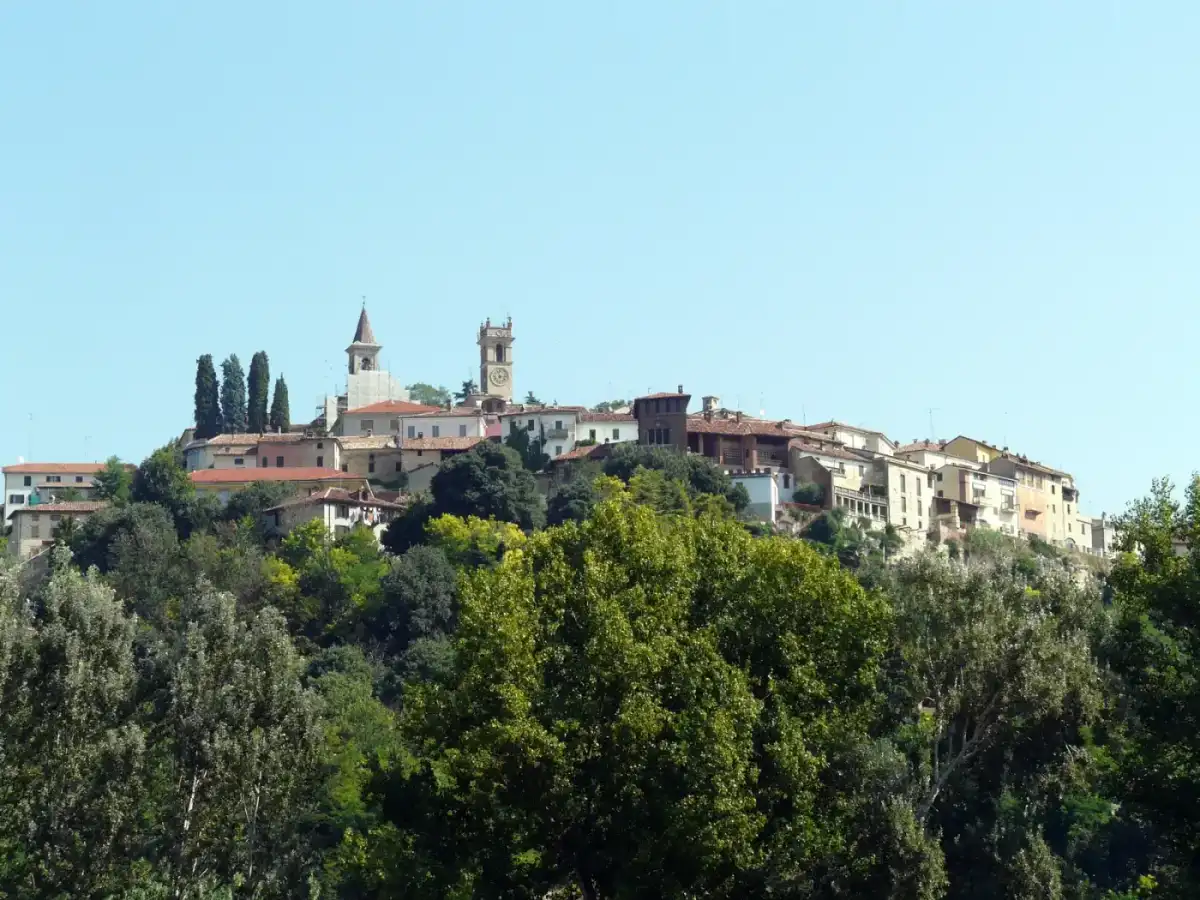
Black grape variety
Grignolino
Delicate and tannins recognizable: the Grignolino accompanies a journey between the hills of Asti and Monferrato Casalese.
Discover the grape variety →
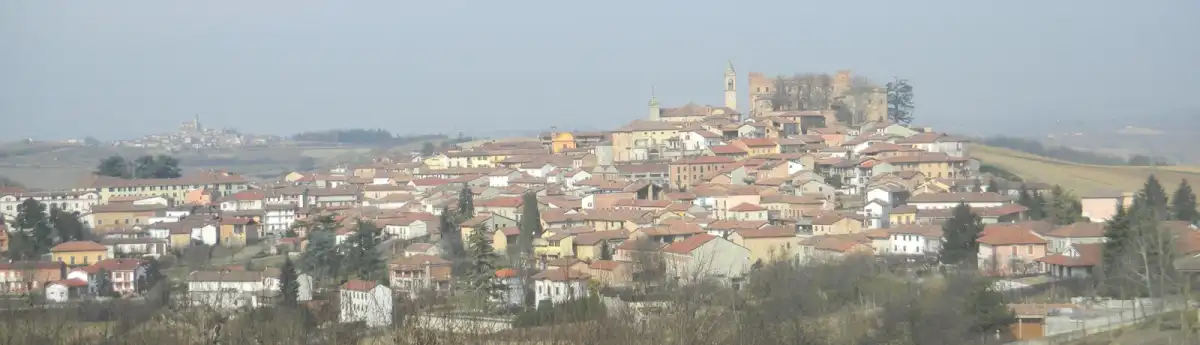
Black grape variety
Ruchè
Ruchè leads to the hills of Castagnole Monferrato, where a grape with recognizable scent binds seven municipalities and a history of rediscovery.
Discover the grape variety →
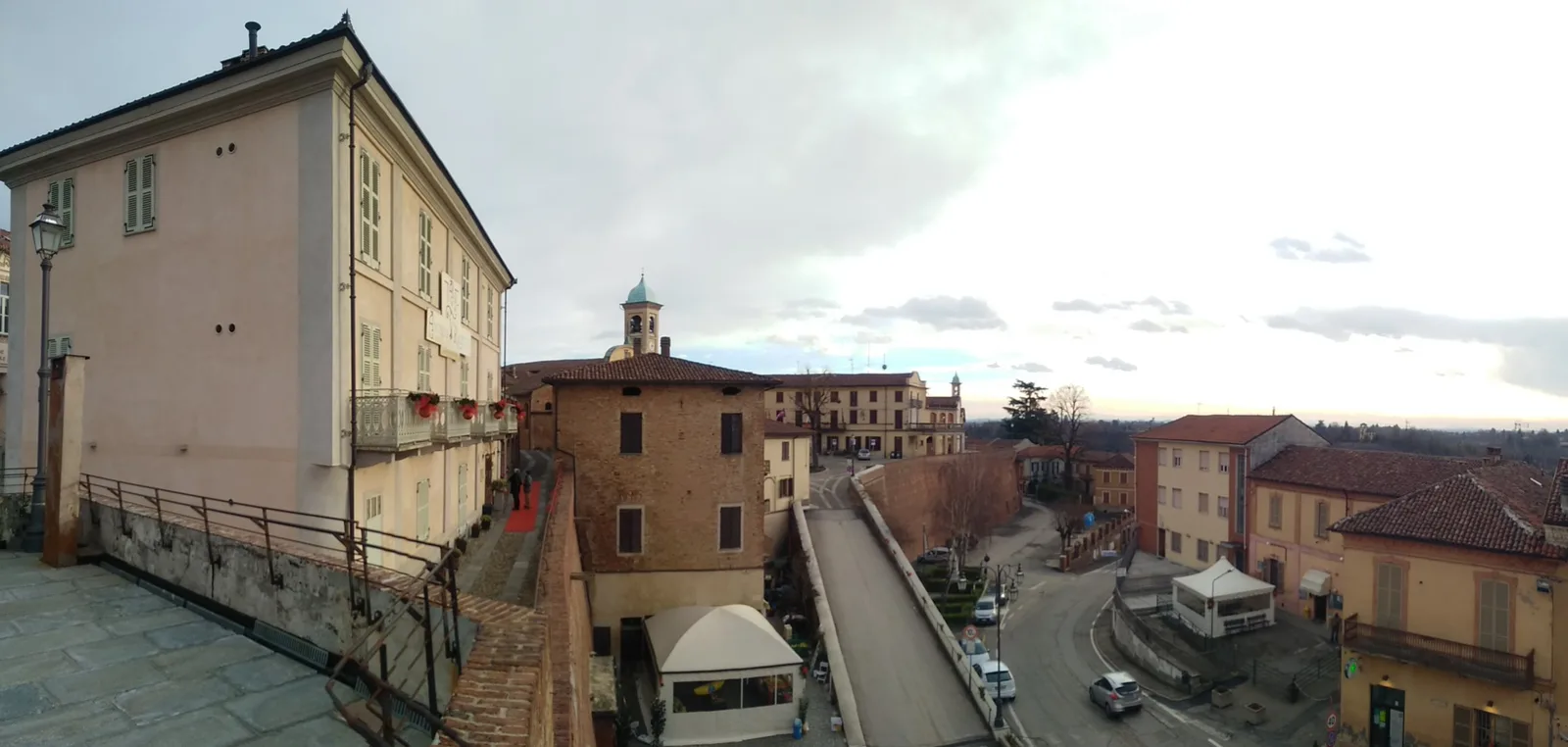
Black grape variety
Freisa
Fra Astigiano and Casalese, the Freisa tells a grape capable of giving bright reds and still wines, with tannins as a recognizable tract.
Discover the grape variety →
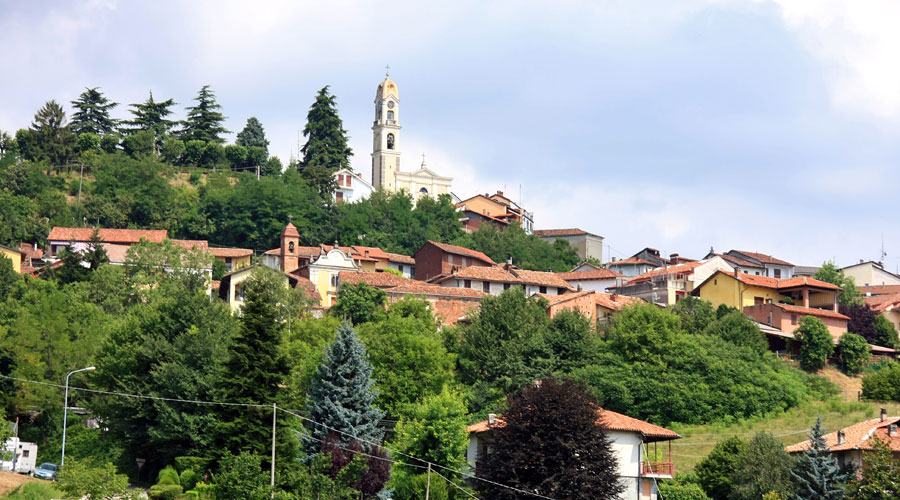
Black grape variety
Nebbiolo
The Nebbiolo opens a perspective on the hills of Albugnano and the Alfieri Lands, with an asian journey into the geography of a great Piedmont vine.
Discover the grape variety →
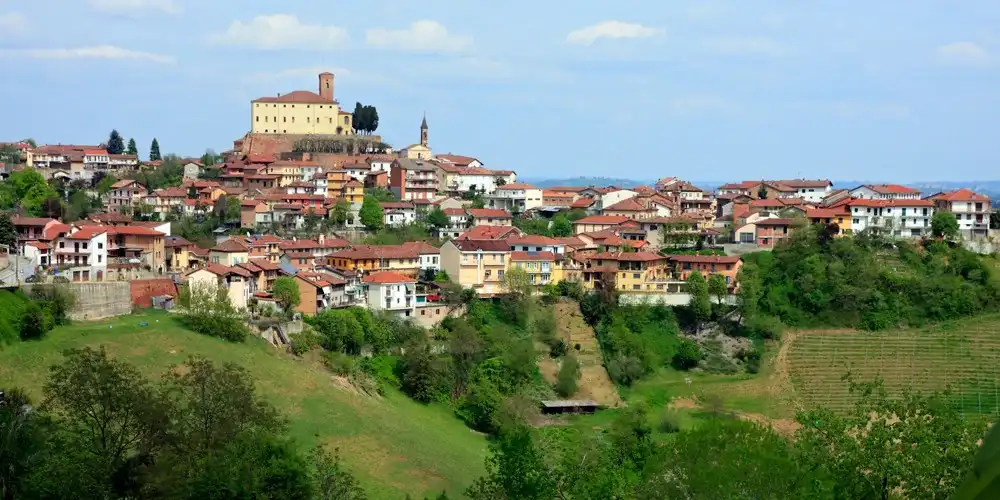
White grape variety
Arneis
The Arneis invites you to explore the Alfieri Lands and the western margin of Astigiano, connecting a Piedmontese white grape to its countries.
Discover the grape variety →
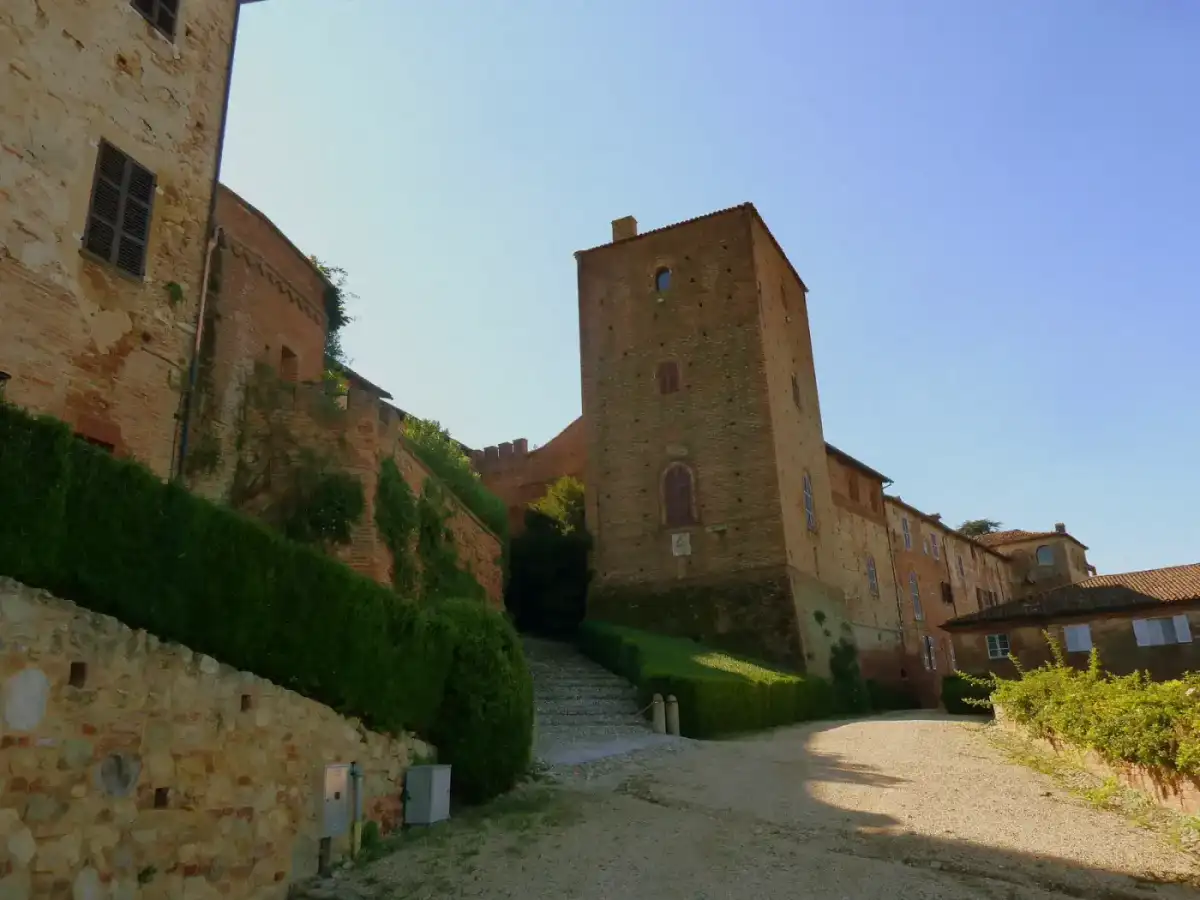
Black grape variety
Malvasia di Schierano
Malvasia di Schierano leads to the north of Astigiano, between Passerano Marmorito and Castelnuovo Don Bosco, along a tradition of aromatic reds.
Discover the grape variety →
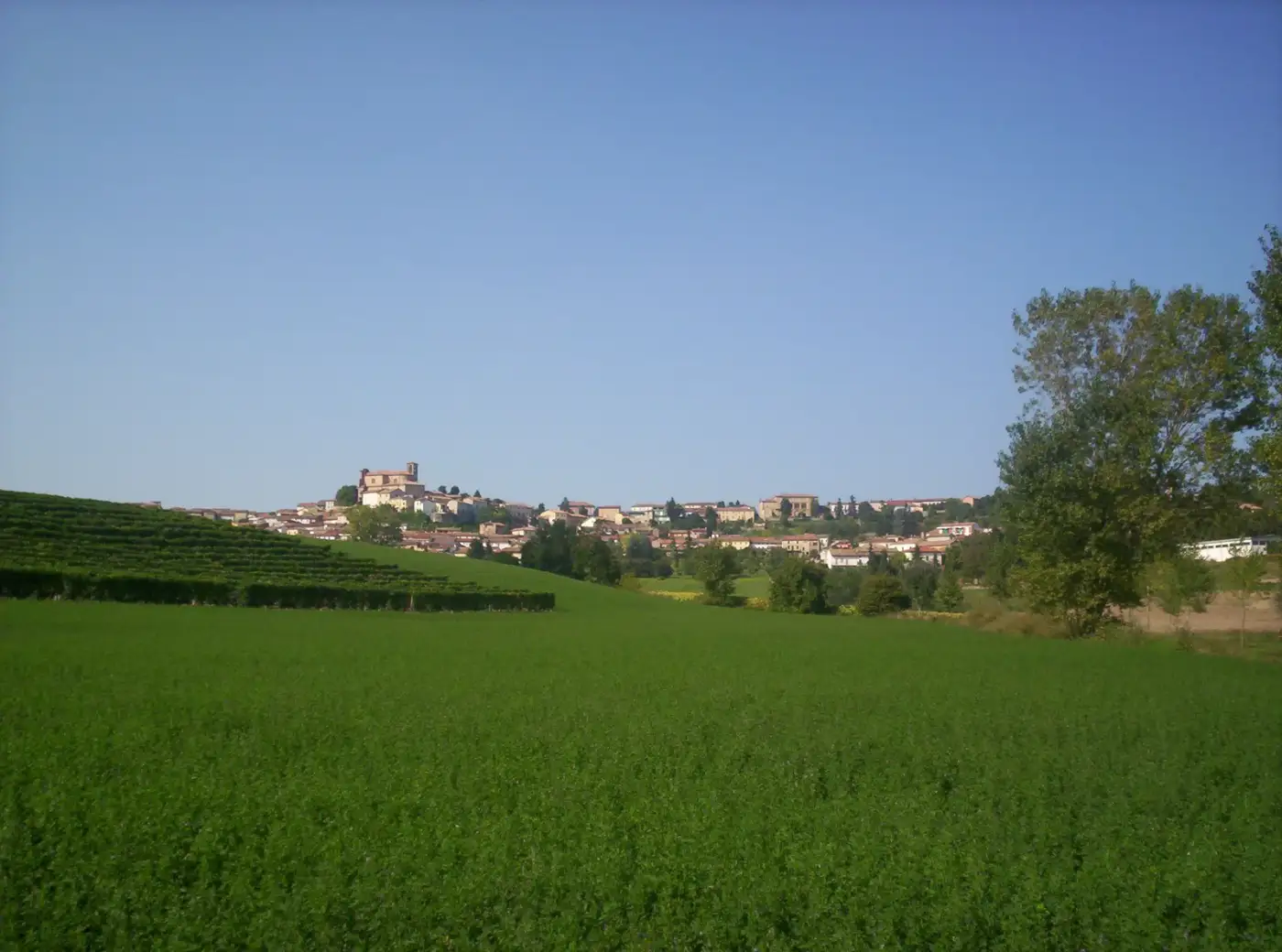
Black grape variety
Malvasia di Casorzo
The Malvasia di Casorzo connects seven municipalities between Astigiano and Alessandrino, with a black berry aromatic grape and a tradition of sweet wines.
Discover the grape variety →
The hills in your glass
Wines that tell the story of this region
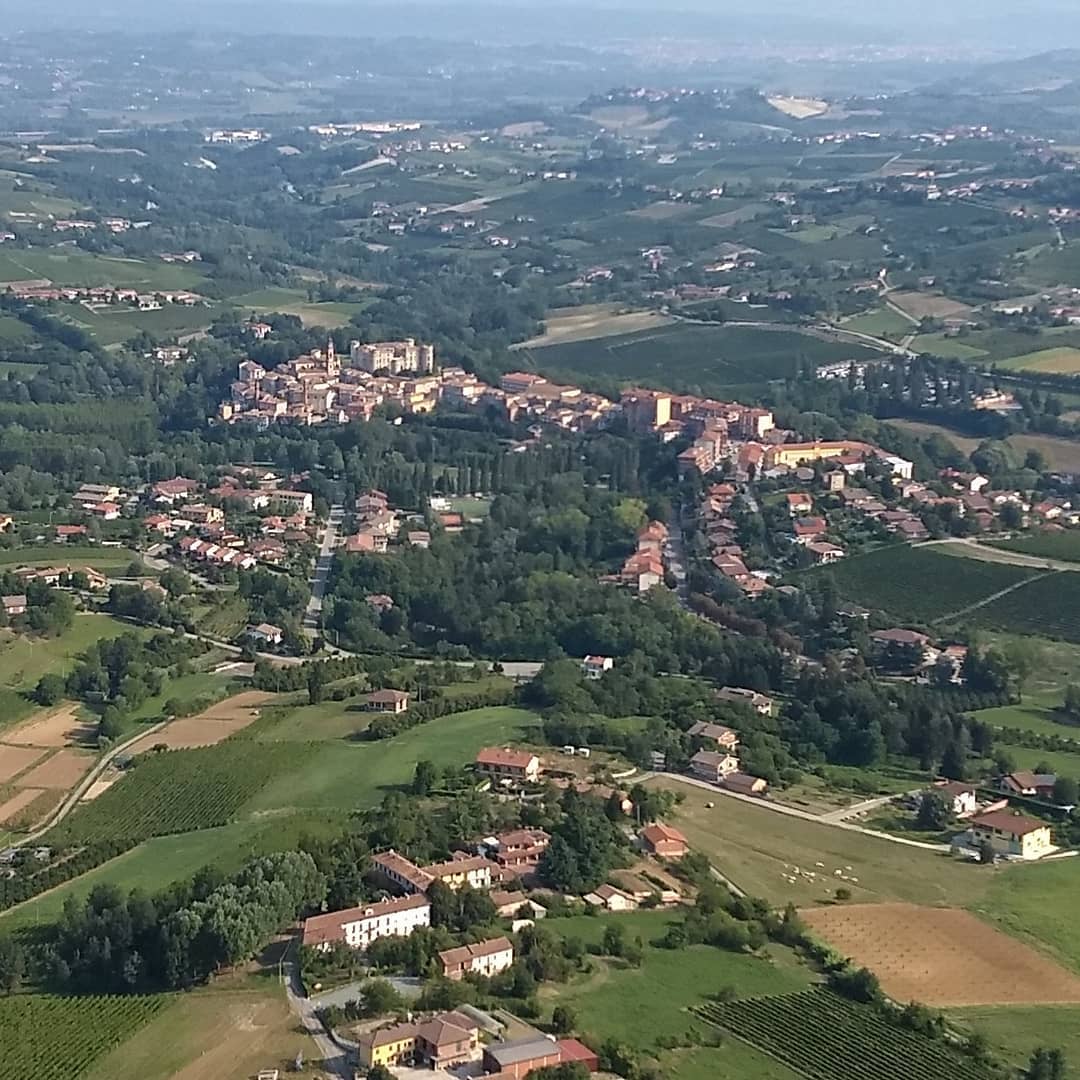
DOCG · Red
Barbera d’Asti DOCG
A Barbera to know through Asti, the villages and vineyards. A journey between freshness, maturation and Piedmontese table.
Discover the story of the wine →
DOCG · Red
Ruchè di Castagnole Monferrato DOCG
A red with floral and spicy scents, linked to seven municipalities of the Astigiano. Castagnole Monferrato opens the journey into the lands of Ruchè.
Discover the story of the wine →
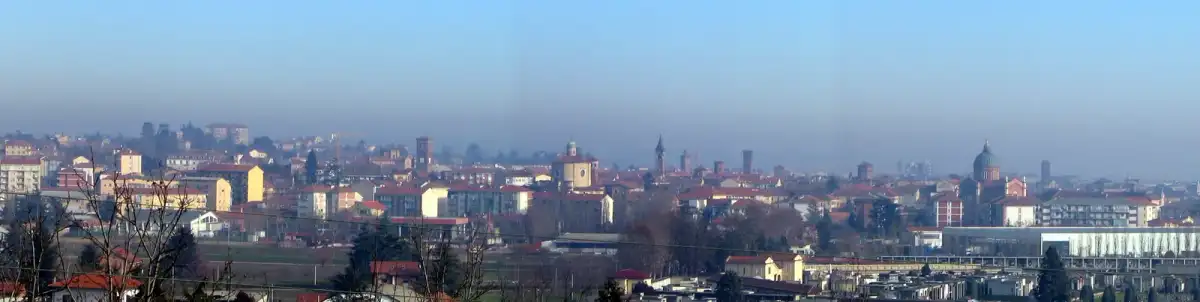
DOC · Red
Grignolino d’Asti DOC
A clear red and a strong character in the hills of Asygia. Delicate scents, tannins and countries tell the personality of Grignolino.
Discover the story of the wine →
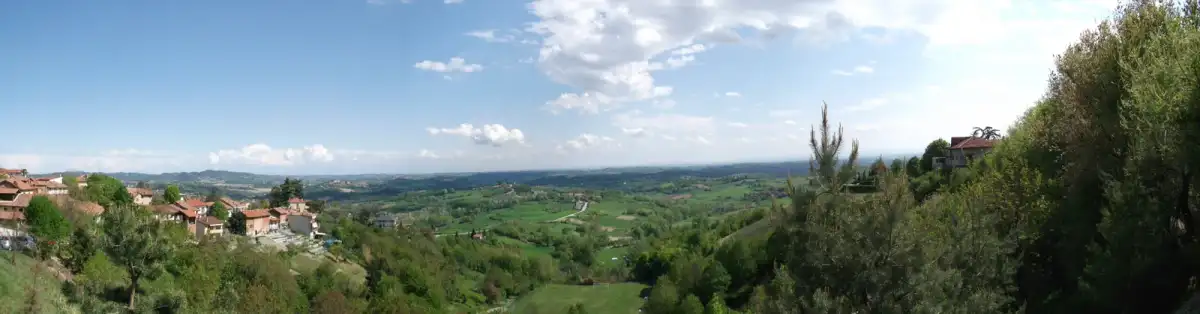
DOC · Red
Freisa d’Asti DOC
Pink, raspberry and tannins in the hills of Asti. The Freisa accompanies a route between the villages of northern Astigiano and peasant tradition.
Discover the story of the wine →
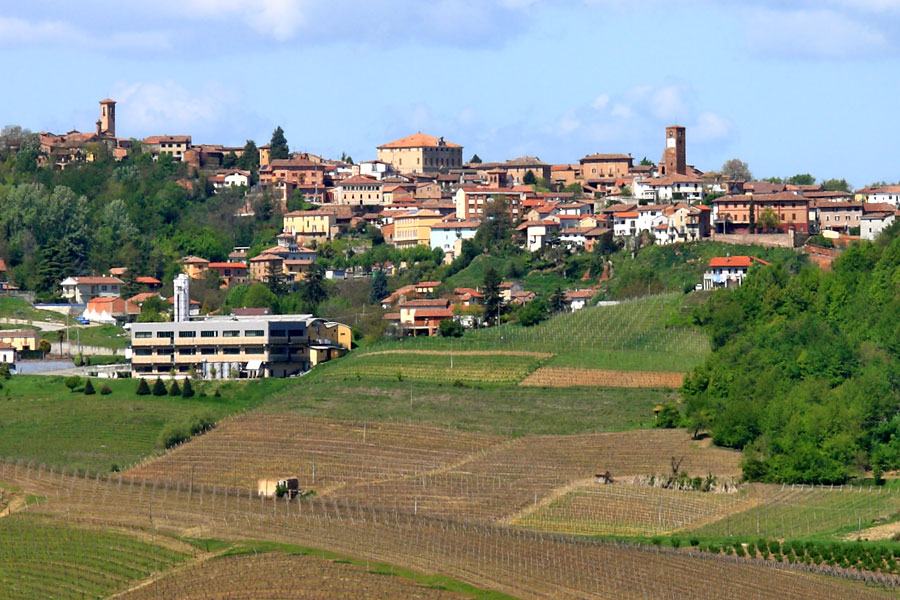
DOC · Red
Dolcetto d’Asti DOC
Dolcetto in the hills south of Asti. Fruit, final mandorlato and a convivial table accompany the journey between the villages.
Discover the story of the wine →
DOC · Red
Albugnano DOC
The Nebbiolo in four municipalities of the northwestern Astigiano. A journey between Albugnano, villages and landscape near the hills of Turin.
Discover the story of the wine →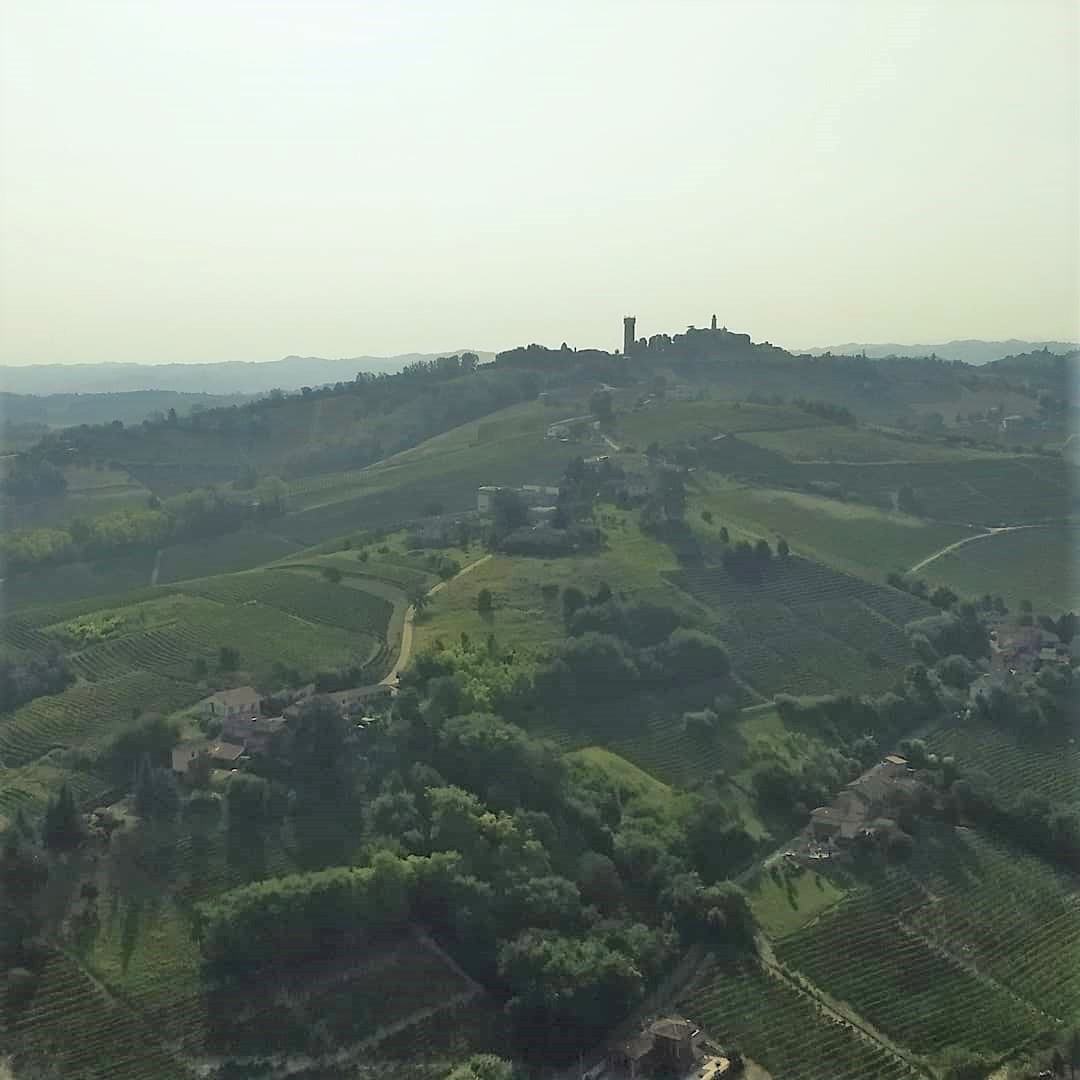
DOC · Red
Calosso DOC
A rare vine Calosso, Costigliole and Castagnole delle Lanze. The Gamba di Pernice opens a history of biodiversity in the hills of Asti.
Discover the story of the wine →
DOC · White, red and pink
Monferrato DOC
The Monferrato DOC tells a territory through a family of wines.
Discover the story of the wine →DOCG · White Arneis and Red Nebbiolo
Terre Alfieri DOCG
The Terre Alfieri DOCG brings together two voices of the hills: Arneis white and Nebbiolo red.
Discover the story of the wine →DOC · Red and sweet aromatic rosé, sparkling and passive
Malvasia di Casorzo DOC
Malvasia di Casorzo DOC brings in the glass an aromatic voice of the hills between Astigiano and Casalese.
Discover the story of the wine →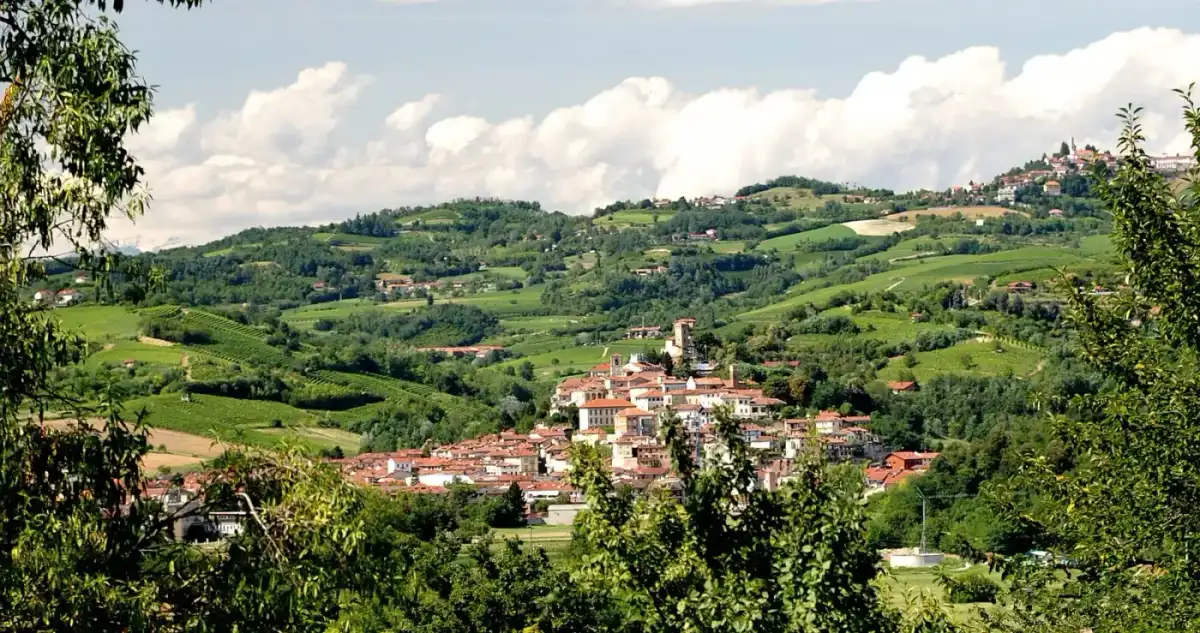
DOC · Sweet aromatic red, also sparkling wine
Malvasia di Castelnuovo Don Bosco DOC
The Malvasia di Castelnuovo Don Bosco DOC the story Monferrato northern through a sweet aromatic red.
Discover the story of the wine →
DOC · White, red, pink and sparkling wines
Piemonte DOC
The Piemonte DOC offers an entrance into the variety of wines in the region.
Discover the story of the wine →The region, village by village
Villages, stories and routes
Each country opens up other stories and collects itineraries to cross its hills.
Continue your journey
More regions to discover
Monferrato Casalese
Explore the landscapes of Grignolino and Barbera, from Casale to the villages of the infernot, with their pietra da cantoni stone and routes through the hills.
Explore the regionLe terre del Nizza
Nizza Monferrato, Vinchio, Vaglio Serra and the Barbera hills: discover the area through its villages, UNESCO-listed landscape and routes in the Val Sarmassa.
Explore the region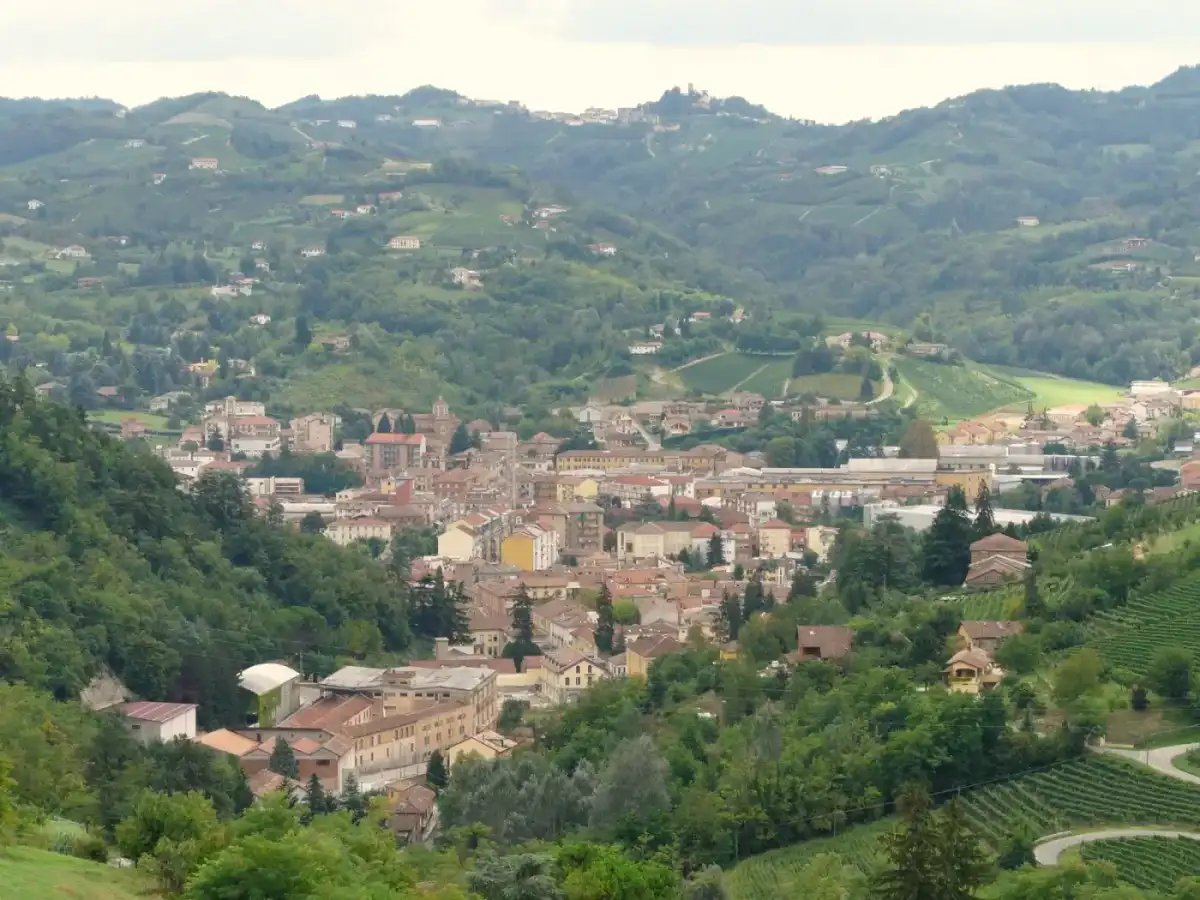
Canelli e le colline del Moscato
Canelli, Santo Stefano Belbo and the hills of Moscato bianco: a journey through wine country, the history of sparkling wine and the Cattedrali Sotterranee.
Explore the region