Wines of Monferrato and neighbouring regions
Piemonte DOC: a regional name, many wine routes
DOC · White, red, pink and sparkling wines
- 01Region
- 02Grape variety
- 03Wine
- 04Winery
From the region to the glass
Piemonte DOC, a wine to discover
The Piemonte DOC offers an entrance into the variety of wines in the region. White, red, pink and sparkling wines share a wide geographical name, while typology and vine help to distinguish individual bottles. In the Monferrato this name meets next to the most circumscribed names of the hills and municipalities.
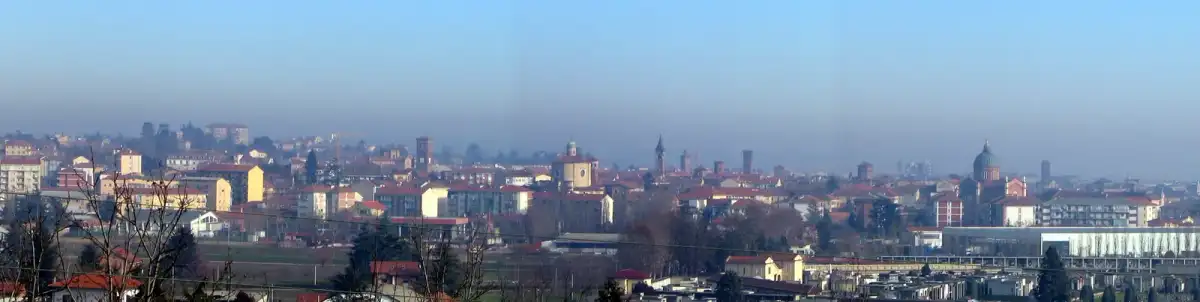
You can follow her from Asti to the Casale Monferrato, up to Acqui Terme and Canelli. The journey invites you to ask where the grapes of each wine come from. The regional reference is the starting point; the visit to the company gives it a precise location in the landscape.
A denomination in several provinces
The area of Piemonte DOC includes territories bordered in the provinces of Alessandria, Asti, Cuneo, Turin, Novara, Vercelli and Biella. The area is wide, but defined by the disciplinary: the name of the region does not automatically assign the denomination to every Piedmontese vineyard. The different types also have their own rules, to be read together with the origin declared by the manufacturer.
The Monferrato allows you to explore a significant part of this plurality. The Casalese leads to villages and villages infernot; lAstigiano opens other dorsals; theAcquese binds the spa town to the countryside. These paths give a concrete territorial form to a label that, alone, includes a much larger horizon.
A picture for the Piedmontese variety
DOC Piemonte is recognized in 1994. Its function is to give a common reference to many productions, with a space for different varieties and types. The regional name thus cohabits with denominations that tell smaller origins. This understanding is useful to know how companies organize their own production and present different wines.
A cellar can offer a Piemonte DOC next to bottles of other denominations. Reading the labels together and listening to the origin of the grapes makes visible the difference in geographical scale. The comparison acquires sense when it passes from the names to the vineyards: what plots are used, which variety is cultivated and what interpretation you want to obtain for each wine.
Vineyards and types to read together
The name Piemonte can be accompanied by the specification of the vine or type. In the catalog of the territory, Barbera, Cortese, Grignolino, Freisa and Dolcetto allow to follow some of the varieties present in the name. Each specification directs the tasting and recalls the rules applicable to that particular production.
The sparkling versions open another path, in which the processing of bubbles is added to the choice of grapes. To orientate, start from the full name on the label and deepen with the manufacturer the place of cultivation. The amplitude of the DOC makes it not useful to look for a single regional taste: each bottle is known through grape, origin and form of processing.
The presence of aromatic varieties such as Moscato bianco and Brachetto adds a distinct path to non-aromatic grapes. A tasting built on this difference makes the family more legible Piemonte DOC: first we recognize the varietal matter, then we see the contribution of processing. The story can continue through the other names of the same company, always keeping visible the full name of each wine.
Build a journey through the bottles
A day between Asti and Nizza Monferrato can start from the historical centers and continue in the countryside. In the cellar, compare a Piemonte DOC with a more defined name produced by the same company. It is a direct way to understand the relationship between regional scale, local history and wine choices, keeping as reference the places crossed.
To continue, the Monferrato DOC opens another family of types; theAsti DOCG follows the aromatic heritage; Gavi DOCG concentrates the story on the Cortese of a defined area. The Piemonte DOC can accompany this itinerary as a cross-sectional thread: from a broad name you reach the individual vineyards, to the people and stories of the bottles.
Wine begins with the grape
Grape varieties in the story of Piemonte DOC

Black grape variety
Barbera
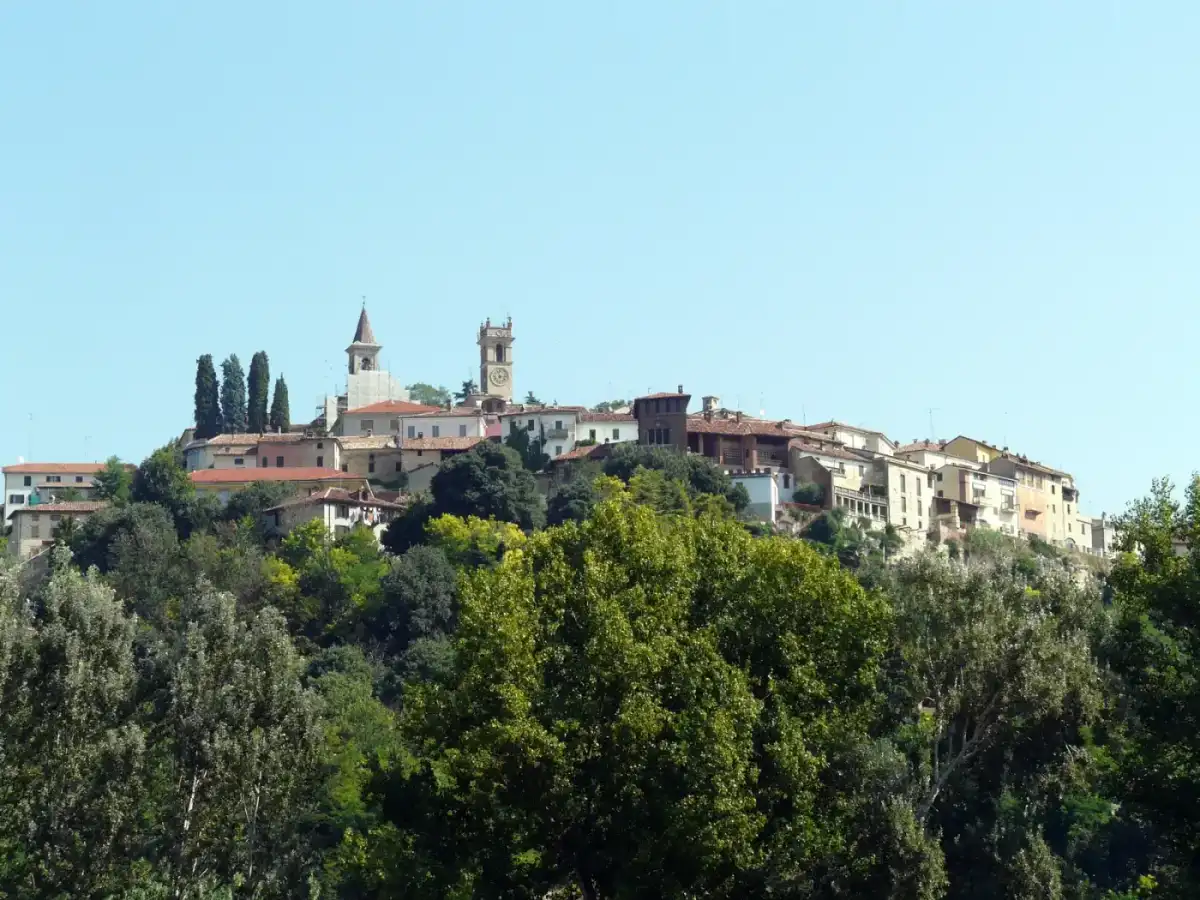
From the lands of Nice to Casalese, Barbera tells a central part of Monferrato: a grape of freshness, colour and many interpretations.
Discover the grape variety →
Black grape variety
Grignolino
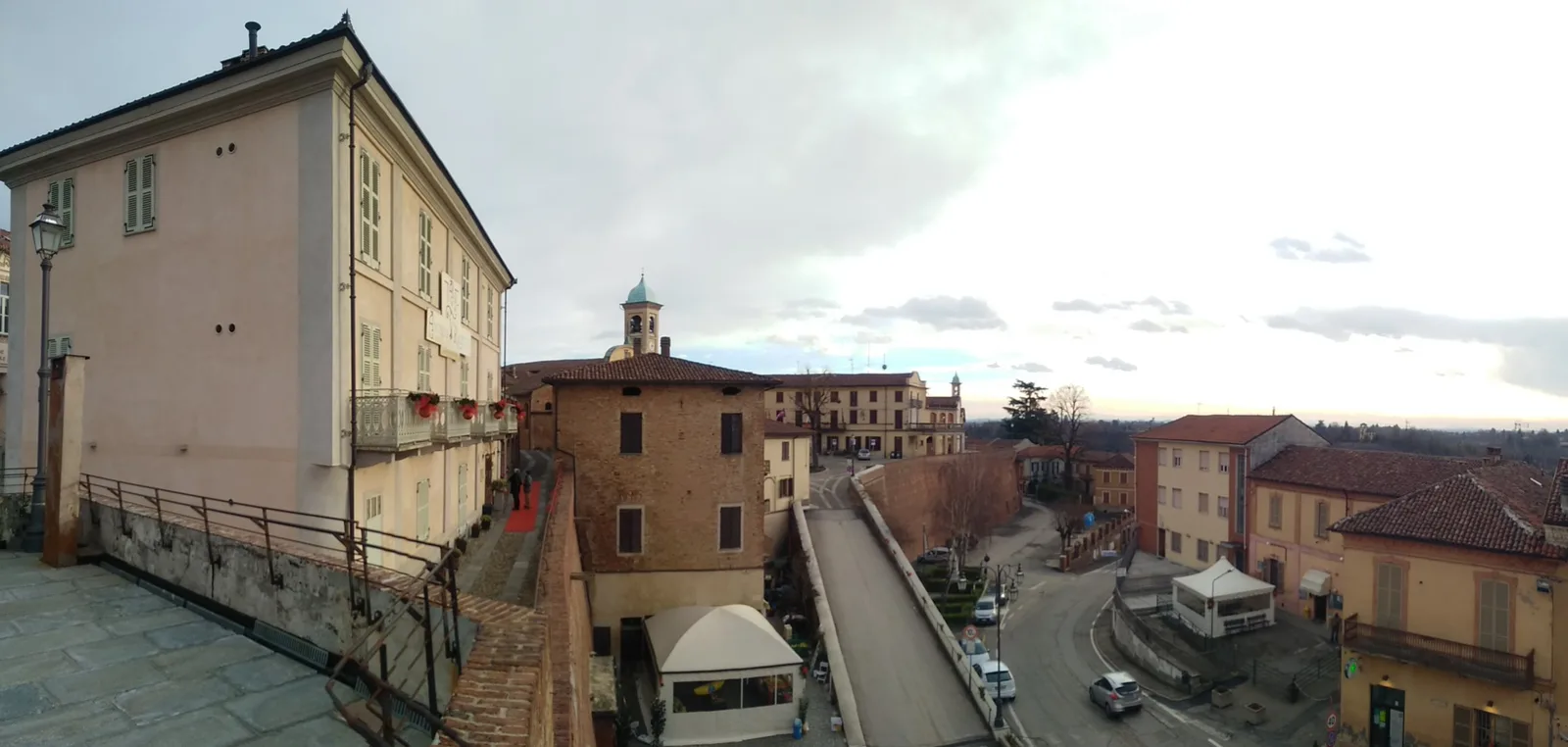
Delicate and tannins recognizable: the Grignolino accompanies a journey between the hills of Asti and Monferrato Casalese.
Discover the grape variety →
Black grape variety
Freisa
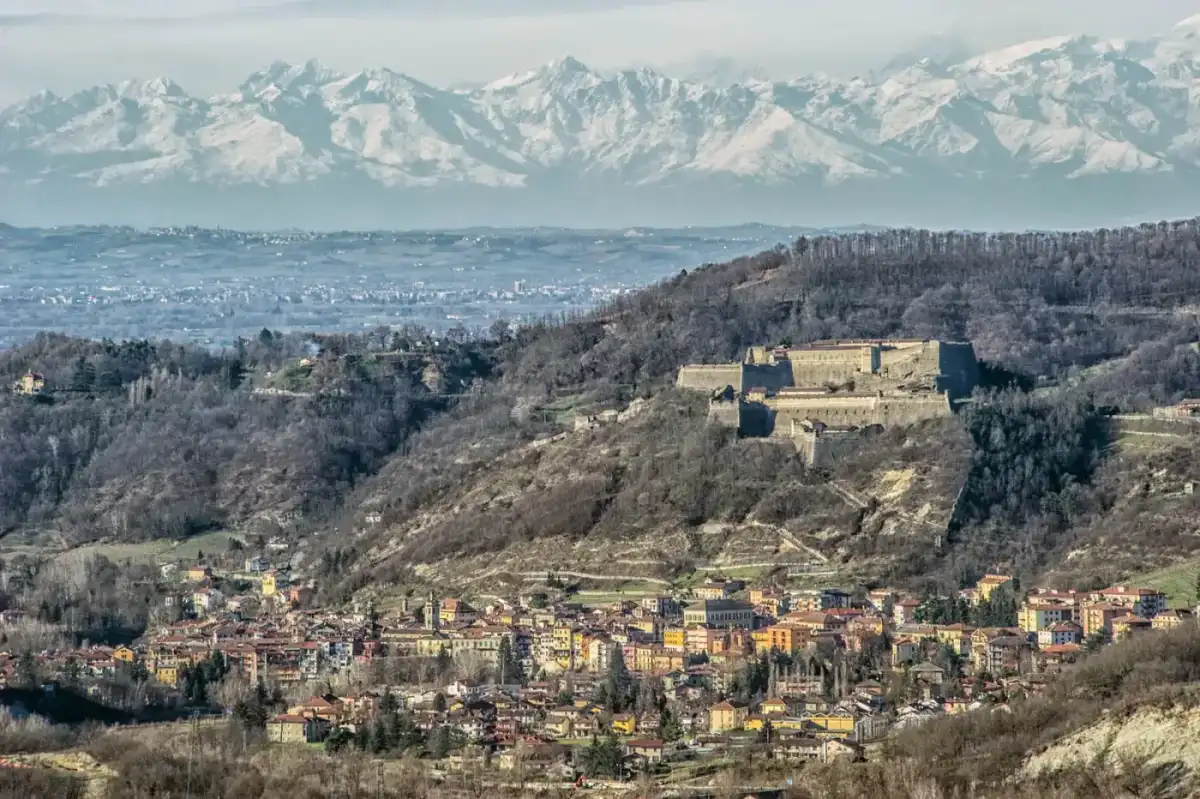
Fra Astigiano and Casalese, the Freisa tells a grape capable of giving bright reds and still wines, with tannins as a recognizable tract.
Discover the grape variety →
White grape variety
Cortese
The Cortese takes the trip to the whites of Gavi and Alto Monferrato, following hills, villages and interpretations of a Piedmontese grape.
Discover the grape variety →
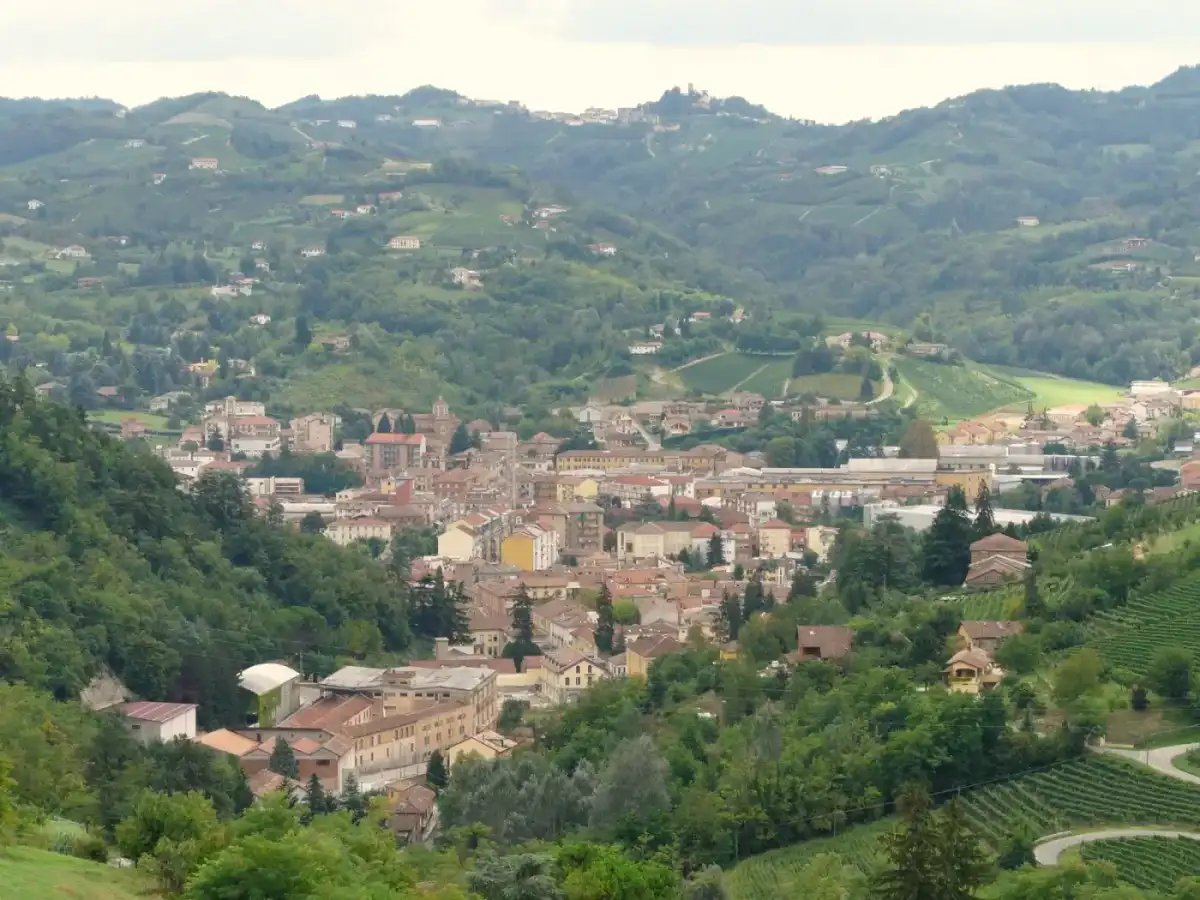
White grape variety
Moscato bianco
An aromatic grape to be known between Canelli, the hills of Moscato and Acquese, before meeting sparkling wines, sweet and passive wines.
Discover the grape variety →
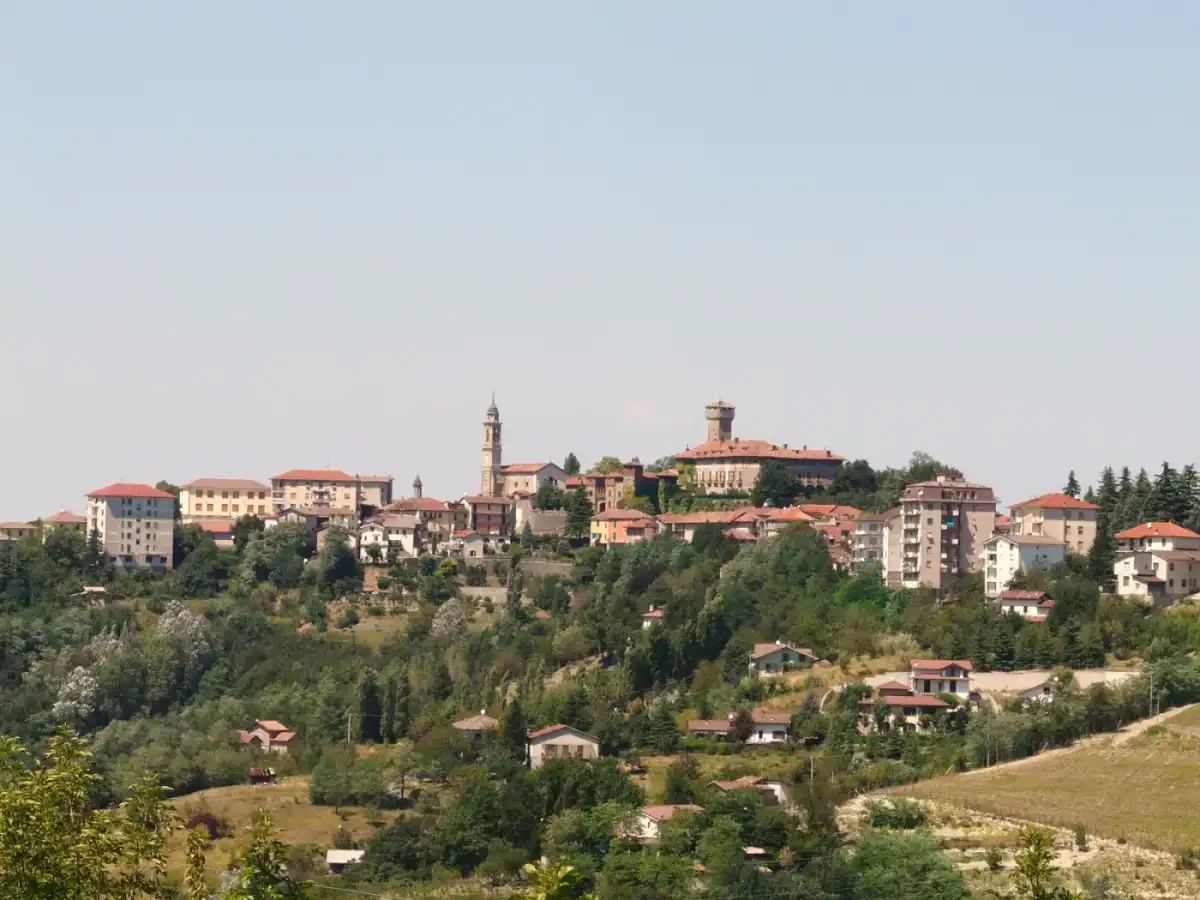
Black grape variety
Dolcetto
The Dolcetto accompanies the journey in Ovadese and in Acquese: a dark grapes, early ripening and long-sighted interpretations.
Discover the grape variety →
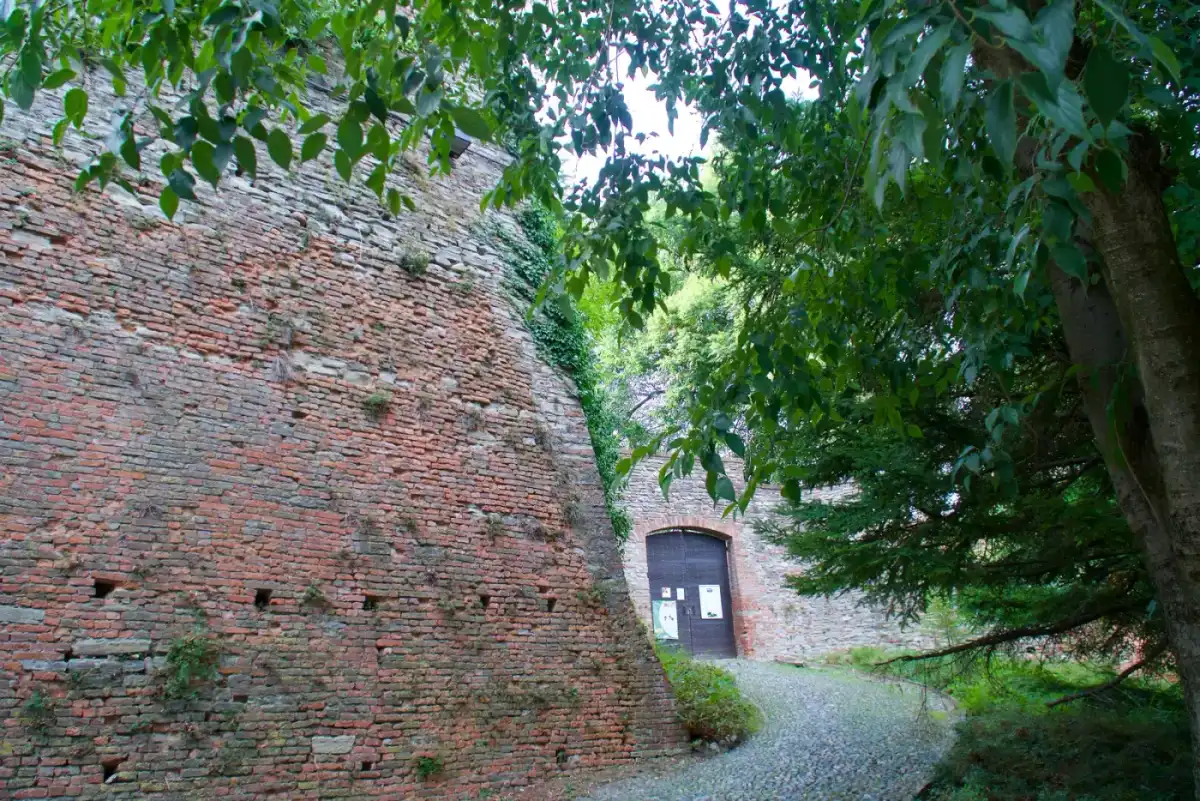
Black grape variety
Brachetto
The Brachetto door in the hills Belbo and Bormida: a dark and aromatic grape to be followed in Acquese and towards Canelli.
Discover the grape variety →
The hills before the glass
Regions to explore
Monferrato Casalese
Explore the landscapes of Grignolino and Barbera, from Casale to the villages of the infernot, with their pietra da cantoni stone and routes through the hills.
Explore the region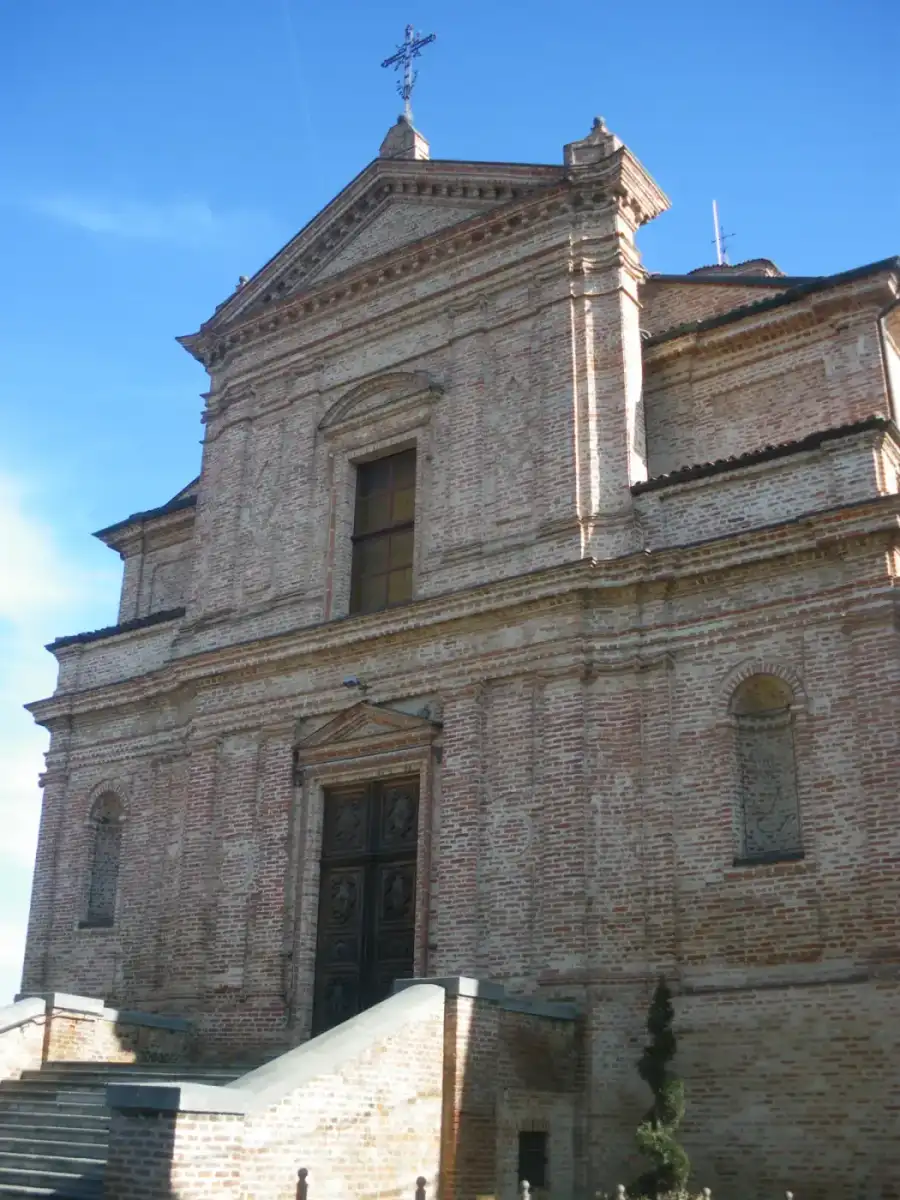
Monferrato Astigiano
Explore the hills around Asti, from the Ruchè area to Albugnano and the Terre Alfieri, discovering villages, vineyards and routes that introduce the region’s different grapes and wines.
Explore the region
Acquese
From Acqui Terme to Strevi and Ricaldone, among hills, woods and villages: discover the Brachetto and Dolcetto wine country and the routes of the Acquese.
Explore the regionA village begins the journey
Villages, stories and routes
Follow the villages connected to the story and continue among their stories and itineraries of the hills.
Add a stop to your journey
More wines to discover
DOC · White, red and pink
Monferrato DOC
The Monferrato DOC tells a territory through a family of wines.
Discover the story of the wine →
DOCG · Spumante, Moscato d'Asti e Asti Rosé
Asti DOCG
The Asti DOCG brings together a great history of Piedmont of aromatic wine.
Discover the story of the wine →
DOCG · White from Cortese, also sparkling and sparkling
Gavi DOCG
The Gavi DOCG was born entirely from Cortese, on the hills of Alexandria looking towards the Apennines and Liguria.
Discover the story of the wine →