Wines of Monferrato and neighbouring regions
Monferrato DOC: many grapes, a landscape to be crossed
DOC · White, red and pink
- 01Region
- 02Grape variety
- 03Wine
- 04Winery
From the region to the glass
Monferrato DOC, a wine to discover
The Monferrato DOC tells a territory through a family of wines. White, red and rosé share the name of the hills, while grapes and wine choices open different paths. It is a name suitable for those who want to know the variety of Monferrato, passing from a bottle to the place where it was born.
From Casale Monferrato ad a Asti, the journey crosses villages, vineyards, fields and farms. The DOC offers a thread to read this together: it invites you to look for the origin of the grapes and to distinguish the different interpretations of wine, without reducing such a wide region to only one grape.
Two provinces, many hills
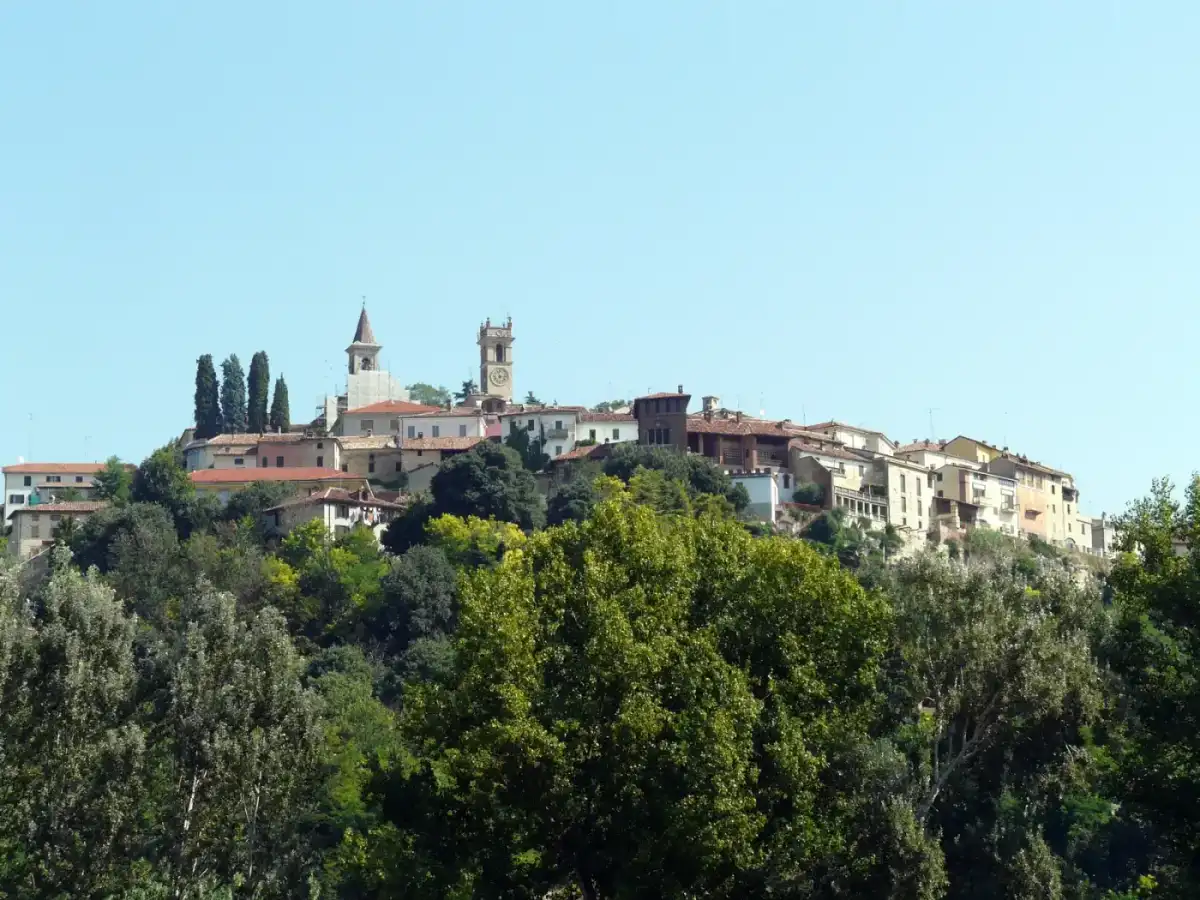
The DOC area embraces the provinces of Asti and Alessandria. The geographical breadth is reflected in the differences of landscape: in Monferrato Casalese the villages and the stone from cantons accompany the visit; Monferrato Astigiano other dorsals and other reference centers meet. Follow the name Monferrato is therefore moving between different agricultural environments.
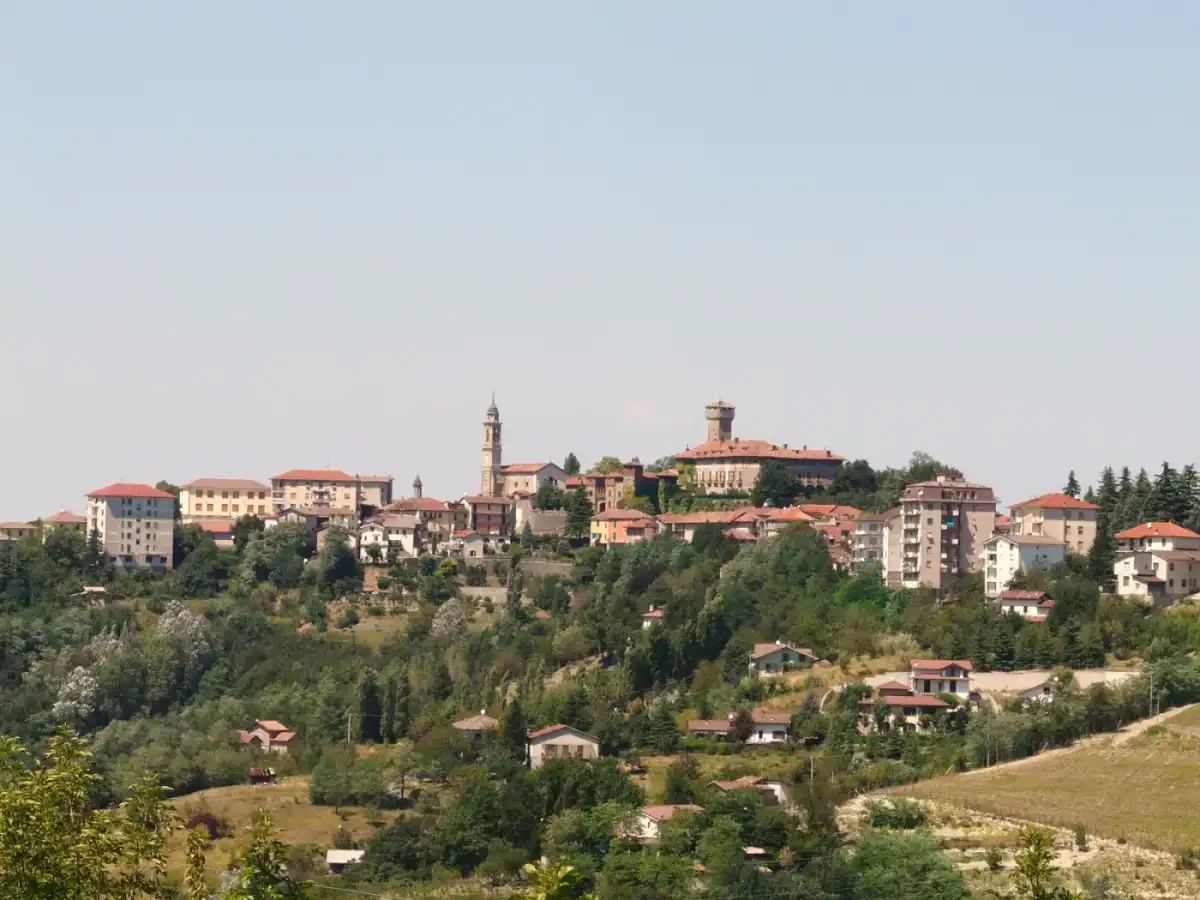
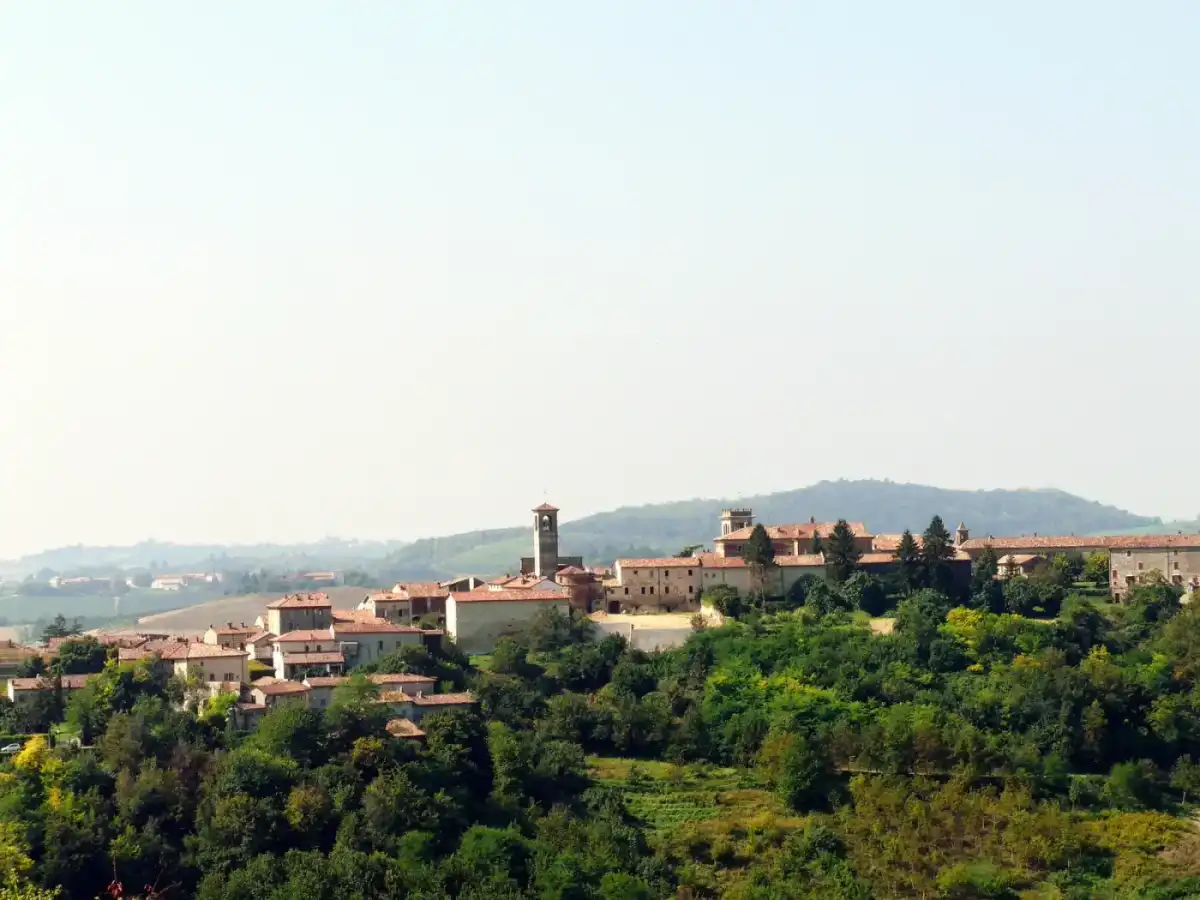
A view observed by Vignale shows the relationship between housing and countryside. The vineyards alternate with other crops, while the roads connect the nuclei on the heights. In this geography, the location of the vineyard helps to understand the bottle much more than an indistinct image of hills.
A DOC open to interpretations
Recognized in 1994, the name gave way to both Piedmont varieties and their meeting with international vines. The assembly is one of its possibilities: a choice that allows producers to build their own profile within the common rules. The history of DOC is also part of the contemporary research of companies.
For the visitor this opening is interesting because it makes visible the work of cellar. Two Red Monferrato can start from different combinations; knowing the grapes used gives a precise meaning to comparison. The tradition of the hills continues through concrete decisions on the vineyard, the harvest and the composition of wine.
Read the types in the glass
Red and White versions allow one or more non-aromatic vines of the respective color. Next to these types there are types such as Chiaretto, Freisa, Dolcetto, Nebbiolo and Casalese Cortese. The specification is therefore an essential part of the name: it directs the tasting and connects the wine to a more defined ampelographic base.
The pages of the Barbera, Freisa and Cortese allow to deepen three different threads. In the company you can compare an assembly with a bottle bearing the name of the vine. Search for the relationship between freshness, structure and maturation: this is where the productive choice becomes experience of taste.
The specification Nebbiolo requires at least 90% of that variety; for Freisa, Dolcetto and Casalese Cortese the minimum quota of the indicated vine is 85%. The differences help to formulate targeted questions during the tasting: which space has the main grape, what adds the possible complement, how the wine changes compared to an assembly. The full name of the bottle thus becomes a key to know the production, beyond the shared geographical reference.
From the village to the cellar
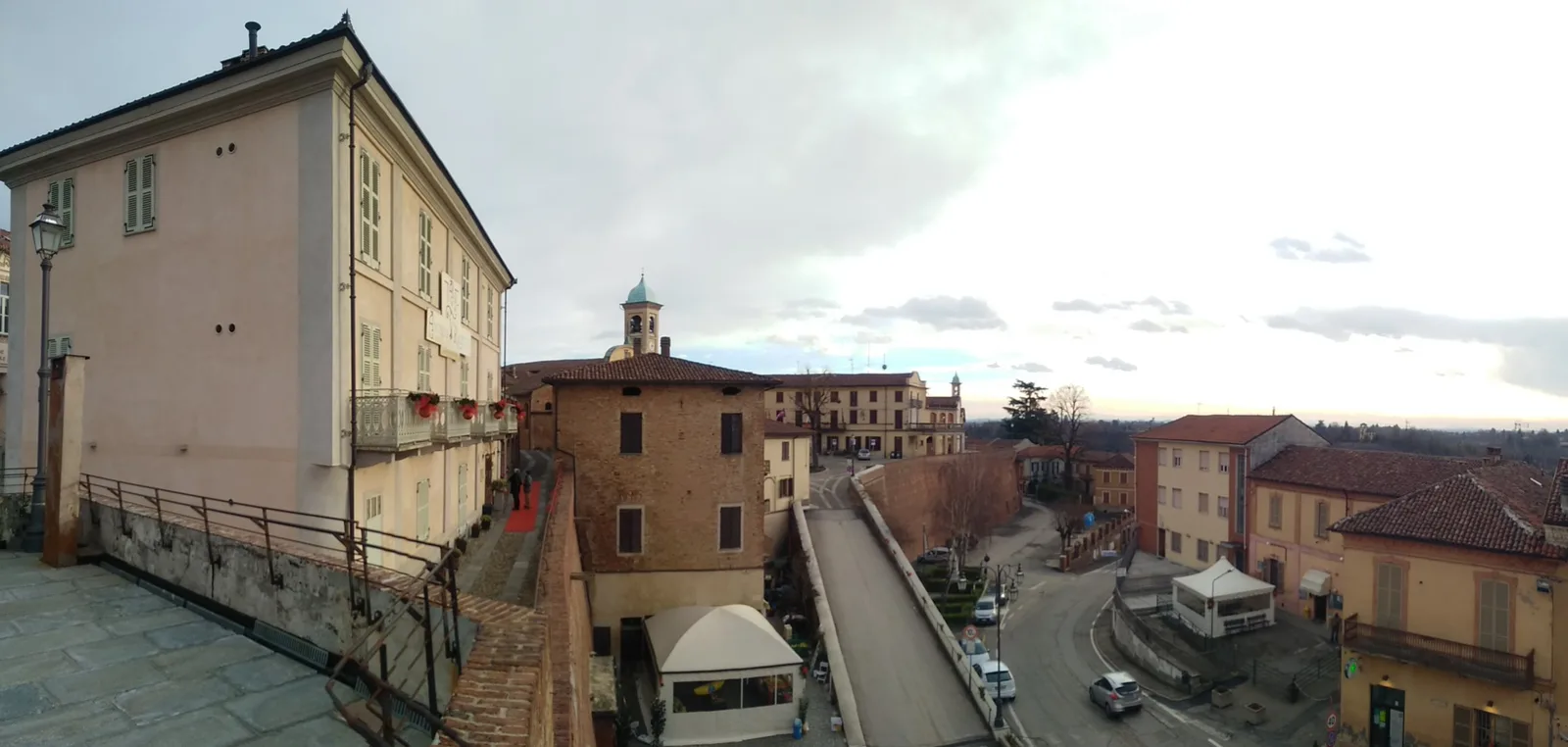
A day in Casalese can join Casale, Cella Monte and Vignale. The meeting with the infernot introduces the domestic preservation of wine and the relationship between stone and houses. The visit to the cellar adds the agricultural present to this heritage, bringing attention to the slopes and people who work them.
To continue, compare the DOC with the Barbera del Monferrato and the Grignolino del Monferrato Casalese. They are denominations with more circumscribed characters, useful to focus the plurality encountered during the journey. Bringing the name of the countries visited finally turns the label into a small personal map.
Wine begins with the grape
Grape varieties in the story of Monferrato DOC

Black grape variety
Barbera
From the lands of Nice to Casalese, Barbera tells a central part of Monferrato: a grape of freshness, colour and many interpretations.
Discover the grape variety →
Black grape variety
Freisa
Fra Astigiano and Casalese, the Freisa tells a grape capable of giving bright reds and still wines, with tannins as a recognizable tract.
Discover the grape variety →
White grape variety
Cortese
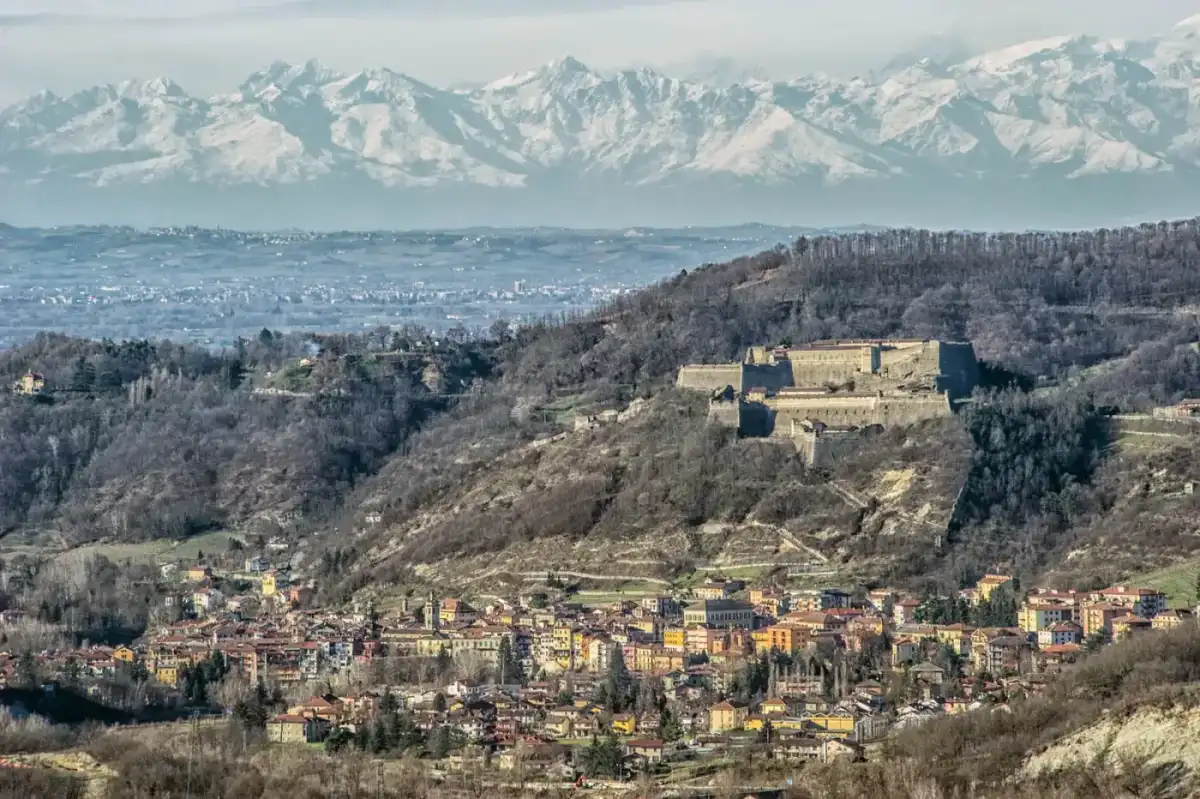
The Cortese takes the trip to the whites of Gavi and Alto Monferrato, following hills, villages and interpretations of a Piedmontese grape.
Discover the grape variety →
Black grape variety
Dolcetto
The Dolcetto accompanies the journey in Ovadese and in Acquese: a dark grapes, early ripening and long-sighted interpretations.
Discover the grape variety →
Black grape variety
Nebbiolo
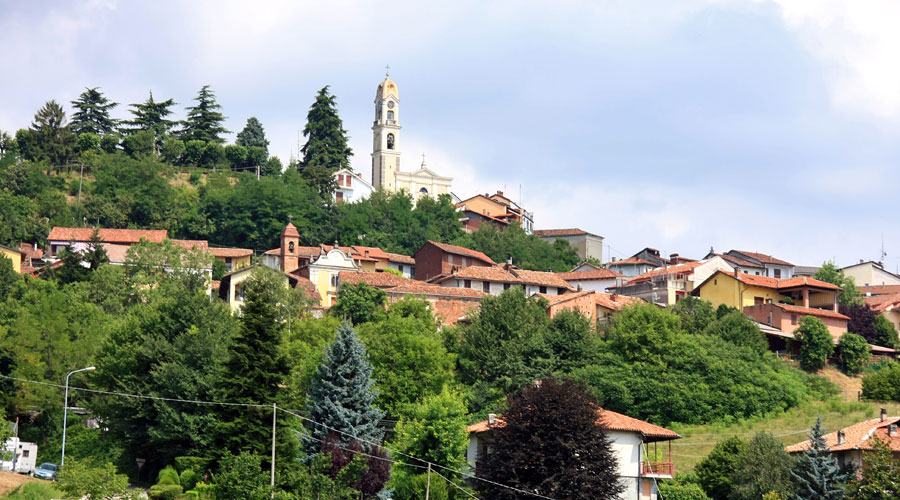
The Nebbiolo opens a perspective on the hills of Albugnano and the Alfieri Lands, with an asian journey into the geography of a great Piedmont vine.
Discover the grape variety →
The hills before the glass
Regions to explore
Monferrato Casalese
Explore the landscapes of Grignolino and Barbera, from Casale to the villages of the infernot, with their pietra da cantoni stone and routes through the hills.
Explore the region
Monferrato Astigiano
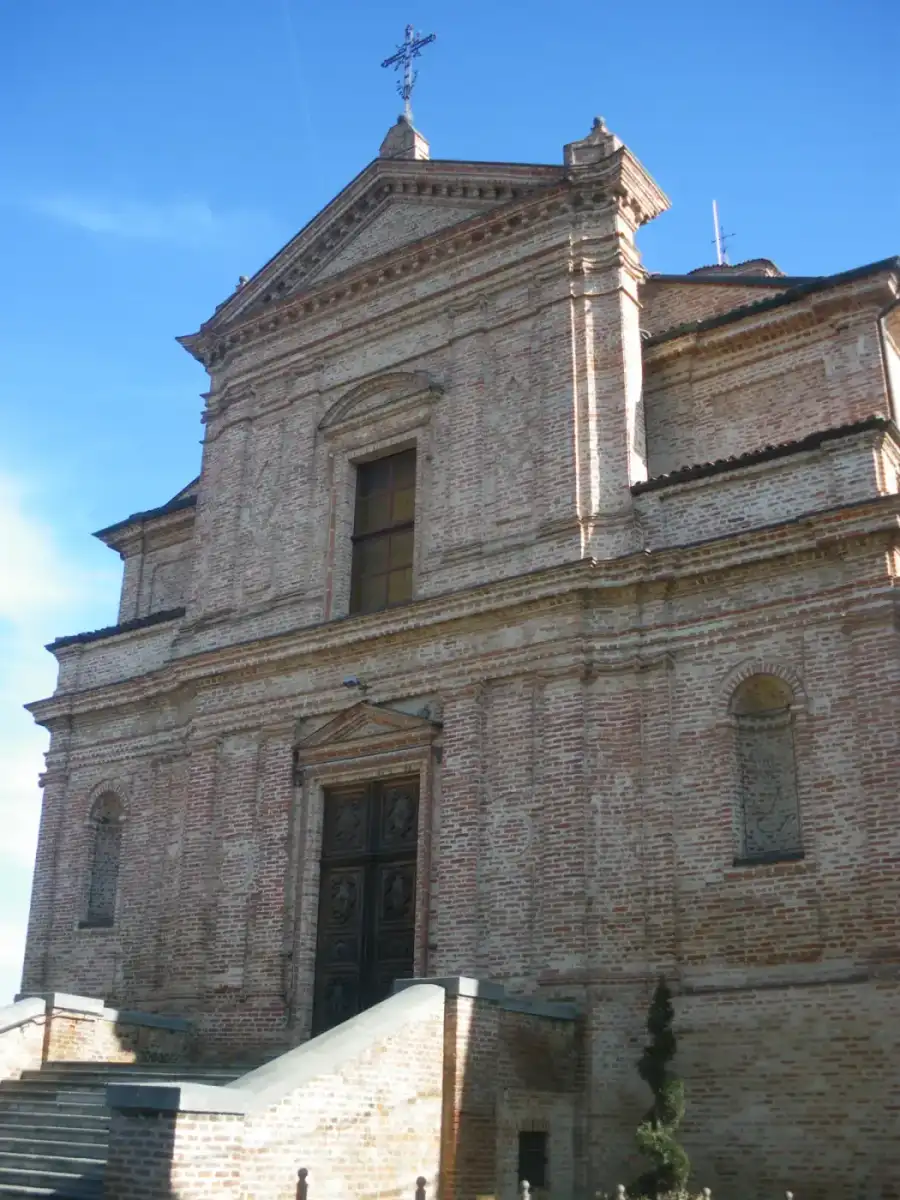
Explore the hills around Asti, from the Ruchè area to Albugnano and the Terre Alfieri, discovering villages, vineyards and routes that introduce the region’s different grapes and wines.
Explore the region
A village begins the journey
Villages, stories and routes
Follow the villages connected to the story and continue among their stories and itineraries of the hills.
Add a stop to your journey
More wines to discover
DOC · Red
Barbera del Monferrato DOC
A red that crosses villages and hills of Monferrato. Barbera meets the culture of wineries and a table of daily flavors.
Discover the story of the wine →
DOC · Red
Grignolino del Monferrato Casalese DOC
The Grignolino between stone villages and infernot. A red to know by following the landscape of Monferrato Casalese.
Discover the story of the wine →