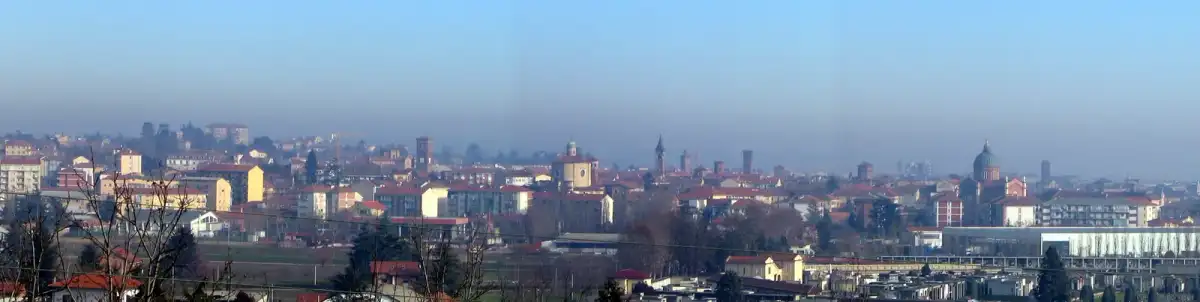
- Elevation
- 123 m above sea level
- Area
- 151.31 km²
- Demonym
- asthesis, astigiani
- Patron saint
- San Second
A closer look
Discovering Asti
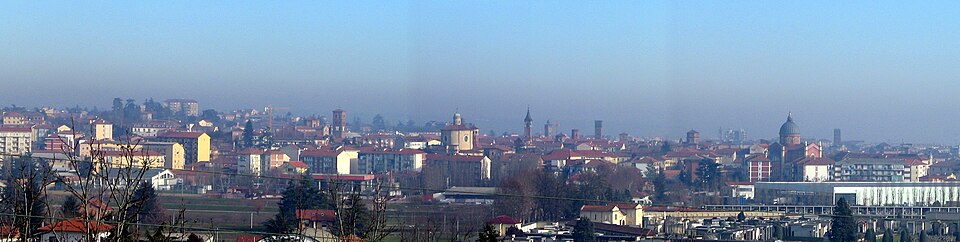
Asti (Listenⓘ, ♪ in Piedmont and in the dialect of Astigiano) is an Italian municipality of 73 681 inhabitants[2], capital ofprovince of the same name Piedmontese today commonly defined Astigiano and main center of the historical regionAstesana[5]. ♪ Roman, known by the name Hasta, was the seat of the duchy of Asti, Lombard duchy of Neustria. A free municipality in the Middle Ages, with the right to "mint money", it was one of the most important commercial centers between the 12th and 13th centuries, when its merchants developed trade and credit throughout Europe.
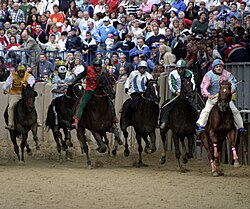
It is known for its wines, in particular the sparkling Asti and the famous Barbera d'Asti: every year, in September, one of the most important wine contests in Italy, called the Douja d'Or (in Piedmontese the "golden buccale"). Celebrating is also his Historical Palio, one of the oldest events in Italy, which takes place in September and culminates with a horse race mounted "bareback" (without a saddle).
Landscape and area
Region · ClimateExplore this chapter
Region
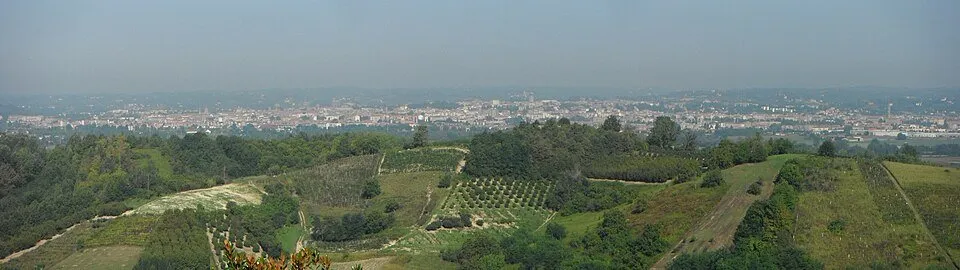
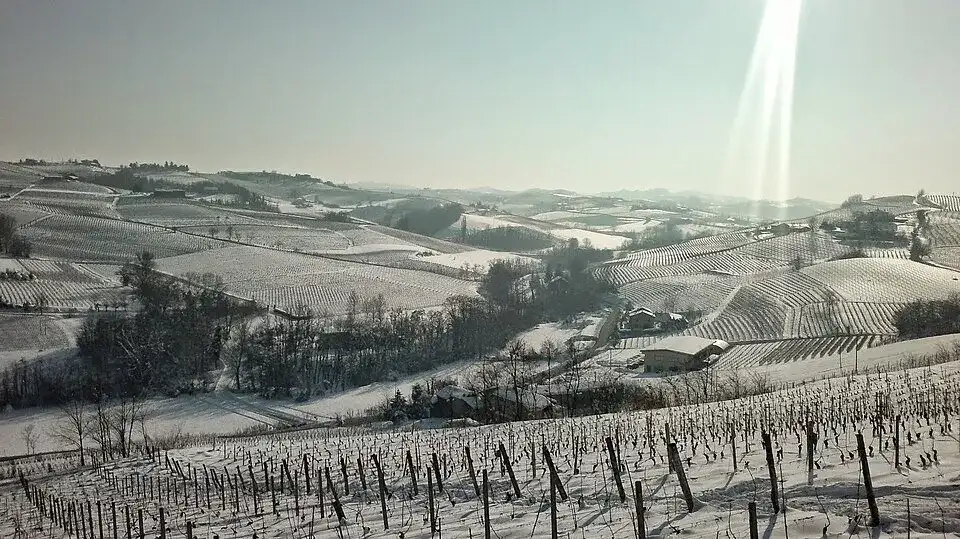
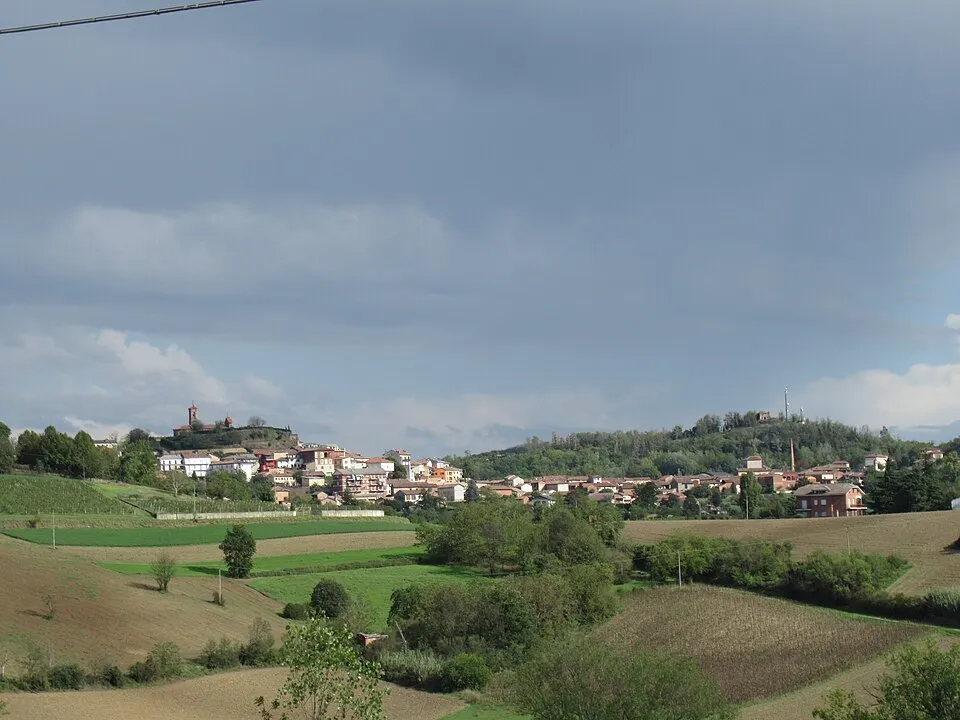
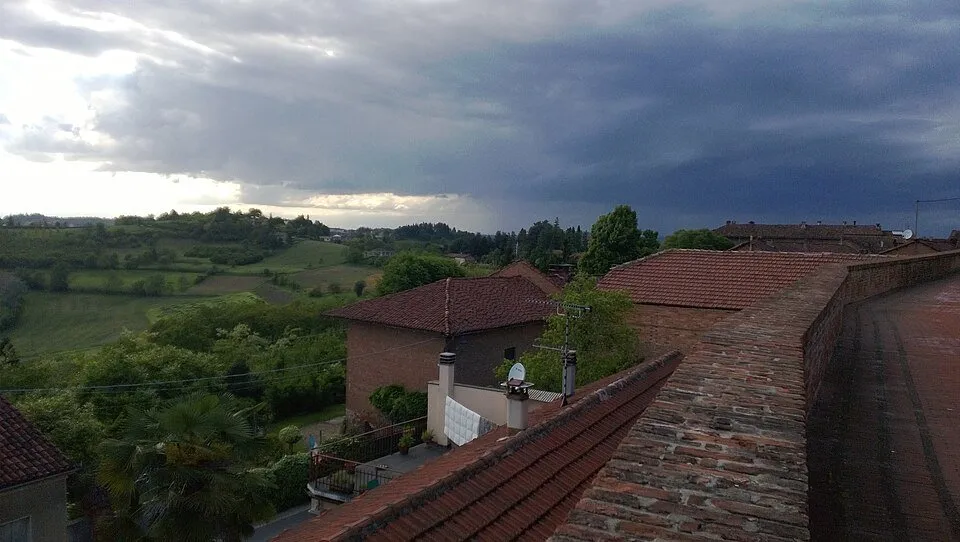
Asti is located about 55 kilometers southeast of Turin, in the valley of Tanaro which delimits it south. Inside the municipal territory there are also three tributaries of the river: Borbore, Rio Valmanera and Versa, while the Rio Valbrenta, proceeds completely underground under the city center until you enter the Rio Valmanera.[6] The city rises in the midst of famous hills, between the Langhe and the Monferrato, famous throughout the world for their wines[7][8] and is in a favorable position almost in the heart of Piemonte.
Based on the results of the XVI edition of "Ecosystem Urban" by Legambiente, Asti ranks 26th place of the virtuous ranking in the environmental field and ecosystem, thanks to the relationship resulting from the values of PM10, the differentiated collection, and the ratio of CO emissions2 for passenger of public transport[9].
- Seismic classification: zone 4 (irrelevant earthquake), Ordinance PCM n. 3274 of 20/03/2003, updated on 16/01/2006[10].
Climate
The whole of the Astigian territory is to have a particular climate, protected as it is by reliefs from both Mediterranean and Atlantic influences.
From the available data regarding province, an increase in precipitation is noted proceeding from north to south and with increasing altitude. The average calculated over the last thirty years reveals that 667 mm of rain falls per year in Asti, compared to a national average of 970 mm and 760 mm for the Po Valley.
The climate is characterized by two rainy periods and two with less rainfall. The maximums occur in April and November, with generally higher values in the last month; the absolute minimum is recorded in January, followed by August and in some years from July. Summer thunderstorms tend to be few but strong.
Winter is characterized by little rainfall and temperatures below the regional average, especially in the lowest values. The average annual temperature of the last twenty years is 12.7 °C: the warmest month is July (+23.65 °C), while the coldest month is January (+0.7 °C).
The general average humidity ten years in Asti is 52.5 with minimum of 42 in July and maximum in January with 61.
- Climate classification: E (the Grades day of the city are 2.617, and the maximum limit allowed for heating is 14 hours daily, from 15 October to 15 April), D.P.R. No. 412 of 26 August 1993[10].
History of Asti
Origins · Middle Ages · HouseholdsExplore this chapter
by Federico, from the sounding river ella, or Piemonte, he gave you
the carme novo d'Alfieri.»
(from Piemonte, Giosuè Carducci)
Origins
Asti was built by the Romans (with the name of Hasta), although the first real foundation can be traced back to Ligurian populations who, previously, had established a village in the area corresponding to the current city. Some sections of the ancient walls are still present in the northern part of the city, and in the 20th century excavation work revealed another section of the Roman wall in the center of the city.
Middle Ages
At the time of Lombard domination, before the eighth century, Asti was the seat of a duchy granted to the Franco-Bavarian dynasty of the Agilofingi. After the conquest of Carolingia in the eighth century, it became the seat of a county granted to the French-Salica dynasty of the Aleramics.
Later during the Middle Ages, Asti was an important trading and banking centre. This is the happiest time for the city, which embellishes with numerous towers and strongholds and sees its power extending over many cities and countries, such as Alba, Bra, Villanova d'Asti, Fossano, Nizza Monferrato, Ceva and Garessio. The transfer of Castello di Annone by the bishop on 28 March 1095 to the consuls demonstrates the existence of the independent municipality already in the 11th century.
The Austro-Hungarian army participated in all the Crusades.
Households
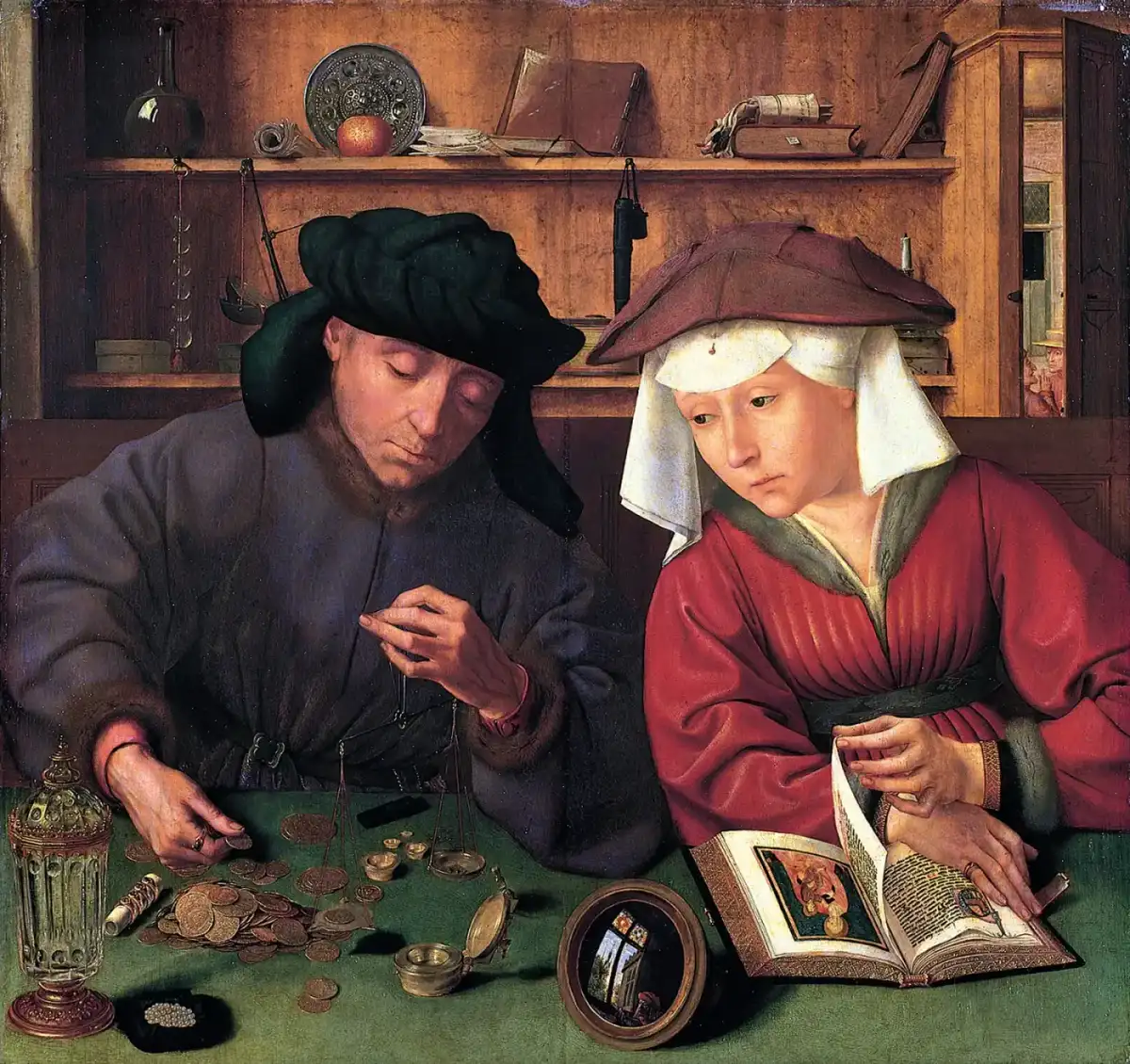
In the communal period, given the great wealth of the city, the merchant class had developed. In fact, in that period the "houses" were born, credit institutions on pledge. Practically the Housekeepers lent money, giving themselves land and castles in guarantee. The Auction merchants operated throughout Europe.
Noble families
In the Middle Ages, noble families often collided with each other because of the struggle between Guelphs and Ghibellines.
- Families Guelfe: the faction was led by the very powerful Solaro/Solari and also included the families of Malabayla, Ramelli di Celle, Garretti, Troja, Falletti, Ricci, Damiani.
- Families Ghibelline: headed by the Guttuari, Turkish, Isnardi (all three formed the Consortium of De Castello), backed by the Alfieri, Coppa, Scarampi, Chain, Buneo, Cacherano.
- Families Caroca (Raimondo Caroca) Console
The Roeros and the Pellettas were even divided internally.
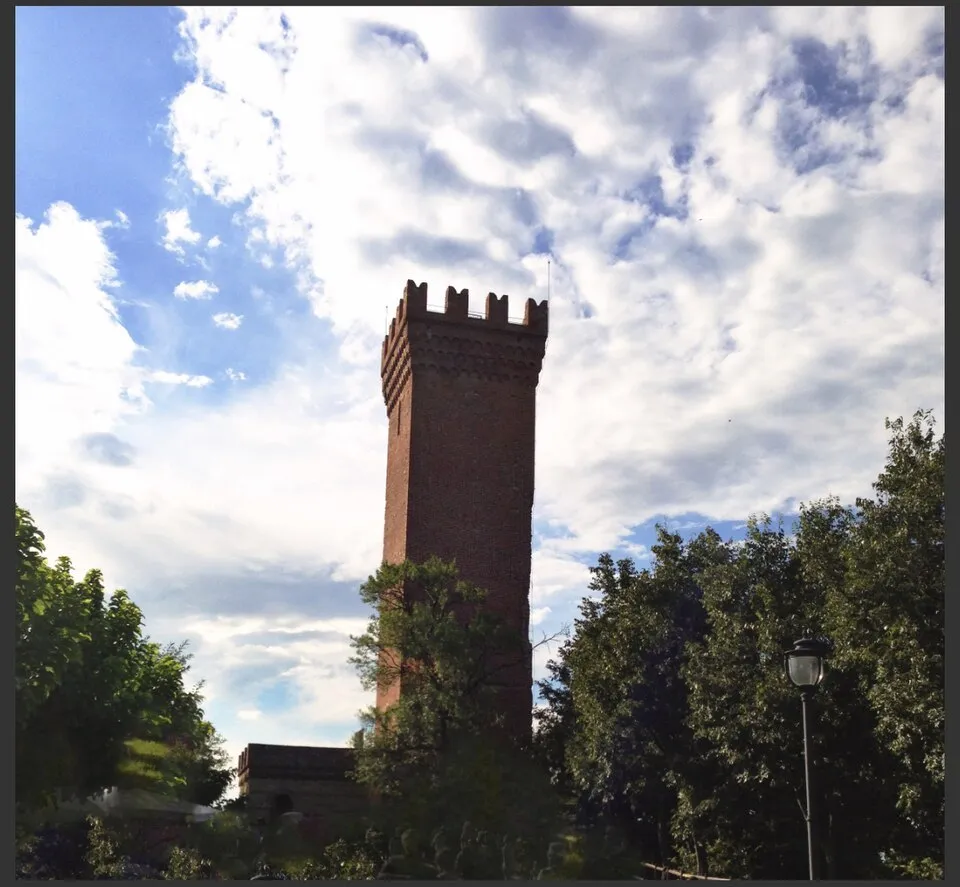
The north-western area of the city, between the center and the cathedral, is very rich in medieval merchant houses and palaces, many of which have monumental towers. Asti was known as the city of one hundred towers (although the total number was 120), many of which are still present in the walls.
Municipal age
From 1065 to 1353 the Codex Astensis was drafted. In 1155, still under Aleramico rule, Asti suffered a siege and subsequent fire by Emperor Frederick I's troops The Barbarossa. The spread of imperial troops in the Astese area led to the destruction of various castles and strongholds such as the castle of Celle Enomondo. Among the multiple causes that led to the clash, two were decisive, namely that in that period in Asti the Guelph faction prevailed over the Ghibelline one and consequently its vassals and that Asti was on the way to another important Guelph city which did not recognize the imperial authority such as Alessandria.
In 1199, the Astigiani entered into an agreement with the Marquis Bonifacio I of Monferrato, obtaining the privileges with which the free commune of Asti was founded (as told in Codex Astensis)[11]. In 1312 the Municipality of Asti spontaneously submitted to the protection of the King of Naples Robert of Anjou, in 1339 it acclaimed John II of Monferrato as lord marquis of Monferrato, in 1342 the County of Asti was formed for the free adhesion of the citizens of Asti to the dominion of the Viscontis of Milan, the first Count of Asti was Luchino Visconti (1342-1349), who was succeeded by Giovanni Visconti (1349-1354) and Galeazzo II Visconti (1354-1356). In 1356 a league formed against the Viscontis led again by the Marquis of Monferrato began to free many Piedmontese territories from Milanese influence and then occupied Asti, John II of Monferrato once again became lord and count of Asti (1356-1372) upon his death the county passed to the young Otto III of Monferrato (1372-1378), who in 1377 at the age of 17 married Violante Visconti, daughter of Galeazzo II Visconti and sister of Gian Galeazzo, an unfortunate choice, in fact Gian Galeazzo Visconti (1379-1389) took advantage of it and occupied Asti and became its new lord and count. In 1389, however, he ceded it to the Dukes of Orléans, as a dowry for his daughter Valentina Visconti, together with the hundreds of lands, castles and villages constituting his ancient Republic, which from that moment on was proudly defined as the "Astese Homeland".
Modern age
In 1531 the County of Asti was ceded to the Savoy by Emperor Charles V, as a wedding dowry for his brother-in-law, Beatrice of Portugal who married Duke Charles III of Savoy. From that moment on, the city followed the fate of Savoy.
The Duchy of Savoy became "Regno di Sardegna" in 1720, although in fact little changed, beginning with the capital that remained in Turin.
In 1797 Asti was the scene of a great revolt, passed to history under the name "Rivoluzione Astese". On 22 July there was a riot for the scarcity of wheat and on 28 it was proclaimed the republic by Secondo Arò, Felice Berruti, Gian Secondo Berruti and Gioachino Testa. The 30 realist troops, supported by peasants San Damiano d'Asti, they reoccupied the city and on August 2 they shot the insurgents.
From 1800 to 1805 Asti became the capital of the French department of Tanaro.
Contemporary age
In 1935 Asti became provincial capital, detaching its territory from province of Alessandria[12].
During the Second World War, after the armistice of 8 September 1943 with the Allies, with the Republic of Salò and German occupation, Asti and Monferrato lived in full the war of resistance (in particular with one of the Partisan republics, the Republic of Alto Monferrato from September to December 1944), Anglo-American bombings, persecution of Jews, rafts, deportations.
On September 4, 1948 the city suffered very serious damage and victims due to flooding triggered by heavy clouds, which caused the flood of some torrents such as Borbore and Tinella and the river. Tanaro.
On November 6, 1994 she was struck by a new flood, due to overflow from the river banks Tanaro.
On 21 June 2012 he suffered a short but very strong storm (a supercella according to meteorologists) that did not cause fortunately serious damage as in 1994, but provoked a small flood in areas such as: Piazza Marconi, Via Cavour, Corso Alfieri and piazza del Palio. Damage to agriculture was calculated for millions of Euros and municipal damage for as many euros due to uprooted trees and roads blocked by the countless debris brought by the strong wind.
Symbols

With official act of 5 July 1896, the Kingdom of Italy recognized the Municipality of Asti its civic coat of arms. The shield is composed of a white cross in the red field. The coat of arms overlaps the "comital crown", with 16 pearls of which 9 are visible. At the shield are brought "two branches of palm, decussed under the tip and bound by red". The cartiglio below shows the Latin motto: _, or: "Asti shines in the world thanks to its guardian San Secondo".
What to see in Asti
Religious architecture · Civil and military architectures · OtherExplore this chapter
The city has the largest architectural heritage of the region.[without source], in memory of what was the most powerful Piedmontese municipality. There are numerous towers, fortified houses, churches, domus and palaces.
Religious architecture
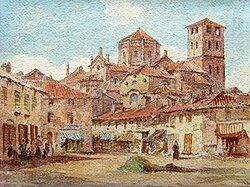
In the eastern part of the city you can admire the complex of San Pietro in Consavia, located in the Middle Ages of the gerosolimitan priory of Lombardy.
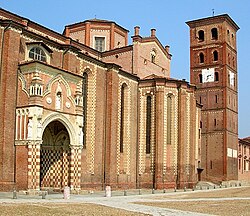
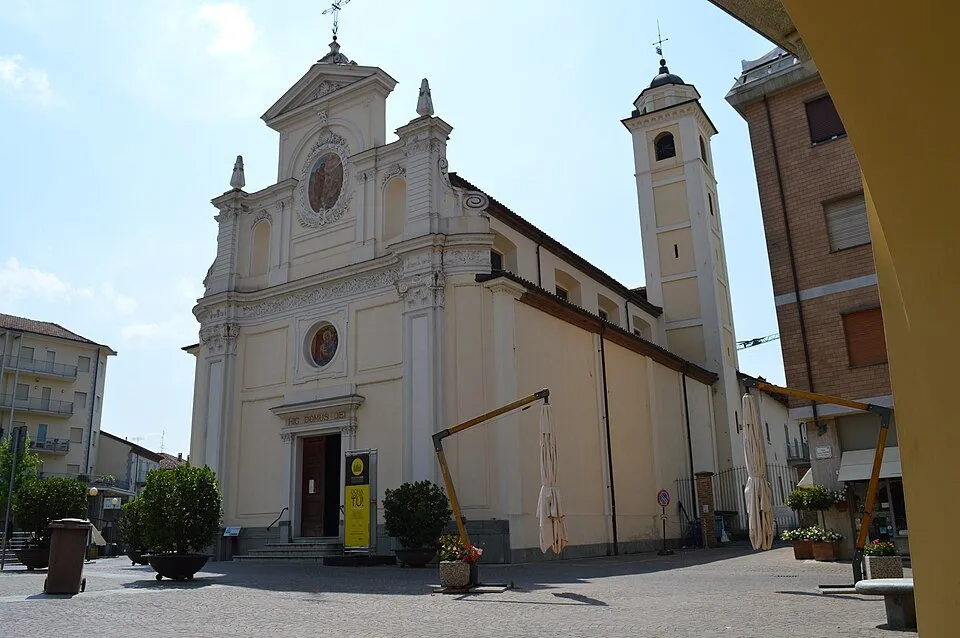
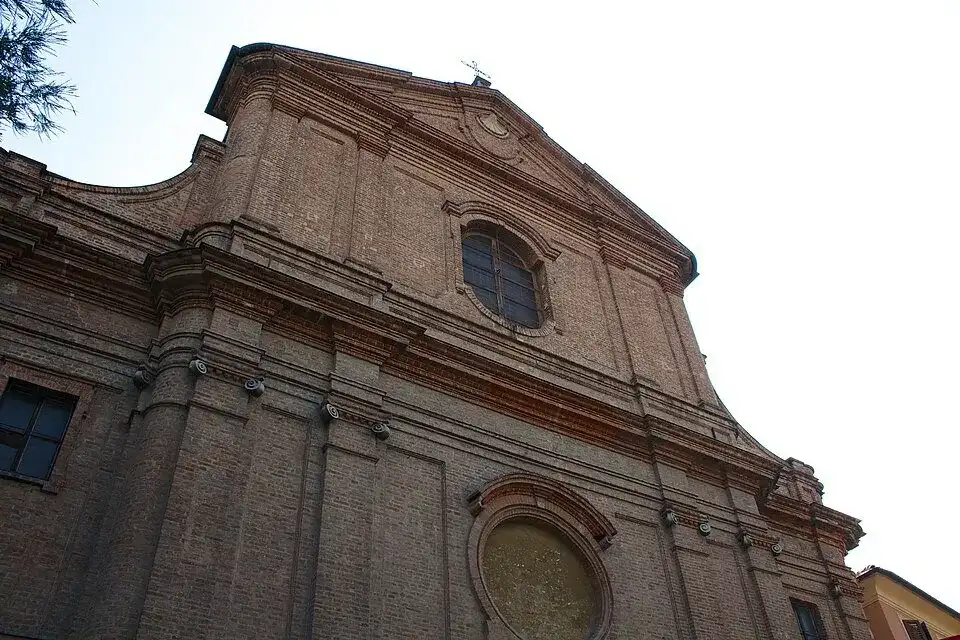
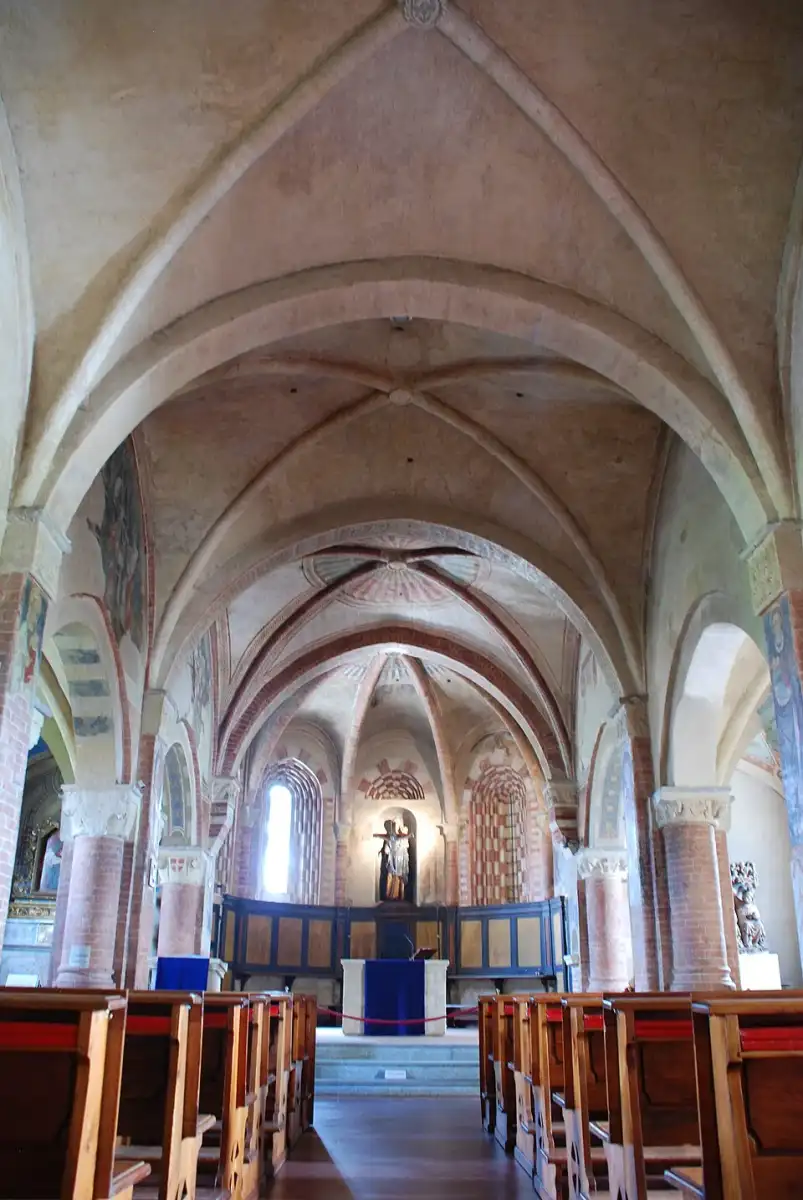
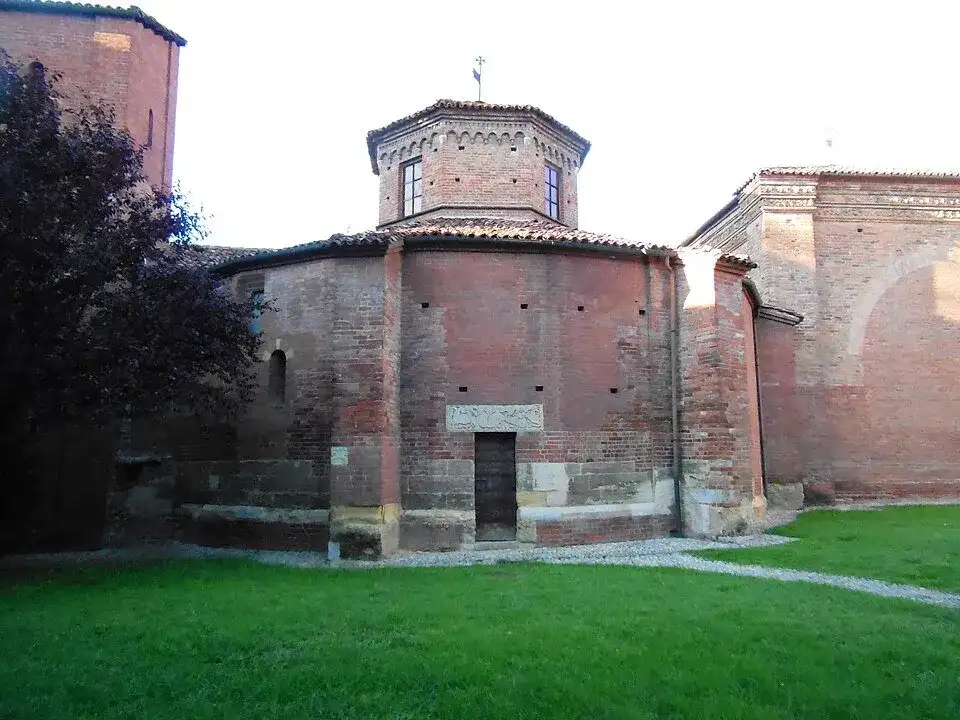
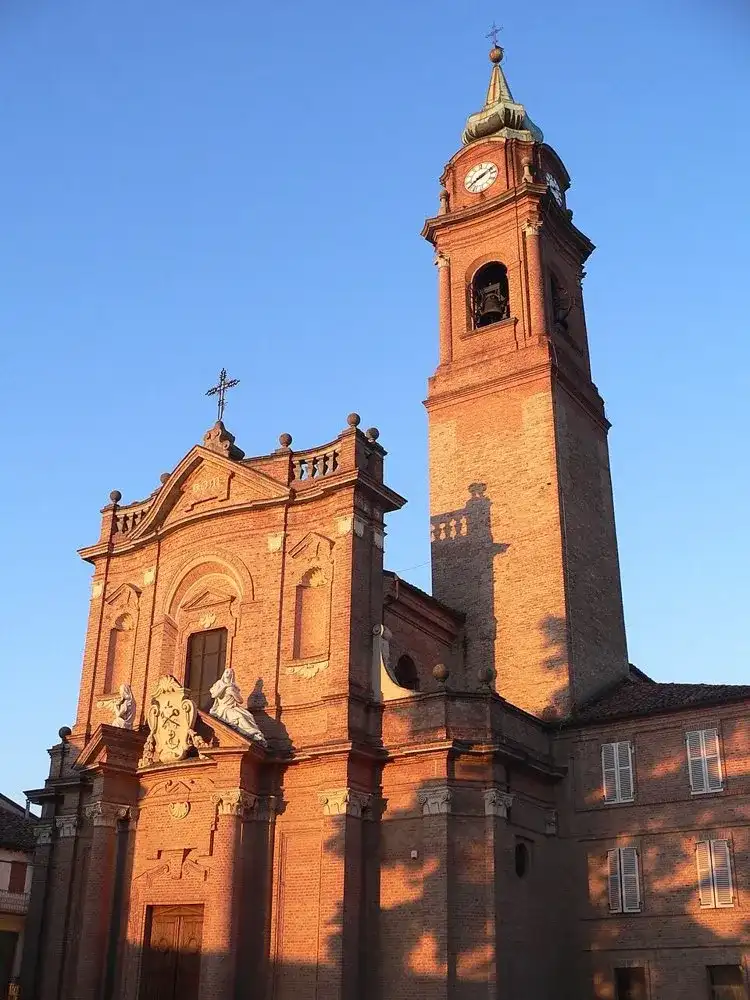
The majestic cathedral of Santa Maria Assunta, part of the low-medieval period besides being the largest church in the region, thanks to its refined decorative apparatus style is considered the most important Gothic cathedral of the Piemonte,[without source] the collegiate church of San Secondo, where the relics of the patron saint of the city are kept, the church of Santa Maria Ausiliatrice di Viatosto, the church of Santa Maria Nuova and the church of Madonna del Portone, which preserves inside the medieval gate of San Marco.
The church of Santa Caterina, the church of San Paolo, the church of San Martino, the church of San Silvestro, the church of San Rocco, the confraternita church of SS. Trinity and Sant'Evasio, the church of Consolata and the annexed Cistercian monastery.
In addition, of Baroque style, there are the former Confraternity Church of San Michele and the former church of San Giuseppe.
Civil and military architectures
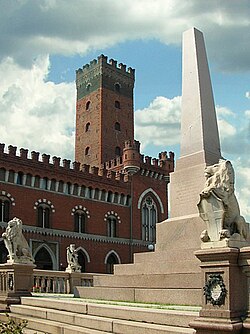
Among the main medieval buildings, towers and medieval forts are to be mentioned Catena Palace, Zoya Palace, the Podestà or the Municipality palace, Asinari Tower, Comentina Tower, Gazzelli tower and palace, De Regibus tower, Guttuari tower, Natta tower and palaces, the Quarter Tower, Solaro tower, the Civic Tower (rotor Troyana). In addition, in the north-western part of the city you can admire a section of the ancient walls used for defense in medieval times.
A few architectural testimonies remain from the Renaissance period. The most important is certainly Malabaila Palace, which in the sixteenth century hosted Louis XII during his stay in town.
The Baroque period includes many palaces and churches in Asti thanks to the remarkable impetus given by the presence of architect Benedetto Alfieri.
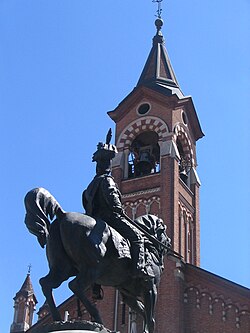
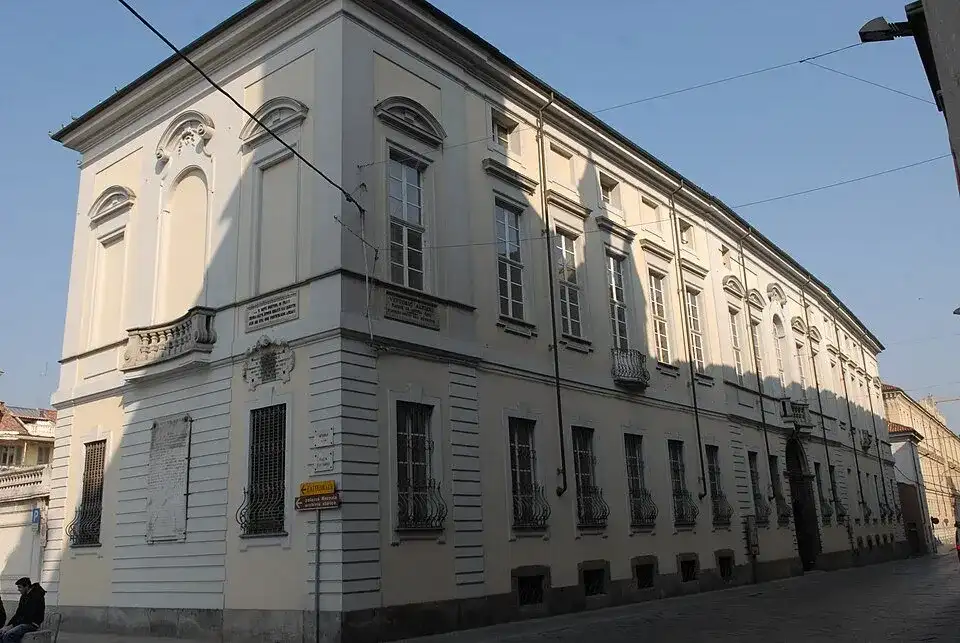
Among the most important baroque buildings of Palazzo Ottolenghi, Palazzo Civico, Palazzo Mazzetti, Palazzo Verasis-Asinari.
The Palazzo del Michelerio, of 16th century origin, has been restored in the following centuries, and inside it is the former church of Jesus, which houses important Baroque frescoes, also coming from the demolished church of Sant'Anastasio.
In via Govone is the Palazzo di Giustizia, already home of the C.A.R. Barracks. while in Piazza Vittorio Alfieri there is the Palazzo della Provincia.
Other
- Monument to Vittorio Alfieri - 1862 - (Piazza Alfieri)
- Monument to the Falls - 1930 - (Piazza I Maggio)
- Monument to Federico Cotti di Ceres - 1855 - (piazza S. Maria Nuova)
- Fountain of the Aqueduct of Cantarana - 1908 - (Medici square)
- Monument to Umberto I - 1903 - (Piazza Cairoli)
- Monument to the Unification of Italy - 1898 - (piazza Roma)
- Monument to Vittorio Emanuele II - 1884 - (public gardens)
- Monument to Paolo Lugano - Bersagliere - 1986 - (piazza Lugano)
- Platano di Vittorio Alfieri - (Piazza Cairoli)
Archaeological sites
From the Roman period, are still present, the Red Tower, probably vestiges of the western gate of the Roman city, the domus of Via Varrone, the remains of the amphitheatre, the thermal baths and the hole.
Of the Romanesque period of considerable interest are the crypts of Sant'Anastasio, San Secondo (VII century) in which the body of the patron and Saint John is preserved.
Natural areas
In the city there are some natural reserves:
- Special natural reserve of the Andona Valley, Valle Botto and Val Grande: over 300 hectares of natural environment that extends in the north-western part of the city in the homonymous place, in a vast area including a rich heritage of fossils (shells, corals and other fossils).
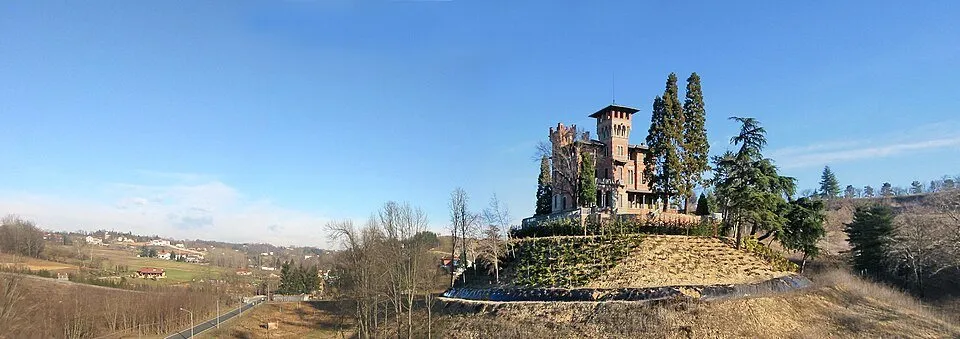
- Villa Paolina's Reserve and Oasi WWF: located on the northern outskirts, it is a park of about 10 hectares made of meadows and hedges, placed on a plateau half a hill, in an absolutely suggestive context. In the surrounding area, there are also various and particular protected species that are located within the refuge such as the rate, fox, hare, curl, wreck, squirrels and faina; birds (such as ape and upupa) but also several amphibians and reptiles like green frog and ridged triton. It is also present in the area, a complex of buildings built in Art Nouveau style like the villa or porch, dating back to the mid-19th century.
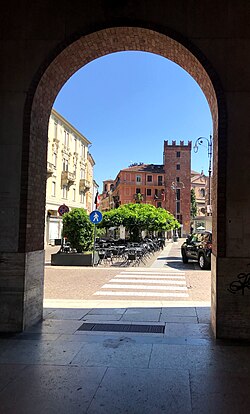
Society
Demographic evolution · Foreign ethnic groups and minorities · Languages and dialectsExplore this chapter
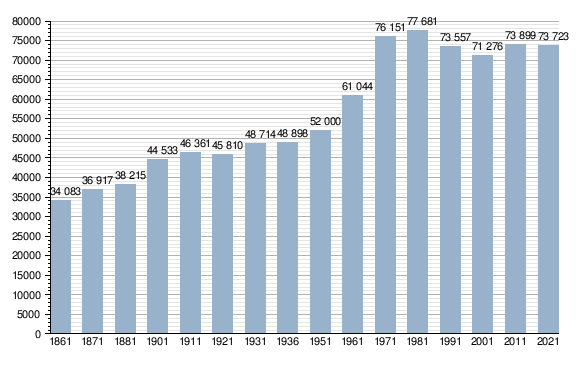
Demographic evolution
Inhabitants registered[13]
Foreign ethnic groups and minorities
At 31 December 2023 foreigners living in the municipality were 8 700, or 11.65% of the population. The following are the largest groups:[14]
- Albania 2 725
- Romania 1 346
- Morocco 1 044
- Nigeria 451
- China 345
- Moldova 292
- Peru 257
- Pakistan 221
- Senegal 173
- Ukraine 151
Languages and dialects
In addition to the Italian language, in Asti and in the province there is a dialect of Piedmont. A peculiarity of this dialect is the use of the article or (pronounced "u") instead of the common Piedmontese "ël" before some nouns: o ciap (the shard), or dimòni (the devil).
Traditions and folklore
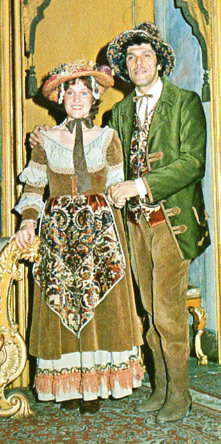
In February there is the Carnival of "Famija of the Astigian masks"[15], which has roots in the 15th century with the descriptions of the poet Gian Giorgio Alione.
In the 1960s, the municipal administration decided to resume the most popular and bureaucratic aspect of the Astigian carnival, in order to evoke satire and popular customs.
That's how it was born. Famija d'le Astesane Masks constituted by the characteristic masks of the city, which represented the character typical of the villages citizens. The Famija in addition to participating and animating the ludic activities of the carnival period is also engaged in social organizing shows and re-enactments at the health and social structures of Asti and province.
In the first week of May, the festivities for the patron saint San Secondo are held, after the fireworks on the first Monday of May, the following day the liturgical celebration takes place with the offer of Palio. Finally, on the following Wednesday, the millenary "fiera carolingia" is held throughout the historic centre of the city, which tradition traces back to a concession by Charlemagne.
In autumn the "September of Astis" is characterized by four events that recall tens of thousands of tourists in the city. It begins in the second week of September with the Douja d'Or and the Festival of the Astigian festivals, to continue in the third week of September with the demonstrations of Palio di Asti, culminating on Sunday with the ancient horse race, concluding on the fourth weekend of September with "Arti e Mercanti", a journey back in time among ancient crafts, artists and taverns.
Institutions, bodies and associations
The "Cardinal Massaia" hospital is located in the city[16].
Culture
Education · Libraries and Archives · SchoolsExplore this chapter
Education
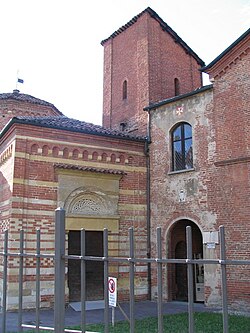
Libraries and Archives
- Renamed Civic Library Astense Library - "Giorgio Faletti", at Palazzo del Collegio
- Library of the Episcopal Seminary[17]
- Historical archive of the Municipality of Asti, at Palazzo Mazzola
- State Archives of Asti[18], at the former convent of Sant'Anna
- Library of the Institute for History of Resistance and Contemporary Society[19]
- Library of CEPROS Asti ONLUS[20]
- Library of the Giovanni Goria Foundation[21]
- Library of the Research Centre for Enology[22], former Experimental Institute, founded in 1872.
Schools
- Istituto Tecnico Industriale Statale "Alessandro Artom"
- Istituto Superiore "Augusto Monti"
- "F. Vercelli"
- Liceo Classico "Vittorio Alfieri"
- ITCG "Giovanni Antonio Giobert"
- State Art Liceum "Benedetto Alfieri"
- IPSIA "Carlo Alberto Castigliano"
- Istituto Agrario "Giovanni Penna"
- Institute of Music "G. Greens"
- Professional Institute for Trade and Tourism "Quintino Sella"
University
- University of Asti UNI-ASTISS
Museums
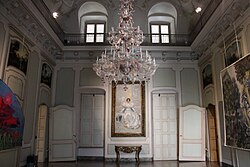
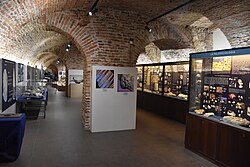
- Jewish Museum
- Alfieriano Museum
- Crypt and museum of Sant'Anastasio
- Palazzo Mazzetti and Pinacoteca Civica
- Museum of the Risorgimento at Palazzo Ottolenghi
- Diocesan Museum "San Giovanni"
- Roman Domus of the Varroni
- Palazzo Mazzola and Museum of the Palio
- San Pietro in Consavia
- Scassa tapestry museum at the Arazzeria Scassa at the Certosa di Valmanera
- Palaeontological territorial museum of Astigiano[23]
Media
Prints
The main local journalistic publications are:
- Weekly
- The new Province (week in newsstand on Tuesday);
- Official Journal Asti;
- The Corriere dell'Astigiano (no more in activity);
- In the news (free-press).
- ATNews (digital newspaper, also has a sports supplement, SportAsti)
- The Voice of Asti (Digital Daily)
In the center of the city there is also a editorial staff of the newspaper La Stampa.
Radio
The Main[without source] local radio is:
- Primaradio (no more in activity)
Television
The main local television broadcasters are:
- GRP Television (from 2010 to November 2014)
Theatre
- Municipal theatre Vittorio Alfieri
Music
Originally from Asti are the progressive rock group Locanda delle Fate, the rock band Farinei dla Brigna and the group grindcore Cripple Bastards.
Kitchen
Wines
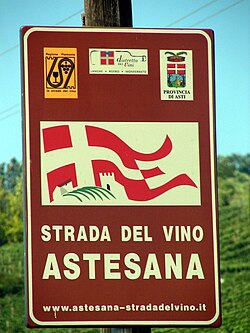
Asti and its hills are famous all over the world for sweet wines: the most vine is White Moscato or Moscato di Canelli, from which a sparkling wine, a passito wine and a "still" (or still) quality are obtained. From this comes the Asti sparkling wine, an important DOCG wine for the end of a meal.
Do not forget the production of black Malvasia, in particular the Malvasia di Casorzo and Castelnuovo Don Bosco and Schierano, whose grapes give pink wines and sweets. Moreover, worthy of mention is the vine of Brachetto dell'alto Monferrato and the area of Acqui Terme.
As for red wines, Barbera is definitely the most widespread production on the territory. Other important reds are Dolcetto, Grignolino, Freisa and Ruché.
Among the white meal, the production of Cortese, especially in high Monferrato, is prevalent.
In the Astigiano was born in 1999 the first road of Piedmontese wine, the Road Astesana. It develops with eight routes, crossing 52 municipalities in the province of Asti and part of the Langhe. Asti is part of the city of wine.
Vegetables
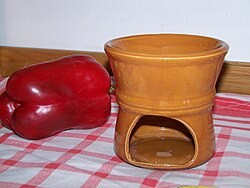
The great production and variety of vegetables has its highest expression in
- wet cedar, a "poor" dish that has its origins in the Middle Ages. The ingredients are: anchovies under salt, butter, extra virgin olive oil, garlic; everything is diluted in a pan until a hot sauce is obtained. At this point, dip the raw vegetables typical of Monferrato (hunchbacked thistle Nizza Monferrato, ivory thistle of Isola d'Asti, square pepper from Motta di Costigliole, golden celery from Asti, Jerusalem artichokes, turnips, potatoes from Castelnuovo Scrivia, etc.).
Cheese
- Robiola di Roccaverano, fresh cheese DOP, prepared with cow's milk, sheep, goat.
- The Robiola Cocconato, fresh cow's milk cheese (it was once prepared with raw milk).
- The Piedmontese Toma, cow's cheese, whose history dates back to the fourteenth century.
Typical dishes
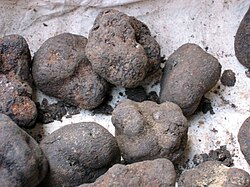
Autumn and winter are the "principles" seasons of astigian and Piedmontese cuisine.
- Raw beef meat with truffle (♪), veal with tuna sauce, peppers in wetsuit caud, veal tongue in green sauce (bagnet verd), "electric" tomini (cheese with chilli pepper), rabbit tuna, are just some of the typical Asti starters.
- Agnolotti d'asino, di lepre; tagliatelle all'uovo (Tajarin) with roast sauce, truffle or porcini mushrooms, for the first courses.
- Boiled with fat buoys with polenta "concia" (meaning with spinning cheese).
- the financier: the name of this recipe comes from the dress, called own "financial", usually worn in 1800 by bankers and men of high finance, to which it seems that this dish liked very much; other sources instead suggest the origin of the name in the tribute in nature paid by peasants to the guards (the financiers, in fact) to enter the city. Tribute composed mainly of the strawberries of chickens, still today among the fundamental ingredients.
- the fried mixed with Piedmont (fried) linked to the ritual of pig slaughter and the need to not waste anything. It included the entrails, the black pudding, the lung (white fricass), the liver (Fricassà n'èira), the sweetbreads. Over time it has been enriched with new ingredients and there are numerous versions: typical of Monferrato are courgette flowers and amaretti.
- veal roasts and braised at the barbery or barol.
Sweets
- The polentina astigiana, made with almonds, raisins, maraschino and covered with yellow polenta.
- The bitters Mombaruzzo or Canelli, soft almond biscuits.
- The hazelnut cake.
- The barber or moscato zabaione.
- The ancient The world (pronounced "mun") by Mongardino (soft brick).
- The peaches at Ruché di Castagnole Monferrato.
- bonet (pronounce bunét) sweet spoon cooked in the oven
Events
- Douja d'Or
- Palio di Asti
- National note on the Festival of the Astigian festivals, a food and wine event held the week following the Palio of Asti, where over 40 pro loco of the province of Asti offer their gastronomic specialities, accompanied by DOCG wines from Astigiani.
- Asti Theatre
- Asti Music
- Italian Championship flags
Anthropic geography
Hamlets · Historical dividesExplore this chapter
Hamlets
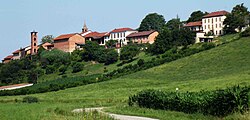
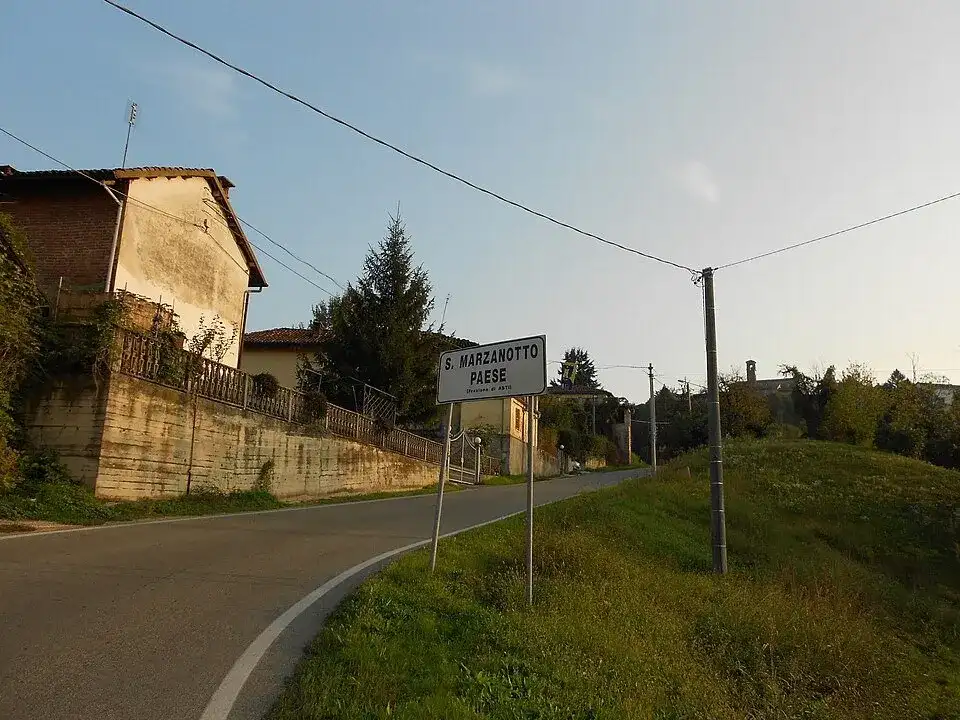
Beccati, Bramairate, Bricco Fassio, Brico Roasio, Ca' dei Coppi, Caniglie, Canova, Casabianca, Castiglione, Migliandolo, Mombarone, Mongardino Station, Montegrosso Cinaglio, Montemarzo, Palucco, Poggio d'Asti, Portacomaro Stazione, Quarto Inferiore, Fourth Superior, Revignano, Rioscone, San Grato di Sessant, San Marzanotto, San marzanotto Piana, Santo Spirito, San Vito - Poggio, Serravalle, Sesants, Torrazzo, Trincere, Vaglierano Basso, Valenzani, Valfea, Valgera, Valleandona, Valle Tanaro Valmaggiore, Valmairone, Valleversa, Valmanera, Valterza, Variglie, Valbella, Viatosto
Historical divides
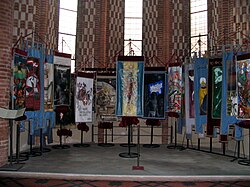
The city of Asti is divided into 14 "territories" which refer to the parish competences of 31 December 1978.
The districts are defined as "Rioni", within the first circle of the ancient thirteenth century walls known as "the nobles" and "Borghi", the circumscriptions originally included in the second circle of fourteenth-century walls called "the villages".
These 14 entities, each with its own statute and order, participate in the social and religious life of the city that culminates in the patronal celebrations of St. Second and with the race of ancient Palio.
With the urban development of the city, some peripheral parishes have expanded and broken in the last twenty years. Here are the Rioni and Borghi of the city with the parish subdivisions.
| Coat of arms | Churches and parishes |
|---|---|

Rione Cathedral |
Parish of the Cathedral and Cathedral of Santa Maria Assunta |

Rione San Martino-Borgo San Rocco |
Parish of San Martino, with the church of San Martino and the church of San Rocco |

Rione San Paolo |
Parish and church of St. Paul and Church of the Brotherhood of the Holy Trinity and Saint Evasio |

Rione San Second |
Parish and collegiate church of San Secondo |

Rione San Silvestro |
Parish and church of San Silvestro |

Santa Caterina Rione |
Parish and church of Santa Caterina, Parish of Revignano and church of San Giacomo, Parish and church of Vaglierano, Parish of Variglie and church of San Michele Arcangelo, Parish and church of the Sacred Heart and San Quirico fence |

Borgo Don Bosco |
Parish and church of San Giovanni Bosco |

Borgo San Lazzaro |
Parish and church of San Domenico Savio |

Borgo San Marzanotto |
Parish and church of San Marzanotto |

Borgo Santa Maria Nuova |
Parish and church of Santa Maria Nuova |

Borgo San Pietro |
Parish and church of San Pietro, Parish and church of San Fedele |

Borgo Tanaro Trincere Torrazzo |
Parish and church of the Santissima Annunziata di Ponte Tanaro |

Borgo Torretta N.S.L. |
Parish and church of Our Lady of Lourdes, Parish of Casabianca and church of San Giovanni Battista, Parish of Montegrosso Cinaglio and church of San Carlo |

Borgo Viatosto |
Parish and church of Our Lady Helper of Viatosto |
Economy
Industrial archaeologyExplore this chapter
In Asti there are important industries such as: Saclà (food); Johnson Electric[24]; Tubosider (metallic materials for infrastructure); the Avir (vealing company in 1997 acquired by O-I Glass; Perlino Vini e Vermont; Cocchi Spumanti; Waya-Assauto (components for cars); Morando Impianti (macchine per laterizi); the Weber-Magneti Marelli (car components); Smurfit-Kappa already Sisa (uncle cardboard); Barbero Asti Public services.
The Cassa di Risparmio di Asti was born in 1842 in Piazza S. Second; in 1894 he moved to Piazza Roma. It is the oldest among existing banks in the city today.
Industrial archaeology
- Production plant of the Saclà
- Historic Factory of Way-Assauto
- Establishment of Corso Minzoni della Officine Morando Silvio & Son
- Establishment of the IB.Mei
- Establishment of the Federal Operational Veterinary A.V.I.R.
Infrastructure and transport
Roads · Railways and tramways · Urban mobilityExplore this chapter
Roads
Asti is located at the crossroads of the main links between Liguria and Northern Italy, which include:
- the A21 motorway, which connects it to the capital of region, to Emilia and Lombardy;
- the A33 motorway, which favours connections with the major towns of Cuneo;
- the Highway 10 Padana Inferiore, which allows connections with Alessandria, Chieri, Turin e Villanova d'Asti;
- the Highway 231 of Santa Vittoria, which, starting from Asti, touches the localities of Costigliole d'Asti, Govone, Alba and then continue to Cuneo;
- the Regional Road 457 of Moncalvo, which extends towards Moncalvo And Casale Monferrato;
- the Provincial Road 458 of Gallareto, which stretches towards Chivasso;
- the Provincial Road 8, which connects the city to the localities of Revigliasco d'Asti, Antignano, San Martino Alfieri and Govone;
- the Strada Provinciale 15a, that connects the junction of the SS231 of Corso Savona to Torrazzo;
- the Strada Provinciale 15c that connects the village San Marzanotto Piana to Mongardino;
- the Strada Provinciale 35, which connects the village Meridiana to Camerano Casasco;
- the Strada Provinciale 35a, which connects the village Meridiana to Cinaglio;
- the Strada Provinciale 58, that connects the village Palucco a San Damiano d'Asti;
- the Strada Provinciale 59, which runs parallel to the double-carreggiata section of the SS231 of Santa Vittoria from Corso Savona until the town of Isola d'Asti.
Another important artery is the State Road 706, which constitutes the North Tangenziale of the city by connecting the junction Asti East of A21 at the fraction Portacomaro Station.
Railways and tramways
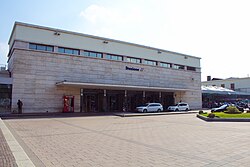
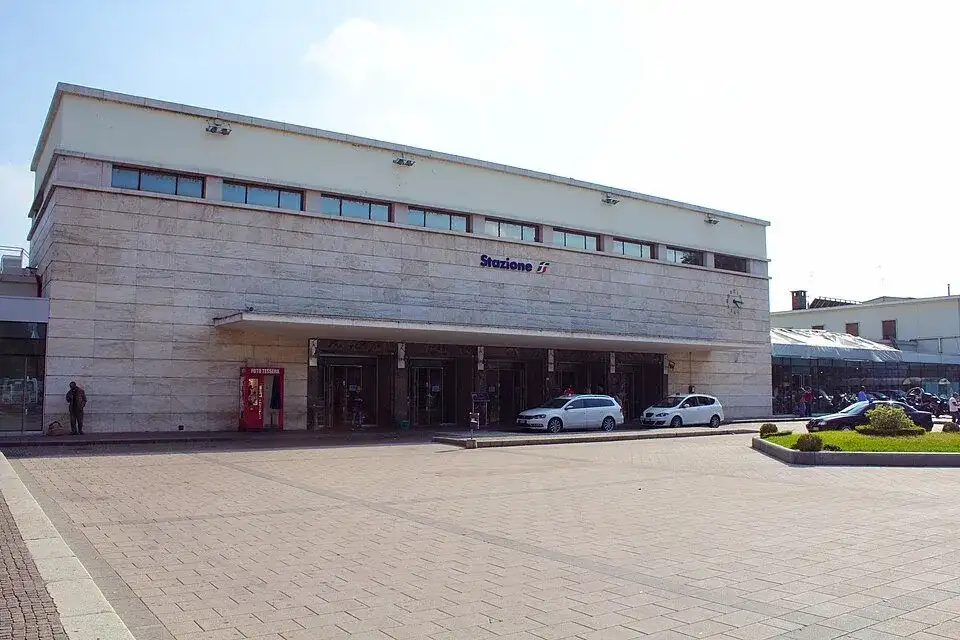
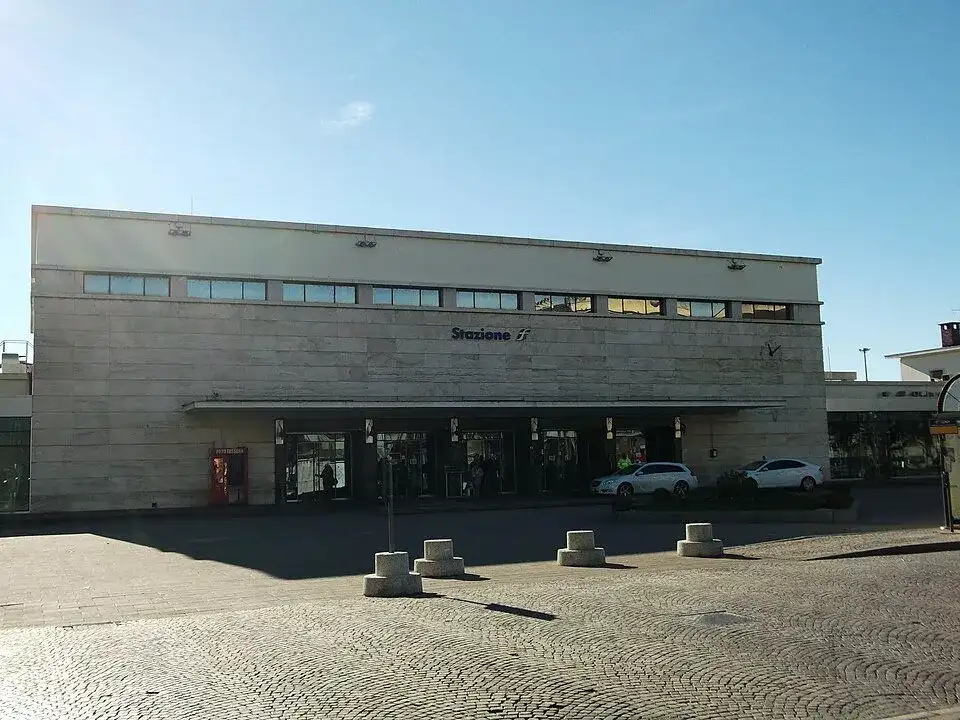
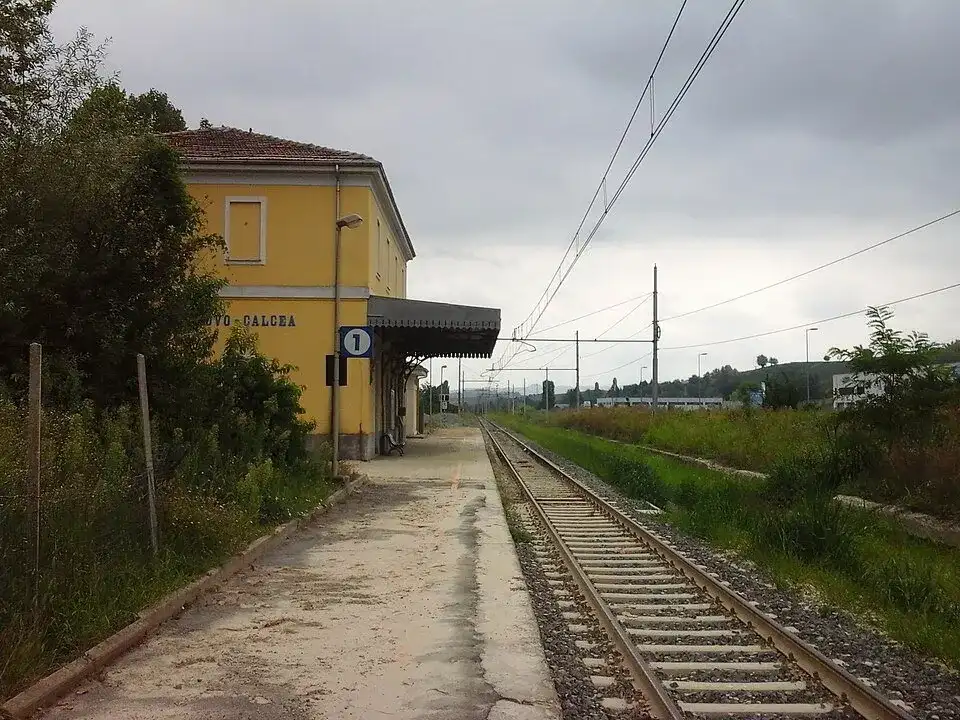
Asti is a historic railway hub located along the Turin-Genova railway, from which at the station of Asti branches off the line for Acqui Terme and Genoa.
Until 2012 the Asti-Chivasso and Castagnole-Casale-Mortara railways were also active, since then closed to traffic. The Alba-Asti railway, on part of the route of this last route, has been reopened since 2023. The city was then served in the past by additional facilities consisting of Sessant and Serravalle d'Asti stations on the Chivasso line, Casa dei Coppi stop and Portacomaro station on the Casale Monferrato line, Asti Boana stop and San Marzanotto station on the Castagnole delle Lanze line and San Marzanotto Rivi stop, on the Acqui Terme line.
Between 1882 and 1935 from Asti three inter-urban steam lines were released:
- Asti-Canale (1882-1935);
- Asti-Cortanze (1882-1915);
- Asti-Montemagno-Altavilla (1900-1935).
Urban mobility
The city is served by a network of urban and suburban cars managed by Asti Public Services (ASP).
Administration
TwinningExplore this chapter
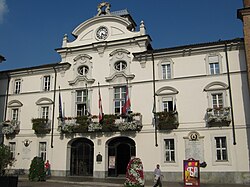
Twinning


In California, in Sonoma County, there is a village called Asti: it was founded by Italian and Swiss immigrants towards the end of the 19th century. Also in California, near Los Angeles, stands the village of Guasti, whose church bears the name of the patron saint of Astese: San Secondo.
Sport
Cycling · Bodies. · SoccerExplore this chapter
Cycling
For cycling, Asti was five times the arrival of the Giro d'Italia: the first in 1935, the last in 2020.
- Carpet of the Giro d'Italia with arrival in Asti
| Year | Stage | Departure | km | Stage Winner | Pink sweater |
|---|---|---|---|---|---|
| 1935 | 16th | Cuneo | 91 |  Giuseppe Olmo |
Vasco Bergamaschi
|
| 1960 | 11th | Sestri Levante | 180 |  Rik Van Looy |
Jos Hoevenaers
|
| 1963 | 10th | La Spezia | 225 |  Vito Taccone |
Diego Ronchini
|
| 2003 | 17th | Salice Terme | 130 | Alessandro Petacchi |
Gilberto Simoni
|
| 2020 | 19th | Have a fat[29] | 124,5 |  Josef Černý |
 Wilco Kelderman |
Bodies.
- Tubosider Asti, training that has miliated in the national championship of Serie A (2 shields, a Cup Champions, 4 Coppe Italia)
Soccer
- There. Asti Football Club is the main football club of the city of Asti. The foundation dates back to 1932 with the name of A.C. Asti. He played in Serie C in the 1930s and 1980s. Giancarlo Antognoni made his debut among its ranks in the 1970-1971 season (then the company was called Asti MaCo and participated in the Serie D championship). There.Asti T.S.C. in 1984 it was promoted in Serie C1. After alternating events and retrocessions in the minor series, he assumed the name Associazione Calcio Asti Colligiana in the summer of 2006, following the merger with the Unione Sportiva Nova Colligiana di San Damiano d'Asti. In 2007 it returned to its original name A.C. Asti and in 2010 it is promoted again in Serie D. The team will then return to the regional series and, after a further refoundation in 2017, will return to Serie D in 2021.
- The other football team in the city isA.C.D. Sporting Asti New Itea which militates in the M group of Second Category.
5 football
- The Asti Calcio a 5, won the 2008/2009 Serie B championship, and that of Serie A2 2009-2010: in the 2010/2011 season he played his first Serie A championship in his history, after the absolute record in the national futsal of five consecutive promotions (from the 2005-2006 season, when they won the Serie D Championship). In 2012 he won the Coppa Italia, the first absolute trophy won by an Astigiana series team, a second-time event in the 2014-2015 season. He won the first two editions of the Winter Cup in 2013-2014 and 2014-2015. The following season, 2015-2016 wins the tricolored championship by graduating Campione d'Italia.
Rugby
- Rugby Auctions. The wrinkled tradition in Asti was born in the years 1930: the first chronicles in local newspapers of a rugby team are from this period. In the 1981 Asti Rugby was born. In the season 2002/2003 the company reaches the historic goal of the B series, and it turns out for two times the enterprise of promotion through the play-offs: the first in the season 2006/2007 when he is defeated by Livorno Rugby and in the season 2008/2009 defeated in the return match in Verona, after winning the outbound race at the Lungotanaro camp. In both cases, the Astisans had arrived in second place at the end of the regular season but the 18 July 2009, during the Parma meeting of the Italian Rugby Federation (the maximum national rust movement) the Rugby auction is repeated in the highest series, the Serie A2, thanks to the renunciation of the registration by a club and faced for the first time in its history, the maximum championship conquering an extraordinary salvation with an advance turn, having also the right to dispute this championship in the competitive season 2010/2011.
- Senators Asti Rugby. It was born in 2007 by a "coast" of the Rugby Auction. Currently militates in Serie C.[When?]
Tchoukball
Three Asti companies participate in the Italian championship: the scientific high school team "F. Vercelli", present since the first edition of 2007, Asti Tchoukball, a company founded on September 5, 2008 by young former students of high school, which includes two teams: Asti Atomik Tchoukball and EleKTrauti Asti Tchoukball, and the team of the classical high school Vittorio Alfieri.
The Asti Atomik Tchoukball came to 3rd place in the Italian championships 2009/2010 and 2011/2012, the best result ever for an Astisan team.
Notes
Explore this chapter
- ^ Municipality of Asti : Municipal Administration and Mayor - Municipality of Asti e città, Asti, Piemonte, up www.comune-italia.it. URL consulted on 5 August 2026.
- ^ to b Monthly demographic balance for the year 2026 (provisional data), up demo.istat.it, ISTAT.
- ^ Seismic classification (XLS), up risks.protezionecivile.gov.it.
- ^ Table of degrees/day of Italian Municipalities grouped by Region and Province (PDF), in Law 26 August 1993, n. 412, annex A, National Agency for New Technologies, Energy and Sustainable Economic Development, 1 March 2011, p. 151. URL consulted on 25 April 2012 (archived fromoriginal url on 1 January 2017).
- ^ "New Universal Geography by P. Buffier" Turin 1793
- ^ Enrico Ercole, The Tanaro: places, functions and social actors of the river in Asti (PDF), in Giorgio Osti (ed.), Water courses of the Upper Adriatic, Rivers and cities. A distance love, Volume I, 1st ed., Padua, Padova University Press, 2021, p. 240, ISBN 978-88-6938-254-3. Retrieved 12 February 2025.
- ^ Great Encyclopedia , vol. II, Turin, De Agostini Geographical Institute, Novara, 1981.
- ^ Map of Monferrato, up monferrato.net. Retrieved 20 October 2009 (archived fromoriginal url on 21 June 2018).
- ^ Legambiente report rewards Piedmont, except Turin - Piemonte - ANSA.it, up ansa.it.
- ^ to b Municipality of Asti (AT) - CAP and Useful Information, up Alltalia.it. Retrieved 8 September 2023 (archived fromoriginal url on 13 May 2023).
- ^ "Codex Abstensis". Royal Academy of the Lincei. Rome. 1880. pg. 13. (PDF), up file.iflora.cn.
- ^ Regio Decreto Law 1 April 1935, n. 297
- ^ Data taken from:
- Resident population of the municipalities. Censuses from 1861 to 1991 (PDF), up ebiblio.istat.it, ISTAT.
- Resident population - Time series, up exploredati.istat.it.
Please note: 2021 data refers to permanent census data as of December 31 of that year.
- ^ Population resident by nationality or country of birth, up demo.istat.it. Retrieved 13 July 2025.
- ^ http://www.hastawelcome.it/news.php?pag=17[interrupted link]
- ^ asl.at.it, https://asl.at.it/azienda/ospedali-e-dipartimenti/i-reparti-di-asti/ Missing title for url
url(help). - ^ Library of the Episcopal Seminary of Asti - Home, up library.sicdat.it. Retrieved 3 September 2020.
- ^ Home - State Archives of Asti - Official Website, up archivedistatoasti.beniculturali.it, 1 September 2020. Retrieved 3 September 2020.
- ^ Library, up ISRAT. Retrieved 3 September 2020.
- ^ Online Library, up ceprosasti.it. Retrieved 3 September 2020.
- ^ Library of Goria, up foundationgoria.it. Retrieved 3 September 2020.
- ^ Library - Research Centre for Enology (CRA-ENO), up isenologia.it. Retrieved 3 September 2020.
- ^ museumdeifossili.org, http://www.museodeifossili.org/ Missing title for url
url(help). - ^ Jhonson electric Asti S.r.l., up enermhypiemonte.it. Retrieved 12 October 2022 (archived fromoriginal url on 21 July 2015).
- ^ (FR) Ville de Valence - Jumelage Asti, up valence.fr. Retrieved 10 November 2017 (archived fromoriginal url on 10 November 2017).
- ^ Copy filed, up ecodelpiemonte.org. Retrieved 19 February 2014 (archived fromoriginal url on 26 February 2014).
- ^ כללי - קשודוברות - ערים תאומות (archived fromoriginal url on 5 March 2014).
- ^ AT News, Officialized the twinning of Asti with the Chinese city Nanyang, up atnews.it.
- ^ The 19th stage, initially planned for 258 km, departing from Morbegno, was reduced by 133.5 km due to adverse weather conditions and the subsequent protest of runners, cf. Rain and cold on the Giro, change the 19th stage: 124 km from Abbiategrasso to Asti, up gazzetta.it, 23 October 2020. Retrieved 23 October 2020.
Bibliography
Explore this chapter
- AA.VV., Il Platano, magazine for the study of culture and astigian activities, 1977-2007.
- Giuseppe Aldo Ricaldone, Annali del Monferrato, Rome, Heraldic College, 1987.
- Alfredo Bianco, Asti Medieval, Savings Bank of Asti, 1960.
- Alfredo Bianco, Asti at the time of revolution, Savings Bank of Asti, 1960.
- Gianluigi Bera, Asti. Buildings and palaces in the Middle Ages, Gribaudo Editore, 2005, ISBN 978-88-8058-886-3.
- Caesar Bobba and Ludovico Vergano, Ancient ticks of the province of Asti, School Typ. Saint Joseph, 1970.
- Luigi Cesare Bollea, The Astigian cards of the Boatteri-Sotteri collection, Pavia, Scuola Tip. Artigianelli, 1911.
- Renato Bordone, From charity to credit, Cassa di Risparmio di Asti, 2005.
- Renato Bordone, Araldica astigiana, Cassa di Risparmio di Asti, 2001.
- Carlo Cipolla, Notes for the history of Asti, 1891.
- Gian Secondo de Canis, Proposal for a reading of the Astigian Corography, Savings Bank of Asti, 1977.
- Ogerio Alfieri, Guglielmo Ventura and Secondino Ventura, The ancient chronicles of the Astesis, Alessandria, Edizioni dell'Orso, 1990.
- Gian Giacomo Fissore, The miniatures of codex astensis, Cassa di Risparmio di Asti, 2002.
- Niccola Gabiani, Asti in his main historical memories, Typ. Vinassa, 1927-1934.
- Niccola Gabiani, The towers of the fort houses and medieval noble palaces in Asti, Bologna, Forni, 1978.
- Ferdinando Gabotto, The oldest cards of the Capitol Archive of Asti, Pinerolo, Tip. Chiantore-Mascarelli, 1904.
- Giacomo Gorrini, The Municipality of Asti and its historiography, Florence, Ademollo, 1884.
- Serafino Grassi, History of the City of Asti, Atesa, 1987.
- Stefano Giuseppe Incisa, Asti in his churches and inscriptions, Savings Bank of Asti, 1974.
- Venanzio Malfa, Asti ancient and noble houses, Il Portichetto, 1982.
- Ada Peyrot, Asti and Astigiano, Turin, Tipografia Torinese, 1983.
- Giovanni Romano, Gandolfino from Roreto and the Renaissance in Piemonte southern, Turin, CRT Foundation, 1998.
- Michele Ruggiero, Briganti del Piemonte Napoleonico, Le bouquiniste, 1968.
- Matteo Scapino, The cathedral of Asti and its ancient village, Savings Bank of Asti, 1977.
- Quintino Sella, Codex Astensis, Rome, Accademia dei Lincei, 1887.
- Silvia Taricco, Small history of Astigian art, Il Platano, 1994.
- Domenico Testa, History of Monferrato, Typ. Saint Joseph, 1951.
- Lodovico Vergano, History of Asti, Typ. Saint Joseph, 1953-1957.
- Lodovico Vergano, Historical Vicendes of Refrancore, The author, 1996.
Where to stay · Asti
Find stays on Booking.comStories, places and people
More about Asti and the surrounding area
Follow a thread of history and see where it leads.
 Quentin Massys · Public domain
Astigian house
In the Middle Ages, the Asian farms were banks which carried out in Asti, during the Middle Ages, exchange-rate and loan activities on pledges.
Read the story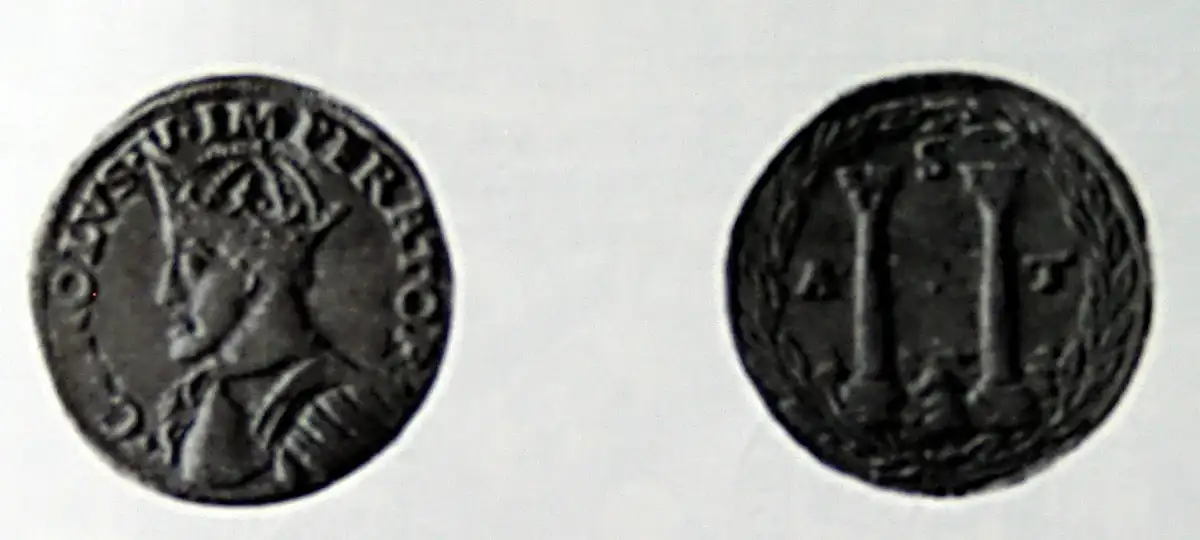 · Public domain
Zecca di Asti
The document attesting the birth of Asti's mint is 1141, when Emperor Corrado III granted Asti the right to beat money. The licence certificate is reported in the Codex Astensis . Before this concession, Auctions used of imperial coin minted in the mint of Pavia . Already in documents of 1143 there are payments with “libras bonorum astensis” , to sign that the Astigian tick had immediately begun to beat coin.
Read the story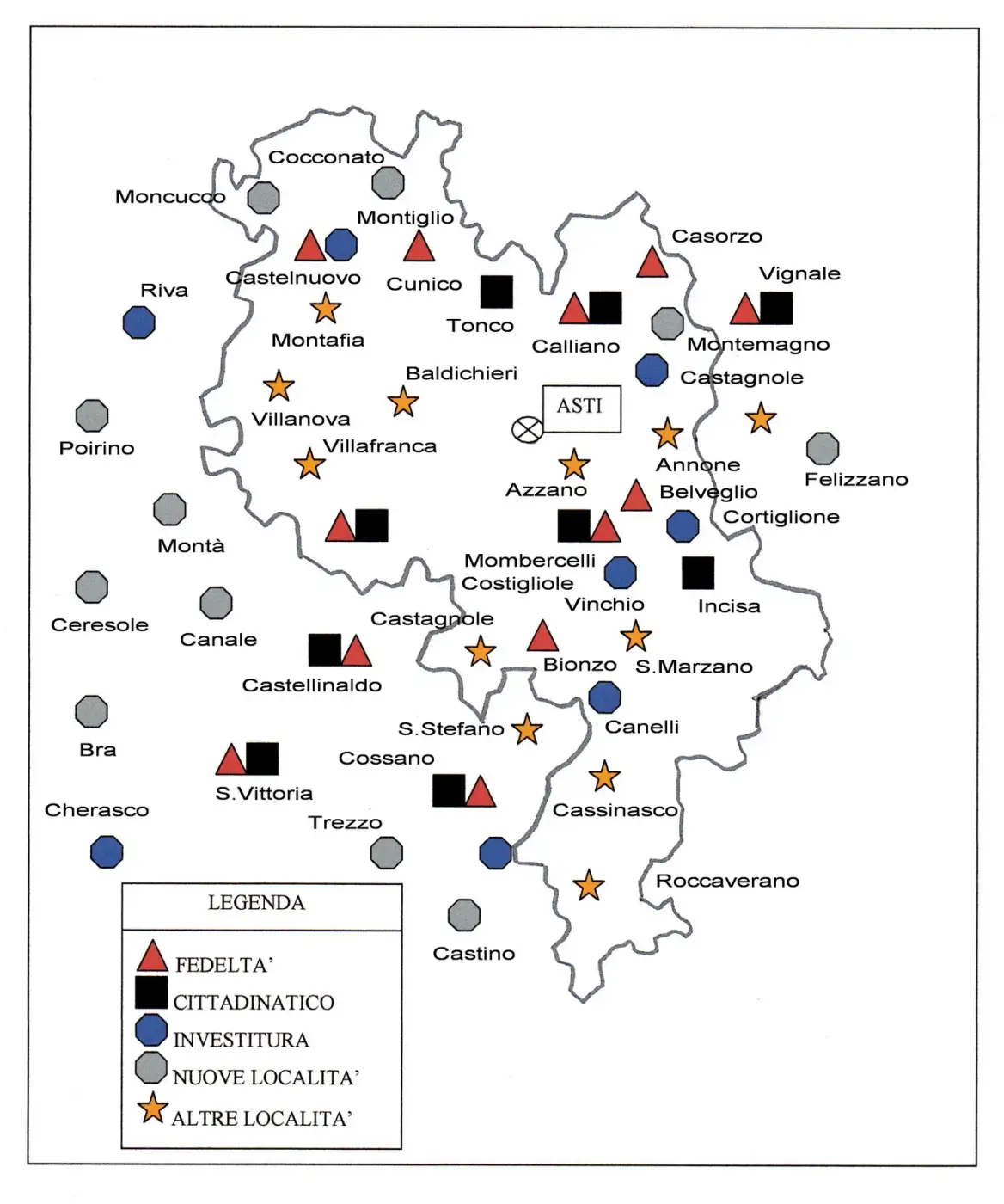 Faberh · CC BY-SA 3.0
Astesana
Astesana is one of the "small patrie" that make up the Piemonte . It is an ancient territory created and coagulated not on the initiative of princes or stately households, but for the political activity and economic intractability of the city that has given it its name: Asti . "Astesana" is a historical-cultural term that for seven centuries has recalled and defined the incessant and still current relations between a city and lands that consider it as its own natural point of reference, as its inevitable capital. Since no state, no small homeland has ever remained equal to itself over the centuries, crystallized in an immutable form, also Astesana has crossed over time a slow evolution and transformation of its borders, which was laid down in the early 18th century. Below are some stages of this long journey.
Read the story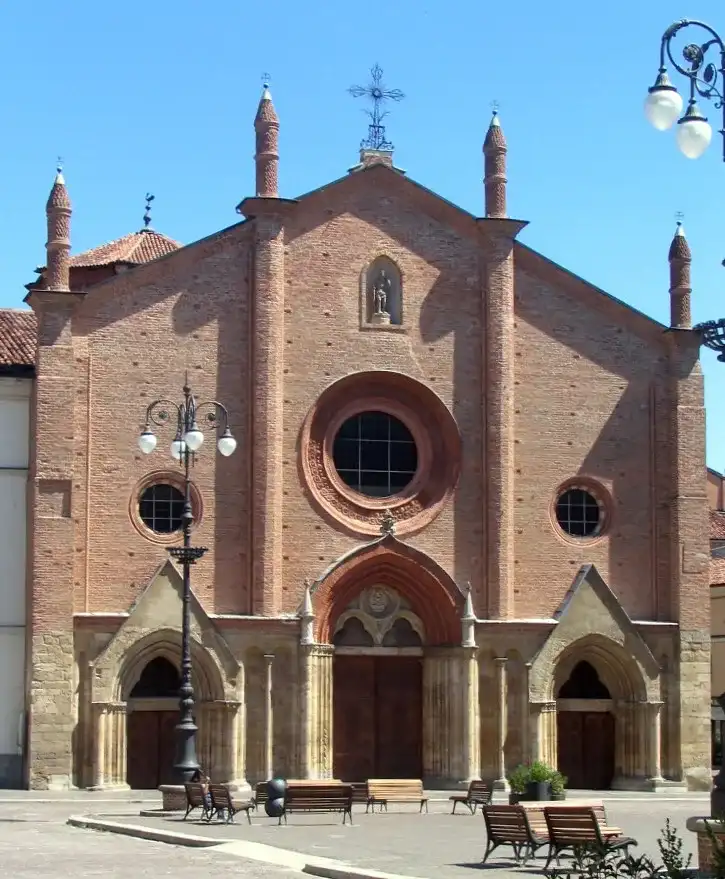 · Public domain
Second of Asti
(Sebastiano Sillano, To the noble homeland of the glorious martyr San Secondo, 1932)
Read the story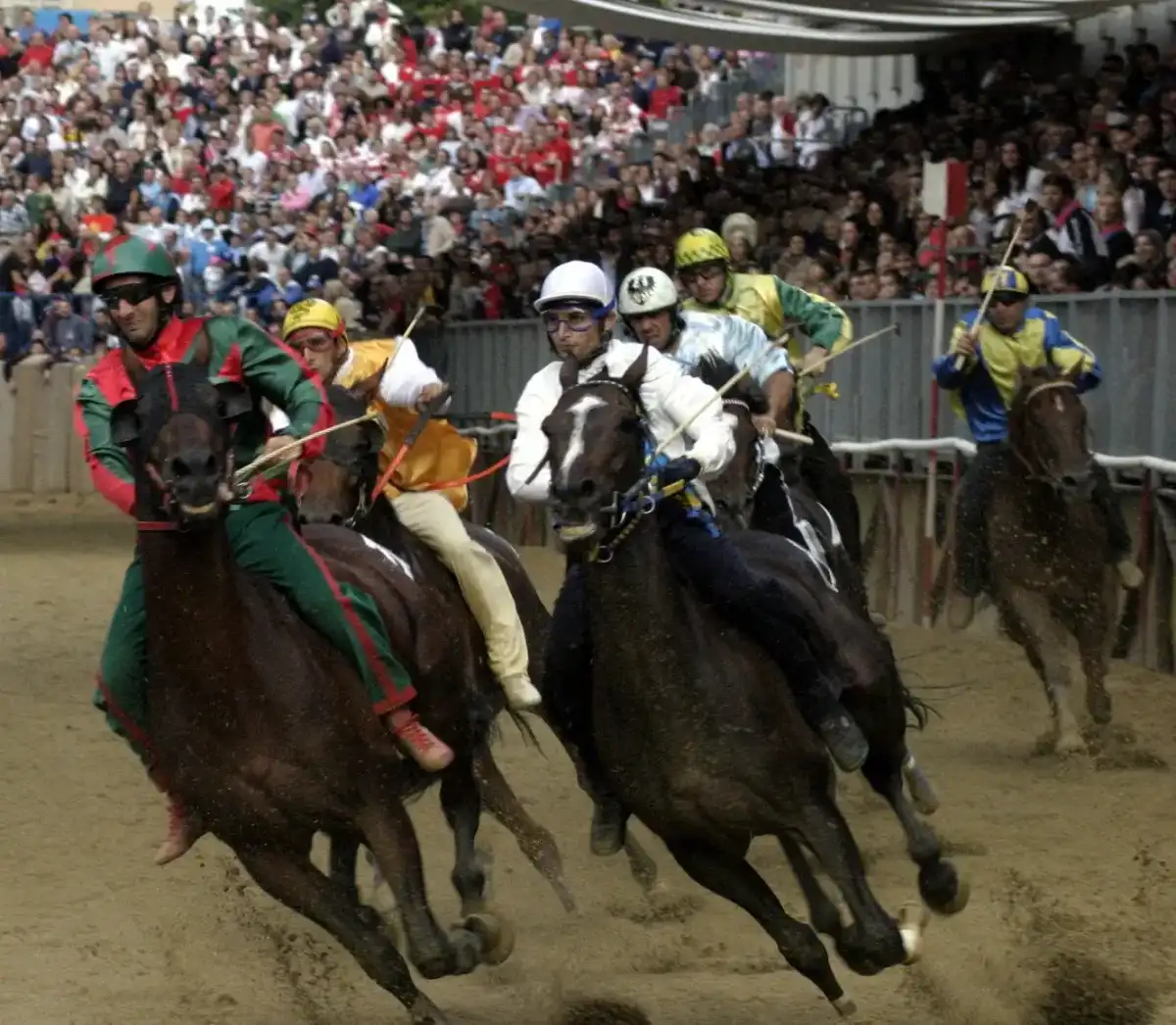 faberh · Public domain
Palio di Asti
The Palio di Asti or Palio Astese (in its most archaic nomenclature) is a traditional Astigian festival that has medieval roots, born in the patronal celebrations of San Secondo , and culminates with a horse race mounted by fur, i.e. without saddle.
Read the story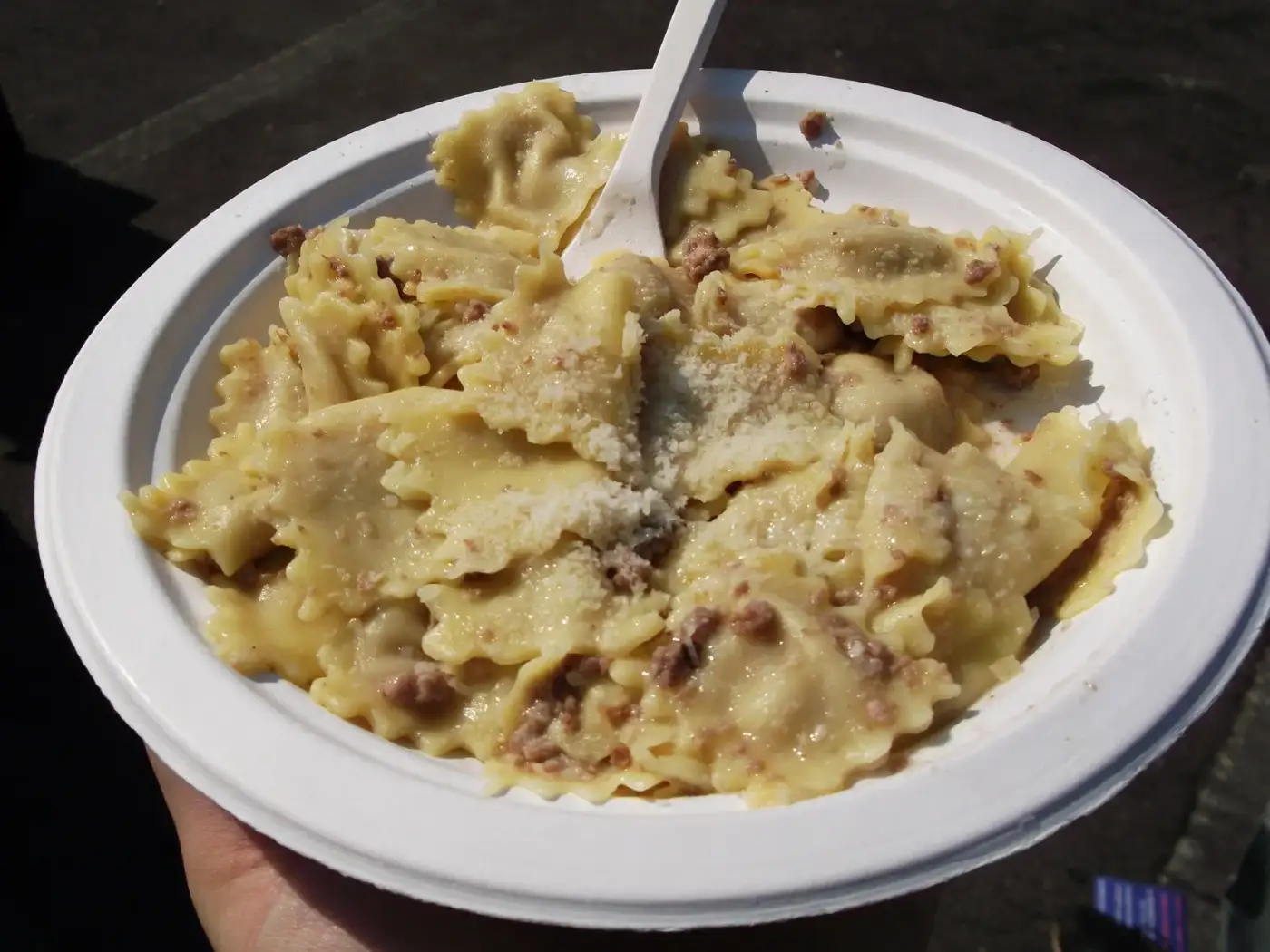 Andrea Marchisio · CC BY-SA 3.0
Festival of the Astigian festivals
The Festival delle Sagre (better known as Sagra delle Sagre) is an eno-gastronomic event held in Asti on the second Sunday of September but that begins, as usual, on the previous Saturday night, when the influence of people sometimes exceeds that of Sunday itself. It is located in the period of "September Astigiano", dominated by the Douja d'Or winery (which lasts ten days) and the Palio di Asti (which runs on the first Sunday of the month from 2 September 2018) . Over 40 pro-sites in the province of Asti offer their gastronomic specialities, accompanied by DOC wines from Astigiani, in a large outdoor restaurant set up in Piazza Campo del Palio di Asti, where, during Saturday night and all day on Sunday, thousands of people can sit in an ancient country village.
Read the story Mikenorton · CC BY-SA 3.0
Earthquake Piemonte Southern 2000
The earthquake of 21 August 2000 was a seismic event of strong intensity that struck the Piemonte southern, especially the provinces of Asti and Alessandria . The shock, of magnitude 4,8 Richter (VII° Mercalli) occurred at 19:14, sowing terror among the population. The epicenter occurred in the area between Nizza Monferrato , Canelli and Acqui Terme , precisely in the municipalities of Bergamasco (OHIM) Cortiglione , Incisa Scapaccino and Castelnuovo Belbo (AT ). It was clearly perceived throughout the North-West, Lombardy and partly even to the Apennines Tosco-Emilian; slightly felt in south-eastern France.
Read the storyEucharistic Miracle of Asti
The Eucharistic miracle of Asti would take place in 1535 in the homonymous city: while a priest celebrated Mass, when the host was broken, drops of blood in the chalice and on the pawn would be dried.
Read the storyThe wine landscape
This village in wine country
Follow the link between the country, the vineyards and the neighboring territories.
The area, step by step
Trails and routes in Asti

 WalkingAround the starting point

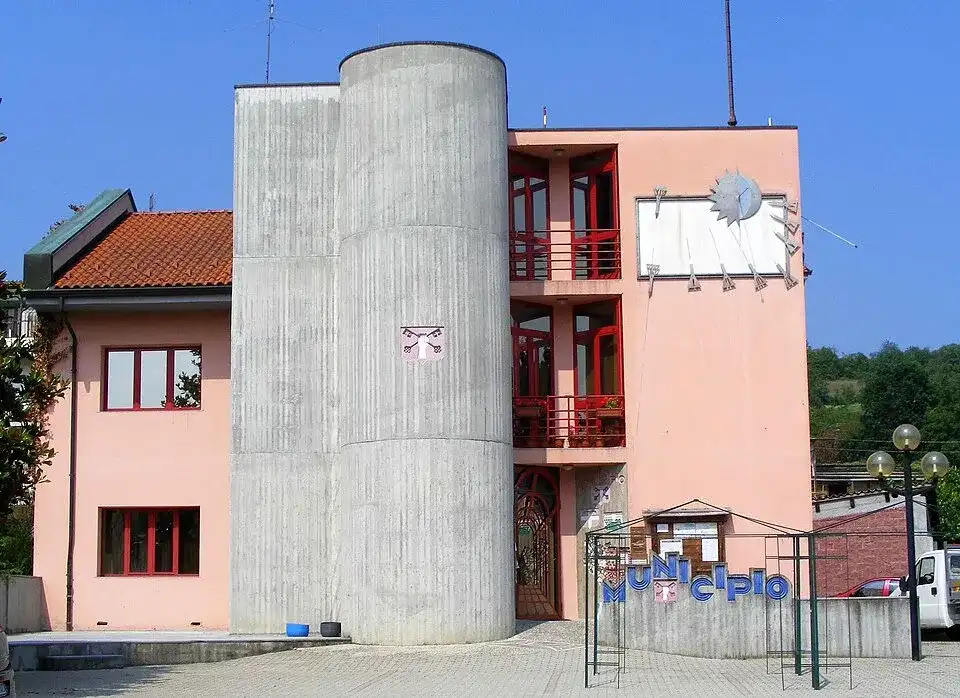 WalkingAround the starting point
Asti, Alessandria and surroundings
Berzano - Cinzano - Vezzolano - Albugnano - Pino D'Asti - Albugnano - Berzano
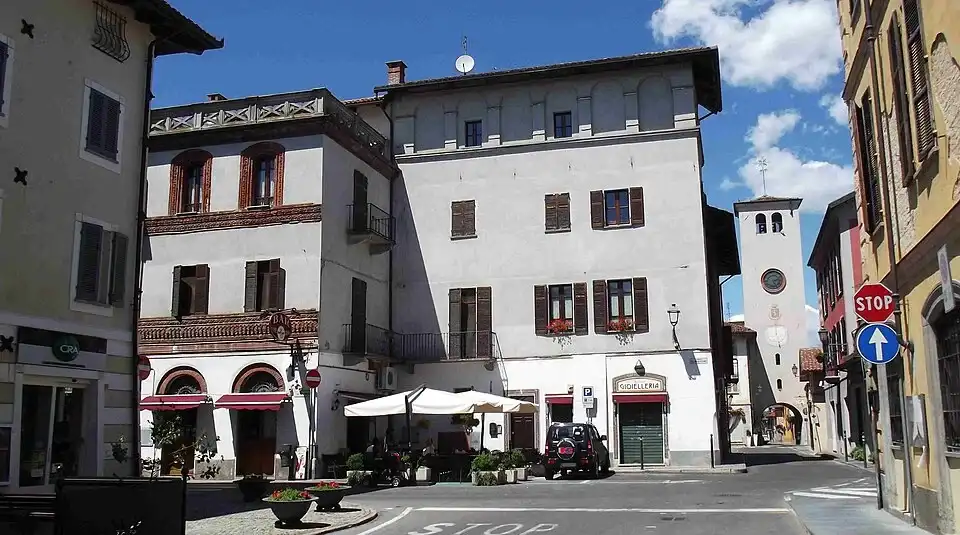 WalkingPlaces and landscapes along the route
Asti, Alessandria and surroundings
San Michele - Villanova d'Asti
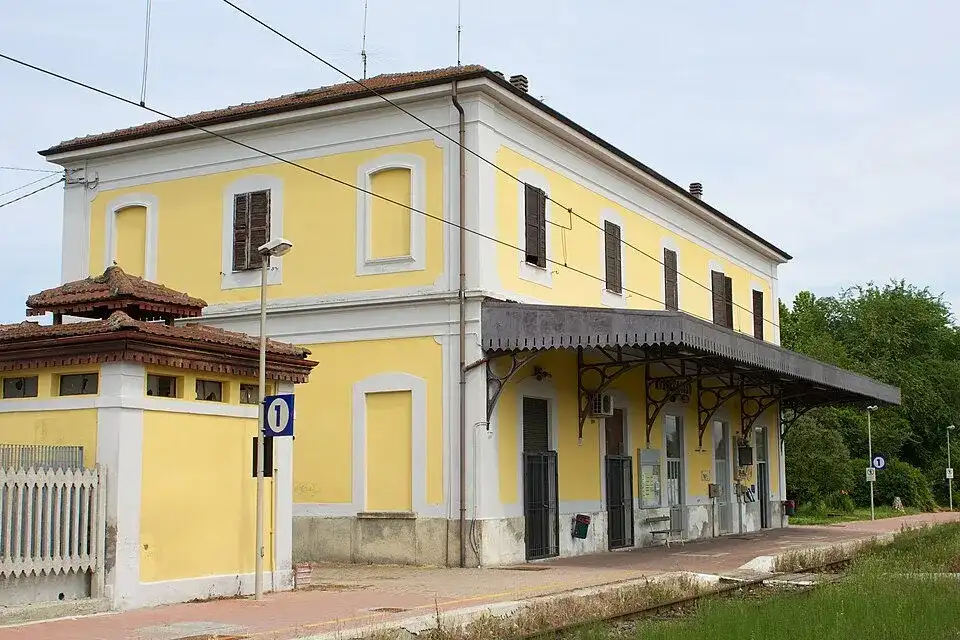 Mountain bikeAround the starting point
Asti, Alessandria and surroundings
Anello MTB Montegrosso d'Asti - Castiglione Tinella
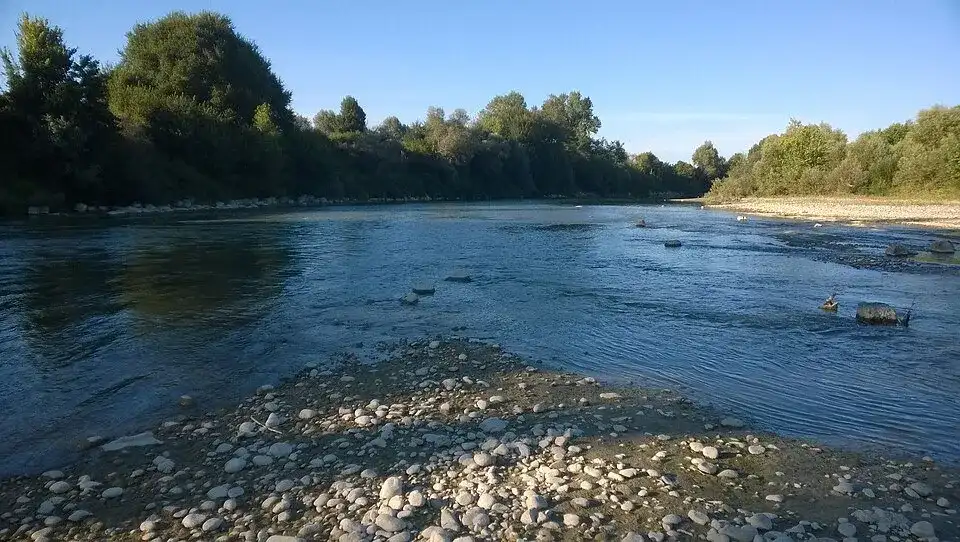 WalkingAround the starting point
Asti, Alessandria and surroundings
BROOTREKKING Revigliasco d'Asti
 Mountain bikeAround the starting point
Asti, Alessandria and surroundings
Ciclovia delle Terre Unesco - Alba, Asti, Casale Monferrato
 CyclingAround the starting point
Asti, Alessandria and surroundings
Alessandria Asti risalendo il Tanaro
 CyclingAround the starting point

 Mountain bikeAround the starting point
 Mountain bikeAround the starting point
 Mountain bikeAround the starting point
Asti, Alessandria and surroundings
Il Cammino di Sant’Evasio in Mtb
Mountain bikeAround the starting point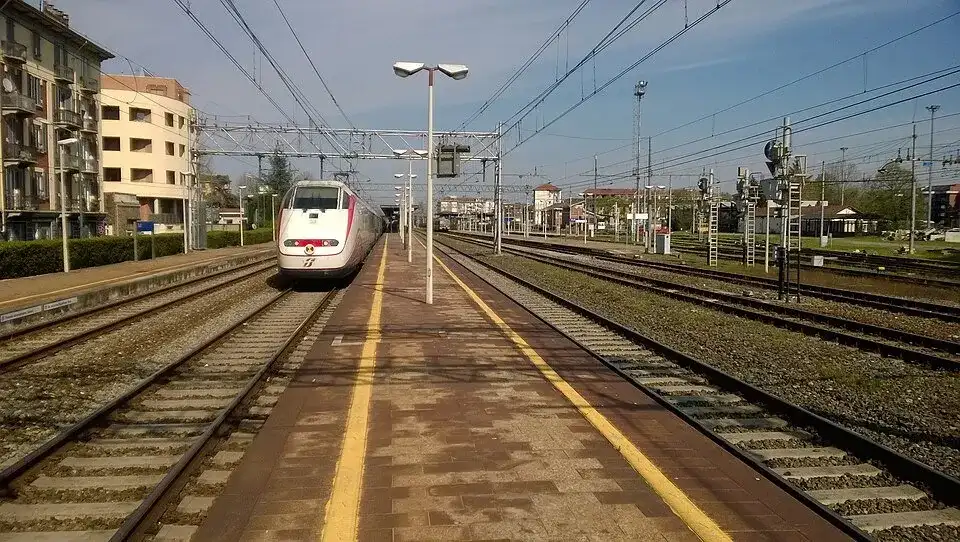 CyclingAround the starting point


Asti, Alessandria and surroundings
Forti e castelli tra il Dolcetto e il Gavi

Asti, Alessandria and surroundings
Ciclovia Svizzera Mare, Bicitalia 15
 Mountain bikeAround the starting point
Asti, Alessandria and surroundings
La Via Francigena verso il mare
 WalkingAround the starting point
Asti, Alessandria and surroundings
Sentiero quattordio e le sue frazioni


 WalkingAround the starting point
 WalkingAround the starting point


 WalkingAround the starting point
 WalkingAround the starting point
 WalkingAround the starting point


 WalkingAround the starting point

 WalkingAround the starting point

 WalkingAround the starting point
 WalkingAround the starting point
 WalkingAround the starting point

 WalkingPlaces and landscapes along the route

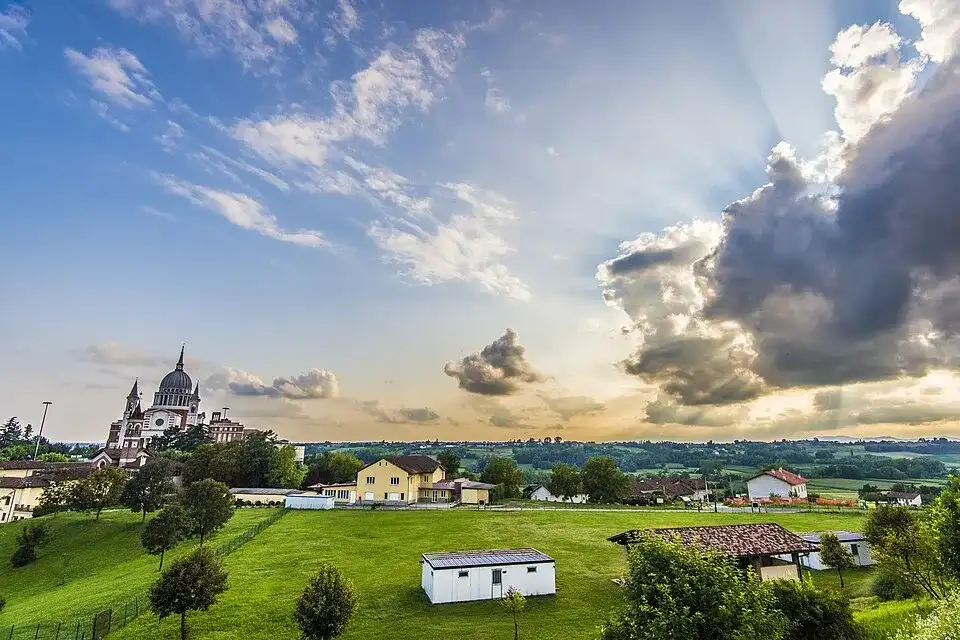 WalkingAround the starting point
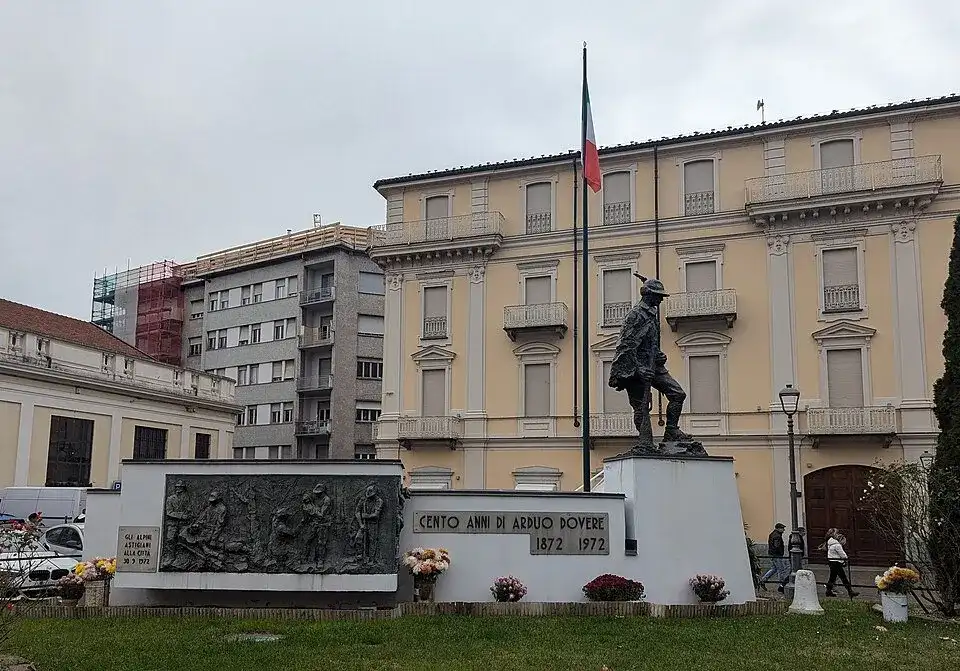 WalkingAround the starting point
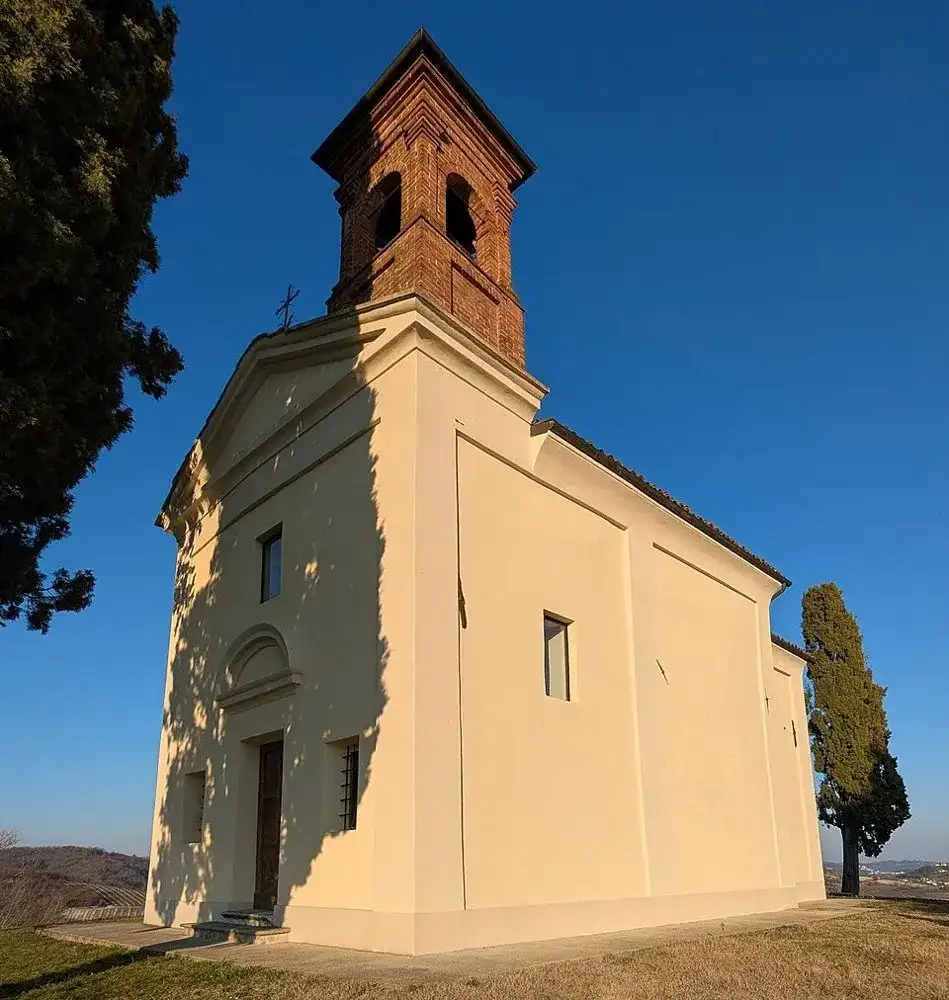 CyclingAround the starting point


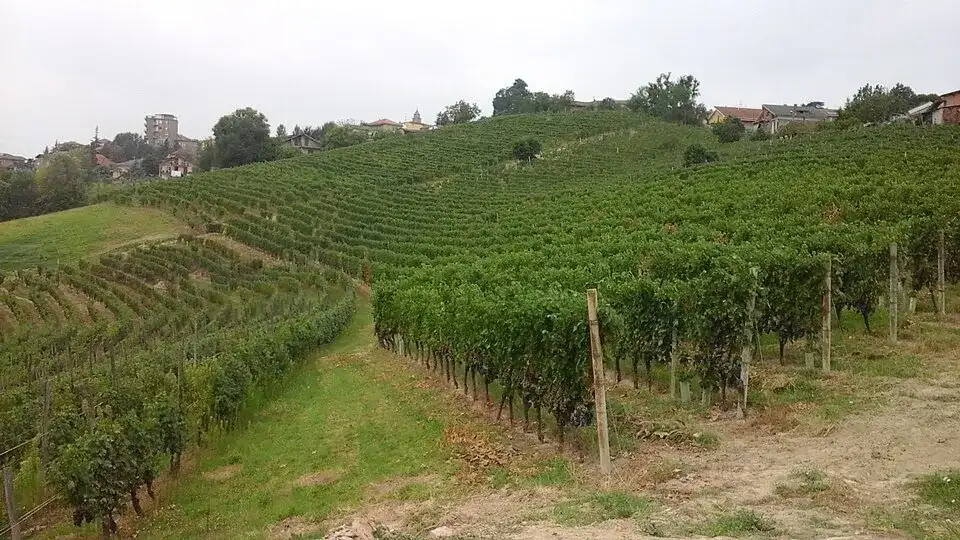 WalkingAround the starting point
Astigiano area
AGLIANO TERME - Percorso della Barbera

Astigiano area
COAZZOLO, tra arte e fantasia


 CyclingAround the starting point
 CyclingAround the starting point
 Mountain bikeAround the starting point
 Mountain bikeAround the starting point
 Mountain bikeAround the starting point
 Mountain bikeAround the starting point

