Atlas of Monferrato
Costigliole d'Asti: sights, history and trails
Asti
- Elevation
- 242 m above sea level
- Area
- 36.94 km²
- Demonym
- ribs
- Patron saint
- Blessed Virgin Mary of Loreto
A closer look
Discovering Costigliole d'Asti
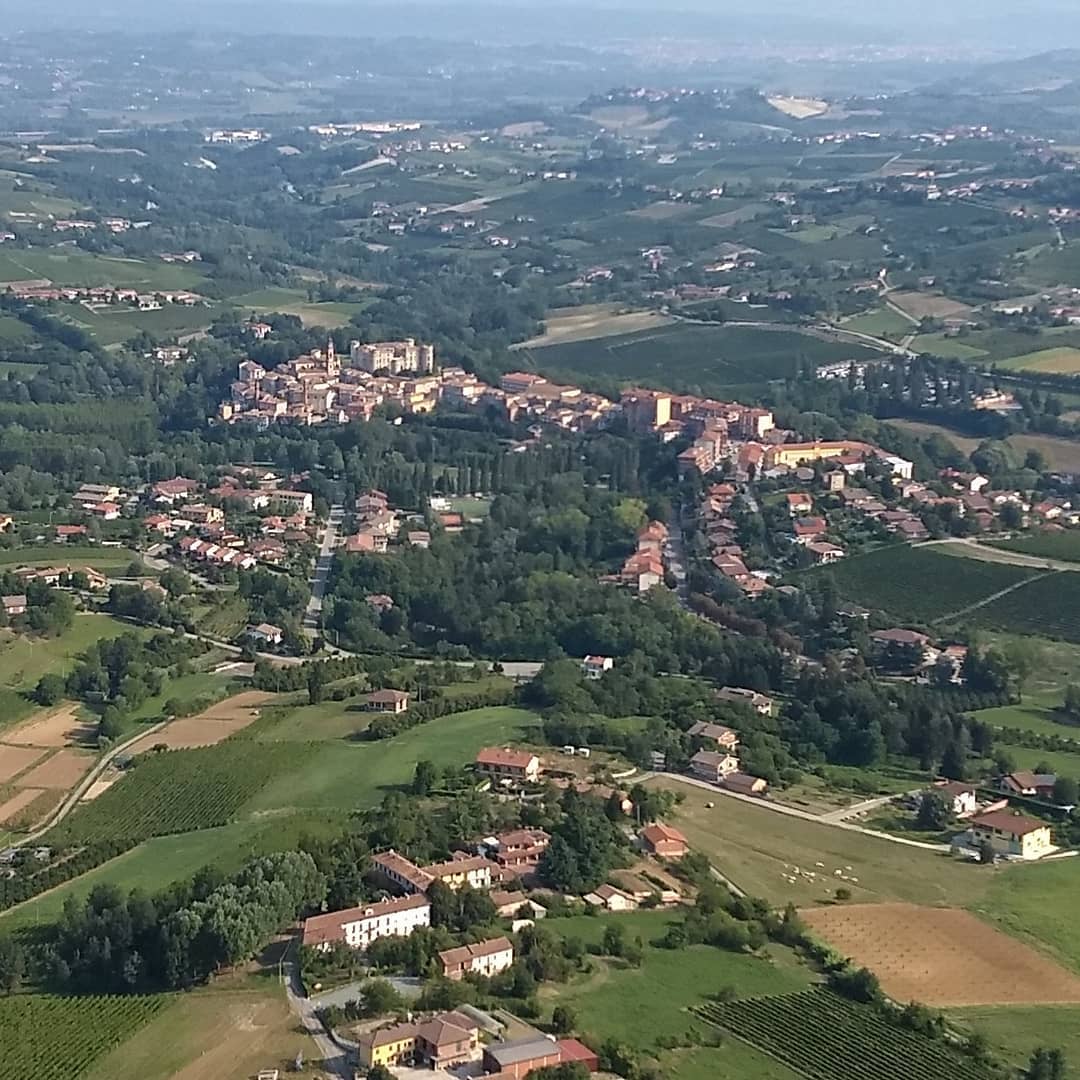
Costigliole d'Asti (Costs of Ast in Piedmont) is an Italian municipality of 5 674 inhabitants[1] from the province of Asti in the Piemonte. It covers approximately 35 km2 in Astesana, among Monferrato and Langhe.
Origins of the name
The name derives from Corte Costeliolae and then Costigliolis but, not being precise writings, it is presumed to have the name to its position (on a coast) and to an arboreal essence...Explore this chapter
The name comes from Court Costeliolae and then Costigliolis but, not being precise writings, it is assumed that the name should be given to its position (on a coast) and to an arboreal essence diffused in the area, the linden.
History of Costigliole d'Asti
Castles · Degrees · SymbolsExplore this chapter
According to an incorrect interpretation of the chroniclers Guglielmo Ventura and Antonio Astesano, "Casteglolis" It was born after the destruction of Loreto by the locals in 1255. There are, however, news of the locality already in the list of domains of the bishop of Asti in 1041. It is doubtful that, following the destruction of Loreto, the locality would increase its population.
During the civil wars between the Astigian families, Costigliole spent several times in hand at the Solaro guelphs and the De Castello Ghibellines, until they sold it to the family. Asinari in (1315).
In 1382, Antonio Asinari, remaining sole owner of the locality, cunningly acted as submissive to Amedeo VI of Savoia, finally melting from the dependence of the municipality of Asti. From that moment on, Costigliole was always administered according to the Sabaude laws, even when Asti, losing his independence, passed first under the Viscount dominion, then Monferrino and finally orleanese.
Castles
The manor of Costigliole included (and partly still includes) some castles and places of historical interest:
- The Castello di Costigliole d'Asti.
- The Castle of Burio, located in Burio, a few kilometers from Costigliole in a southerly direction.
- The Motta or Mota Tanagri, north of Costigliole, on the road to San Damiano d'Asti. In this location, still present, there was an ancient castle (now disappeared). In 1387 La Motta became a fiefdom of the Lajolo family, then passed to the Ottina family, who sold it to the Asinari in 1435.
- Bionzo (Villa Blonearum), on the road towards Calosso. The area was the scene of destruction by the Milanese in 1230. Of the ancient vestiges, only the parish church of San Siro remains.
- Cavorro (Caburro); of the locality there are only a few remains. On the hill, now called San Martino in memory of the church of San Martino de Caburro, cited in 15th century chronicles as one of the four parishes of Costigliole. In memory of this, once the houses in the southern area of Costigliole were part of the Cavorro village, which later became Villavecchia, and the door towards the Tanaro was said Port Cavorro.
- Lù (Monte Leucio), poggio tra Agliano Terme And Montegrosso d'Asti. The castle, totally destroyed in the 16th century, was owned by the Asinari di San Marzano. In the diploma of Henry III of 1041 it is already present as Mons Leduci.
Degrees
Loreto (Laureti) is a town located between Costigliole and the Tinella stream, southward. The place, full of history, has always been the center of legendary tales, witnessing its ancient origins.
According to Quintino Sella, Loreto belonged in 967 to the Brand Aleramica. After Aleramo's death his fiefs passed to the descendants and the fief of Loreto, probably derived from a wild of lauri, finally touched the famous Marquise Bonifacio del Vasto, pronipote of Aleramo, who left him to his son Oddone. Having left these without children, the Loreto committee was divided among the grandchildren, including Manfredi Lance, cadet son of the founder of the marquises of Busca. Manfredi had earned the nickname "Lancia" while serving as a spearman for Emperor Frederick Barbarossa.
In 1231, during a visit to northern Italy, Frederick II fell in love with Bianca Lancia and Manfredi was born from this union, also remembered by Dante in the Divine Comedy
(Purg. III)
The disputes lasted until 1255, when, at the death of Frederick II, the Astigians recovered the castle and destroyed it entirely, transporting its inhabitants to the nearby town of Costigliole. Loreto is now a small hamlet composed of about forty rural houses, distributed around the church dedicated to Madonna Laurethane. The destruction left no trace, except two small slabs of light blue marble preserved in the church on which a Roman cross and a Benedictine monk are carved.
Symbols
The coat of arms and gonfalone were granted with DPR n. 592 of 10 February 1977.[4]
- Coat of arms
- Banner
What to see in Costigliole d'Asti
Explore this chapter
- Castello di Costigliole d'Asti Verasis-Asinari. Pre-dating the year 1000, with a quadrangular plan measuring 60 meters on each side, with a height of 25 meters and with four towers reaching 28 metres, it is one of the most impressive castles in the Asti area. Of particular value is the western staircase designed by Filippo Juvara, which varies depending on the floor accessed. In 1775, King Vittorio Amedeo III was celebrated who visited the castle and in 1821 it hosted the Marquis Carlo Asinari and other liberals, before his exile due to the constitutional uprisings. In July 1854, Virginia Oldoini, Countess of Castiglione, arrived there as the wife of Francesco Verasis.
- Castle of Burio located in the hamlet of Burio. Located on a hill south of Costigliole d'Asti near the border between Langhe and Monferrato, at the confluence of the Tinella and Nice streams, it is a couple of kilometers from the town and is surrounded by fields exclusively cultivated with vineyard. Of typically astigiano-monferrina structure, after falling into abandonment, it was restored from 1980.
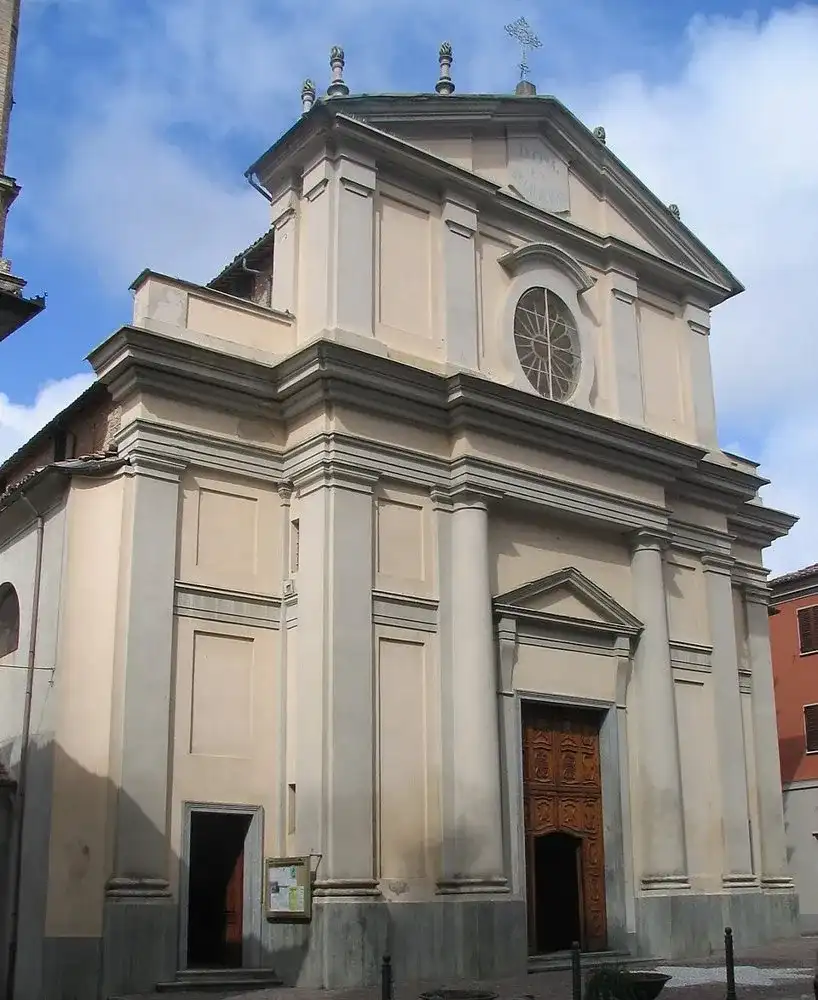
- Parish of Our Woman in Loreto (1816), with works by Lorenzo Peretti and Michelangelo Pittatore.
- Church of the Brotherhood of S.Gerolamo, also known as the White drums; inside is the Museum of Sacred Art.
Society
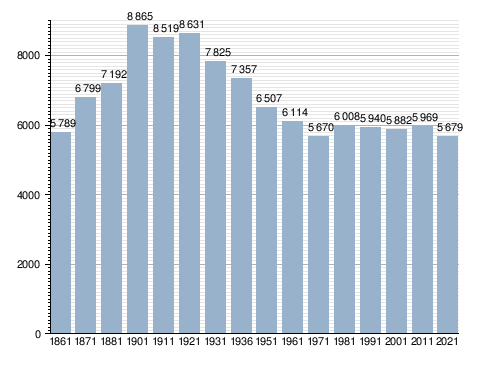
Demographic evolutionExplore this chapter
Demographic evolution
Inhabitants registered[8]
Culture
Palio di Asti · Food and wine · Red wineExplore this chapter
- Plin Raviol Sagra (Crushed Closure). Organized by the Municipality and the Pro loco. Mid-August.
- Festival of the Astigian festivals or Festival of the festivals. Second Sunday of September ad Asti.
- Palio dei Borghi. Traditional 7-a-side football tournament between the different villages and districts of the municipality which is held every summer.
Palio di Asti
The Brotherhood of St. John or the Mercy of Costigliole participated and won, with an expense of 700 lire, to the race of Palio di Asti 1785. The won sendallo is still preserved in the parish church; with the fabric of the palio a piviale, a planet and a tunicella in red velvet. In modern times, Costigliole took part in all the editions of the Palio of the Fascist era, except that of 1930. Subsequently, he participated in all editions from 1967 to 1984.[9]
Food and wine
Costigliole boasts one of the most active Italian non-profit associations in the food and wine sector, which is named ICIF, whose aim is to promote the culture of quality Italian agri-food products abroad and spread them globally. The association is known all over the world and especially in China[without source]. It is based in the castle of Costigliole. The city is also renowned for its wines.
Red wine
From the Barbera vine, three red wines are obtained:
- Piemonte Barbera doc, red color.Minimum radiation: grades 11
- Barbera d'Asti DOCG, of ruby red colour, tending to garnet, dry, of full-bodied taste. Minimum gradient: grade 12
- Barbera del Monferrato doc, of ruby red colour, dry, lively or sparkling. Minimum gradient: grades 11.5
They are also produced:
- Monferrato Dolcetto doc, of ruby red color. Minimum gradient: grade 11
- Grignolino d'Asti doc, coloured ruby red. Minimum gradient: grade 11
- Freisa d'Asti doc, of garnet red color. Minimum gradient: grades 10,5
- Piemonte Brachetto, of ruby red colour, sweet, lively. Minimum gradient: grade 11
White wines
- Piemonte Cortese, straw yellow color, dry. Minimum gradient: grades 10
- Piemonte Chardonnay, straw yellow, dry. Minimum gradient: grades 10,5
From the Moscato vine are produced:
- Moscato d'Asti DOCG, straw-coloured, sweet, lively or sparkling. Overall rating: 11 degrees (alcohol 4.5 cfo)
- Asti DOCG sparkling wine, straw-coloured, sweet, lively or sparkling. Overall rating: 11 degrees (alcohol 7 cfo)
- Piemonte Passed Moscato, amber yellow color, sweet. Overall rating: grades 15.5 of which at least 11 were held.
Typical dishes and products
White truffles, tunaed calf, raw meat salad beat to the knife, peppers in wet cedar (in hot sauce), roasts or stuffed, cured meats and cotechini, Piedmontese mixed fried fish, financiera, ravioli with the plin (pizzicotto), tajarin (tagliatelle), boiled meats with bagnet (green sauce), braised meats and roasts, bunet al chocolate (chocolate dessert), zabaglione with moscato, fruit cakes, tirà, turcet (torcetti).
Infrastructure and transport
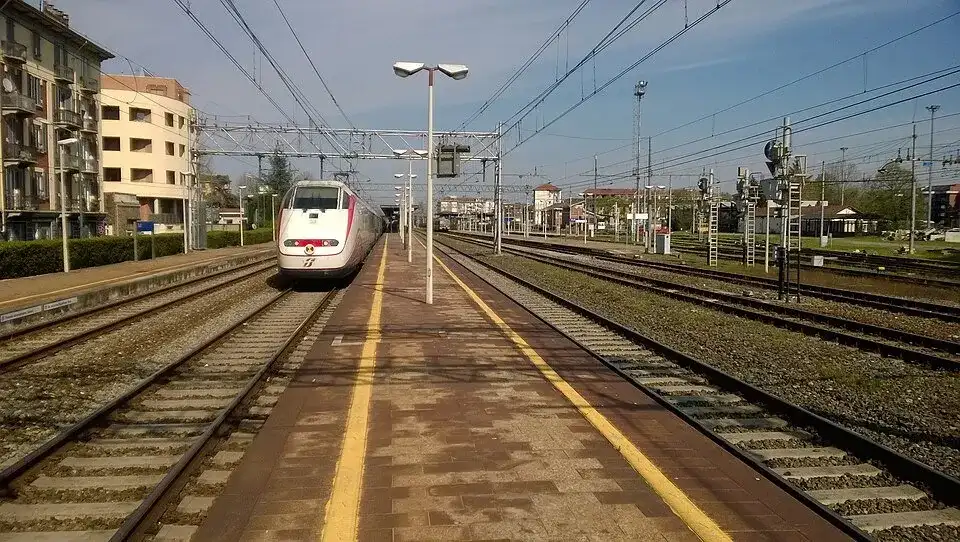
In the municipality of Costigliole there are two railway stations:Explore this chapter
In the municipality of Costigliole there are two railway stations:
- Motta di Costigliole, on the Castagnole delle Lanze - Asti - Mortara line, located in the hamlet of Motta;
- Costigliole d'Asti, on the Alessandria - Cavallermaggiore line, located in the hamlet of Boglietto.
The two stations have been completely disused since 2012 for the suppression of lines, reactivated for tourist trains in 2018.
Motta di Costigliole station is again in use for passenger traffic from 11 September 2023, with twelve regional trains daily from Monday to Friday along the Asti-Alba route, replaced on Saturday and Sunday by bus service with stop in the square outside the station itself.[10]
Administration
TwinningExplore this chapter
Below is a table relating to the administrations that have succeeded one another in this municipality.
| Period | First citizen | Match | Load | Notes | |
|---|---|---|---|---|---|
| June 27, 1985 | May 11, 1990 | Riccardo Bellone | Christian Democracy | Mayor | [11] |
| June 11, 1990 | April 24, 1995 | Luigi Solaro | Christian Democracy | Mayor | [11] |
| April 24, 1995 | June 14, 1999 | Guido Boeri | Northern League | Mayor | [11] |
| June 14, 1999 | June 14, 2004 | Luigi Solaro | civic list | Mayor | [11] |
| June 14, 2004 | June 8, 2009 | Luigi Enrico Solaro | civic list | Mayor | [11] |
| June 8, 2009 | May 25, 2014 | Giovanni Borriero | civic list | Mayor | [11] |
| May 26, 2014 | May 25, 2019 | Giovanni Borriero | civic list Transparency and commitment | Mayor | [11] |
| May 26, 2019 | June 9, 2024 | Enrico Alessandro Cavallero | Lista civica Costigliole VIVA! | Mayor | [11] |
| June 10, 2024 | In charge | Enrico Alessandro Cavallero | Lista civica Costigliole VIVA! | Mayor | [11] |
Twinning
Costigliole d'Asti is twinned with:
 Weinsberg, since 2000
Image gallery
Explore this chapter
-
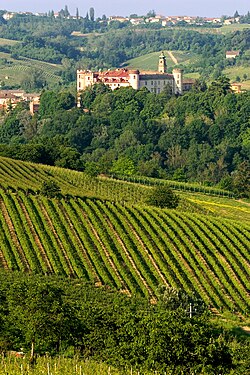 The Castle of Costigliole d'Asti
-
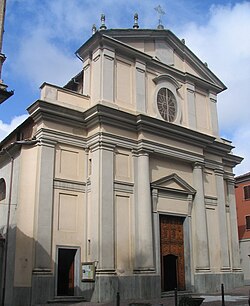 Parish Our Lady of Loreto
-
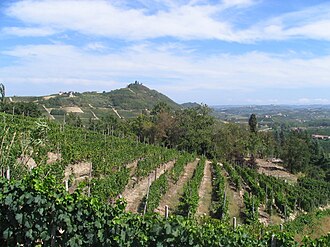 View of the Bricco Lù
-
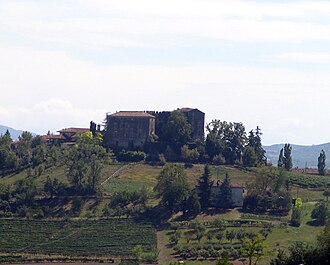 View of Burio Castle
-
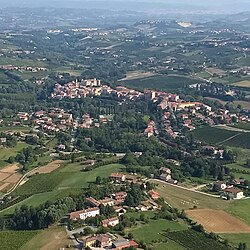 Air view of Costigliole d'Asti
Notes
Explore this chapter
- ^ to b Monthly demographic balance for the year 2026 (provisional data), up demo.istat.it, ISTAT.
- ^ Seismic classification (XLS), up risks.protezionecivile.gov.it.
- ^ Table of degrees/day of Italian Municipalities grouped by Region and Province (PDF), in Law 26 August 1993, n. 412, annex A, National Agency for New Technologies, Energy and Sustainable Economic Development, 1 March 2011, p. 151. URL consulted on 25 April 2012 (archived fromoriginal url on 1 January 2017).
- ^ Costigliole d'Asti, up Central State Archive. Retrieved 30 July 2025.
- ^ Coat of arms, up Municipality of Costigliole d'Asti.
- ^ The coat of arms is described in Antonio Manno, Historical Bibliography of the States of the monarchy of Savoy, vol. 5, Turin, F.lli Bocca, 1893, p. 15.
- ^ Banner, up Municipality of Costigliole d'Asti. Retrieved 30 July 2025.
- ^ Data taken from:
- Resident population of the municipalities. Censuses from 1861 to 1991 (PDF), up ebiblio.istat.it, ISTAT.
- Resident population - Time series, up exploredati.istat.it.
Please note: 2021 data refers to permanent census data as of December 31 of that year.
- ^ I.Bologna, C.Caramellino, The Brotherhoods of the Bato and the humiliated/humiliated in the province of Asti, history, art, devotion. Exhibition catalogue, Palazzo della Provincia di Asti, 11-30 March 1995.
- ^ Redazione, Finally the return train Asti- Alba stops also at Motta di Costigliole, up CentoTorri, 19 September 2023. Retrieved 23 June 2025.
- ^ to b c d And f g h the https://amministratori.interno.it/
Where to stay · Costigliole d'Asti
Find stays on Booking.comStories, places and people
More about Costigliole d'Asti and the surrounding area
Follow a thread of history and see where it leads.
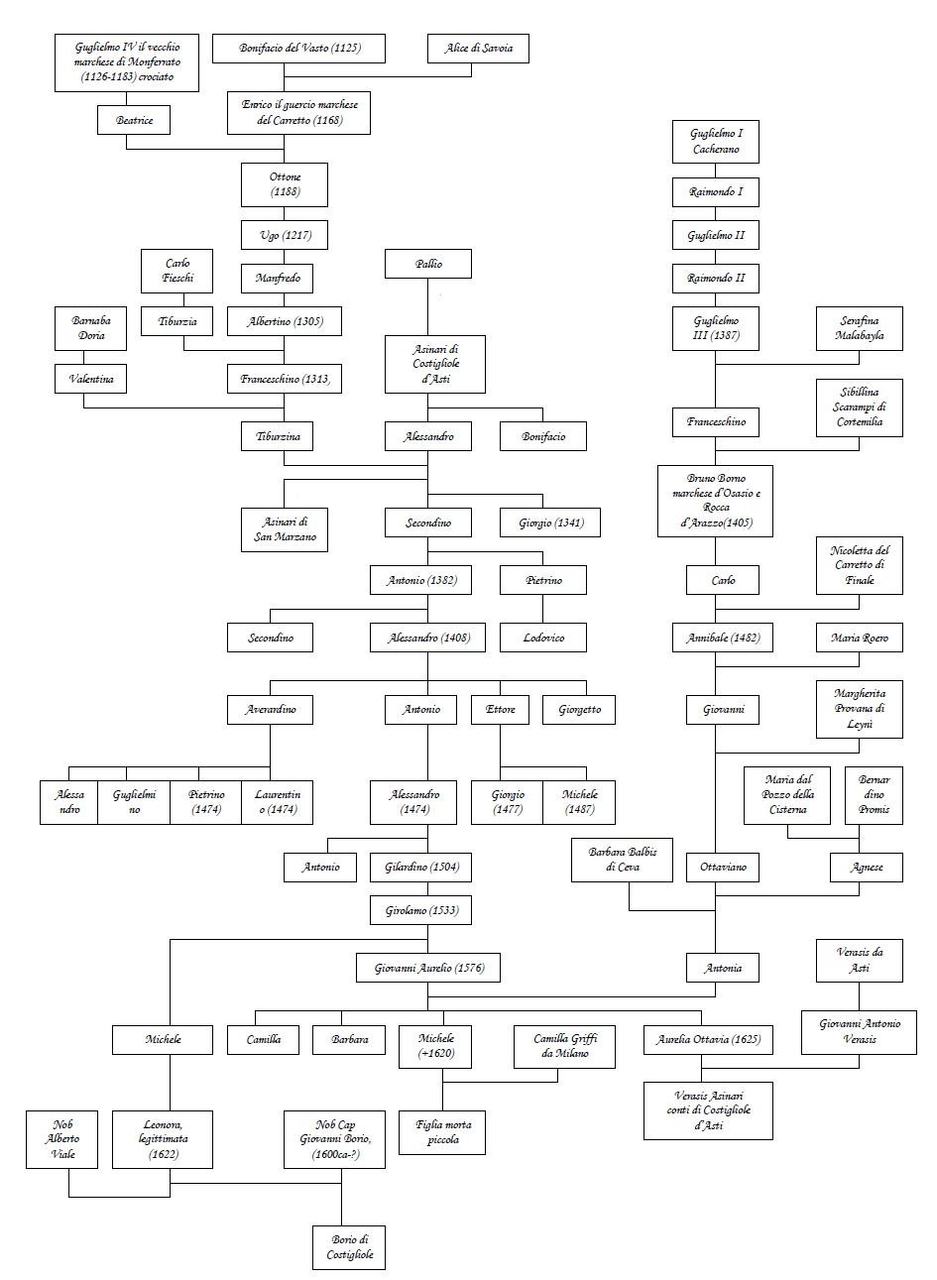 Lorenzo Borio · Public domain
Asinari
The Casata degli Asinari is a Piedmontese aristocratic family native to Asti .
Read the story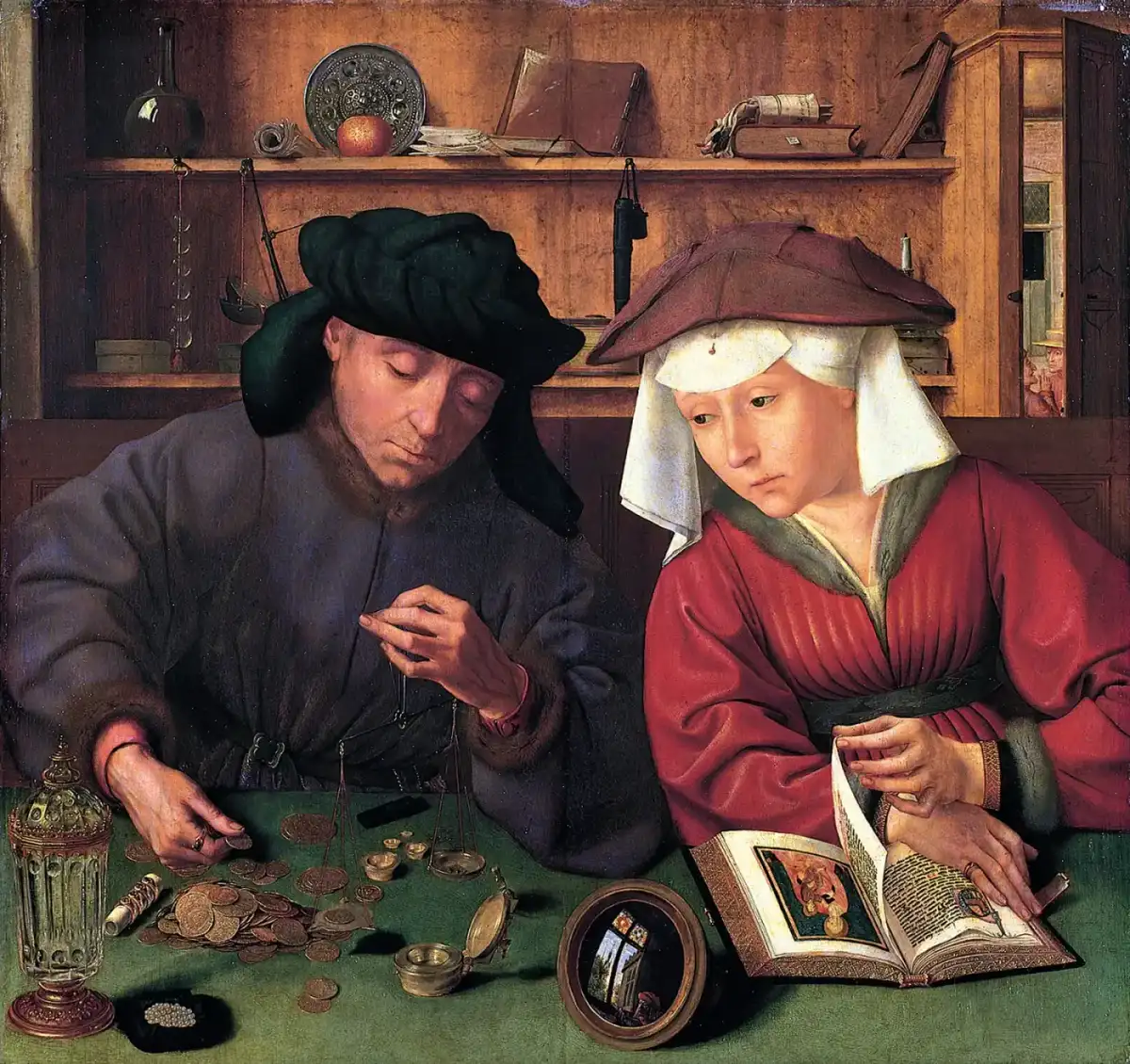 Quentin Massys · Public domain
Astigian house
In the Middle Ages, the Asian farms were banks which carried out in Asti, during the Middle Ages, exchange-rate and loan activities on pledges.
Read the story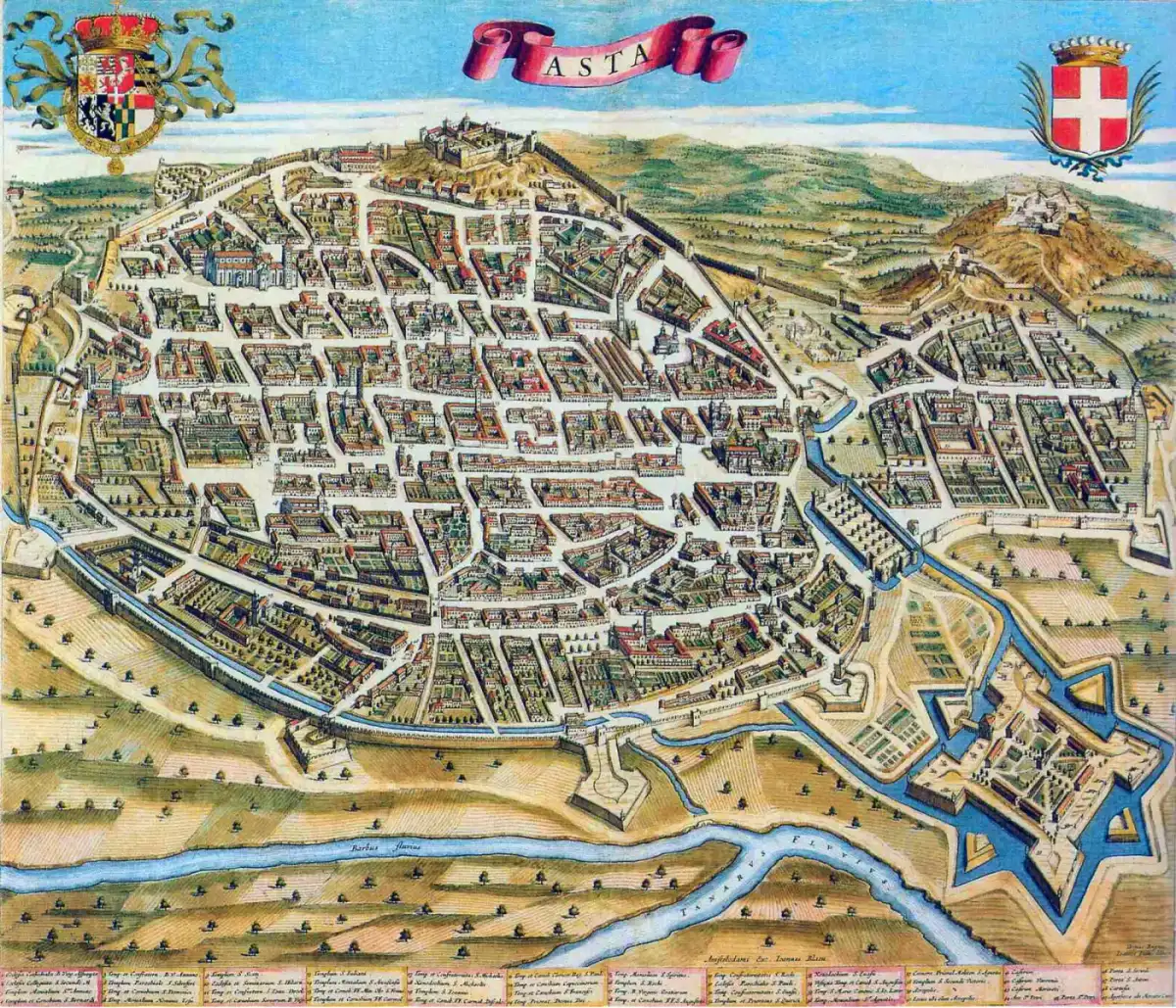 Sconosciuto Unknown author · Public domain
History of Asti
(from an inscription of the Theatro delle città d'Italia with nine additions. Padova, Bertelli, 1629)
Read the story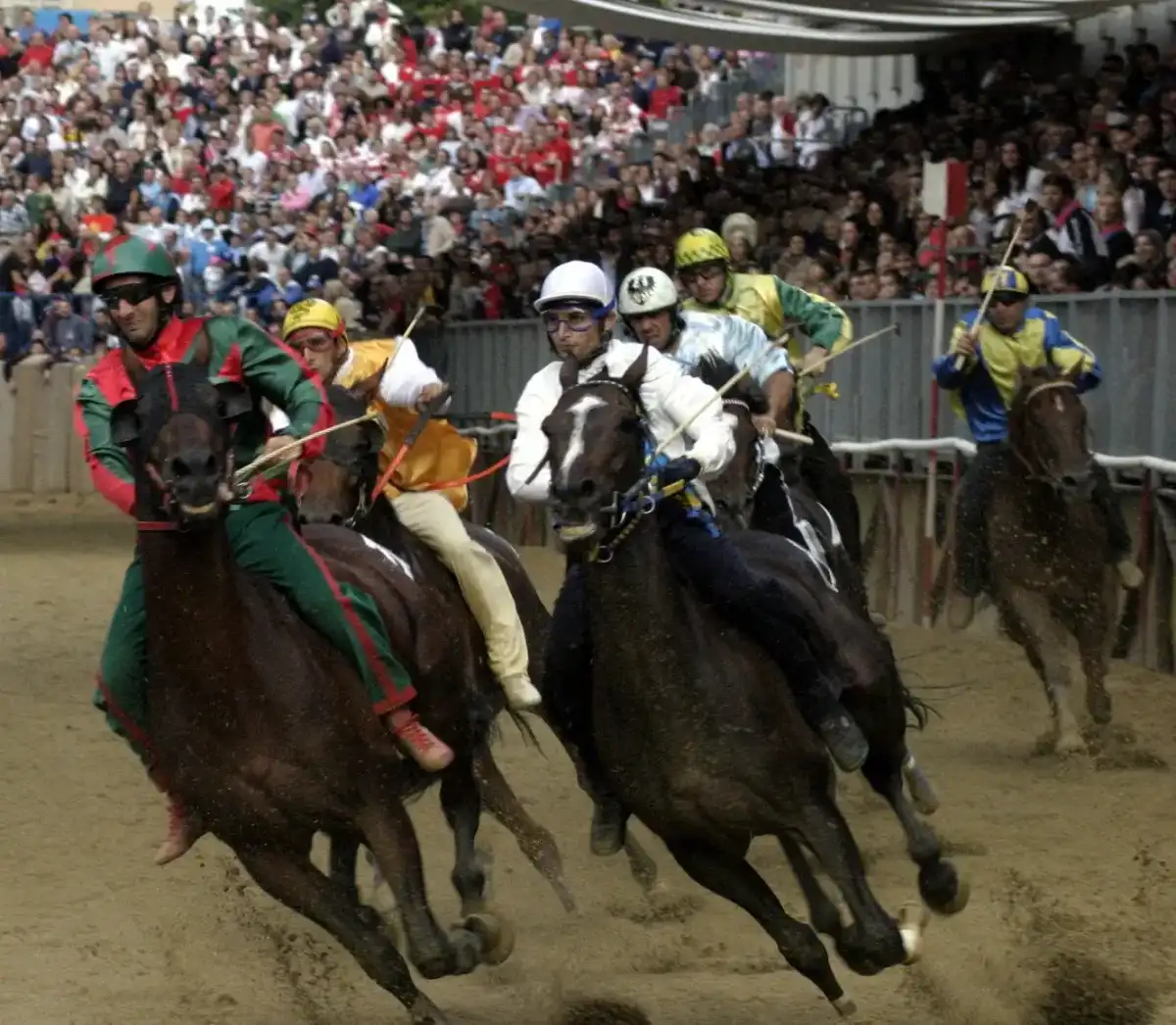 faberh · Public domain
Palio di Asti
The Palio di Asti or Palio Astese (in its most archaic nomenclature) is a traditional Astigian festival that has medieval roots, born in the patronal celebrations of San Secondo , and culminates with a horse race mounted by fur, i.e. without saddle.
Read the story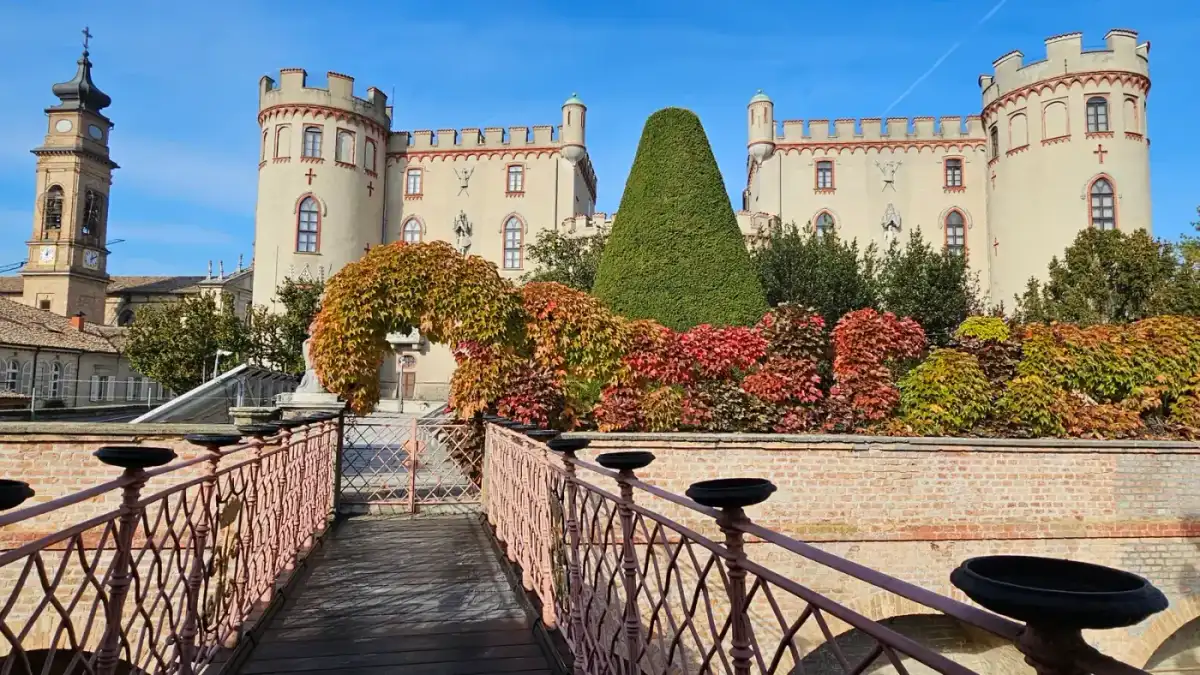 Klaus Noto · CC0
Castello di Costigliole d'Asti
The castle of Costigliole d'Asti is a medieval castle, renovated during the centuries. It is part of the circuit " Castelli Aperti " del Basso Piemonte .
Read the story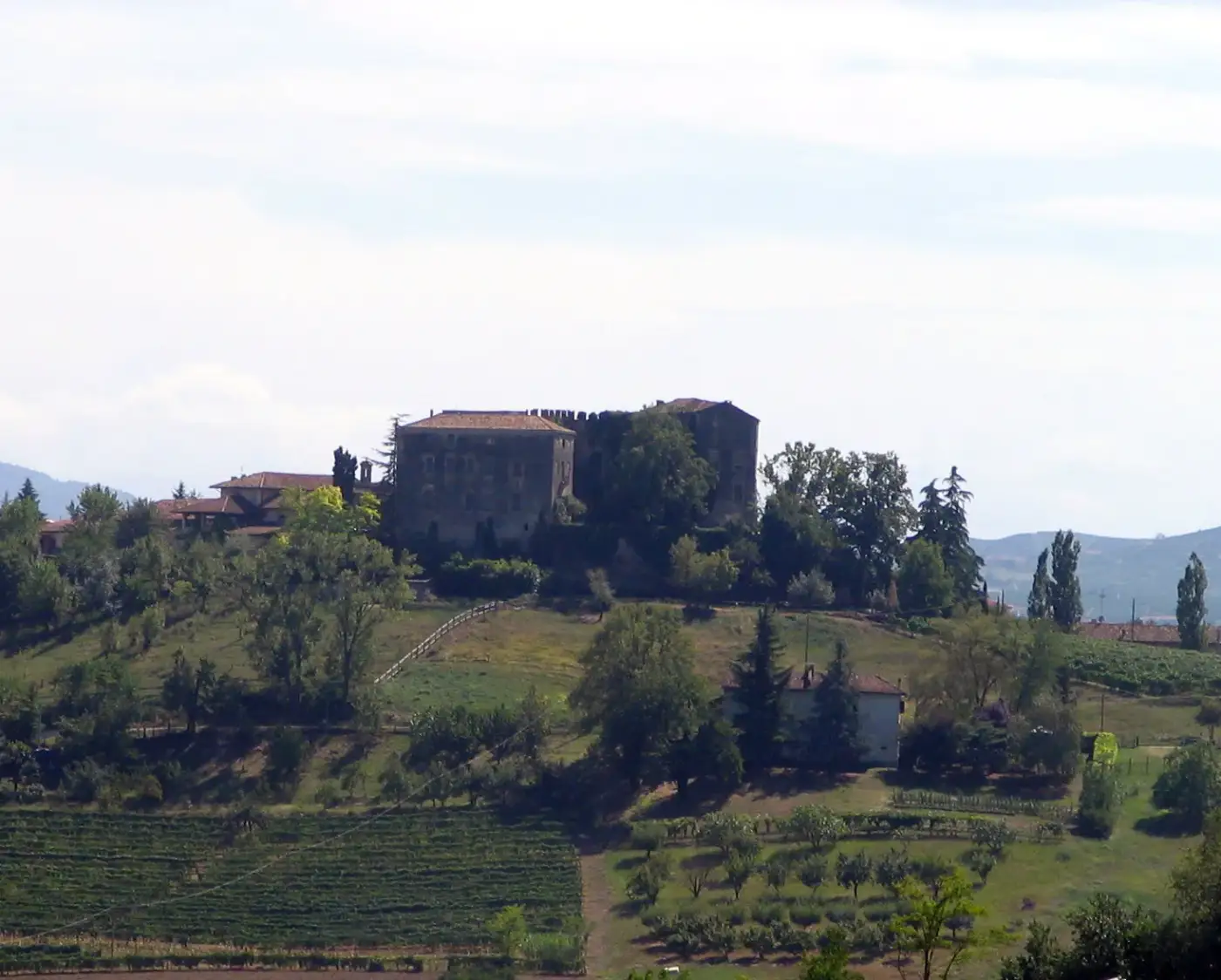 Faberh di Wikipedia in italiano · Public domain
Castle of Burio
The castle of Burio is a castle located in the hamlet of Burio , in Costigliole d'Asti , in the province of Asti . It is the second large manor in the area, after the castle of Costigliole d'Asti .
Read the story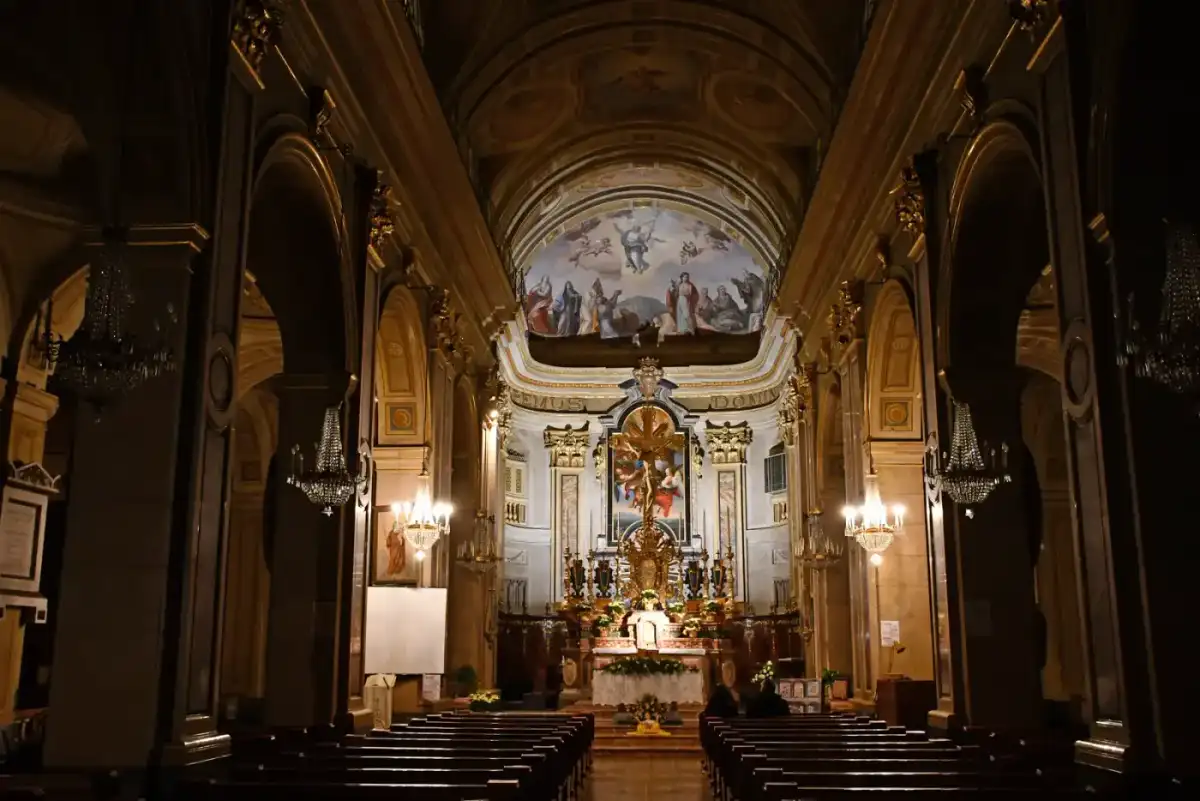 Phyrexian · CC BY-SA 4.0
Church of Our Lady of Loreto
The church of Our Lady of Loreto di Costigliole d'Asti is a neoclassical building built in the 19th century, on the site of two previous churches, the first Romanesque and the second Renaissance - Baroque .
Read the story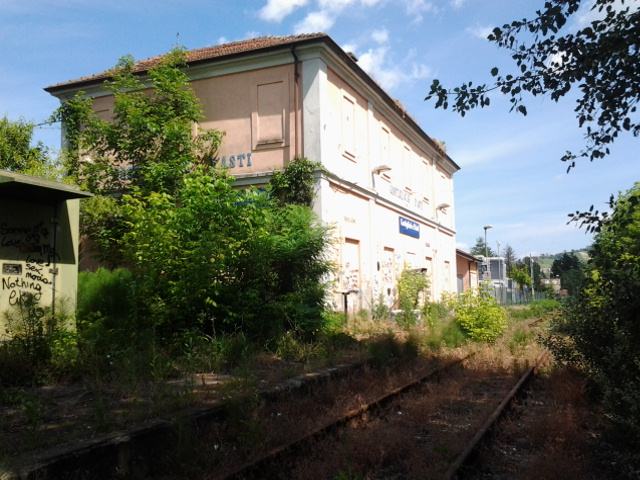 Fabioantonello · CC0
Costigliole d'Asti Station
The station Costigliole d'Asti is a train stop on the line Alessandria-Cavallermaggiore. Serves the inhabited center of Costigliole d'Asti . The stop is one of the two stations of Costigliole: the other is placed on the Castagnole- railwayAsti-Mortara.
Read the story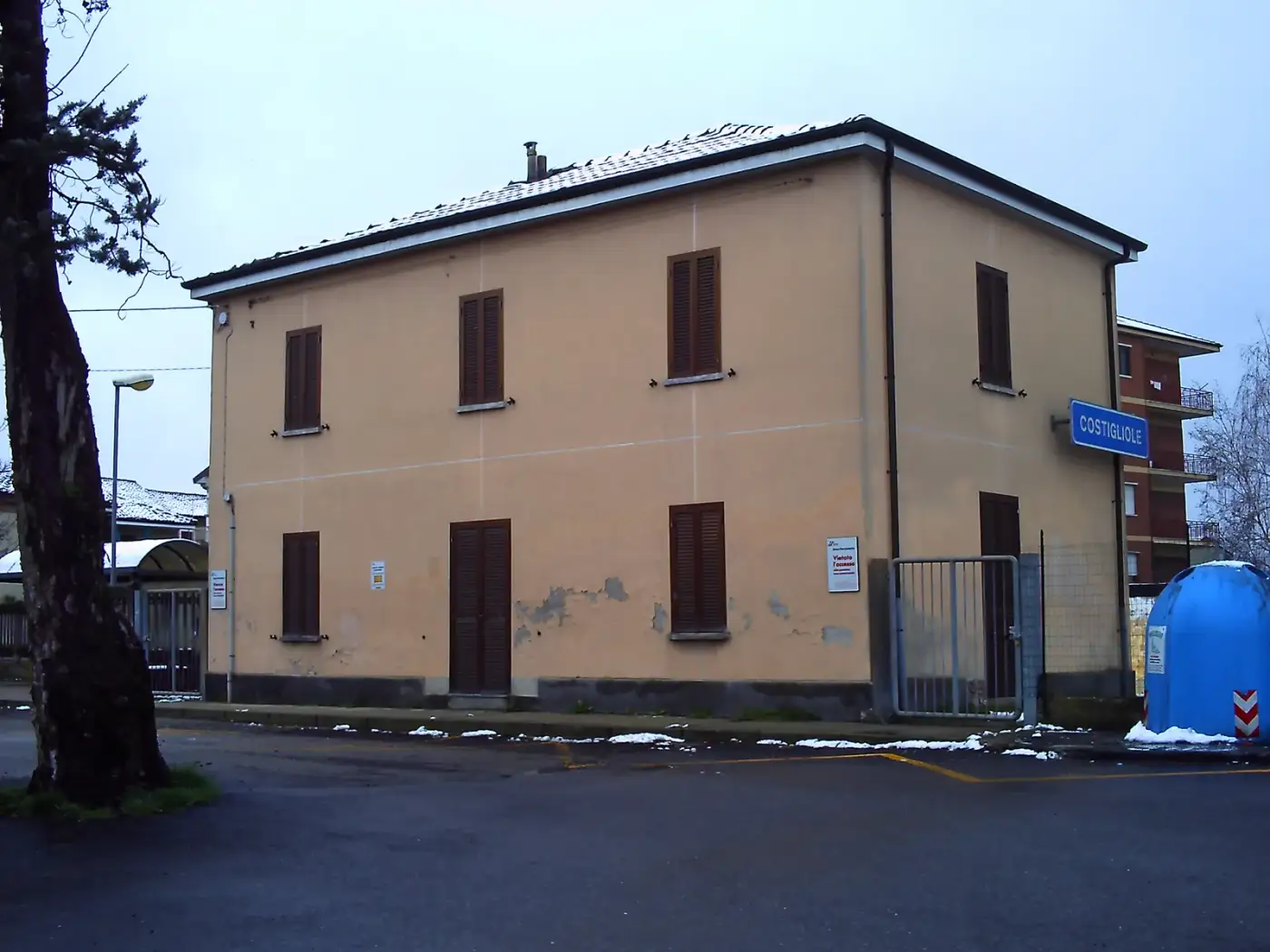 Neq00 · CC BY-SA 4.0
Motta di Costigliole Station
Motta di Costigliole station (officially called Costigliole (Motta di) [ sic ]) is a train stop on the Castagnole-Asti-Mortara line.
Read the storyThe area, step by step