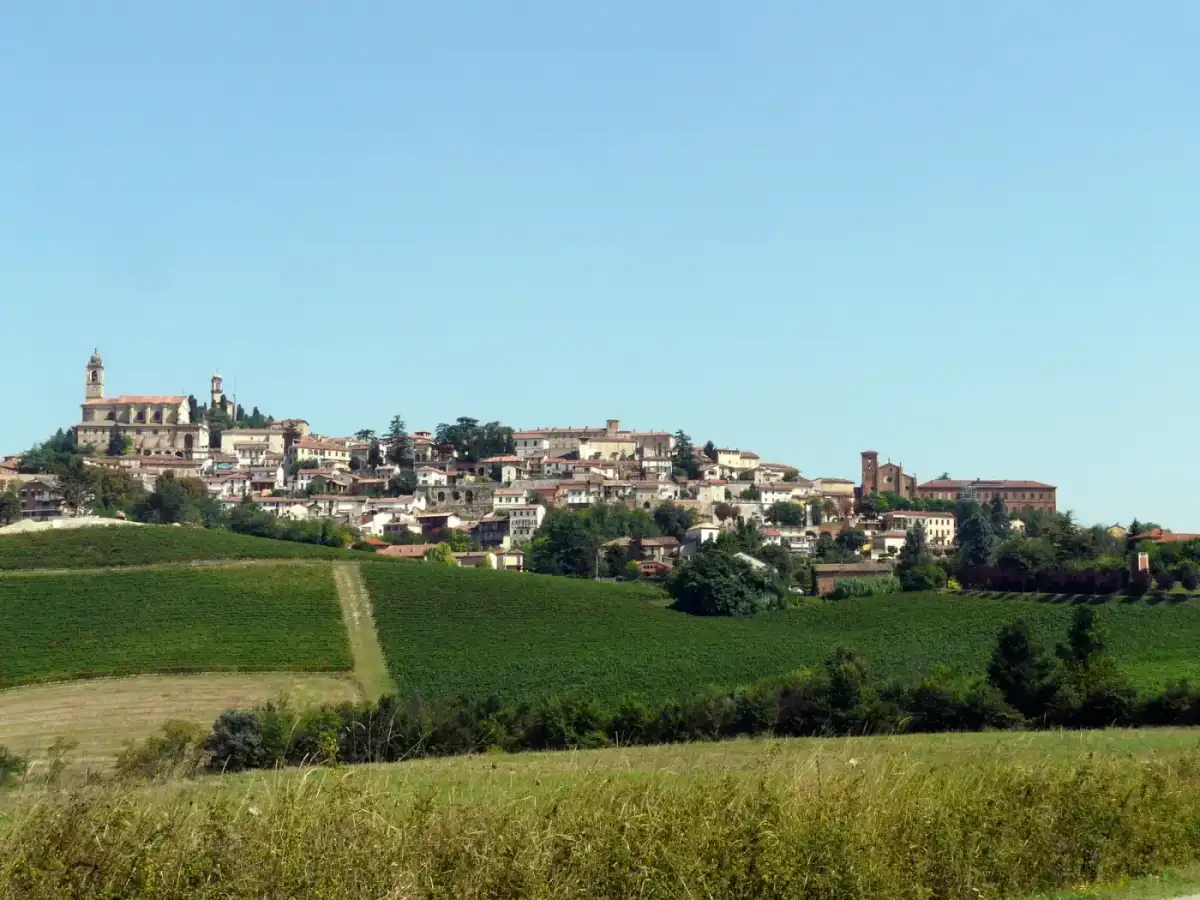
A closer look
Monferrato: at a glance
The Monferrato (♪ [muparking] in Piedmontese, Mons ferratus in Latin) is a historical-geographic region of Piemonte.
Its territory, almost exclusively of a hilly nature, is mainly included within the provinces of Alessandria And Asti[1] and extends south from the hydrographic right of the Po until you reach the foot of the Ligurian Apennines on the border with the metropolitan city of Genoa and the province of Savona. It also contributes to other geographical and historical regions of the Piemonte belonging to the province of Cuneo, that is the Langhe and Roero, and to the north-east with the historical region of Lomellina (now administratively Lombard). The territory finally flows to the west, without interruption, in the area of the Turin Hills.
On 1 June 2006 it was officially presented in Paris, by the delegation constituted by provinces of Asti, Alessandria and Cuneo, the application dossier[2] to include the territory of Monferrato degli Infernòt, Barbera and Asti spumante together with that of Langhe, Roero and Valtellina, on the UNESCO World Heritage List[3][4][5][6]. On 22 June 2014, during the 38th session of the UNESCO committee in Doha, it was officially included, together with Langhe and Roero, in the list of World Heritage Sites[7].
In 2020, the joint candidacy of the Monferrine cities was launched Acqui Terme, Casale Monferrato And Ovada under the name of "Gran Monferrato" at European Capital of Wine 2024. In 2023 the application, together with the High Piemonte by Ghemme and Gattinara, he obtained the official investigation, exceeding the candidatures of Montepulciano (Siena) and San Clemente (Rimini).
Etymology
Explore this chapter
(Giosuè Carducci, Piemonte)
There are various interpretations and hypotheses on the etymology of the word "Monferrato", but to date no certain. Absolutely not plausible: the one supported by Aldo di Ricaldone that would derive it from "Monte" and "farro", a variety of wheat; another according to which it would derive from the Latin "Mons ferax", i.e. fertile mountain and rich; another would refer to the irons left by the Romans in their conquest, from which "Mons ferratus". Finally, an interpretation, which is the most suggestive but inverosimile one, would derive from a legend according to which Aleramo, wishing to iron a horse and not find the suitable materials, used a brick ("mun" in balloon) and so the horse was "frà": hence the name Monferrato[8]. More recently, Aldo Angelo Settia[9] has proposed a new interpretation of the name, which could result, analogous to the many similar names widespread between Piemonte and Western Lombardy[10], from the presence of a type of soil called "underwire"[11].
Geography
Low Monferrato · Monferrato Astigiano · High MonferratoExplore this chapter
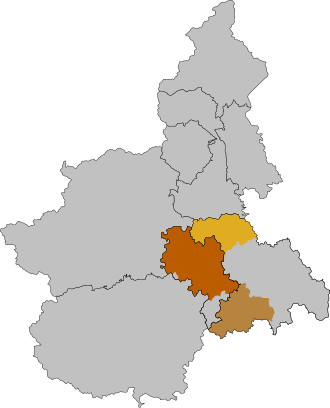
Low Monferrato
Monferrato Astigiano
High Monferrato
Monferrato is frequently distinguished in three main portions that nothing has to do with the history of the territory which, until the eighteenth century (when its existence ended) is always identified, in documents, exclusively as "Monferrato" without any further distinction:
Low Monferrato
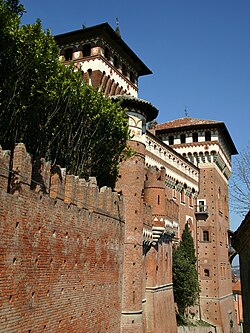
The Low Monferrato (or Casalese) is characterized by its rolling hills which, with the exception of the Sacro Monte di Crea (455 m), never reach heights higher than 400 metres; territorially it includes the part of province of Alessandria in the countries that gravitate around Casale Monferrato, one of the historical capitals of this territory. It is bordered to the north and east by the rivers Po and Tanaro. It is certainly another relevant city Valenza. The territory represents a mix between the hilly landscape and the plain which are characterized, respectively, by wine and rice cultivation. There are numerous castles as well as characteristic villages, often characterized by the typical "Pietra da Cantone" of which they are made.
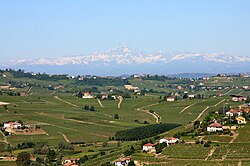
Monferrato Astigiano
The Monferrato Astigiano (or Basso Monferrato Astigiano) identifies a good part of the Province of Asti (with the exception of the Langa Astigiana) and is characterized by a predominantly hilly conformation and by several historic villages such as Moncalvo, Grazzano Badoglio, Montemagno, Montiglio north of the Tanaro river, Nizza Monferrato, Mombaruzzo, Incisa Scapaccino, Bruno, Fontanile south. Asti is the geographical heart of this macro-territory, bordered south from valley of the river Belbo and to the west approximately from the path of the Versa stream and to whose right horographic location is that area called Astesana. The highest point of the territory is the hill of Albugnano 549 meters above sea level.
High Monferrato
There.High Monferrato extends south of the province of Alessandria, on the border with Liguria and the province of Asti. It is characterized by small villages, isolated on the hilly hills, fortified castles and there are numerous places of worship. The hills of Alto Monferrato are today famous above all for their vineyards, specialized in the production of great wines, such as the Cortese of Gavi, Brachetto d'Acqui and the Dolcetto of Ovada. The main centers are Novi Ligure, Acqui Terme, Ovada And Gavi.[12][13][14]
In theAcquese, tourism is mainly generated by the presence of thermal springs. The thermal springs of Acqui Terme in fact they enjoyed considerable prestige already in the Ancient Rome. The city was in fact equipped with at least three thermal facilities, of which today some remains survive. A monumental aqueduct, moreover, guaranteed the supply of common water both for thermal uses and for domestic and productive ones. In this territory the production of cheeses such as Robiola di Roccaverano, besides mushrooms and chestnuts prevails.
The areas of Ninety-six and the Ovadese (also called the Oltregiogo) inherit a strong Ligurian influence, this territory historically belonged to the Republic of Genoa and begins to become part of the Piemonte only after the unity of Italy. The long past under Genoese domination is well visible from the conformation and style of the historical centers of Novi, Ovada and small villages that gravitate around the two cities. Gastronomy is also influenced by this: typical dishes of these areas are found, for example, chickpea flour, Ligurian panissa, focaccia novese and ravioli.[15] The area of Novese is also known for the production of chocolate and cycling tradition: a Novi Ligure is the largest cycling museum in Europe, dedicated to Fausto Coppi and Costante Girardengo, originating in this area.
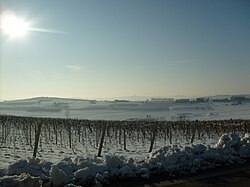
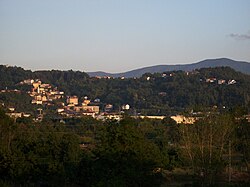
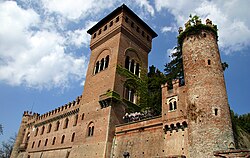
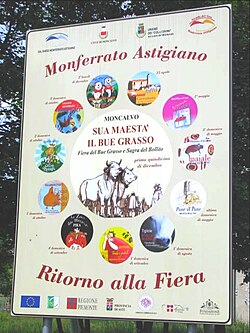
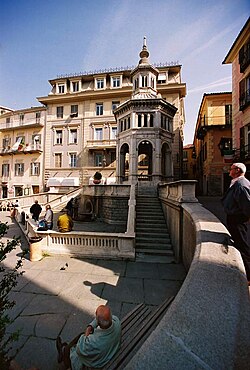
Some localities divided by area
Explore this chapter
Low Monferrato
- Altavilla Monferrato (Autavìla)
- Balzola (Büssla)
- Camagna Monferrato
- Camino (Camìn)
- Casale Monferrato (Casà) - capital of Monferrato from 1434 to 1533
- Castelletto merli (Castlet of Merlu)
- Castelletto Monferrato (Castlèt Monfrà)
- Cella Monte (Sela)
- Coniolo (Cunieü)
- Cuccaro Monferrato (Chicri)
- Frassinello Monferrato (Frassinè Monfrà)
- Fubine Monferrato (Fibin-i)
- Gabiano (Gabian)
- Lu (Lu)
- Mirabello Monferrato (Mirabel)
- Morano sul Po (Muran)
- Murisengo (Ambrusèngh)
- Occimiano (Aussimian)
- Odalengo Grande (Audalengh Grand)
- Odalengo Piccolo (Audalengh Cit)
- Ottiglio (Autij)
- Ozzano Monferrato (Ausàn)
- Pontestura (Pont d'Ëstura)
- San Giorgio Monferrato (San Giòrs)
- San Salvatore Monferrato (San Salvador)
- Terruggia (Trüggia)
- Vignale Monferrato (Vgnà)
- Villadeati (Vila)
- Villanova Monferrato (Vilanòva 'd Casà)
Monferrato Astigiano
- Agliano Terme (Ajan) - spa and Barbera town - town of Bianca Lancia d'Agliano
- Albugnano (Arbunàn) - the town located on the highest hill in the Monferrato
- Alfiano Natta (Alfiàn) - town perched on Monte Ubaldo on the border between the provinces of Asti And Alessandria
- Antignano (Antigàn) - town where corn was produced for the Savoy kings
- Aramengo - predominantly agricultural town, home to important restoration laboratories
- Asti
- Baldichieri d'Asti (Baudiché)
- Buttigliera d'Asti (Butijah or Butijera d'Ast)
- Calliano Monferrato (Caliàn)
- Calosso (Calòss)
- Camerano Casasco (Cameran)
- Canelli (Canèj) - headquarters of the factory Gain
- Cantarana
- Casorzo (Casòrs)
- Castagnole Monferrato (Castanòle Monfrà)
- Castell'Alfero where in 1774 Giovan Battista De Rolandis was born, creator of the Tricolor of the Italian Flag
- Castellero (Castlé)
- Castelnuovo Calcea (Castauneuv brisò)
- Castelnuovo Don Bosco (Castelneuv Don Bòsc)
- Cocconato (Coconà [kʊkʊ'na])
- Cortandone (Curtandon)
- Cortanze (Cortanse)
- Cortazzone (Curtassun)
- Costigliole d'Asti (Custiòle)
- Cunico
- Grana Monferrato (Gran-a)
- Grazzano Badoglio (Grassan) - birthplace of General Badoglio
- Maranzana
- Maretto (Maræi)
- Monale (Mona)
- Moncalvo (Moncalv) - first capital of the Marquisate of Monferrato until 1306
- Montegrosso d'Asti (Mongròss) Barbera town
- Montemagno (Montmagn) - for four centuries the border between the Marchesato del Monferrato and possessions of Asti
- Montiglio Monferrato
- Nizza Monferrato (Nissa dla Paja) - ancient historic center at the confluence of the Belbo and the rio Nice
- Passerano Marmorito (Passeiran) - ancient fiefdom of the Radicati counts
- Penango (Pnangh)
- Piea (Pièja) - home of the national pumpkin festival on the last weekend of September
- Portacomaro (Pòrtacomé) - Grignolino village
- Refrancore (ël Franco)
- Roatto (Ruat)
- Robella
- San Damiano d'Asti
- San Marzano Oliveto - ancient family fiefdom Asinari, known for producing the Golden Delicious apple known as "Divina"
- San Paolo Solbrito
- Scurzolengo (Scurslèngh)
- Viale (Viål)
- Viarigi (Viarìa or Viarìs)
- Villafranca d'Asti
- Villanova d'Asti
High Monferrato
- Acqui Terme (Aich)
- Alice Bel Colle (Àles Bel Còl)
- Belforte Monferrato (Berforte)
- Capriata d'Orba (Cavirià)
- Carpeneto (Carpnèj)
- Cartosio (Cartòs)
- Casaleggio Boiro (Casalegio Bòiro)
- Cassine (Cassèini)
- Cassinelle (Casc-nélle)
- Castelletto d'Erro (Castlèt d'Er)
- Castelletto d'Orba (Castlèt d'Òrba)
- Cremolino (Chërmolin)
- Gavi[13][16]
- Grognardo (Gugnèrd)
- Lerma (Lerma)
- Molare (Morele)
- Montaldo Bormida (Montad Bormia)
- Morbello (Mirbè)
- Mornese (Mornèis)
- Morsasco (Morzasch)
- Novi Ligure (New)[13][14][16]
- Ovada (Of course, Ovadese dialect)
- Ponzone (Pontsòn)
- Prasco (Pràsc)
- Ricaldone (Ricaldon)
- Rocca Grimalda (La Roca)
- Silvano d'Orba (Silvan)
- Spigno Monferrato (Spign)
- Strevi (Strev)
- Tagliolo Monferrato (Taieu)
- Trisobbio (Tërseubi)
- Visone (Vison)
Geology
Formation of the Po Valley and MonferratoExplore this chapter
Formation of the Po Valley and Monferrato
Twenty million years ago the Alpine chain was now constituted, in the Mediterranean area a new heat climb from the earth's mantle that determined the arch and break of the European crust from which the Sardinian block - course, the sardinian race twelfth dug on the Ligurian Gulf performing an anti-clockwise rotation of 50° and forming the Ligurian Sea. The sea covered the Hill of Turin, the Langhe, Monferrato and the Po Valley. The rotation of the Sardinian block contrasted by the African bloc produced a pressure that gave rise to the Apennines. Eight million years ago to the east of the Sardinian-course block opened a wide fracture from north to south that separated the Italian peninsula from Corsica and Sardinia, this fracture flooded until it became the Tyrrhenian Sea. In the period from 7 to 5 million years ago the Mediterranean Sea was closed and remained isolated from the Atlantic Ocean.
This produced the increase in the temperature of the waters that transformed the Mediterranean Sea into a low salted lake with many dry areas, this condition which lasted several hundred thousand years deposited sediments of type saline, evaporitis. Afterwards the Mediterranean Sea opened and the water of the ocean began to circulate, between the Alpine chain and the Apennines had formed a triangular gulf that covered the entire Po Valley. Following the continuous uprisings of the mountain and Apennines, the sea retreated from this gulf and the accumulation of sediments brought by rivers gave rise to an alluvial plain that corresponds to the current Po Valley. The marine deposits of this period are visible in the current area of the Astigiana Monferrato, but they are also present in Biellese and at the outlet of Val Sesia and Val Sassera to testify that the sea arrived almost under the mountain chain. Some islands emerged from the sea that covered Piemonte, the present Collina Torinese e del Basso Monferrato.
From fossil remains we know that the climate of that period was subtropical, and therefore warmer and humid than the present one. The water streams carried their debris forming delta on which they grazed branches of rhinoceros, elephants, deer and horses. The water streams with their erosive force removed the sediments of the previous period even hundreds of meters, covering the basin with megaconoid river deposits. A million years ago, the climate changed again, rains increased and temperatures became colder. This led to the birth of alpine glaciers, the glacial languages ran along the valleys, deepening them and widening them sometimes reaching the plain. The detritic material that came from the mountains built imposing moraine amphitheaters; they are recognizable at the outlet of Dora Riparia and Dora Baltea valleys and in areas around the lakes Major and Orta.
Local languages
Basso Monferrato: the typical spoken is Piedmont . There are similarities with the Lombard language of Lomellina and Pavese, exclusively in the centers near...Explore this chapter
Low Monferrato: the typical spoken is Piedmontese. There are similarities with the Lombard language of Lomellina and the Pavese, exclusively in the centers near the border with Lombardy.
Monferrato Astigiano: the typical spoken language is the astigiano, an oriental Piedmont dialect or low Piedmontese language. He is spoken to Asti and province.
Alto Monferrato: in theAcquese the typical spoken is Piedmont; in the Ovadese and in Ninety-six the spoken is Ligurian. There are reciprocal influences.
Economy
Monferrato is one of the most famous Italian wine regions in the world, especially for red wines and sparkling wines. The dry climate of a continental type with...Explore this chapter
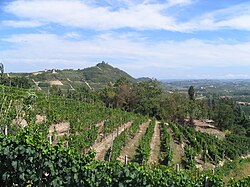
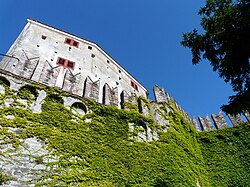
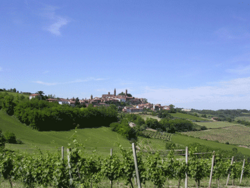
Monferrato is one of the most famous Italian wine regions in the world[17][18][19], especially as regards red wines[20] and sparkling wine[21][22][23].
The dry continental climate with hot summers tending to drought and particularly cold winters, and the particular hydrogeological conformation of soils are favorable to viticulture, which is also dominant throughout the territory, making wine become not only an element of economic wealth of the entire region, but also and above all a true symbol of culture and world tradition. The widespread diffusion of autochthon vines and consequently of a variety of wines, are witnesses.
Among the most famous wines (DOC and DOCG) are:
- Red wine
- Barbera d'Asti
- Barbera del Monferrato
- Acqui Dolcetto
- Ovada Dolcetto
- Grignolino d'Asti
- Grignolino del Monferrato Casalese
- Ruby of Cantavenna
- Ruché di Castagnole Monferrato
- Freisa d'Asti
- Nizza DOCG
- Piemonte Bonarda
- White wines
- Cortese of the Gavi
- Sparkling or dessert wines
- Asti sparkling wine
- Catch Brachetto
- Malvasia di Casorzo
- Malvasia of Castelnuovo Don Bosco
- Muscat d'Asti
In addition to viticulture important activities for the economy of Monferrato are agriculture (nuts, fruit), breeding (meat, cheese), gastronomy (tartufi)[24] and tourism (a sector currently growing and relaunching, thanks also to the establishment of the largest outlet in Europe Serravalle Scrivia, in the upper Monferrato). The industry is mainly developed in the Upper Monferrato and in particular in the Novese area, which has confectionery and steel plants. However, it appears in a more limited way in the other areas, where over the last twenty years small-sized companies have developed in the construction, metalworking, food and manufacturing sectors. Due to the economic crisis of recent years, however, industrial development has been reduced and in many cases has been suffocated.
Food and wine
Autonomy productsExplore this chapter
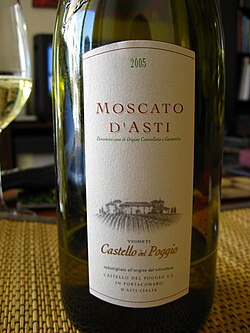
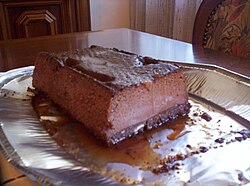
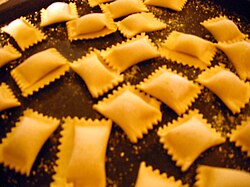
The typical cuisine of Monferrato includes a wide range of foods ranging from meats, fishes, vegetables, cheeses, and typically muddy dishes, which have now reached notoriety not only national but also international. Among these we remember, among the first dishes, the agnolotti "to the plin" (literally "at the pinch"), i Tajarin (fine tagliatelle rich in eggs seasoned with various sauces), the risottos of Casale Monferrato, rice with mushrooms and rice with red wine, vegetable minestrone, polenta with fried or "comodato" cod. Worthy of mention and above all very well known is bagna càuda. Among the meats: tripe, zampini (♪), chickpeas with the head, oxtail (now cooked with Barbera) and cooked salami.
Typical of Monferrato are also the tunaed calf, raw meat salad of the typical Piedmontese cattle breed (fine cut with knife and seasoned with only oil, salt and lemon), anchovies under green salt[25], Russian vegetable salad in mayonnaise, flame-seared peppers, stuffed courgette flowers, numerous savory pies, just to name a few. Among the cured meats there Muzzle, symbol of the Monferrato tradition, traditionally made with Barbera. The muletta of each delicatessen is different from the others, by tradition; typical production areas are Sala Monferrato, Cella Monte, Serralunga di Crea And Ozzano Monferrato. Also worth mentioning are the Piedmontese mixed fried dishes and boiled meat, real trademarks of this area. Among vegetables, the Cardo gobbo di Nizza Monferrato. Among the desserts, panna cotta and bonet (or bunet) stand out, also typical of the Langhe, whose name derives from the Benetta cooking mold of tinned copper, in which it was cooked, thus giving it the shape of a "cap". It is an ancestor of pudding, when gelatine, thickeners and various jellies did not yet exist. It is a genuine dessert prepared with cocoa, amaretti and Marsala, together with milk, eggs and sugar and cooked in a bain-marie to be subsequently served cold. It is now widespread throughout the Piemonte[26].
Autonomy products
The Region Piemonte is the first in Italy for biodiversity and cultivation of native products. Only within the Monferrato are 74 qualities of autochthonous and exclusive apples in the area. The trade in indigenous products is a major source of income for the world-wide region, which has ten fruit and vegetable products required at national level.
Among all stands the Melone of Mirabello, a fruit climbing plant that enters the family of cucurbitaceae; the melon term indicates both the fruit and the plant. It takes its name from the city of Mirabello Monferrato Major producer. This typical Piedmontese fruit has an original oval shape that makes it easily distinguishable, peel of a straw yellow of both smooth and wrinkled shape depending on the humidity of the soil. This type of melon has a rapid growth, transplanted in the months of May-June is harvested already in July, climate permitting. The sugar pan chicory, scientifically called Cicaorium Intybus var. Foliosum, is a quality of radicchio belonging to the family of asteraceae. It is called sugar loaf due to the high quantities of vitamins and sugars that make the leaf sweet. Orbassano celery is a type of celery originating from the Monferrato region. In the seventeenth century, the Duchess of Savoy, Anna Maria of Bourbon-Orléans, when she arrived in Italy from France, had purple Tours celery grown, softer and sweeter than the Monferrato celery of the time. Over the years, the two qualities of celery were grafted together thanks to the humid soils of the Orbassano area, naturally generating a new quality with red ribs on the top and an almond flavour.[without source]
The Monferrato, together with Alba, is also known as the production area of white truffle and many are the fairs in this regard, one of all the regional fair of truffle in Montechiaro d'Asti[27].
The food and wine of the southern part of Monferrato has marked Ligurian influences.[without source]
There are several well-known local wines in the kitchen.
History
The legend of Aleramo and the Marquisate of Monferrato · The last centuriesExplore this chapter
The legend of Aleramo and the Marquisate of Monferrato
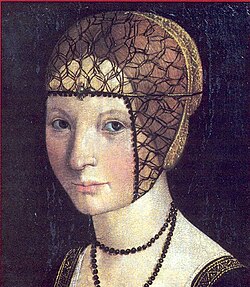
The legend - devoid of any historical reference - tells that towards the 900 the father and mother of Aleramo del Monferrato came in Italy directed to Rome to fulfill a vote. Heads to Sezzadio, close to Acqui Terme, the woman gave birth to a boy who was given the name Aleramo, synonymous with "cheerful person". The child was entrusted to local nobles and a Saxon nurse, but his parents died and he was raised in Sezzadio.
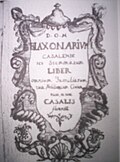
Of noble and battleship origin, he soon became a skilled knight and was named "special knight" and "winner" at the tables of Otto I, Emperor of the Holy Roman Empire.
Aleramo fell in love with the Emperor's daughter, the beautiful Alasia and with her escaped hiding near Pietra Ardena. Here Aleramo made the charcoal and managed to be hired among the soldiers of the bishop, vassal of the emperor and went to fight in Brescia. Soon the emperor noticed his value and boldness: he recognized and forgotten the ancient rancour for escape with his daughter, gave him the title of Marquis and assigned him the territory of the “brand”: what would have managed to surround in three days on horseback.
The origins of the name Monferrato the definitions that want it to derive from: monx ferra, fertile mountain; mun between, iron brick; mons ferratus, mountain cultivated with spelled.
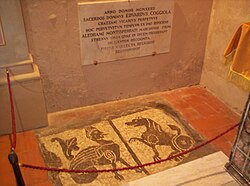
With the diploma of 21 March 967 Emperor Otto I assigns to Aleramo all lands from the river Tanaro to the river Orba and to the shores of the sea the territory assumes the name of Aleramica from which, subsequently, will form the Marquisate of Monferrato; the first to be mentioned as Marchese of Monferrato will be Ranieri in 1111.
The Marquisate was later in possession of the descendants of Aleramo del Monferrato (Aleramici, second half of X -1305), Paleologi (1306 - 1533) and Gonzaga (from 1536 to 1708). The descendants of Aleramo (aleramic) ruled Monferrato until in 1306 it passed to the imperial house of the Palaiologi. The marquises of Monferrato were related to the royal houses of France and the Empire. Following the crusades they became related to the kings of Jerusalem and the imperial family of Byzantium.
It was for a few years under Spanish rule to pass to the Gonzaga (from 1536 to 1708). Under the government of Gonzaghesco, the territory will have a ducal rank becoming in 1574 the Duchy of Monferrato. A part of the duchy had already passed to the Savoy in 1631 with the succession war of Monferrato; the Savoy took full possession of Monferrato in 1708 when the Duchy of Mantua was occupied by the imperial troops of Leopold I.
The last centuries
In the last three centuries Monferrato has crossed, with the rest of Piemonte and the Kingdom of Sardinia, the events of Napoleonic wars, Risorgimento, the Kingdom of Italy and the Italian Republic, characterizing itself more and more as a place of viticulture, wine and other food industries.
In 1937 the new province of Asti, detached from that of Alessandria, incorporated a significant part of the historic region of Monferrato, although historically the city of Asti and belonged to the Marchesato del Monferrato only for a short period of the fourteenth century, representing previously a powerful enemy. An opposite address for the city of Chivasso, which despite being one of the preferred residences by the Marchesi di Monferrato before Casale, as well as historic capital of the marquisate, is not today considered part of the geographical region of Monferrato although it is historically part of it as Alba.
During the Second World War, after the armistice of 8 September 1943 with the Allies and German occupation, Monferrato lived in full the Resistance War, Anglo-American bombings, Partisan guerrilla (with also one of the short partisan republics, the Republic of Alto Monferrato from September to December 1944), persecution of Jews, deportations and rallies, as evidenced by those times, as[28].
Culture
Literature · Art · ArchitectureExplore this chapter
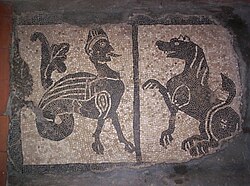
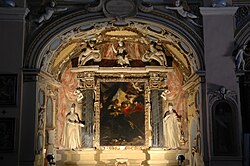
Literature
In the second half of the fifteenth century he stands out in the field of dialectal literature Gian Giorgio Alione di Asti, poet, playwright and writer who while knowing poet in French and Italian, wrote several farce in dialect, expressing himself "an astezan" and providing a lively picture of the customs and life of the time and of the Italian theater of the sixteenth century, often imbued with satire and jokes. We had to wait until the eighteenth century to find two other Monferrato dialect versifiers, namely the prior Stefano Incisa and the captain Giuseppe della Rocca, while in more recent times, i.e. in the nineteenth century, the best-known Angelo Brofferio stands out, politician, journalist and deputy linked to the Risorgimento, who he wrote dialect songs, comedies and history works.
Art
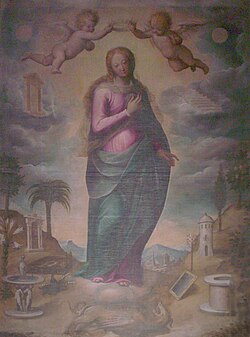
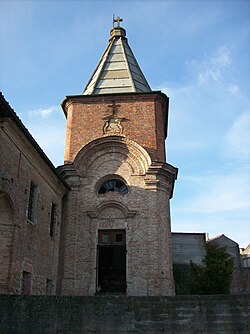
Among the artists active in Monferrato, worthy of note are Gian Martino Spanzotti, a farmhouse and painter of the Renaissance; Andrea Pozzo, painter and Jesuit architect active in the 17th century; painter Pier Francesco Guala; Macrino d'Alba, contemporary of Spanzotti, whose works are preserved in private and public collections in the United States and Turin. His most important works can however be identified in a triptych housed in the castle Camino, in a "Madonna enthroned" preserved in the sanctuary of the Sacro Monte of Crea, in another "Madonna" preserved in the church of S. Giovanni Battista in Alba and in a "Wedding of S. Caterina" which adorns the parish church of Neviglie in the Langhe. The third Monferrato artist chronologically speaking but certainly no less relevant than the previous ones is Guglielmo Caccia, nicknamed "Il Moncalvo". Among his works we remember a "Redeemer" kept in the Civic Museum of Asti and a "Resurrection" kept in the Cathedral; Furthermore, several paintings are found in the parish churches of Grazzano Badoglio, Villadeati, Casale Monferrato, San Salvatore Monferrato, Moncalvo and Chestnut.
Architecture
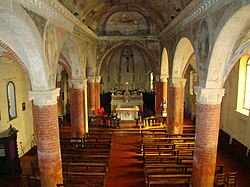
The architecture flourished in Monferrato from the year 1000 onwards and is well visible in the countless buildings, churches, castles and palaces of the various eras, many of which are still well preserved. It was influenced by Romanesque, Gothic and Renaissance currents before transforming itself into Piedmontese Baroque since 1600. Noteworthy are two artists who worked in Monferrato: Benedetto Alfieri (1707-1767) of Asti, considered successor to Filippo Juvarra, Francesco Gallo (1672-1750) of Mondovì. Great architects such as the Magnocavallo have also worked there leaving wonderful testimonies. Francesco Ottavio Magnocavalli was born in Casale Monferrato and during his life he devoted himself with increasing commitment to the study and practice of architecture, designing countless churches and palaces in Casale and throughout Monferrato[29].
Sport
The Monferrato still operates and works as one of the main fulcrums of propagation of the drum ball. There are many playgrounds, whose technical name is sferisterio.
Attractions
Sacred Mount of Crea · Fort of Gavi · Museum of the CampionissimiExplore this chapter
Sacred Mount of Crea
The Sacred Mount of Crea is located on one of the highest hills of Basso Monferrato, near Serralunga di Crea, in province of Alessandria and was entered in 2003 by UNESCO on the list of patrimonies of humanity.
-
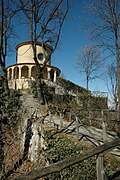 Sacred Mount of Crea
Chapel of Paradise -
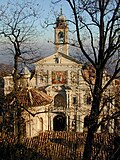 Sacred Mount of Crea
Sanctuary -
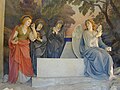 Sacred Mount of Crea
Chapel 19 (The Resurrection) -
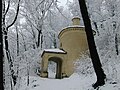 Sacred Mount of Crea
Winter image of the Chapel 4
Fort of Gavi
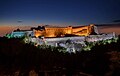
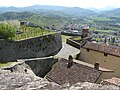
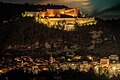
The strong of Gavi is a historical defensive fortress built by the Genoese on an existing medieval castle. It is a state property and is used as a museum structure. It is one of the most important monuments in the area Ninety-six and the Overseas.
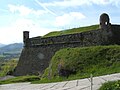
Museum of the Campionissimi
The museum of the very samples, located in Novi Ligure, is the largest museum in Europe dedicated to cycling and in particular to cyclists Fausto Coppi and Costante Girardengo, who lived most of their lives in the Piedmontese city.
Image gallery
-
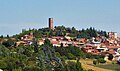
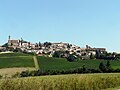
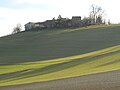 Typical landscape in the surroundings Villadeati
-
-
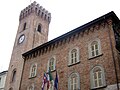
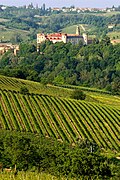 Castle Costigliole d'Asti
-
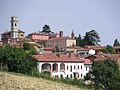
-
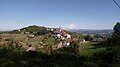
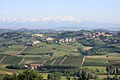 Panorama from Castelnuovo Calcea with view towards Monte Rosa
-
-
-
-
-
-
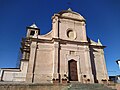 Sanctuary Virgo Fidelis, Incisa Scapaccino
-
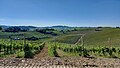 Alto Monferrato Acquese
-
-
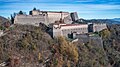 Fort of Gavi
-
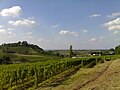 High Monferrato Ninety-six
Notes
Explore this chapter
- ^ Sergio Miravalle, Autumn colors in Monferrato of grumpy wines, up LaStampa.it, 1 October 2009. Retrieved 20 November 2019.
- ^ Langhe, Roero and Monferrato will be protected by UNESCO, up Republic.it, 9 January 2011. Retrieved 20 November 2019.
- ^ Association for the patrimony of the Wine Landscapes of Langhe-Roero and Monferrato, UNESCO World Heritage - Vitivinicoli landscapes of Langhe-Roero and Monferrato, up PaesaggiVitivinicoli.it, 2019. Retrieved 20 November 2019.
- ^ The wine landscapes of Monferrato candidates as "World Heritage", up clubunesco.al.it. Retrieved 20 November 2019 (archived fromoriginal url on 21 February 2014).
- ^ (EN) Vineyard Landscape of Piedmont: Langhe-Roero and Monferrato, up WHC. UNESCO.org. Retrieved 20 November 2019.
- ^ And Unesco looks at the vineyards, up ANSA.it, 13 October 2011. Retrieved 20 November 2019.
- ^ Luigi Letteriello, Langhe-Roero and Monferrato enter the UNESCO World Heritage Site, up Corriere.it, 22 June 2014. Retrieved 20 November 2019.
- ^ Alessandro Allemano, Monferrato: why is it called so (PDF), up Monferrini.com, 10 July 2007. Retrieved 20 November 2019 (archived fromoriginal url on August 8, 2014).
- ^ Geo Pistarino, The riddle of the name "Monferrato", up The PortoRitrovato.net, 20 September 1998. Retrieved 20 November 2019.
- ^ Fabio Romanoni, The Book of Censuses (1315) of the Monastery of San Pietro in Verzolo di Pavia, up Academia.edu, 2013. Retrieved 20 November 2019.
- ^ ferret, up Sapere.it. Retrieved 20 November 2019.
- ^ High Monferrato, up ovadese.net. Retrieved 4 December 2020.
- ^ to b c Alto Monferrato-Italiano, up www.elidio.com. Retrieved 8 August 2024.
- ^ to b Novi Ligure and painted houses. Alto Monferrato: where to go and what to see, up Where to travel, 28 February 2023. Retrieved 8 August 2024.
- ^ Typical dishes and products - : OFFICIAL SITE OF THE CITY OF NOVI LIGURE (AL) :, up www.comune.noviligure.al.it. Retrieved 8 August 2024.
- ^ to b Strada del Vino Alto Monferrato | Wine and Typical Products, up Tourism and Travel in Italy. Retrieved 8 August 2024.
- ^ (EN) Anna Del Conte, Brasato al Barolo - Beef Braised in Barolo Wine, up BBC.co.uk. Retrieved 20 November 2019.
- ^ (EN) Barbara Dunlap, Bycicle tours in Italy, up TravelTips.USAtoday.com. Retrieved 21 November 2019 (archived fromoriginal url on 23 September 2020).
- ^ (EN) Dave Yoder, Homes in Monferrato, up NYtimes.com. Retrieved 21 November 2019.
- ^ (EN) John Brunton, Chilled in Piedmont: a guide to the best places to eat, drink and stay, up TheGuardian.com, 20 July 2008. Retrieved 21 November 2019.
- ^ (EN) Winepros - OXFORD COMPANION TO WINE, Piedmont, up winepros.com.au. Retrieved 21 November 2019 (archived fromoriginal url on 8 August 2008).
- ^ (EN) Jancis Robinson and Julia Harding, The Oxford Companion to Wine, up OxfordCompanionToWine, September 2015. Retrieved 21 November 2019.
- ^ “The Oxford Companion to Wine” - A real encyclopedia of wine, rich in 4,000 entries, for a total of 912 pages, up WineNews.it, 27 May 2015. Retrieved 21 November 2019.
- ^ (EN) Rachel Cooke, The truffle is out there, up TheGuardian.com, 19 November 2006. Retrieved 21 November 2019.
- ^ Green anchovies Archived on 11 March 2014 at the Wayback Machine.. Piemontesi flavors on the table. Recipe.
- ^ Bonet (Traditional recipe), up region.piemonte.it (archived fromoriginal url on 12 November 2010).
- ^ Typical products of Monferrato and langhe: The white truffle, up atasti.it (archived fromoriginal url on 19 March 2011).
- ^ Both in different writings by Cesare Pavese and Giuseppe Fenoglio, and more recently in novels by Giampaolo Pansa and Giulio Angioni.
- ^ Gian Paolo Romagnani, MAGNOCAVALLI, Francesco Ottavio in "Dictionary Biografico", up Treccani.it, 2006. Retrieved 21 November 2019.
Bibliography
Explore this chapter
- Carlo Ferraris - Roberto Maestri, "Storia del Monferrato. The origins, the Marchesato, the Ducato", Editore Cultural circle The Marchesi del Monferrato, Alessandria 2016, ISBN 978-88-97103-01-1
- G. Aldo di Ricaldone, Annali del Monferrato L. Fornaca publisher
- G. Aldo di Ricaldone, Monferrato between Po and Tanaro Gribaudo Lorenzo Fornaca publisher Asti 1999
- Luca Gianazza, The coin in Monferrato between Middle Ages and Modern Age. Acts of the international conference of studies. Torino 26 October 2007, Regional Council of Piemonte, Turin, 2009
- R. Grill, Invitation to Monferrato, Andrea Viglongo & C. Editori, 1976
- Hull, Dr Geoffrey (1982) The Linguistic Unity of Northern Italy and Rhaetia, PhD thesis, University of Western Sydney, MacArthur; § 37.1.
- M Girotto - ML Ronco (2012), Knowledge of Monferrato, Publicom publisher, 13100 Vercelli
Where to stay · Monferrato
Find stays on Booking.comContinue your journey