Wine regions
Monferrato Casalese: wine in the hills and stone
Altural edges, vineyards and infernot
- 01Region
- 02Grape variety
- 03Wine
- 04Winery
The character of the places
The landscape and its places
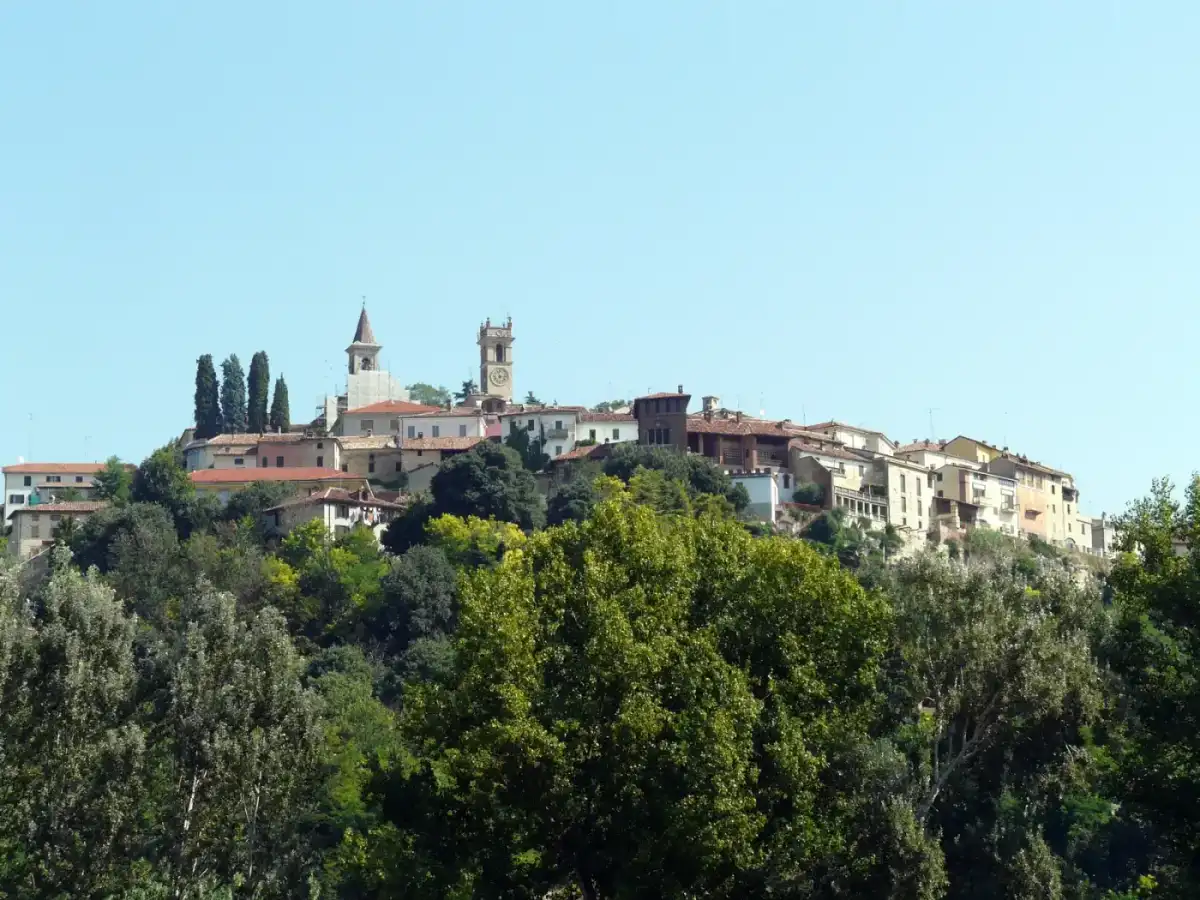
From the plain of the Po, the hills of Casalese are first recognized in the profiles of the countries and then in the design of the vineyards. A road climbs, bypasses a farmhouse, crosses a inhabited center and returns to descend. Wine belongs to this daily geography: to the cultivated slopes, to the houses built with the stone of the place, to the spaces obtained under the houses to guard the bottles.
Start from Casale Monferrato, then you reach Rosignano, Cella Monte and Vignale. The distance between the city and the villages already offers a first reading of the territory. In the historical centers, look at the stone; outside the countries you find the rows and roads that connect farms. The wine landscape takes shape in the encounter between these two worlds.
From the city of Po to the countries on the dorsals
Casale introduces the journey with an urban dimension: squares, palaces, castle and the history of the marquisate. The Cathedral of Casale Monferrato and the Civic Museum help to give depth to the visit. Leaving the city, change the scale. The streets gather around the hamlets and the landscape opens onto the nearby hills.
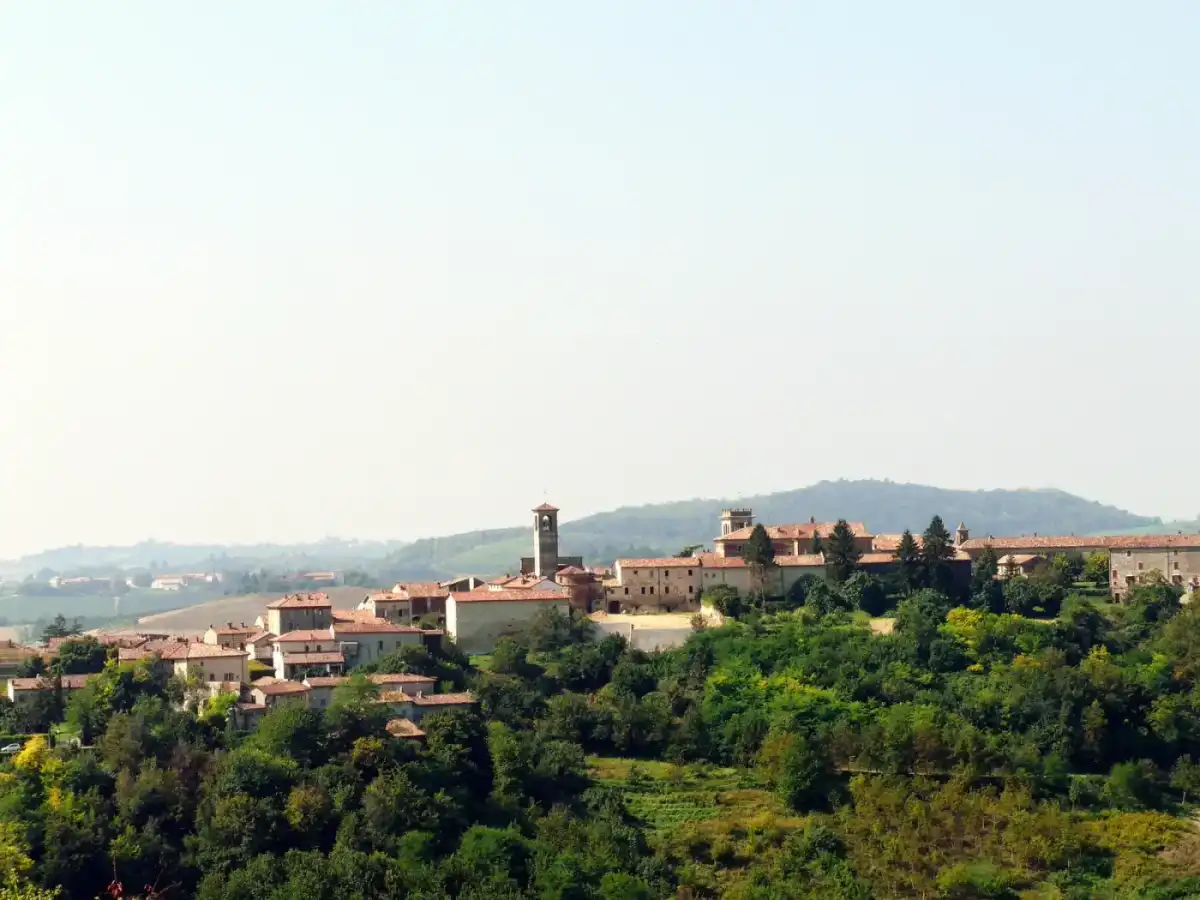
Rosignano and Cella Monte allow to follow the relationship between houses and countryside. Vignale, Olivola and Ottiglio prolong the discovery along other dorsals. Looking at the country from the opposite hill, after crossing the streets, is a concrete way to understand its position. The inhabited center is back to being part of the landscape that supports it.
The stone, houses and the life of wine
In Casalese the relationship between wine and the country continues inside the buildings. The Stone from Cantoni, linked to the sedimentary history of these hills, appears in the walls and excavated spaces. A Cella Monte, the Ecomuseo story helps to connect material, architecture and work. Looking at a facade after knowing the stone changes the visit: the village becomes part of the geological landscape from which it was born.
The infernot They bring this bond underground. They are dug in stone, with niches and shelves for the conservation of bottles: wine enters the history of houses, beyond the production space of the cellar. The UNESCO component Monferrato of the infernot recognizes a relationship between cultivation, housing and culture of conservation. The journey can thus alternate what is seen on the slopes to what is kept under the village.
From Cella Monte, colleague Rosignano Monferrato and Vignale Monferrato. In the glass, the Grignolino del Monferrato Casalese offers a precise territorial voice; the Barbera del Monferrato opens a broader horizon. The two denominations allow you to return to the vineyards with different questions: what grapes are grown, how the exhibitions change, which space occupies wine in the memory of families. It is the passage that unites the observation of the village to the meeting with those who continue to work the countryside.
The canton stone and the work of infernot
The canton stone binds architecture to the geological history of Casalese. In the infernot has been excavated to create small environments for the preservation of bottles. Niches, shelves and tables made in the rock show the ability to transform a local matter into a working space. The visit brings the story of wine under the houses, in the home dimension of conservation.
The Monferrato of Infernot is one of the components of the UNESCO site of the Wine Landscapes of Piemonte, enrolled in 2014. A Cella Monte The Ecomuseo della Pietra da Cantoni offers a starting point to get to know this heritage. To enter the private spaces, the visit is organized with those who guard them: the meeting with the owners adds to the place a memory made of uses, people and transformations.
Grignolino and Barbera, two threads to follow
The Grignolino of the Monferrato Casalese and the Barbera of Monferrato are two references to approach the production of the area. The names of the denominations bear in wine a precise origin; the path between the countries allows to recognize that origin on the ground. Here the first meeting with the vine can take place through a hill, vineyard and conversation with those who cultivate it.
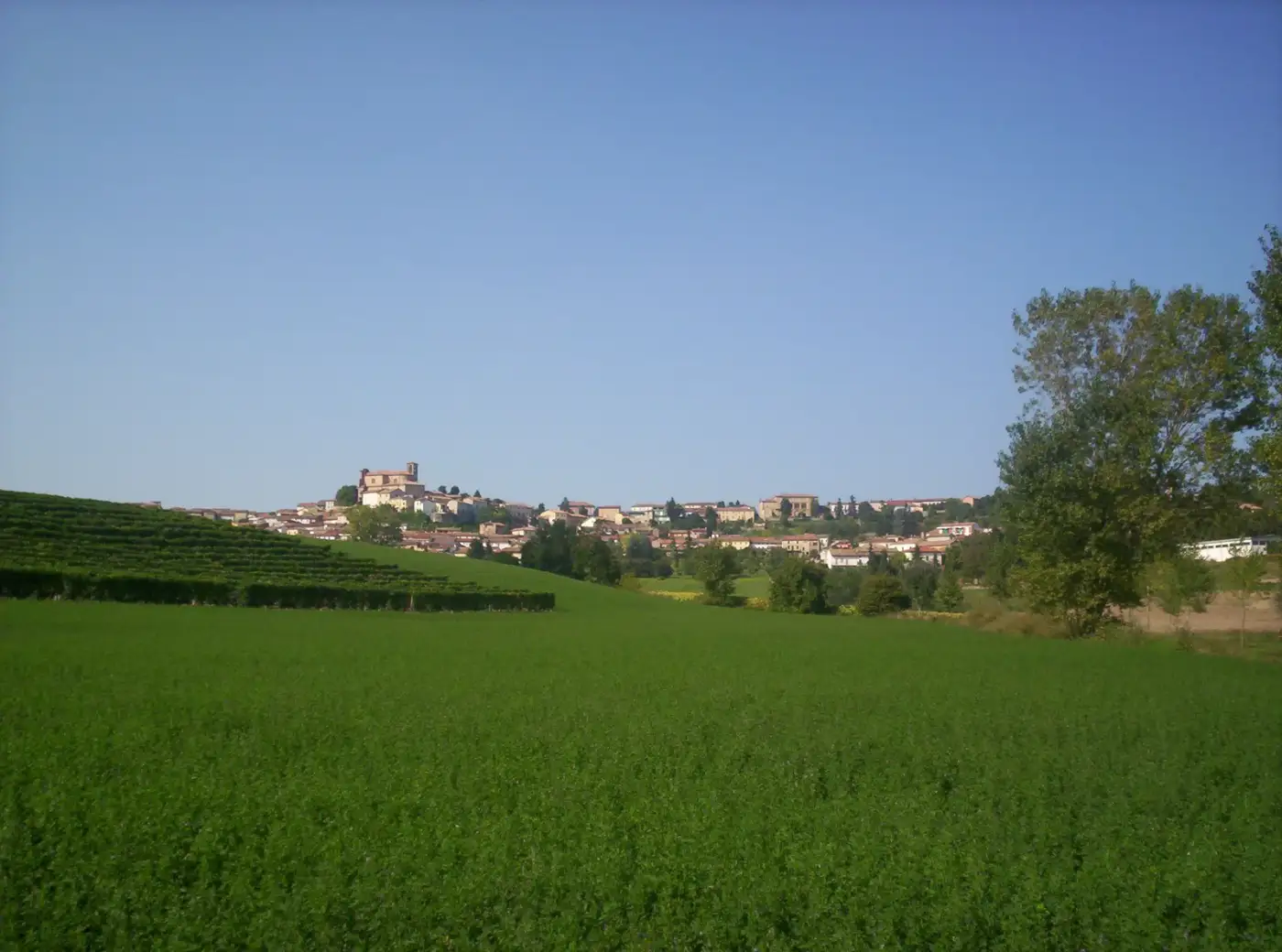
Observe the exposure of the rows, slope, proximity of the pools and alternation with other crops. They are useful elements to read agricultural work. In the cellar, ask where the vineyards are gives continuity to the visit: from the bottle you can return to the landscape just crossed, distinguishing the history of the denomination from the interpretation of the single producer.
A territory to cross between a village and the other
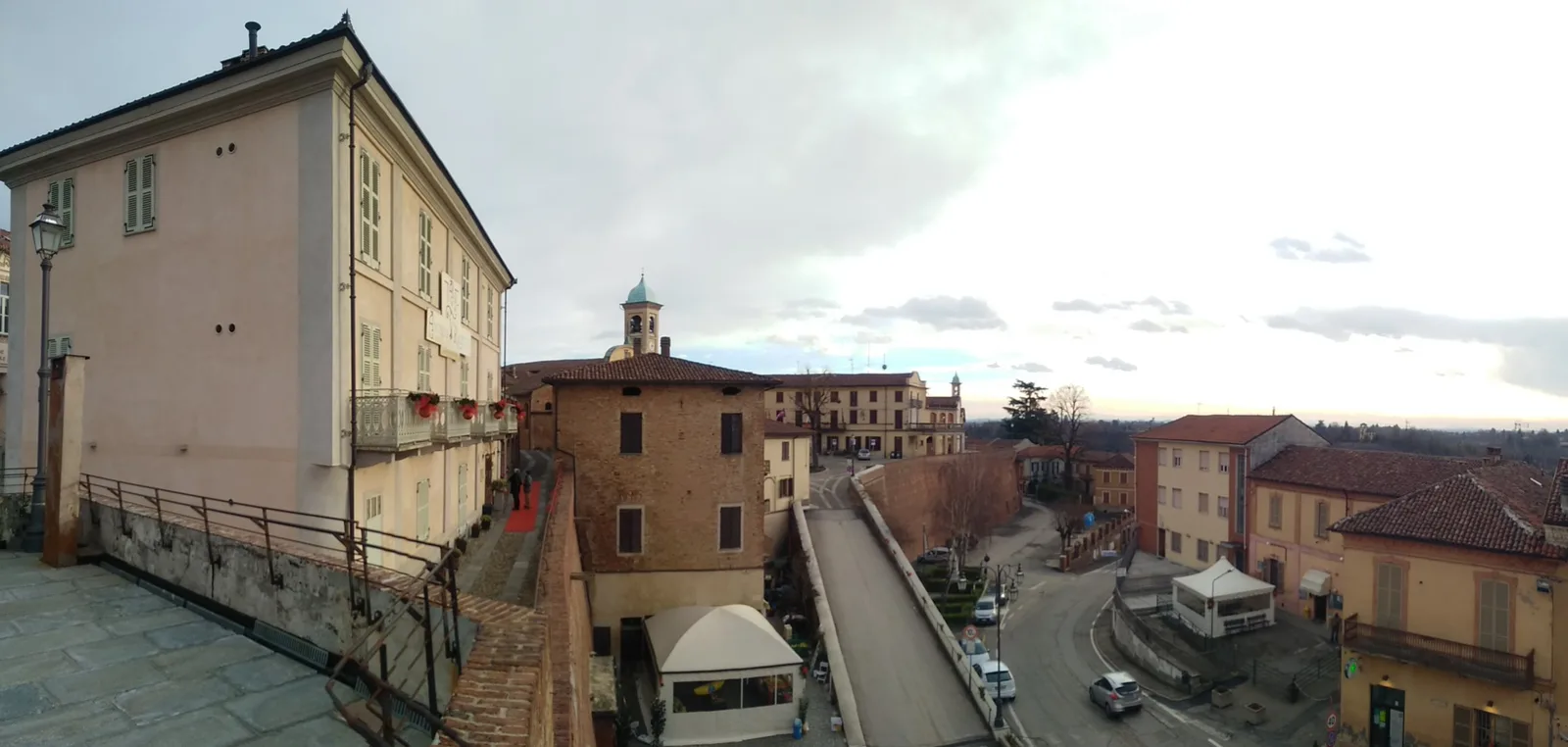
The route from Vignale to Moleto offers a concrete thread between villages and countryside. The board gathers map, development and information on the track. Walking makes the distances between the centers, the changes of slopes and the succession of crops visible; the landscape takes on a different order from that observed by the window.
You can build the day around Cella Monte and Rosignano, or follow the path towards Olivola and Ottiglio. From the villages, continue in the deepenings and paths of the respective pages. To enlarge the journey, enter into Monferrato Astigiano: the reference centres change and other links between territory and vines are opened.
Where to stay · Monferrato Casalese
Find stays on Booking.comFrom the region to the grape
Grape varieties to discover in these hills

Black grape variety
Barbera
From the lands of Nice to Casalese, Barbera tells a central part of Monferrato: a grape of freshness, colour and many interpretations.
Discover the grape variety →
Black grape variety
Grignolino
Delicate and tannins recognizable: the Grignolino accompanies a journey between the hills of Asti and Monferrato Casalese.
Discover the grape variety →
Black grape variety
Freisa
Fra Astigiano and Casalese, the Freisa tells a grape capable of giving bright reds and still wines, with tannins as a recognizable tract.
Discover the grape variety →
Black grape variety
Malvasia di Casorzo
The Malvasia di Casorzo connects seven municipalities between Astigiano and Alessandrino, with a black berry aromatic grape and a tradition of sweet wines.
Discover the grape variety →
The hills in your glass
Wines that tell the story of this region
DOC · Red
Barbera del Monferrato DOC
A red that crosses villages and hills of Monferrato. Barbera meets the culture of wineries and a table of daily flavors.
Discover the story of the wine →
DOCG · Red
Barbera del Monferrato Superiore DOCG
The Barbera del Monferrato through the time of aging. A red body to meet among the villages of Casalese.
Discover the story of the wine →DOC · Red
Grignolino del Monferrato Casalese DOC
The Grignolino between stone villages and infernot. A red to know by following the landscape of Monferrato Casalese.
Discover the story of the wine →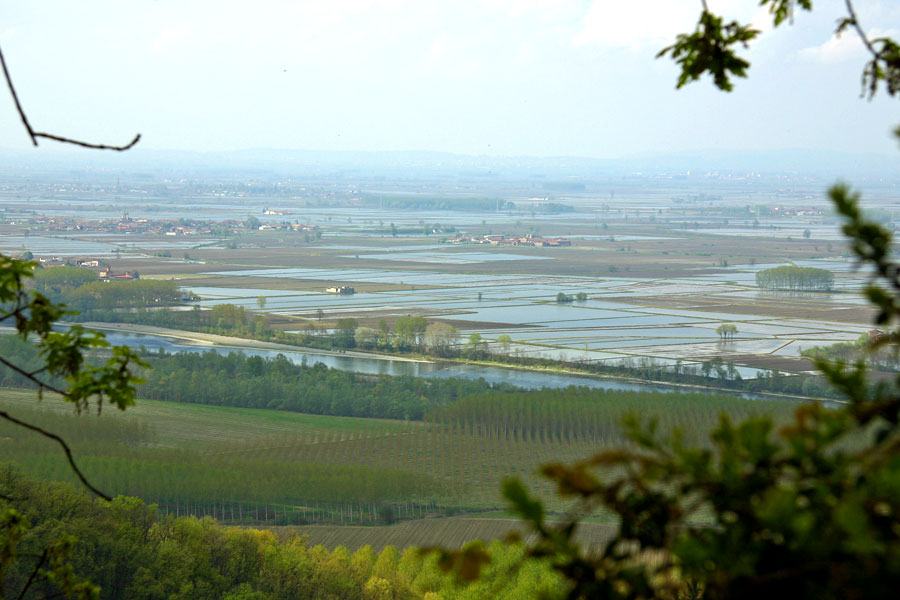
DOC · Red
Gabiano DOC
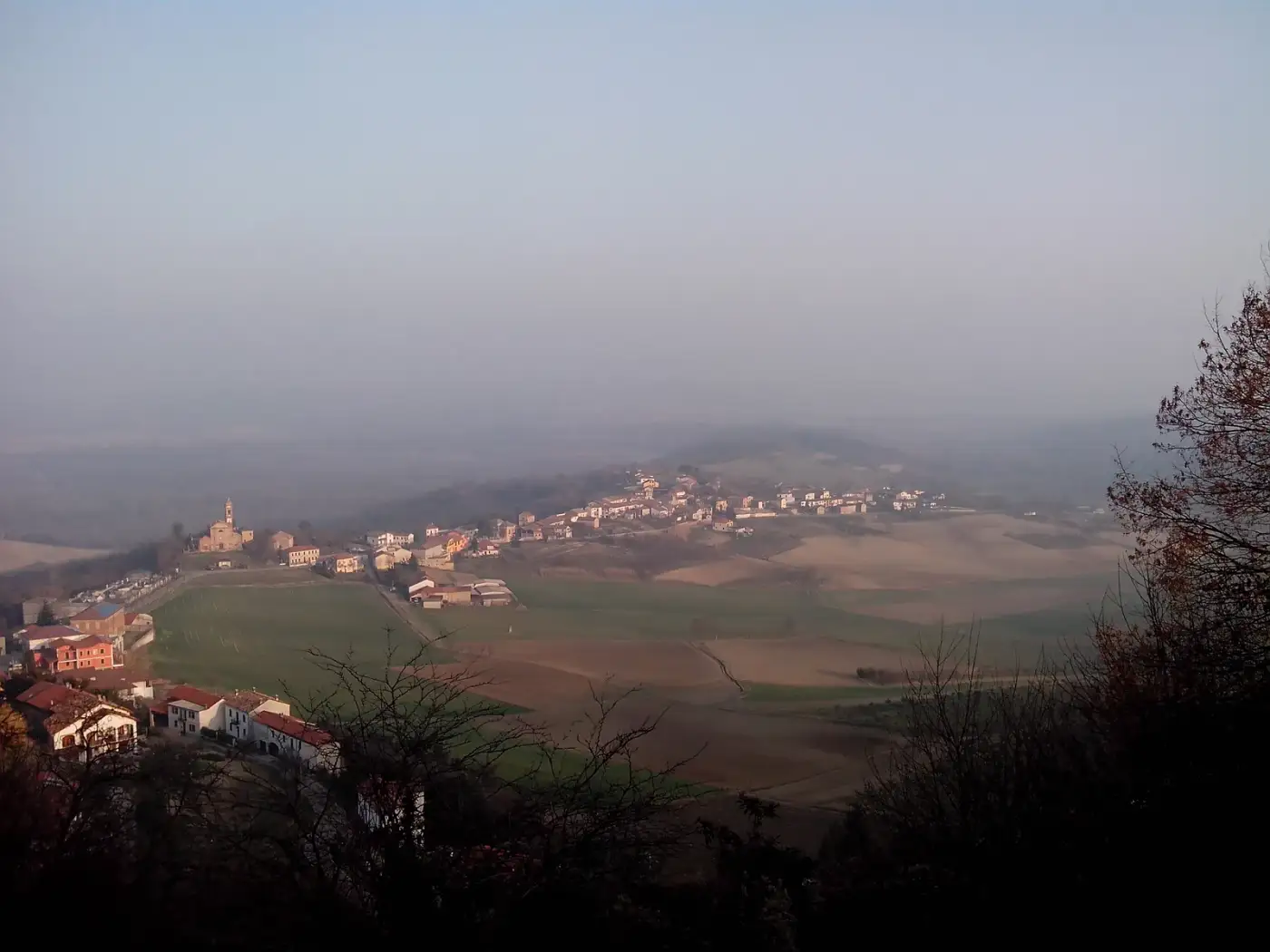
A red of two municipalities on the hills close to the Po. Barbera, castle and landscape tell the small name Gabiano.
Discover the story of the wine →
DOC · Red
Rubino di Cantavenna DOC
A red of the hills overlooking the Po. Cantavenna, a hamlet of Gabiano, gives its name to a wine that combines Barbera, Freisa and Grignolino.
Discover the story of the wine →
DOC · White, red and pink
Monferrato DOC
The Monferrato DOC tells a territory through a family of wines.
Discover the story of the wine →DOC · Red and sweet aromatic rosé, sparkling and passive
Malvasia di Casorzo DOC
Malvasia di Casorzo DOC brings in the glass an aromatic voice of the hills between Astigiano and Casalese.
Discover the story of the wine →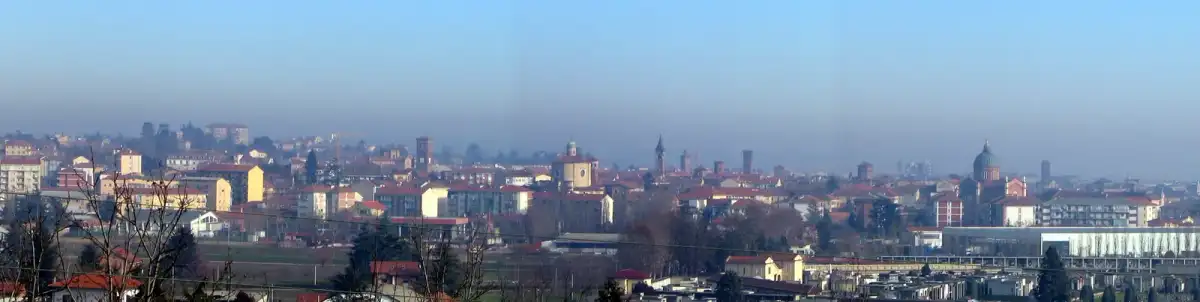
DOC · White, red, pink and sparkling wines
Piemonte DOC
The Piemonte DOC offers an entrance into the variety of wines in the region.
Discover the story of the wine →
The region, village by village
Villages, stories and routes
Each country opens up other stories and collects itineraries to cross its hills.
Continue your journey
More regions to discover
Monferrato Astigiano
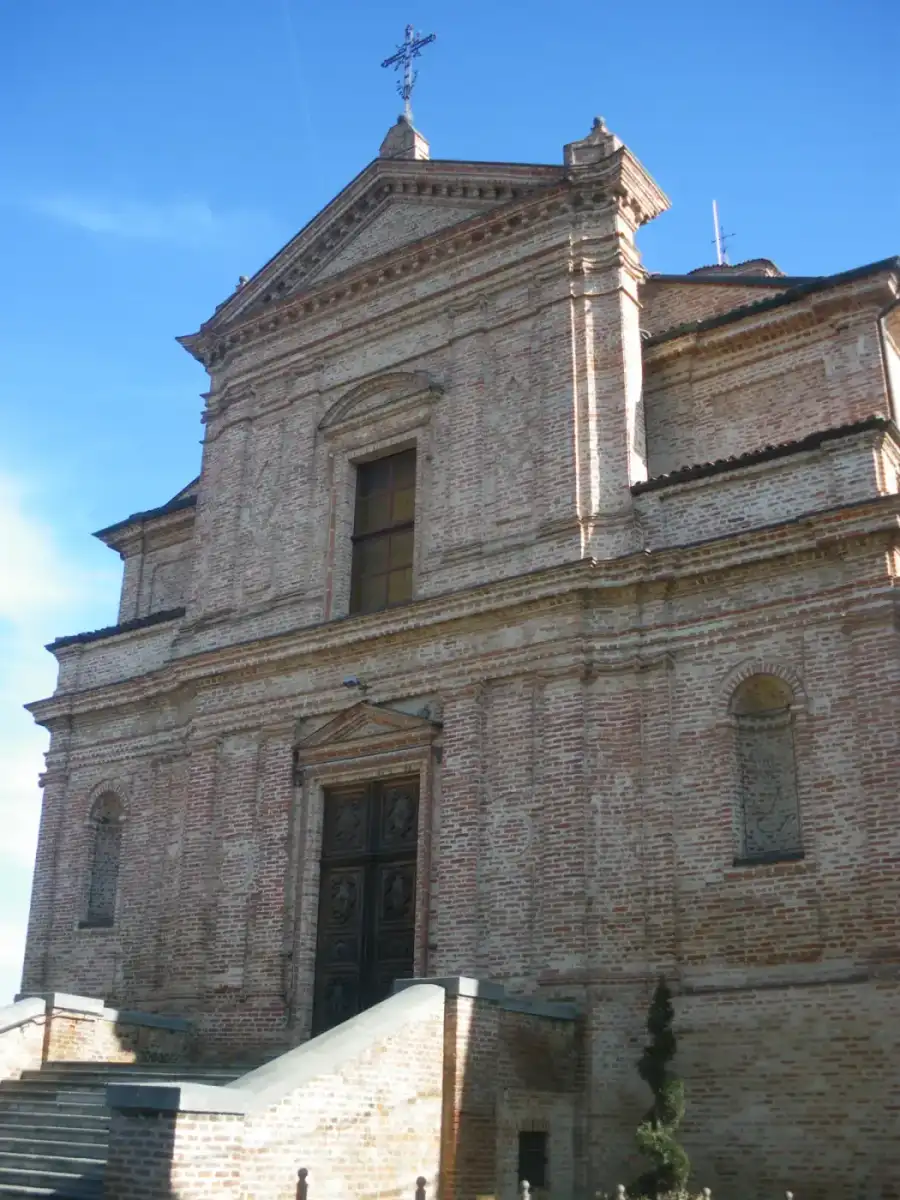
Explore the hills around Asti, from the Ruchè area to Albugnano and the Terre Alfieri, discovering villages, vineyards and routes that introduce the region’s different grapes and wines.
Explore the region
Le terre del Nizza
Nizza Monferrato, Vinchio, Vaglio Serra and the Barbera hills: discover the area through its villages, UNESCO-listed landscape and routes in the Val Sarmassa.
Explore the region