Wines of Monferrato and neighbouring regions
Rubino di Cantavenna DOC: three grapes in the landscape of Po
DOC · Red
- 01Region
- 02Grape variety
- 03Wine
- 04Winery
From the region to the glass
Rubino di Cantavenna DOC, a wine to discover
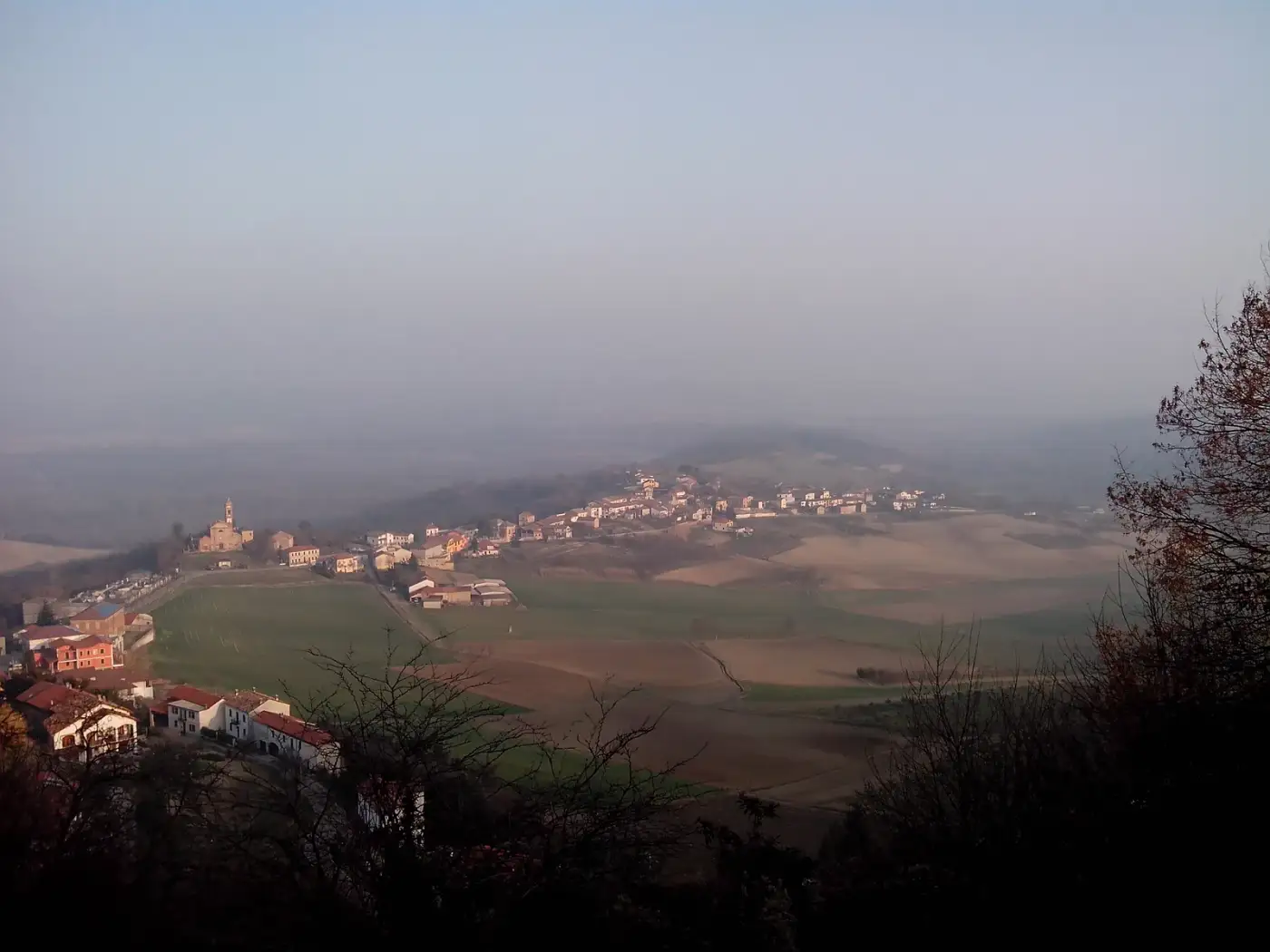
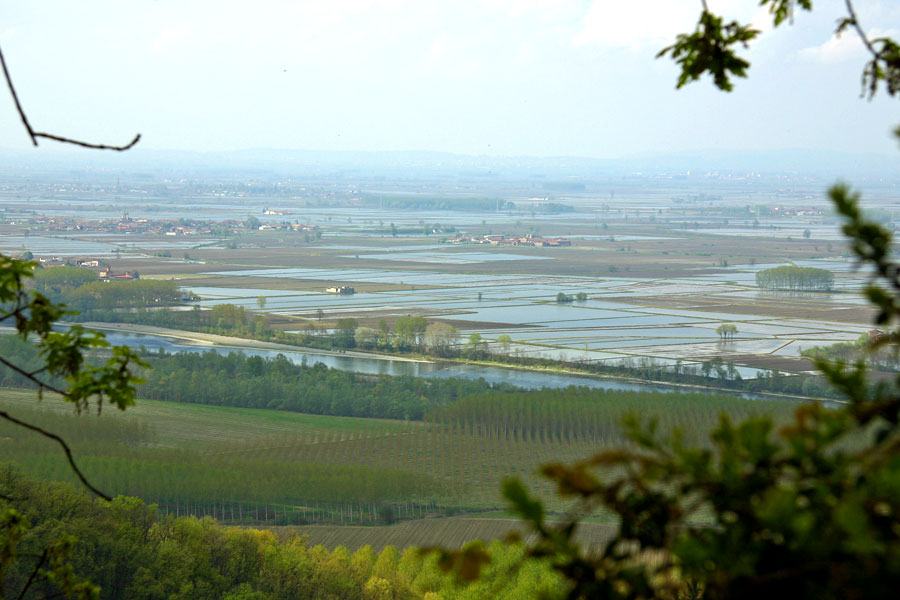
The Ruby of Cantavenna takes its name from a fraction of Gabiano and tells a section of Monferrato facing the Po. His identity was born from the meeting of Barbera, Freisa and Grignolino. It is a wine to be known following both the composition of the grapes and the landscape: rolling hills, villages and views of the plain give a precise setting to taste.
Cantavenna and the countries of the name
The area includes Gabiano, with Cantavenna, Moncestino, Villamiroglio and a part of Camino, corresponding to the territory of the former municipality of Castel San Pietro Monferrato. The name of the village gives a center to the story, while the other municipalities allow to widen the journey and observe the continuity of the hills.
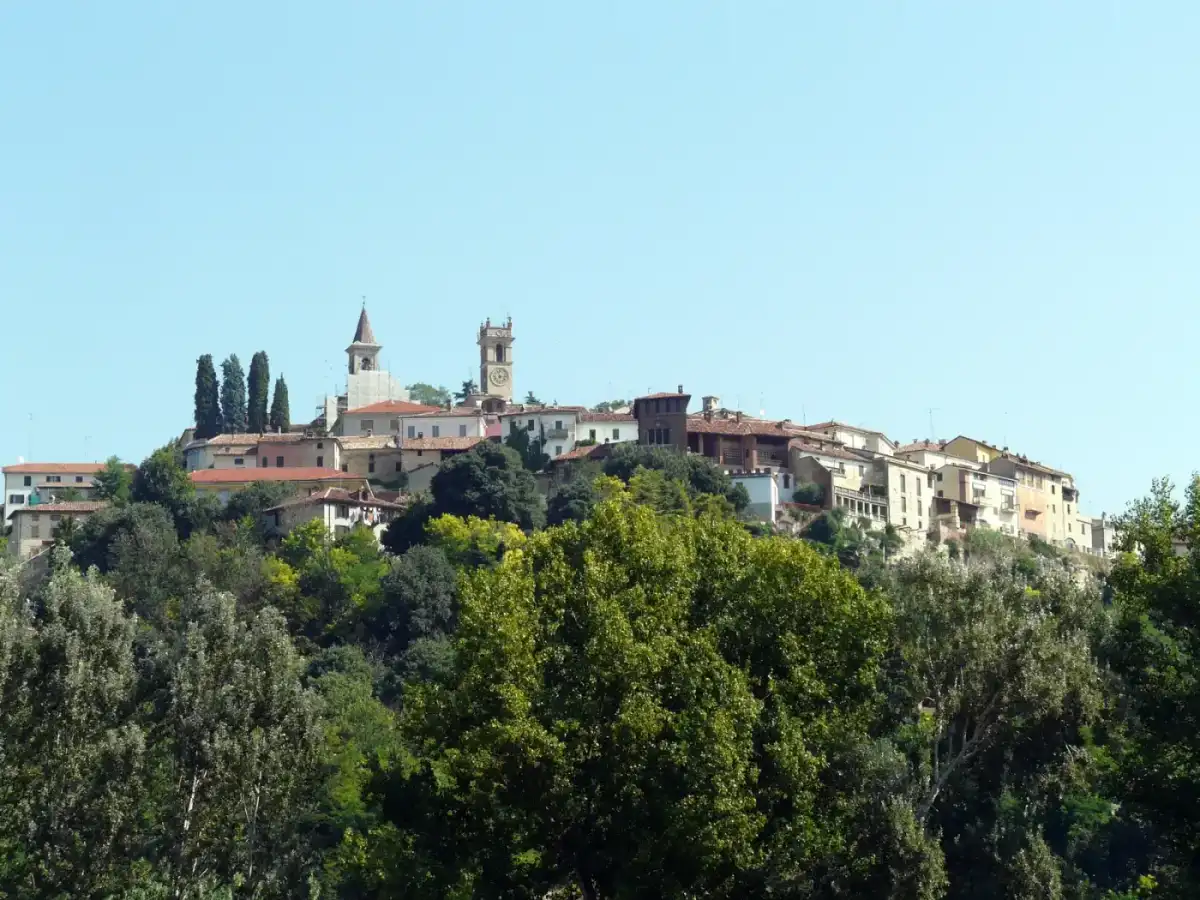
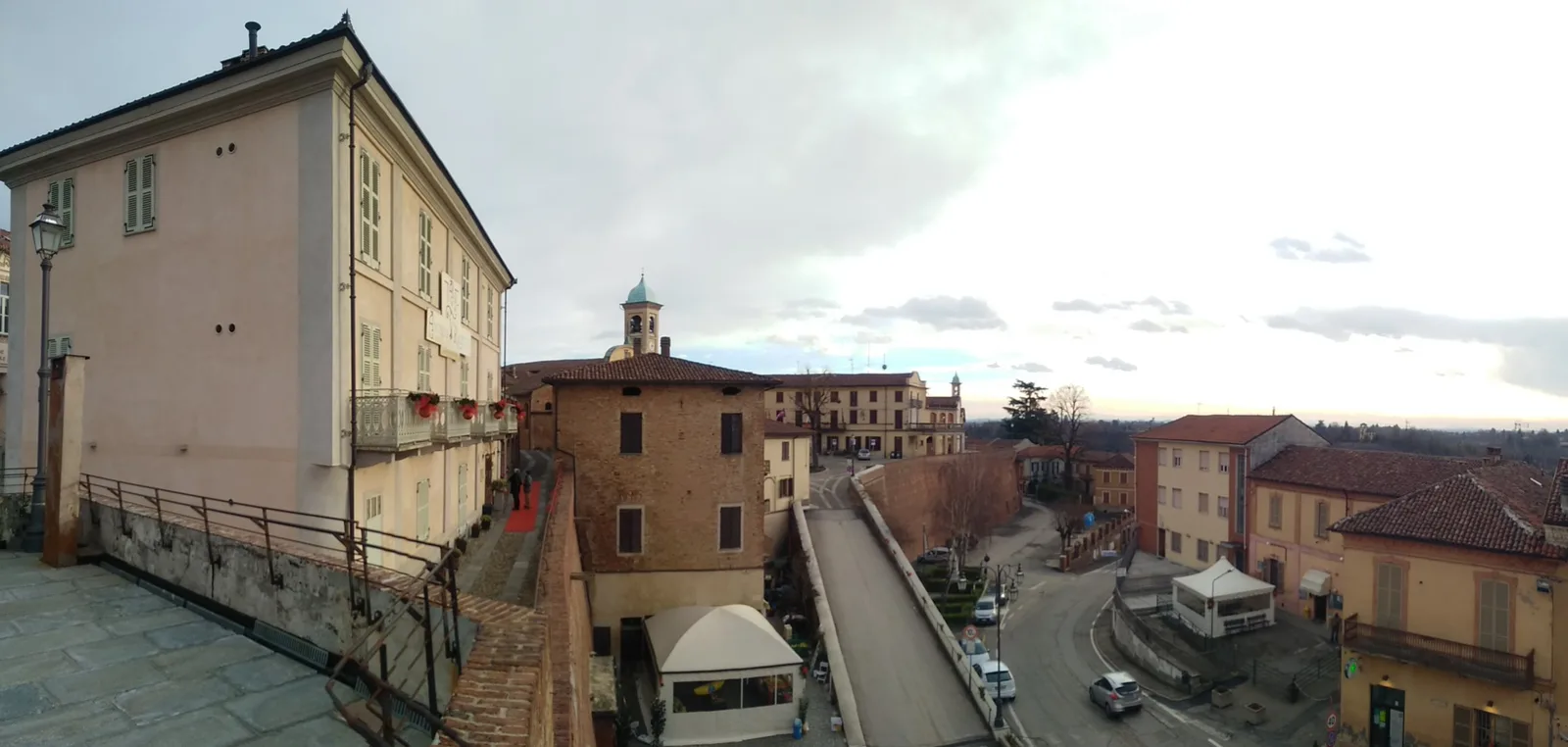
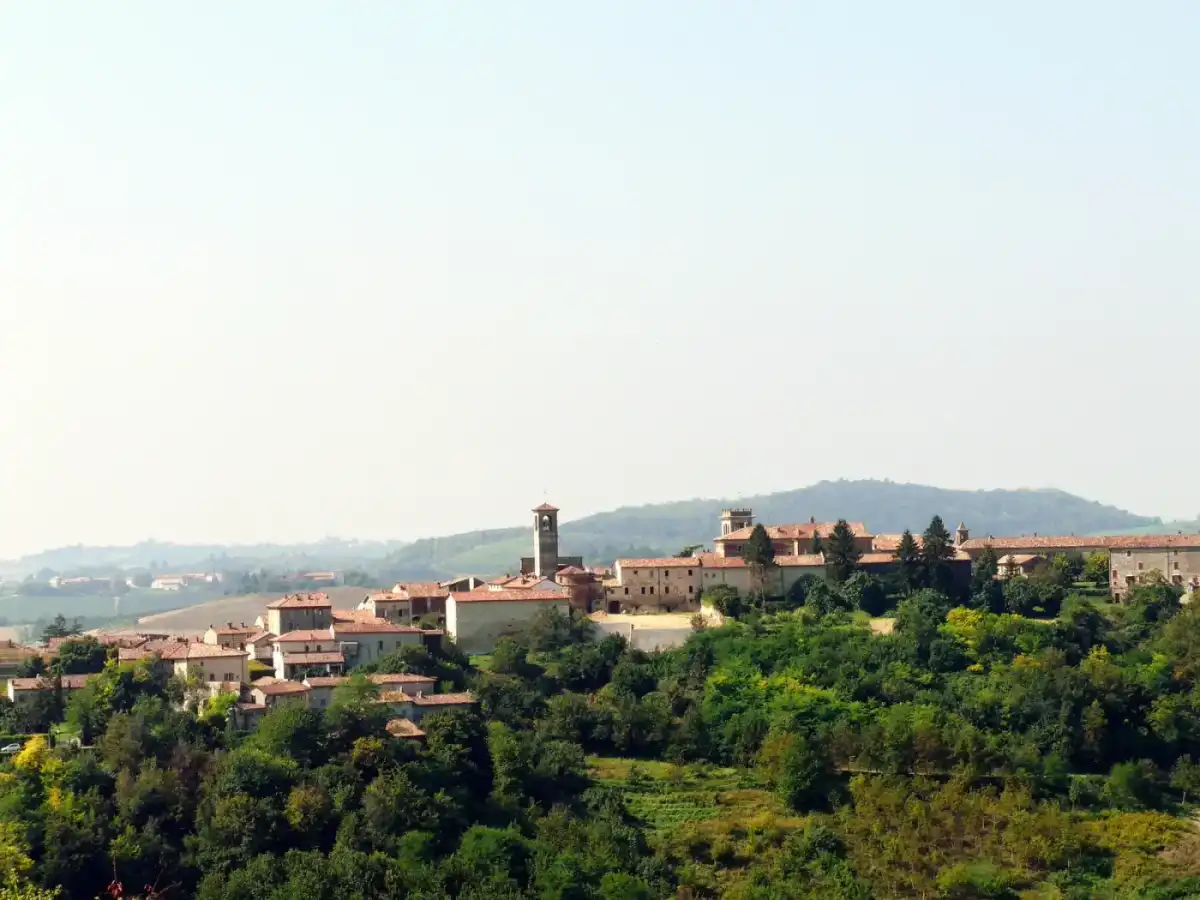
The landscape alternates vineyards and other crops, with boscati traits and reliefs opening towards the plain. The panoramic road of Monferrato offers a reading of this position, between the inside of the hills and the horizon of the Po. The journey can follow the change of views: a village on the relief, the countryside along the link and a wider view help to rebuild the geography of wine.
A tradition of grapes that live together
DOC recognition dates back to 1970. The Ruby of Cantavenna preserves in its composition a tradition of assembly among Piedmontese varieties. The bottle tells a territory through several grapes, with a main part of Barbera and contributions from Freisa and Grignolino. The local name makes this choice recognizable and connects it to a collection area.
The visit can include the profiles of the castles of Gabiano and Camino, which give the countryside two historical and visual references. Countries, dwellings and crops belong to a geography inhabited over time. The wine offers a perspective to read these relationships: the agricultural landscape supports the work of the cellars, while the settlements preserve the history of those who lived and cultivated the hills.
The composition and character of the wine
The discipline includes Barbera from 75 to 90%; Freisa and Grignolino can compete, together or separately, up to 25%. The relationship between the grapes distinguishes Rubino from the nearby name Gabiano. In the cup Barbera offers a reference to be followed, while the assembly invites you to know the role of other varieties and how they contribute to the final balance.
The profile described is that of a dry red, with fruit and spicy nuances. To explore it, look first at the scents and then the relationship between freshness, consistency and persistence. The comparison between bottles can highlight different interpretations of the same territorial composition. The tasting becomes more concrete when the producer tells the origin of the grapes and the choices made to accompany the maturation.
The path from the panorama to the table
A day can join Cantavenna and Gabiano at a second stage between Moncestino, Villamiroglio and Camino. It leaves room for a walk in the countries: crossing the streets makes the settlements more recognizable that are observed from the slopes. At the table, tasty firsts, meat and cheese dishes allow you to follow wine through different meetings, with the landscape of the day still present in memory.
Continue with the Gabiano to deepen the difference between two nearby denominations and with Barbera del Barbera Monferrato to open a visit to a wider geography. The Rubino occupies a place in this context: a fractional name, a composition of grapes and a territory that looks at the river make personal the story of this bottle.
At the end of the trip, take back the view of the hills overlooking the plain. The panorama gathers the places met and allows to preserve the sense of the position of Cantavenna, a starting point of a red from the precise geography.
Wine begins with the grape
Grape varieties in the story of Rubino di Cantavenna DOC

Black grape variety
Barbera
From the lands of Nice to Casalese, Barbera tells a central part of Monferrato: a grape of freshness, colour and many interpretations.
Discover the grape variety →
Black grape variety
Grignolino
Delicate and tannins recognizable: the Grignolino accompanies a journey between the hills of Asti and Monferrato Casalese.
Discover the grape variety →
Black grape variety
Freisa
Fra Astigiano and Casalese, the Freisa tells a grape capable of giving bright reds and still wines, with tannins as a recognizable tract.
Discover the grape variety →
The hills before the glass
Regions to explore
A village begins the journey
Villages, stories and routes
Follow the villages connected to the story and continue among their stories and itineraries of the hills.
Add a stop to your journey
More wines to discover
DOC · Red
Barbera del Monferrato DOC
A red that crosses villages and hills of Monferrato. Barbera meets the culture of wineries and a table of daily flavors.
Discover the story of the wine →
DOC · Red
Gabiano DOC
A red of two municipalities on the hills close to the Po. Barbera, castle and landscape tell the small name Gabiano.
Discover the story of the wine →