Wines of Monferrato and neighbouring regions
Barbera d’Asti DOCG: the hills, fruit and table
DOCG · Red
- 01Region
- 02Grape variety
- 03Wine
- 04Winery
From the region to the glass
Barbera d’Asti DOCG, a wine to discover
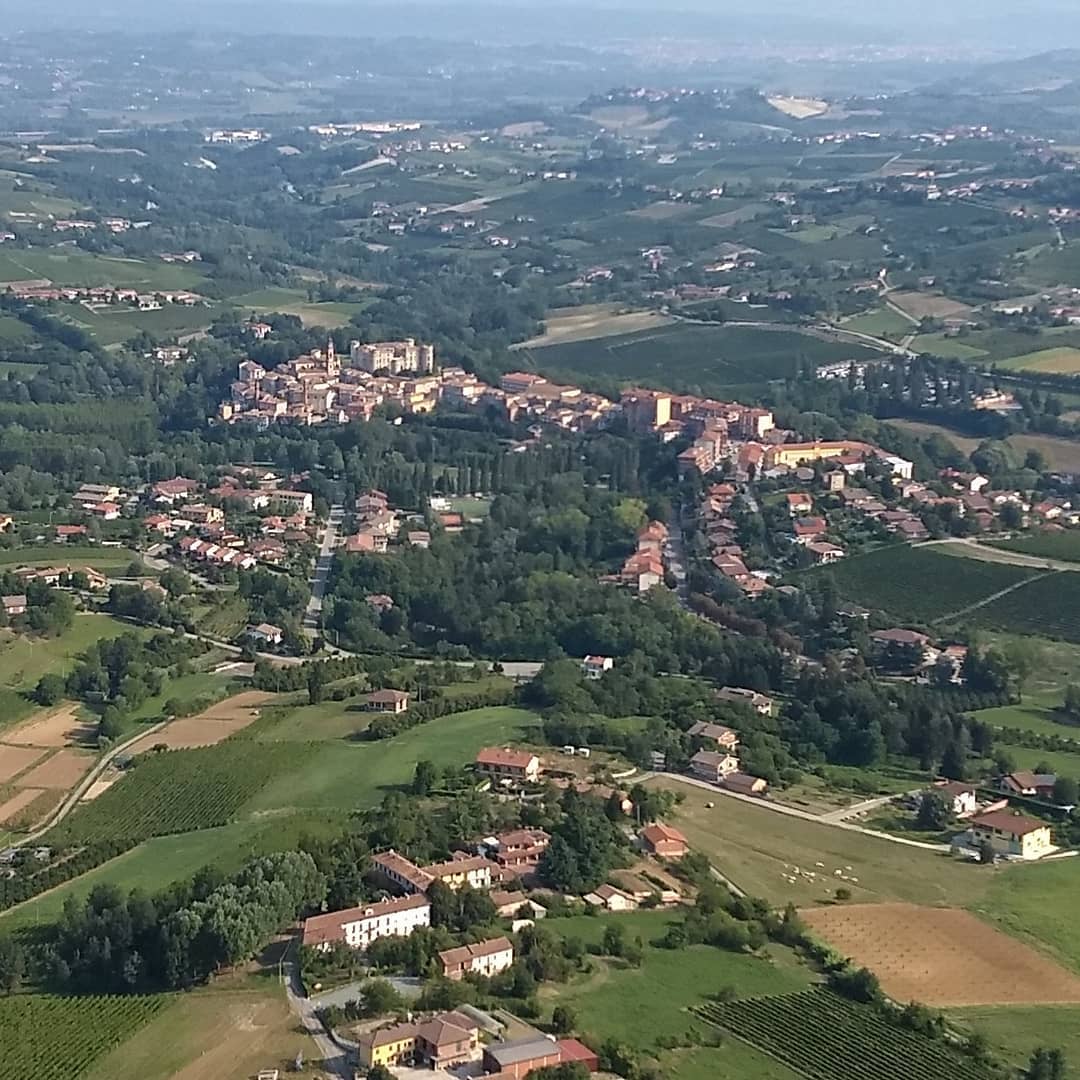
The Barbera d’Asti accompanies a wider territory of the city that gives it its name. Its world is made of cultivated hills, farms and villages where the vine remains a daily presence. It is one of the most direct ways to enter Monferrato Astigiano: the name on the label combines a recognizable origin with interpretations capable of changing from one cellar to another.
Asti and the countryside around the city
Start from Asti, where towers, squares and churches tell an urban history that intertwines with that of the countryside. The wine itinerary acquires depth if it also includes this dimension: the city center is a place of encounter and exchange, while the external slopes show the work from which the bottle is born. Moving away from the streets of the center, it looks like crops occupy different surfaces and how countries follow reliefs.
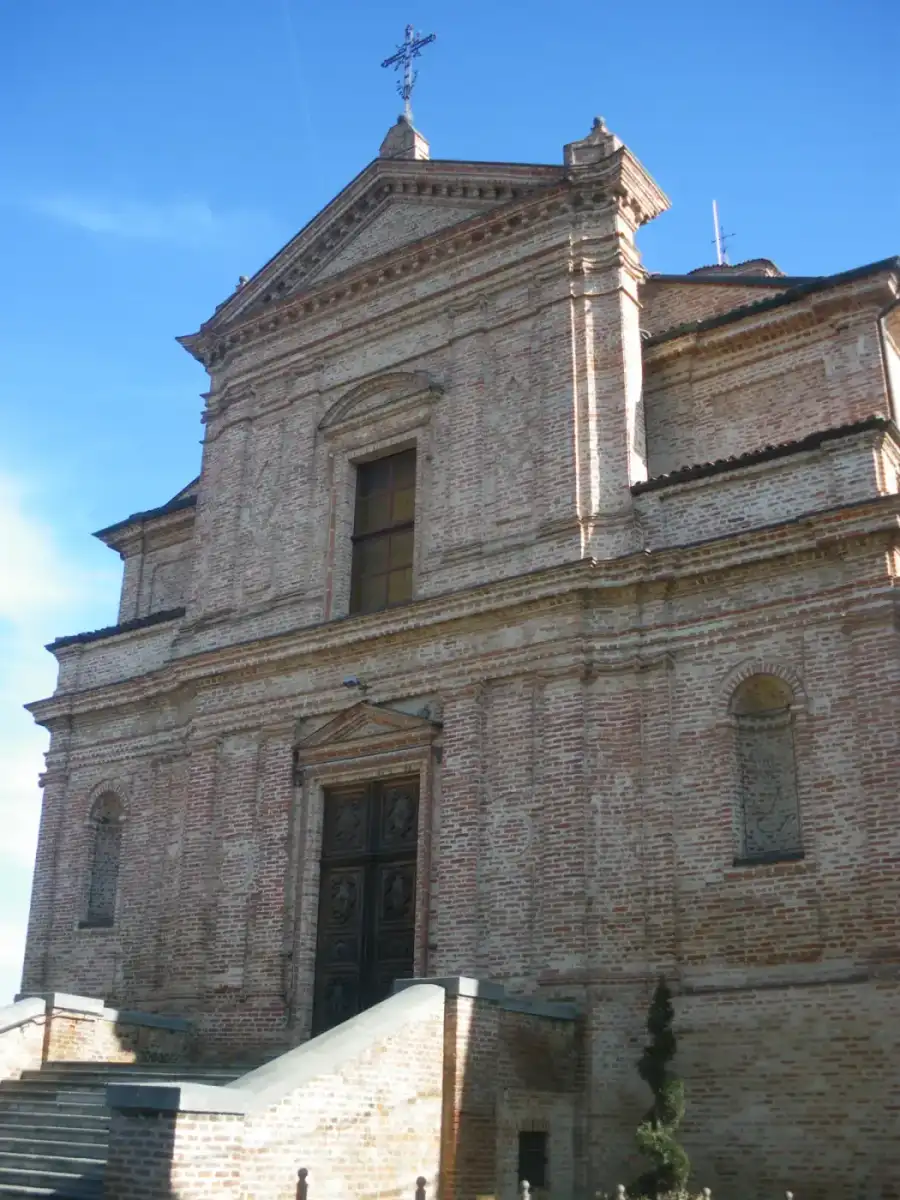
A stop at Ribs of Asti shifts your gaze to the relationship between a village gathered around the castle and the surrounding countryside. From here you can continue towards Agliano Terme, inserting in the journey a second reading of the hills of Astigian. They are useful places to be oriented, without reducing a wide denomination to only one panorama.
The visit can start from the vineyard and continue with a simple question: what expression of Barbera seeks this winery? The answer connects the taste to the choices of harvesting and maturation, making more understandable the difference between wines that share the same name.
From peasant custom to DOCG
Recognition as DOC dates back to 1970; DOCG in 2008. These two dates mark important steps in the enhancement of wine, but the Barbera affair comes from farther: from its diffusion in vineyards and from the relationship with the table. The modern path has given greater visibility to a variety that already had a central place in Piedmont's agricultural life.
Recent history is understood by observing how much the way of working and presenting Barbera has changed. The research on the maturation of grapes and wine choices has multiplied the possible expressions. The familiarity of the name thus coexists with a great variety of results: the bottle for an informal lunch and that to be followed over time belong to the same culture of wine.
The freshness and choices of the cellar
The Barbera vine offers an essential reading key: fruit and acidity give rhythm to the sip. In the most immediate interpretations you can look for the clarity of aromas and an agile drink; in the more structured versions the balance also involves maturity, volume and refinement. The consortium describes two common guidelines, from steel wine making to the use of casks and barriques.
Tasteing wines with different paths is a concrete way to understand the work of the producer. The wood can accompany the evolution of Barbera and make the aromatic profile more articulate; steel can highlight the vivacity of the fruit. The result is appreciated as a whole, when freshness and consistency are supported and the sip continues beyond the first impression.
A trip to the table
Barbera d’Asti is a natural meeting with dishes that have succulence and intensity: stuffed pasta, meat preparations, cheeses and recipes of Piedmont cuisine allow you to explore its balance. A young version can accompany a convivial meal; a more mature wine invites to a more collected table, where follow the change of aromas in the glass.
To continue the discovery, connect this page to Nice. The comparison helps to see how the same vine can be told through a more circumscribed geography. Then go back to the villages visited: a road, a slope and a farmhouse become real references. This is how Barbera d’Asti stops being only a known name and takes the face of the places crossed.
Wine begins with the grape
Grape varieties in the story of Barbera d’Asti DOCG

Black grape variety
Barbera
From the lands of Nice to Casalese, Barbera tells a central part of Monferrato: a grape of freshness, colour and many interpretations.
Discover the grape variety →The hills before the glass
Regions to explore


A village begins the journey
Villages, stories and routes
Follow the villages connected to the story and continue among their stories and itineraries of the hills.
Add a stop to your journey
More wines to discover
DOCG · Red
Nizza DOCG
The Barbera in the hills around Nizza Monferrato. Borghi, slopes and refinement tell a name from the strong territorial bond.
Discover the story of the wine →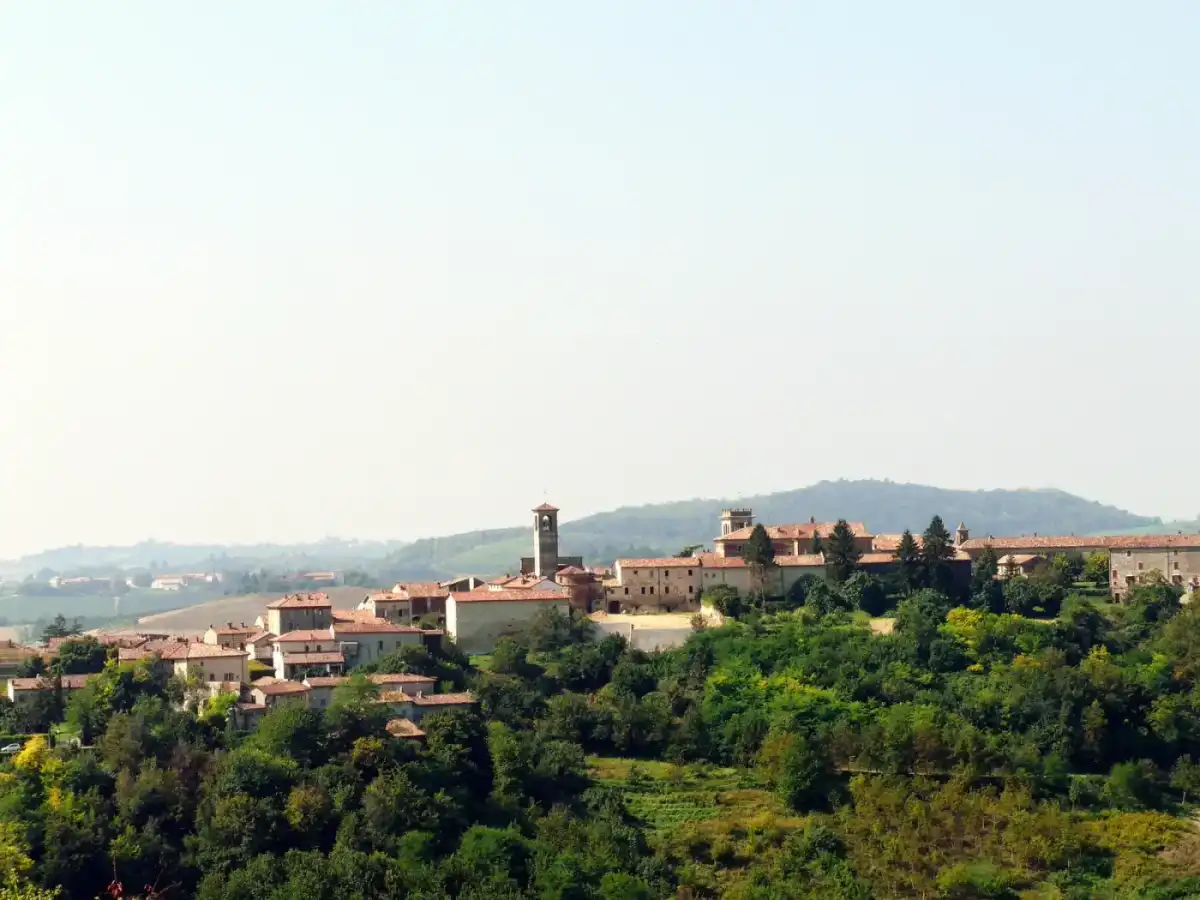
DOC · Red
Barbera del Monferrato DOC
A red that crosses villages and hills of Monferrato. Barbera meets the culture of wineries and a table of daily flavors.
Discover the story of the wine →