Wines of Monferrato and neighbouring regions
Ruchè di Castagnole Monferrato DOCG: the scents of seven municipalities
DOCG · Red
- 01Region
- 02Grape variety
- 03Wine
- 04Winery
From the region to the glass
Ruchè di Castagnole Monferrato DOCG, a wine to discover
The Ruchè di Castagnole Monferrato invites you to a concentrated journey, in which few countries preserve the identity of a rare grape. The name leads to Castagnole Monferrato, starting point to explore an area of the Astigiano where wine is also recognized through perfumes. Flowers, spices and fruit offer a first track, which the territory makes deeper.
Seven municipalities for a precise identity
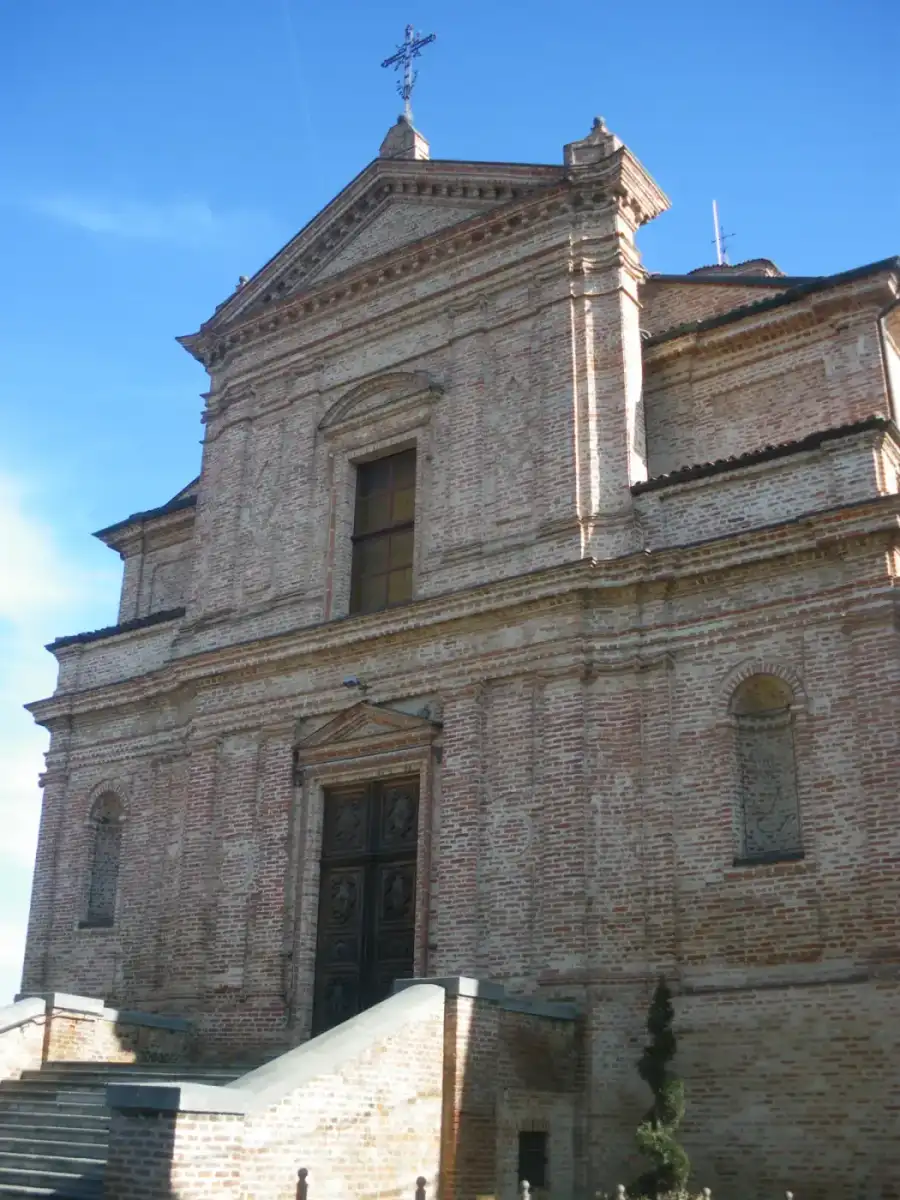
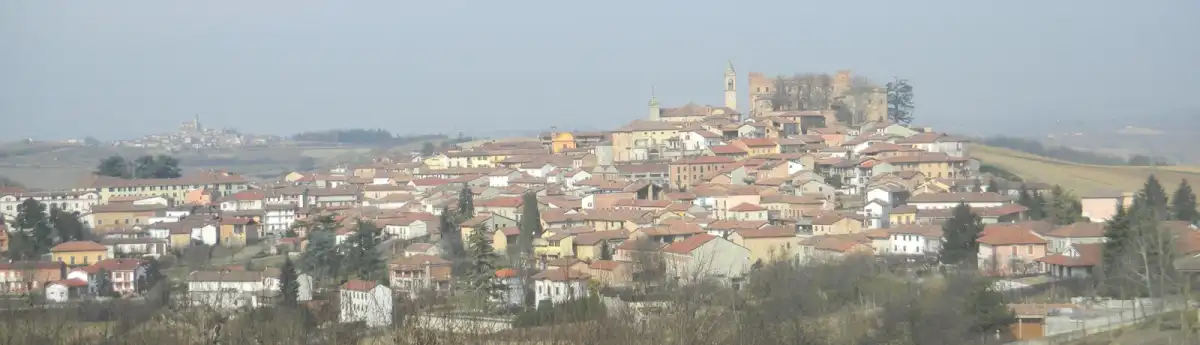
The production area includes Castagnole Monferrato, Grana, Montemagno, Portacomaro, Refrancore, Scurzolengo and Viarigi. The size of the denomination allows you to easily connect the label to names and places. In the Monferrato Astigiano, these countries offer a reading of the hills made of inhabited centers, cultivated slopes and passages from one back to another.
A first day can join Castagnole in Montemagno, continuing towards Viarigi and Refrancore. The path between the countries is already part of the experience: the prospects change, the views of the countryside open and the vineyards enter the broader design of the reliefs. The visit to the historical centers gives the landscape a human scale, made of squares, alleys and houses.
A stop between the rows allows to bring attention to the plant from which this aromatic personality is born. The vineyard makes tangible a story that in the glass seems immediate: before the perfume comes the care of the vines, the maturation and the work necessary to preserve its character.
A rediscovery linked to people
The modern enhancement of Ruchè is linked to Don Giacomo Cauda, who in the 1960s helped bring attention to this grape. The consortium recalls its role in the recovery of a wine that had risked staying on the margins. The recognition of DOC in 1987 and DOCG in 2010 mark the next path, making more visible a local specificity.
It is an interesting story to bring in the visit, because it shows the weight of individual choices in the continuity of a cultivation. A vine survives through the work of those who recognize it, cure it and find a way to tell it. Chestnuts thus becomes a place where wine allows to speak also of memory, initiative and relationship between a community and its own countryside.
A perfume that opens the taste
The Ruchè constitutes the main part of wine; the disciplinary allows small contributions to Barbera or Brachetto. The most immediate part is the aromatic intensity. In the profile described by the consortium are floral and spicy notes, with possible references to marasca and berries. The ruby color can remain relatively delicate, while the perfume has a clear presence.
The sip is dry and finds a balance between softness and aromatic persistence. In order to know him, he pays attention to the passage from his nose to his mouth: the perfume prepares the encounter and continues to be perceived during the drink. This continuity is a good reason to taste calmly. Two bottles of different producers can show distinct shades, keeping the character that gives identity to Ruchè.
The aromatic journey at the table
Food meetings can follow both fruit and spicy component. Meat dishes, first tasty and cheese offer different perspectives; also a preparation with a measured use of spices allows to observe the dialogue with wine. Persistence makes it interesting to return to the glass between one mouth and another, when the perfume changes in the relationship with the dish.
To enlarge exploration, compare Ruchè with the Grignolino d’Asti and the Freisa d’Asti. They are other red voices of the territory and help to seize its variety. At the end of the journey, Castagnole, Montemagno and other countries become personal references: wine shows a panorama, a square and the history of those who have kept this grape.
Wine begins with the grape
Grape varieties in the story of Ruchè di Castagnole Monferrato DOCG
Black grape variety
Ruchè
Ruchè leads to the hills of Castagnole Monferrato, where a grape with recognizable scent binds seven municipalities and a history of rediscovery.
Discover the grape variety →
The hills before the glass
Regions to explore

A village begins the journey
Villages, stories and routes
Follow the villages connected to the story and continue among their stories and itineraries of the hills.
Add a stop to your journey
More wines to discover
DOC · Red
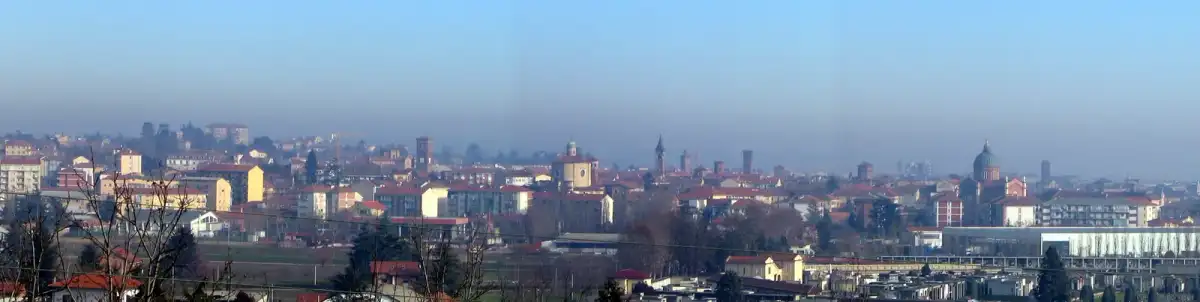
Grignolino d’Asti DOC
A clear red and a strong character in the hills of Asygia. Delicate scents, tannins and countries tell the personality of Grignolino.
Discover the story of the wine →
DOC · Red
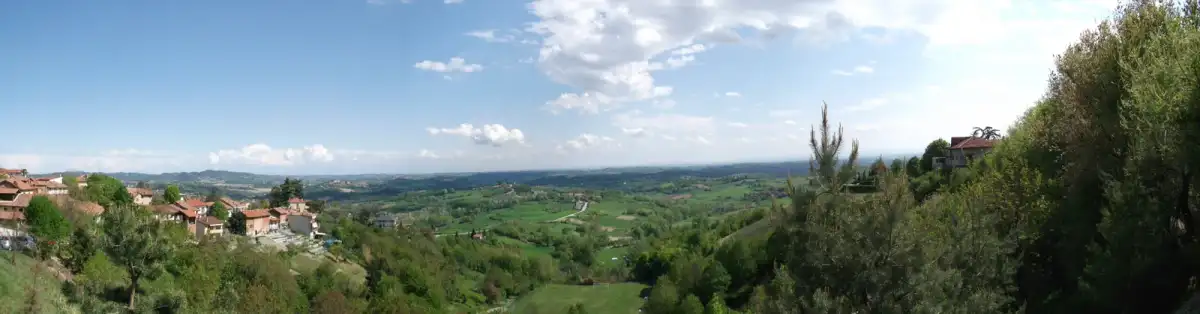
Freisa d’Asti DOC
Pink, raspberry and tannins in the hills of Asti. The Freisa accompanies a route between the villages of northern Astigiano and peasant tradition.
Discover the story of the wine →