Wines of Monferrato and neighbouring regions
Terre Alfieri: Arneis and Nebbiolo between Astigiano and Roero
DOCG · White Arneis and Red Nebbiolo
- 01Region
- 02Grape variety
- 03Wine
- 04Winery
From the region to the glass
Terre Alfieri DOCG, a wine to discover
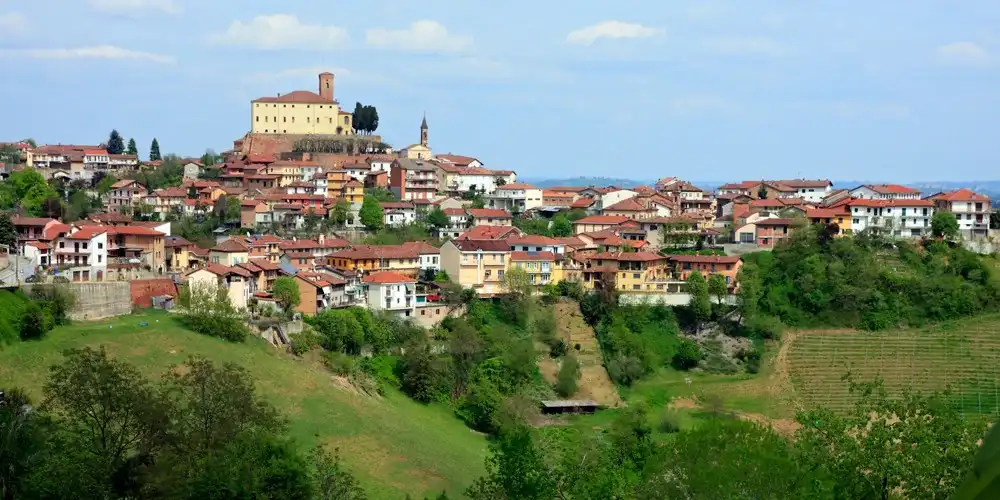
The Terre Alfieri DOCG brings together two voices of the hills: Arneis white and Nebbiolo red. The name is located between Astigiano and Roero, in an area where villages, castles and vineyards invite you to look beyond the provincial borders.
You can start from San Martino Alfieri, reach Cisterna d'Asti and continue towards San Damiano d'Asti. The two grapes allow to build a comparison that follows the same territory through different colors and structures. It is a journey collected, with many opportunities to stay in the villages and recognize their countryside.
Eleven municipalities between two provinces
The delimitation includes seven local municipalities: Antignano, Celle Enomondo, Cisterna d’Asti, Revigliasco d’Asti, San Damiano d’Asti, San Martino Alfieri and Tigliole. To these are added parts of Castellinaldo, Govone, Magliano Alfieri and Priocca, in the province of Cuneo. The distinction between whole communal territories and delimited portions is important to understand the geography of the denomination.
The suitable vineyards are located on the hills, in clay soils, limestone and sandy, variedly combined. The campaign changes perspective to each dorsal: a country observed from afar can become the next stage. In the Monferrato Astigiano, the Terre Alfieri thus introduces an area of encounter with the hills of Roero.
From DOC to DOCG recognition
The name was born as DOC in 2009 and obtained the DOCG in 2020. Its recent story makes an area recognizable through two varieties rooted in Piedmontese viticulture. The name Terre Alfieri gives unity to the path, keeping distinct white and red expression, each with rules and own times.
This dual identity offers a concrete way to read the landscape. In the same visit you can ask where Arneis and Nebbiolo are cultivated, what exhibitions have been chosen and how the producer interprets the two grapes. The story is not exhausted in the tasting: it returns to the observed slopes and decisions that make them vineyards.
Arneis and Nebbiolo, two routes in the glass
Terre Alfieri Arneis requires at least 85% of Arneis; the Terre Alfieri Nebbiolo at least 85% of Nebbiolo. The remaining part can come from other non-aromatic vines of the corresponding color, admitted by the disciplinary. The two types share the area, but retain a distinct ampelographic base.
For the Arneis there is also a higher version; for Nebbiolo there are Superior and Reserve. A tasting can then pass from the fruity component and from the body of white to tannins and to the evolution of red. The combinations follow these differences: delicate dishes and fresh cheeses for the Arneis, meats and mature cheeses for Nebbiolo.
The yields distinguish the two productions: for Arneis the consortium card indicates a maximum of 100 quintals per hectare, for Nebbiolo 85. It is a useful detail to know the work upstream of the cellar, along with the position of the vineyards. Asking how the company manages the production load and the maturation of the two varieties adds to the tasting an agricultural reading of the territory, consistent with the dual identity of the denomination.
An itinerary on the dorsals
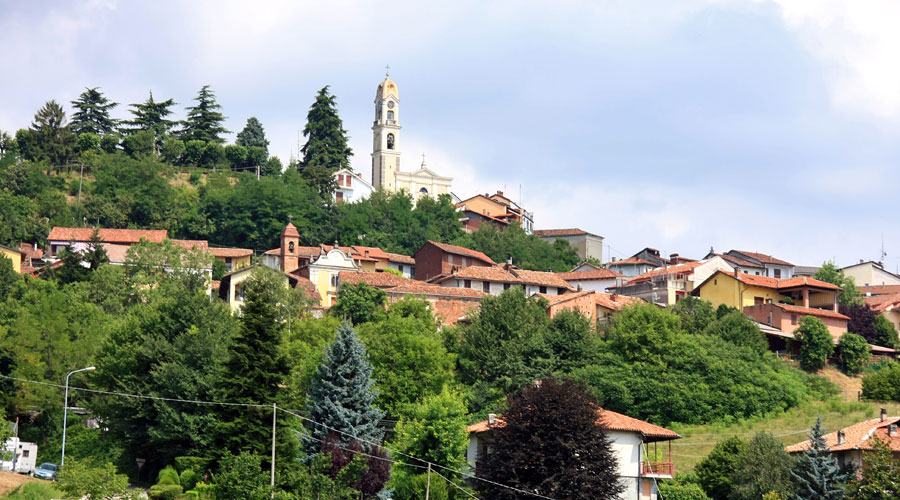
San Martino Alfieri and Cisterna allow to bind the wine in the presence of the villages on the hills. Dedicate a stop at the center of each country, then look at its profile from the countryside. The alternation between alleys and landscape gives a measure of distances and shows how inhabited, historical buildings and crops belong to the same landscape.
Complete the day in San Damiano or Antignano, choosing a cellar where to taste both types. To continue the confrontation on Nebbiolo, the nearby horizon ofAlbugnano DOC proposes another area and another identity. Returning to the pages of the vines after the visit helps to put in order the differences listened and recognized during the tasting.
Wine begins with the grape
Grape varieties in the story of Terre Alfieri DOCG
Black grape variety
Nebbiolo
The Nebbiolo opens a perspective on the hills of Albugnano and the Alfieri Lands, with an asian journey into the geography of a great Piedmont vine.
Discover the grape variety →White grape variety
Arneis
The Arneis invites you to explore the Alfieri Lands and the western margin of Astigiano, connecting a Piedmontese white grape to its countries.
Discover the grape variety →The hills before the glass
Regions to explore
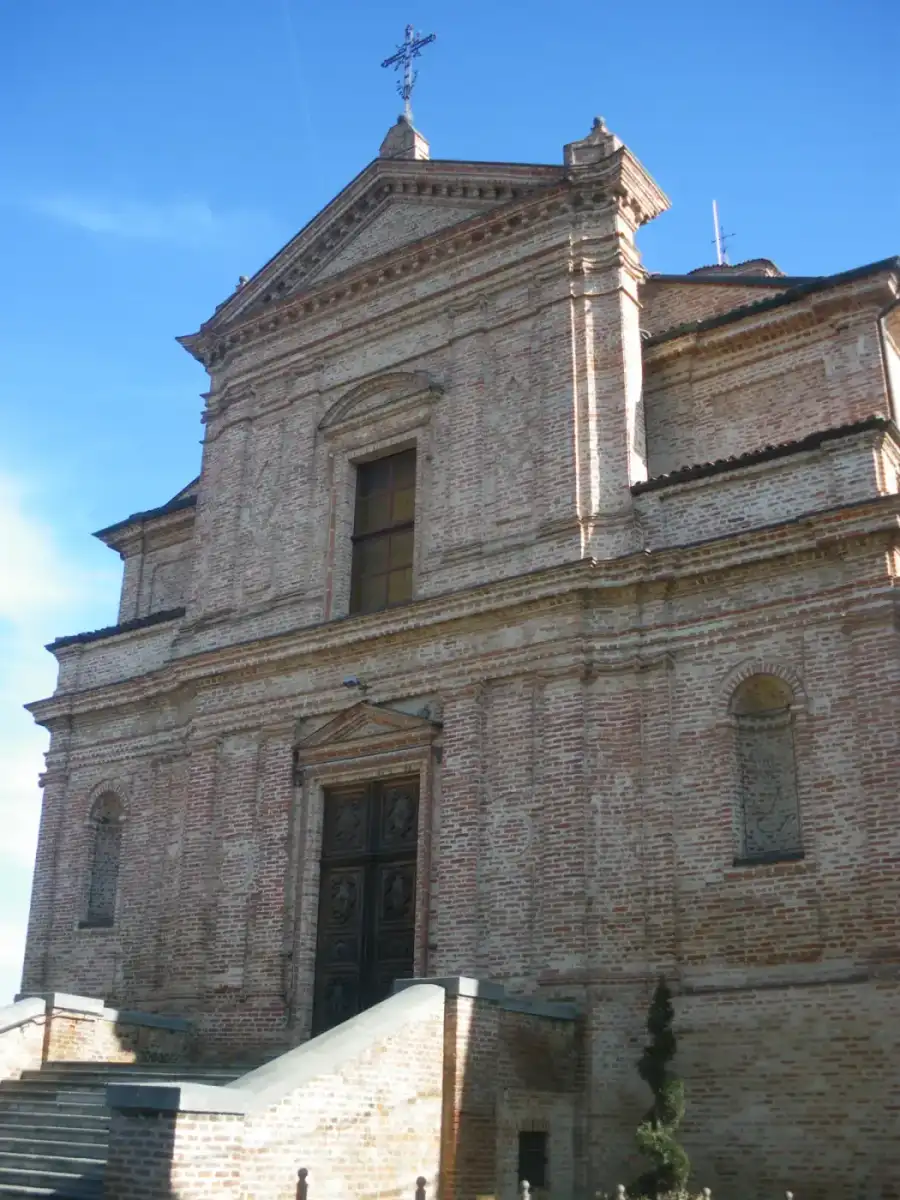


A village begins the journey
Villages, stories and routes
Follow the villages connected to the story and continue among their stories and itineraries of the hills.
Add a stop to your journey
More wines to discover
DOC · Red
Albugnano DOC
The Nebbiolo in four municipalities of the northwestern Astigiano. A journey between Albugnano, villages and landscape near the hills of Turin.
Discover the story of the wine →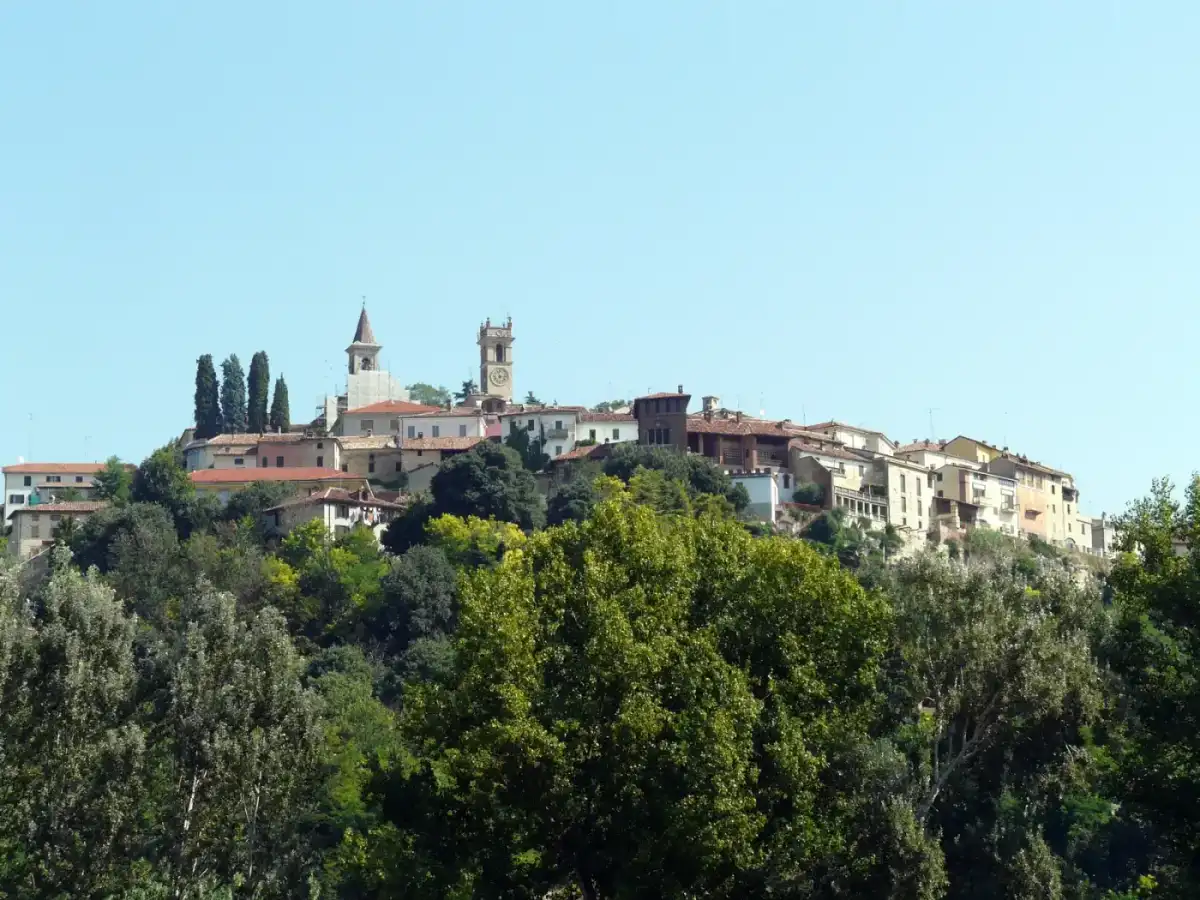
DOC · White, red and pink
Monferrato DOC
The Monferrato DOC tells a territory through a family of wines.
Discover the story of the wine →