A closer look
Legend Aurea: at a glance
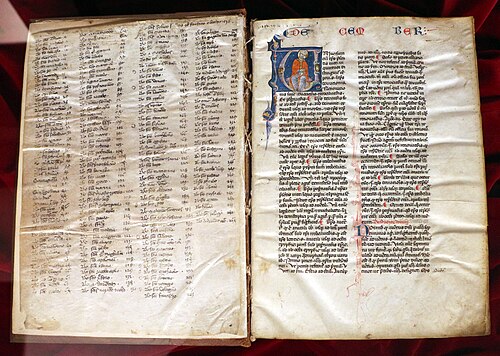
The Legend Aurea (literally "golden things to read" but often Italianized for assonance in Legendary Aurea with a slip of meaning) is a medieval collection of agiographic biographies composed in Latin by Jacopo da Varagine, Dominican friar and bishop of Genoa. It was compiled from about 1260 until the author's death in 1298. The work is still an indispensable reference to interpret the symbolism and iconography inserted in pictorial works of religious content.
Diffusion
The work had a wide diffusion and a substantial follow-up until the 17th century. There are about 1400 manuscript codes of the work, witnessing its enormous diffusion...Explore this chapter
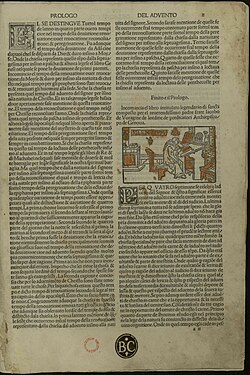
The work had a wide diffusion and a substantial follow-up until the 17th century. They survive about 1400 manuscript codes of the work, witnessing its enormous diffusion in the Middle Ages, only lower than the Bible, and its great cultural influence. The Legend Aurea was soon translated into vulgar. For the Middle Ages there were ten editions in Italian, eighteen in high-German, seven in German bass, seventeen in French, four in English, three in Czech, ten in Dutch. Equally large was the success of print versions, with forty-nine versions between 1470 and 1500, twenty-eight between 1500 and 1530 and thirteen between 1531 and 1560.[1]
Only in the eighteenth century, with historiographic studies of the Babylonian fathers, the entire literary genre of agiography was discredited and with it also the Legend Aurea It was forgotten.
The most recent critical edition is the one published in 1998 (which was published in 2007 with Italian translation and commentary on individual chapters) by Giovanni Paolo Maggioni. The text set by Graesse (Lipsia 1846) was used earlier.
-
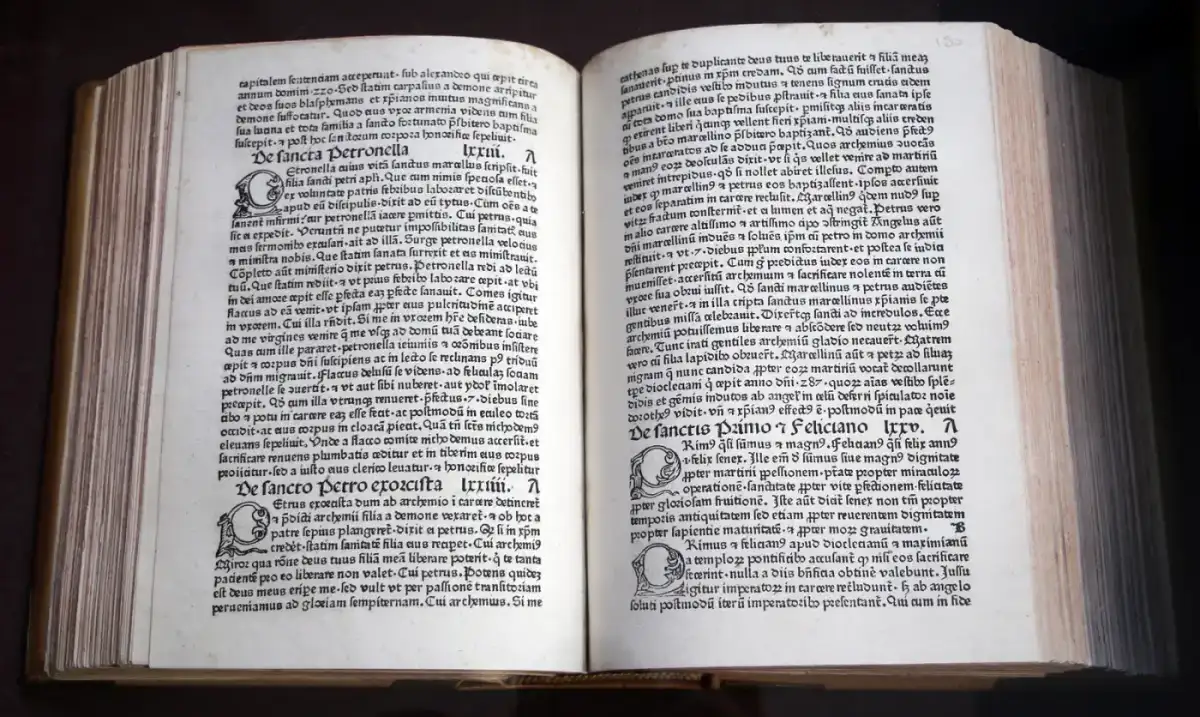
 Incunabolo of 1478, for Johannes Zainer
Nature and content of the work
The work belongs to the genus of agiography . The author gathered in a holy church organized according to the liturgical year the lives of more than one hundred and fifty saints, preferring the...Explore this chapter
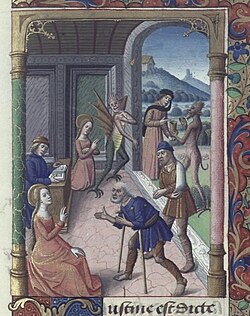
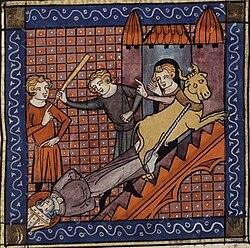
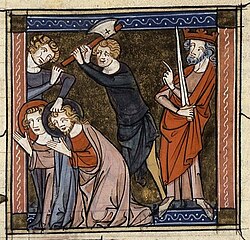
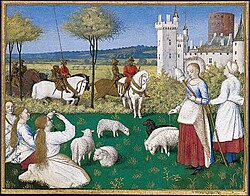
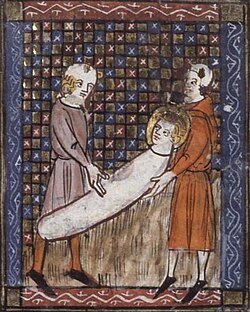
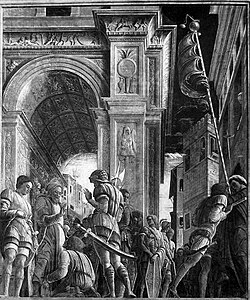
The work belongs to the genus of agiography. The author collected in a saint organized according to the liturgical year the lives of more than one hundred and fifty saints, preferring the ancient saints, but without neglecting its age. The lives of the saints are intersected by some thirty chapters dedicated to the main cryptological, Marian and liturgical festivals, plus some stories related to the Legend of the True Cross.
According to Jacques Le Goff, the originality of the work consists in the ability to intertwine liturgical time (annual cycle) with that linear one of the succession of saints (holy time, as the saints themselves become markers of time) and with that eschatological one, in which humanity is heading towards the Universal Judgement. In summary, "our Dominican wants to show how only Christianity has been able to structure and sanctify the time of human life to lead humanity to salvation".[2]
The sources used were mainly the legendary Dominicans Giovanni di Mailly and Bartolomeo da Trento. The method followed was that ofabbreviated.
The saints of stories (according to the Graesse edition, Leipzig 1850)
Original chapters · Sequuntur quaedam legendae a quibusdam aliis superadditaeExplore this chapter
The Legend is composed of more than two hundred chapters, one for every saint. The first 182 chapters were drafted by Jacopo da Varazze, while the remaining were the work of continuations.
Original chapters
- 1. De adventu Domini
- 2. De sancto Andrew the apostle
- 3. De sancto Nicolao
- 4. De sancta Lucia virgine
- 5. De sancto Thoma apostle
- 6. De nativetate domini nostra Jesu Christi secundum carnem
- 7. De sancta Anastasia
- 8. De sancto Stephano
- 9. De sancto Johanne apostle et evangelista
- 10. De innocentibus
- 11. De sancto Thoma cantuariensi
- 12. De sancto Sylvester
- 13. De circumcisione Domini
- 14. De epiphania Domini
- 15. De sancto Paulo eremita
- 16. De sancto Remigio
- 17. De sancto Hilario
- 18. De sancto Macario
- 19. De sancto Felice
- 20. De sancto Marcello
- 21. De sancto Antonio
- 22. De sancto Fabian
- 23. De sancto Sebastiano
- 24. De sancta Agnete virgine
- 25. De sancto Vincentio
- 26. De sancto Basilio episcopo
- 27. De sancto Johanne elemosinario
- 28. De conversion sancti Pauli apostoli
- 29. De sancta Paula[3]
- 30. De sancto Juliano
- 31. De septuagesima
- 32. De sexagesima
- 33. De quinquagesima
- 34. De quadragesima
- 35. De jejunio quatuor temporum
- 36. De sancto Ignatio
- 37. De purificatione beatae Mariae virginis
- 38. De sancto Blasio
- 39. De sancta Agatha virgine
- 40. De sancto Vedasto
- 41. De sancto Amando
- 42. De sancto Valentino
- 43. De sancta Juliana
- 44. De cathedra sancti Petri
- 45. De sancto Mathia apostle
- 46. De sancto Gregorio
- 47. De sancto Longino
- 48. De sancta Sophia et tribus filiabus ejus[4]
- 49. De sancto Benedicto
- 50. De sancto Patricio
- 51. Dominic yearning
- 52. De sancto Timotheo
- 53. De Passion Domini
- 54. De resurrectione Domini
- 55. De sancto Secundo
- 56. De sancta Maria Aegjptiaca
- 57. De sancto Ambrosio
- 58. De sancto Georgio
- 59. De sancto Marco evangelista
- 60. De sancto Marcellino pope
- 61. De sancto Vitali
- 62. De virgine quadam Antiochena
- 63. De sancto Petro martyr
- 64. De sancto Fabiano
- 65. De sancto Philippo apostle
- 66. De sancta Apollonia
- 67. De sancto Jacobo apostle
- 68. De inventione sanctae crucis
- 69. De sancto Johanne ante portam latinam
- 70. De letania majori et minori
- 71. De sancto Bonifacio martyr[5]
- 72. De adscension Domini
- 73. De Sancto Spiritu
- 74. De sancto Gordiano
- 75. De sancto Nereo et Achilleo
- 76. De sancto Pancratio
- 77. De sancto Urbano
- 78. De sancta Petronella
- 79. De sancto Petro exorcist
- 80. De sancto Primo et Feliciano
- 81. De sancto Barnaba apostle
- 82. De sanctis Vito et Modesto
- 83. De sancto Quirico et Julita ejus matre
- 84. De sancta Marina virgine
- 85. De sancto Gervasio et Prothasio
- 86. De Nativitate sancti Johannis baptistae
- 87. De sanctis Johanne et Paulo
- 88. De sancto Leone pope
- 89. De sancto Petro the Apostle
- 90. De sancto Paulo apostle
- 91. De septem fratribus, qui fuerunt filii beatae Felicitatis
- 92. De sancta Theodora
- 93. De sancta Margareta
- 94. De sancto Alexio
- 95. De sancta Praxede
- 96. De sancta Maria Magdalena
- 97. De sancto Apollinari
- 98. De sancta Christina
- 99. De sancto Jacobo majore
- 100. San Cristoforo
- 101. De septem dormientibus
- 102. De sanctis Nazario et Celsus
- 103. De sancto Happy Pope
- 104. De sanctis Simplicio et Faustino
- 105. De sancta Martha
- 106. De sanctis Abdon et Sennen
- 107. De sancto Germano episcopo
- 108. De sancto Eusebio
- 109. De sanctis Machabeis
- 110. De sancto Petro ad vincula
- 111. De sancto Slephano pope
- 112. De inventione sancti Stephani protomartiris
- 113. De sancto Dominico
- 114. De sancto Sixto
- 115. De sancto Donato
- 116. De sancto Ciriaco et sociis ejus
- 117. De sancto Laurentio martyr
- 118. De sancto Hyppolito et sociis ejus
- 119. De assumptione beatae Mariae virginis
- 120. De sancto Bernardo
- 121. De sancto Timotheo
- 122. De sancto Simphoriano
- 123. De sancto Bartholomeo
- 124. De sancto Augustino
- 125. De biblioteca sancti Johannis baptistae
- 126. De sanctis Felice et Adaucto
- 127. De sanctis Saviniano et Savina
- 128. De sancto Lupo
- 129. De sancto Mamertino
- 130. De sancto Aegidio
- 131. De nativitate beatae Mariae virginis
- 132. De sanctis Cornelius and Cyprian
- 133. De sancto Lamperto
- 134. De sancto Adriano cum sociis suis
- 135. De sanctis Gorgonio et Dorotheo
- 136. De sanctis Protho et Jacincto
- 137. De exaltatione sanctae crucis
- 138. De sancto Johanne Chrysostomo
- 139. De sancta Eufemia
- 140. De sancto Matthaeo apostolo
- 141. De sancto Mauritio et sociis suis
- 142. De sancta Justina virgine
- 143. De sanctis Cosma et Damiano
- 144. De sancto Forseo episcopo
- 145. De sancto Michaele archangelo
- 146. De sancto Hieronimo
- 147. De sancto Remigio
- 148. De sancto Leodegario
- 149. De sancto Francisco
- 150. De sancta Pelagia
- 151. De sancta Margarita
- 152. De sancta Thaisi harlot
- 153. De sanctis Dionisio, Rustico et Eleutherio
- 154. De sancto Calixto
- 155. De sancto Leonardo
- 156. De sancto Luke the evangelist
- 157. De sancto Crisanto et Daria
- 158. De undecim millibus virginum
- 159. De sanctis Symone et Juda apostolis
- 160. De sancto Quintino
- 161. De sancto Eustachio
- 162. De omnibus sanctis
- 163. De commemoratione animarum
- 164. De quatuor coronatis
- 165. De sancto Theodoro
- 166. De sancto Martino episcopo
- 167. De sancto Briccio
- 168. De sancta Elizabeth
- 169. De sancta Caecilia
- 170. De sancto Clemente
- 171. De sancto Chrysogono
- 172. De sancta Catherina
- 173. De sancto Saturnino, Perpetua, Felicitate et aliis sociis
- 174. De sancto Jacobo interciso
- 175. De sancto Pastore
- 176. De sancto Johanne abbot
- 177. De sancto Mojse abbot
- 178. De sancto Arsenio abbot
- 179. De Agathon Abbot
- 180. De sanctis Barlaam et Josaphat
- 181. De sancto Pelagius pope
- 182. De dedicatione ecclesiae
Sequuntur quaedam legendae a quibusdam aliis superadditae
- 183. De decem millibus martirum
- 184. De sancto Jodoco
- 185. De sancto Othmaro
- 186. De sancto Conrado
- 187. De sancto Hilarion
- 188. Historia Caroli Magni
- 189. De conceptione beatae Mariae virginis
- 190. De sancta Odilia
- 191. De nativitate sancti Udalrici episcopi
- 192. De vita sancti Galli confessoris
- 193. De sancto Arbogasto episcopo Argentinesi
- 194. De sancto Adelfo
- 195. De visitatione beatae virginis Mariae
- 196. De sancta Scholastica sorore sancti Benedicti
- 197. De sancto Ruperto
- 198. De sancto Floriano
- 199. De sancto Erasmus
- 200. De sancto Kiliano
- 201. De sancto Henrico emperor
- 202. De sancta Barbara
- 203. De sancta Brigida
- 204. De sancto Gangolfo
- 205. De sancto Udalrico
- 206. De sancta Affra
- 207. De sancto Oswaldo
- 208. De sancta Thecla
- 209. De sancta Kunegunde
- 210. De sancta Dorothea
- 211. De sancto Wolfgango
- 212. Miraculum de sancta Katherina
- 213. De sancto Ludovico rege Francorum
- 214. Legenda sancti Thomae de Aquino
- 215. De sancto Marcelio Parisiensi episcopo
- 216. De sancta Genovefa
- 217. De dominica in ramis palmarum
- 218. De coena Domini
- 219. De sancto Bernardino confessor
- 220. De sancto Bonaventura episcopo et confessor
- 221. De sancto Rocho confessor
- 222. De sancta Anna matre virginis Mariae
- 223. De sacratissimo corpore Christi domini nostri
- 224. De nostra domina de pietate
- 225. De sancto Joseph sponso virginis Mariae
- 226. De sancto Irenaeo archipraesule Lugdunensi dignissimo
- 227. De sancto Fortunato episcopo
- 228. De sancto Honorato abbot
- 229. De sancto Fusciano martyr
- 230. De sancto Justo archiepiscopo inclitae civitatis Lugdunensis
- 231. De sancta Katherina de Senis sacri ordinis praedicatorum
- 232. De sancto Vincentio confessore sacri ordinis praedicatorum
- 233. De sancto Annemundo archepiscopo et martyr
- 234. De sancto Firmino episcopo et martire
- 235. De sancto Lazaro episcopo et discipulo Domini
- 236. De sancta Clara
- 237. De sancto Philiberto confessor
- 238. De sancto Anselm episcopo
- 239. De sancto Eligio episcopo
- 240. De sancta Radegunde regina Franciae
- 241. De sancto Servatio episcopo
- 242. De corona sancta Domini
- 243. Vita et conversatio sancti Romani abbatis
In art
Many artists inspired the Legenda Aurea for their works. Among these were Giotto with the Scrovegni Chapel in Padua, Piero della Francesca with Stories...Explore this chapter
Many artists inspired themselves to Legend Aurea for their works. Among these were Giotto with the Scrovegni Chapel in Padua, Piero della Francesca with the Stories of the True Cross in the basilica of San Francesco in Arezzo, and Vittore Carpaccio with the Stories of Sant'Orsola (along with one Pass of the saint), cycle of telegraphs commissioned by the Venetian devotional school appointed as the martyr for their chapel (now preserved at the Gallerie dell'Accademia; for the school the work also constituted the reference source for the editing of the Cursor Mundi).
Issues
Explore this chapter
- Legenda aurea, translation by Nicolò Malermi, Venice, Nicolas Jenson, 1476.
- Legenda aurea, translation by Nicolò Malermi, Milan, Ulrich Scinzenzeler, 1497.
- Legenda aurea, translation by Nicolò Malermi, Venice, Bartholomeo di Zani da Portese, 1499.
- (THE) Legenda aurea, Leipzig, Librariae Arnoldianae, 1850.
- Legenda aurea, translation by Alessandro Vitale Brovarone et al., Turin, Einaudi, 2007, ISBN 978-88-06-18322-6.
- Legenda aurea, translation by Francesco Stella et al., Florence and Milan, Sismel and Biblioteca Ambrosiana, 2007, ISBN 978-88-8450-245-2.
- Legendary aurea, translation by Cecilia Lisi, Florence, Libreria Editrice Fiorentina, 2022, ISBN 978-88-89264-16-4.
Notes
Explore this chapter
- ^ «Legenda aurea», true best seller (PDF), up disal.it.
- ^ Jacques Le Goff, The sacred time of man. The «Legenda aurea» by Iacopo da Varazze, Laterza, 2014, ISBN 978-88-581-1137-6.
- ^ Absent from editio princes.
- ^ Absent from some manuscript editions.
- ^ Absent from some editions.
Bibliography
Explore this chapter
- (FR) Jacques Le Goff, To the recherche du temps sacré, Paris, Perrin, 2011, ISBN 9782262033927, SBN UBO3909581. Italian translation: The sacred time of man, Bari, Laterza, 2012, ISBN 978-88-420-9994-9, SBN UM10129715.
Continue your journey