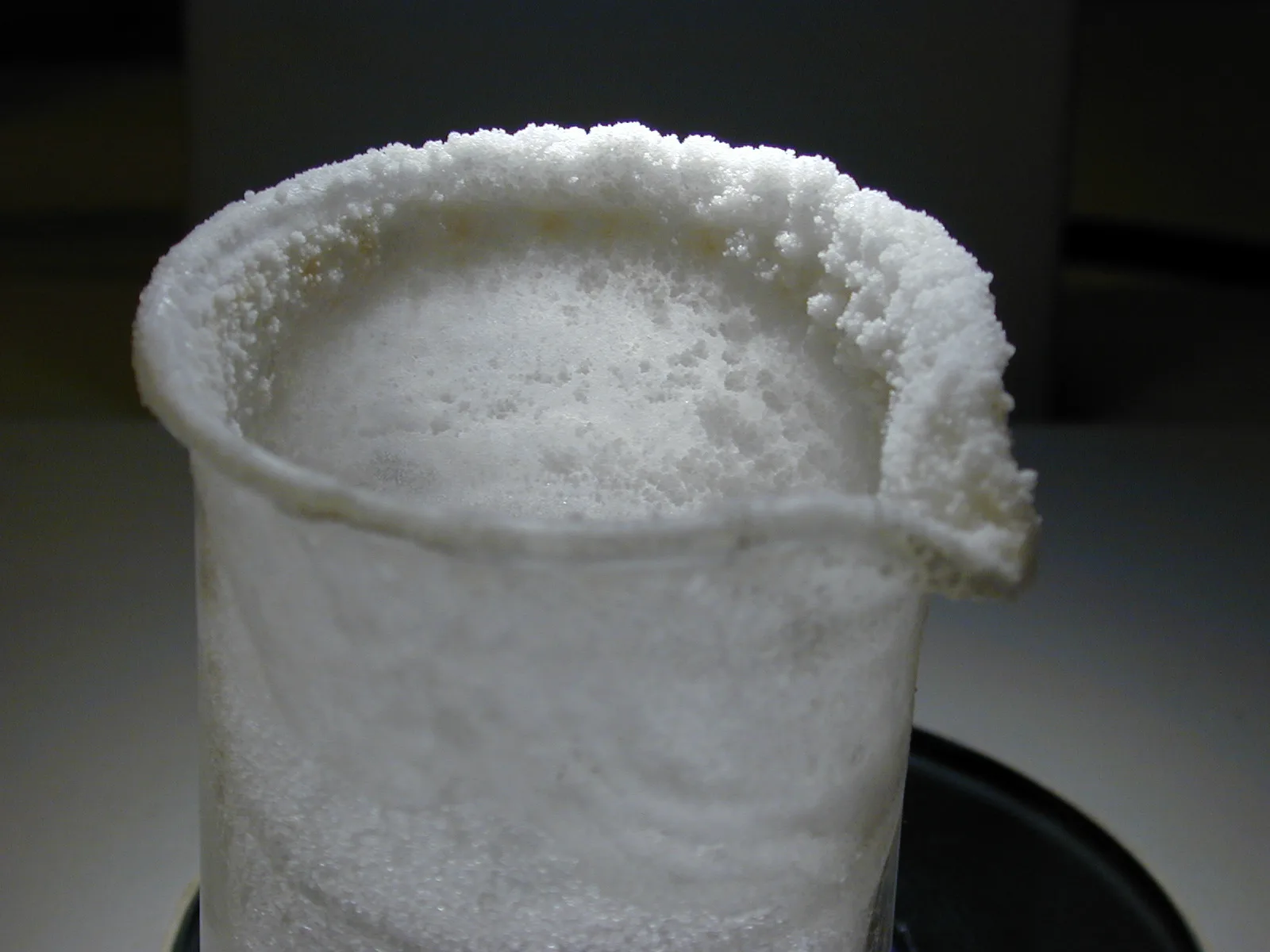
A closer look
Discovering Sale
A salt, in chemistry, is an electrically neutral chemical compound[1] consists of the set of more ions (anions and cations),[2] typically arranged within a crystalline reticle, united by an ionic bond of more or less elevated ionity.
Salts have different degree of solubility in the various solvents. In a saline solution we see a phenomenon called hebullioscopic rise (increasing the boiling point) and cryoscopic lowering (lowening of the freezing point) compared to pure solvent.
Salts can be obtained by replacing the hydrogen atoms of an acid with metal atoms or with a functional group that may show metallic or cationic behaviour (for example ammonium group, NH4+). Being made up of ions, salts are "Ionic compounds"; they can be organic or inorganic, simple or complex, binary, ternary, etc. (consisting of a different number of chemical elements). They have variable and different external characteristics (colour, smell, flavour, transparency) depending on their composition.
They can be, depending on the characteristics of the ionic bond, and the polarity of the resulting hydrolyzed ions, very soluble or completely insoluble in water, where the two groups united by ion bond are dissociated. They are also soluble in other solvents, and typically the salts formed by strong electrolytes dissolve well into polar solvents such as water. Salts have a variable melting point, often low hardness, and low compressibility.
If fused or dissolved in water are called electrolytes and lead electricity proportionally to the electronegativeness of constituent atoms, acting as conductors of second species. The two elements of a binary salt (such as sodium chloride) can be obtained by electrolysis of molten salt. What is commonly called salt or kitchen rooms is actually one of the many possible salts, i.e. sodium chloride (NaCl).
Types of salts
In addition to the best known simple, binary and inorganic ternarian salts, there are numerous features of more complex molecules. Salts can be acidic or basic depending on the...Explore this chapter
In addition to the best known simple, binary and inorganic ternarian salts, there are numerous features of more complex molecules. Salts can be acidic or basic depending on the level of substitution of the anionic and cationic component of the compound (sodium acid carbonate, or bicarbonate, an example of the first case, cobalt chloride, basic barium chloride or barium hydroxychloride in the second), simple as sodium chloride or double, triple, etc. such as potassium or chromium alum. heteropoly acids), such as potassium ferrocyanide, ironic acid, sodium phosphomolydated by phosphorus acid, or be compounds that[ formally salts, assume characteristics similar to a alloy, like gallium arsenide semiconductors and indium phosphire. Organic acids such as carboxylic acids,]] sulphonic acids, phosphonics, etc. also form the corresponding salts (diidrossiazonaftalen-trisulphonate of sodium, phosphonate, and so on).
Some reactions that produce salts
NB: there are other ways to get salts starting from salts, including: salt + acid, salt + non-metal, salt + hydroxide, salt + salt.Explore this chapter
| Reagent | Result | Example equation |
|---|---|---|
| hydroxide + acid | salt + water |  (sodium sulphate) |
| metal + acid | salt + hydrogen |  (zinc sulphate) |
| Dioxide + basic oxide | salt (ternary) |  (calcium carbonate) |
| Basic oxide + acid | salt + water |  (ferric nitrite) |
| metal + non-metal (of the VI or of the VII group B of the Periodic Table) | salt (not oxygenated) |  (zinc chloride) |
| hydroxide + anhydride | salt (ternary) + water |  (sodium sulfite) |
NB: there are other ways to get salts starting from salts, including: salt + acid, salt + non-metal, salt + hydroxide, salt + salt.
Nomenclature
The nomenclature rules used in chemistry assign to the name salts from the ions that make them. Frequently names of cationic components, often metal ions...Explore this chapter
The nomenclature rules used in chemistry assign to the name salts from the ions that make them. Frequently names of the cationic components, often metallic ions or ammonia, are given first, followed by the names of the anionic component. Anions are often called according to their conjugated acid, replacing suffix - water with suffix -uro, the suffix -I dare with suffix -ito and the suffix -ico with suffix -ato; some examples:
- vinegar salts are acetic acid salts
- carbonates are salts of carbonic acid
- cyanuri are salts of cyanide acid
- nitrates are salts of nitric acid
- nitrites are salts of nitrous acid
- phosphates are salts of phosphoric acid
- sulphates are sulphuric acid salts
- fluorides are salts of hydrofluoric acid
- chlorides are salts of hydrochloric acid
- bromides are salts of bromidric acid
- ioduri are salts of iodidric acid
Acid salts
In the preparation reactions of salts with acids with more than one atom of hydrogen can happen under certain conditions that to radical acid remain one or more atoms of...Explore this chapter
In the preparation reactions of salts with acids with more than one atom of hydrogen can happen under certain conditions that to radical acid remain one or more atoms of hydrogen, then by binding to metal you get an acidic salt. So a salt is acidic if it contains hydrogen residues from which it derives.
- 2H2I'm sorry.4 + 2Na → 2NaHSO4 + H2 (sodium acid sulphate or sodium bisulphate)
Basic salts
In the preparation reactions of salts starting from hydroxides with more than one hydroxide group under certain conditions it can happen that from hydroxide do not all stem...Explore this chapter
In the preparation reactions of salts starting from hydroxides with more than one hydroxide group under certain conditions it can happen that by hydroxide there are not all the aforementioned groups and one (or more than one) remains tied to salt. So you have a basic salt.
Es. Ca(OH)2 + HCl → Ca(OH) Cl + H2O (basic chloride or calcium hydroxychloride)
Taste of salts
Neutral inorganic salts can have two flavors: bitter or salty. If one or the other depends on the sum of diameters of the ionic species.Explore this chapter
Neutral inorganic salts can have two flavors: bitter or salty. If one or the other depends on the sum of diameters of the ionic species.[3]
As reference is taken the potassium bromide that has an intermediate taste and the sum of ionic diameters is equal to 0.658 nm. Salts that have a value less than this sum are salty (sodium chloride has 0.556 nm); higher values (such as that of magnesium chloride, 0.850 nm) give the bitter taste.
In history
In ancient Rome, the legionaries and magistrates received an integration of salt-based pay at that time rare and precious substance. From this custom comes the...Explore this chapter
In ancient Rome, the legionaries and magistrates received an integration of salt-based pay, at that time rare and precious substance. From this custom comes the Italian word "salario" (in Latin) salary), with reference to the payment in rooms for the hours worked during the day.[4]
Notes
Explore this chapter
- ^ The electrical neutrality of the salt corresponds to the condition for which is nothing the algebraic sum of the charges associated with all ions of which the salt is composed.
- ^ The International Union of Pure and Applied Chemistry IUPAC - jumps (S05447), up goldbook.iupac.org. Retrieved 28 August 2022.
- ^ P.T. Coultate, Food chemistry, Zanichelli, page 209
- ^ Salary, up treccani.it. Retrieved 5 October 2021.
Bibliography
Explore this chapter
- I. Bertini, C. Luchinat, F Hands. Chemistry, CEA, ISBN 88-408-1285-7
Where to stay · Sale
Find stays on Booking.comStories, places and people
More about Sale and the surrounding area
Follow a thread of history and see where it leads.
Ion compound
An ionic compound can be defined as a chemical compound formed by ions (monoatomic or polyatomic) having a total charge nothing. A salt is an ionic compound consisting of anions and cations, electrically neutral and generally crystalline.
Read the story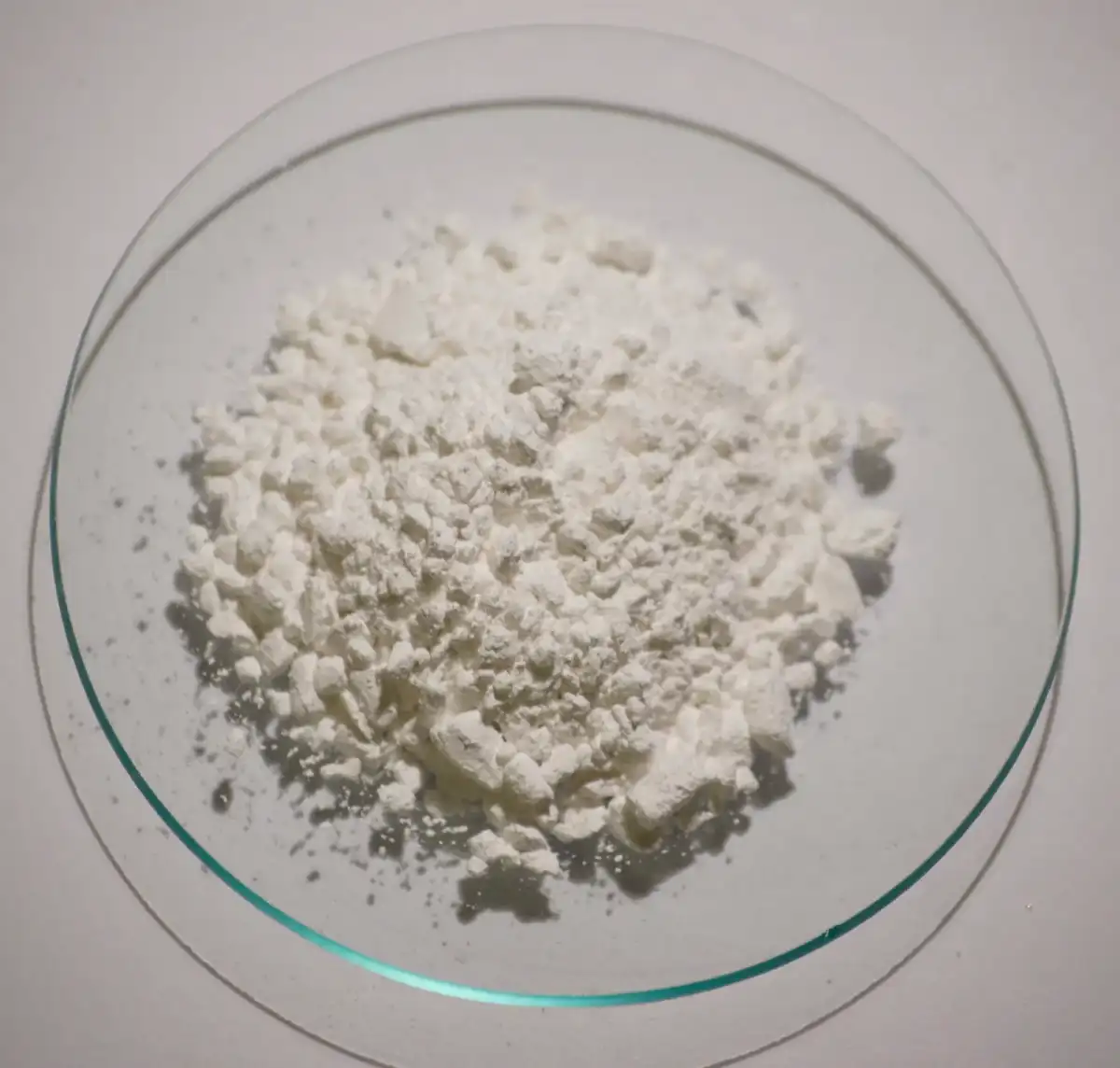 Aleksander Sobolewski · CC BY-SA 4.0
Deliquescence
The deliquescence (from the Latin verb deliquèscere = dissolve, liquefarsi, composed by the strengthening prefix de- and the verb liquèscere = become liquid) is a specific chemical-physical property of some solid substances (mainly salts or strong bases) to absorb atmospheric humidity until completely dissolved in it, forming an aqueous solution. The phenomenon occurs when the steam pressure of the saturated solution of the substance is lower than the partial pressure of the water vapour present in the surrounding air. It is also a peculiar feature of the meat of some species of basidiomycete mushrooms, in particular of the order Agaricales .
Read the story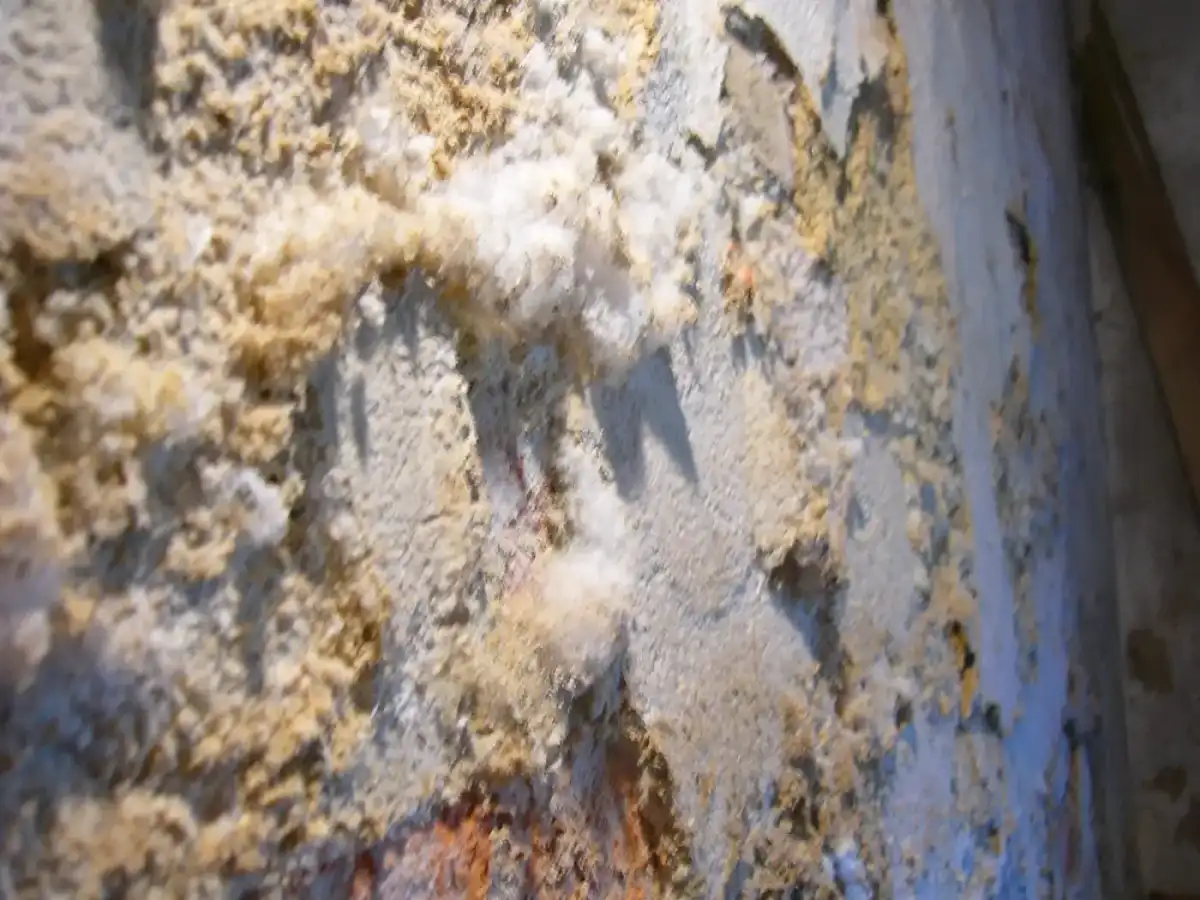 User:Mattes · Public domain
Efflorescence
In chemistry, efflorescence (from Latin efflorescere) is a property of some salts to lose crystallization water molecules.
Read the storyIgroscopy
Hygroscopy (or hygroscopicity) is the ability of a substance or materials to quickly absorb water molecules present in the surrounding environment. These substances are called hygroscopic.
Read the storyChemical libration
It has a chemical bond when an electrostatic force holds more atoms in a chemical species (strong or primary or intramolecular liaisons) or multiple molecules in a condensed substance (weak or secondary or intermolecular alloys).
Read the story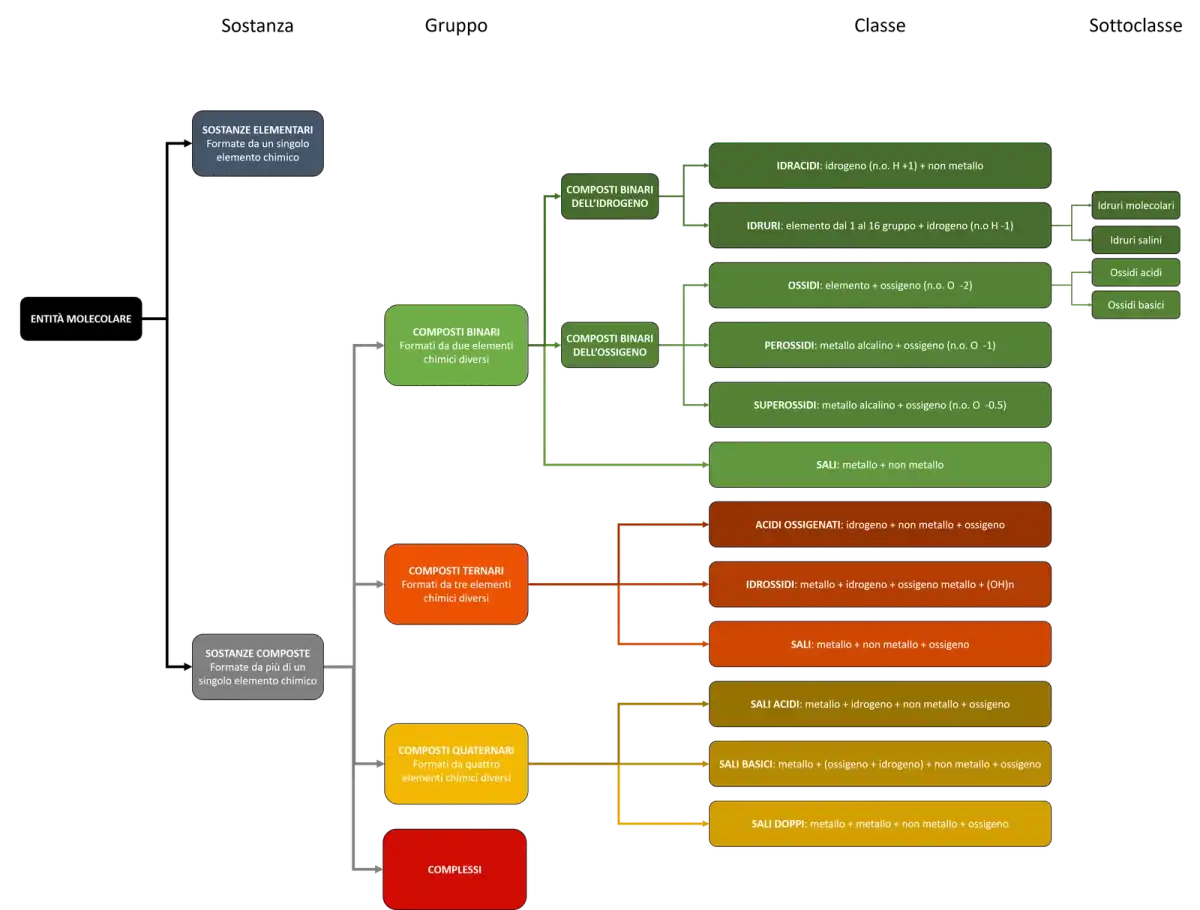 Griot Matteo · CC BY-SA 4.0
Inorganic chemical nomenclature
Inorganic chemical nomenclature allows to identify inorganic compounds by means of a specific name, which is defined starting from the chemical formula of chemicals .
Read the story · CC BY-SA 3.0
Salt
The salinity indicates the concentration of salts of a solution : while in the past salinity was determined on the basis of chlorination, magnitude that expresses the total content of chlorides (Cl ), bromuri (Br ) and ioduri (I ), currently the unit of measurement officially adopted is based on electrical conductivity and therefore takes more account of all the set of salts present in solution .
Read the storySale complex
A complex salt is a salt that, dissociating itself, separates in ions other than those that would form the simple compounds from which it is composed.
Read the story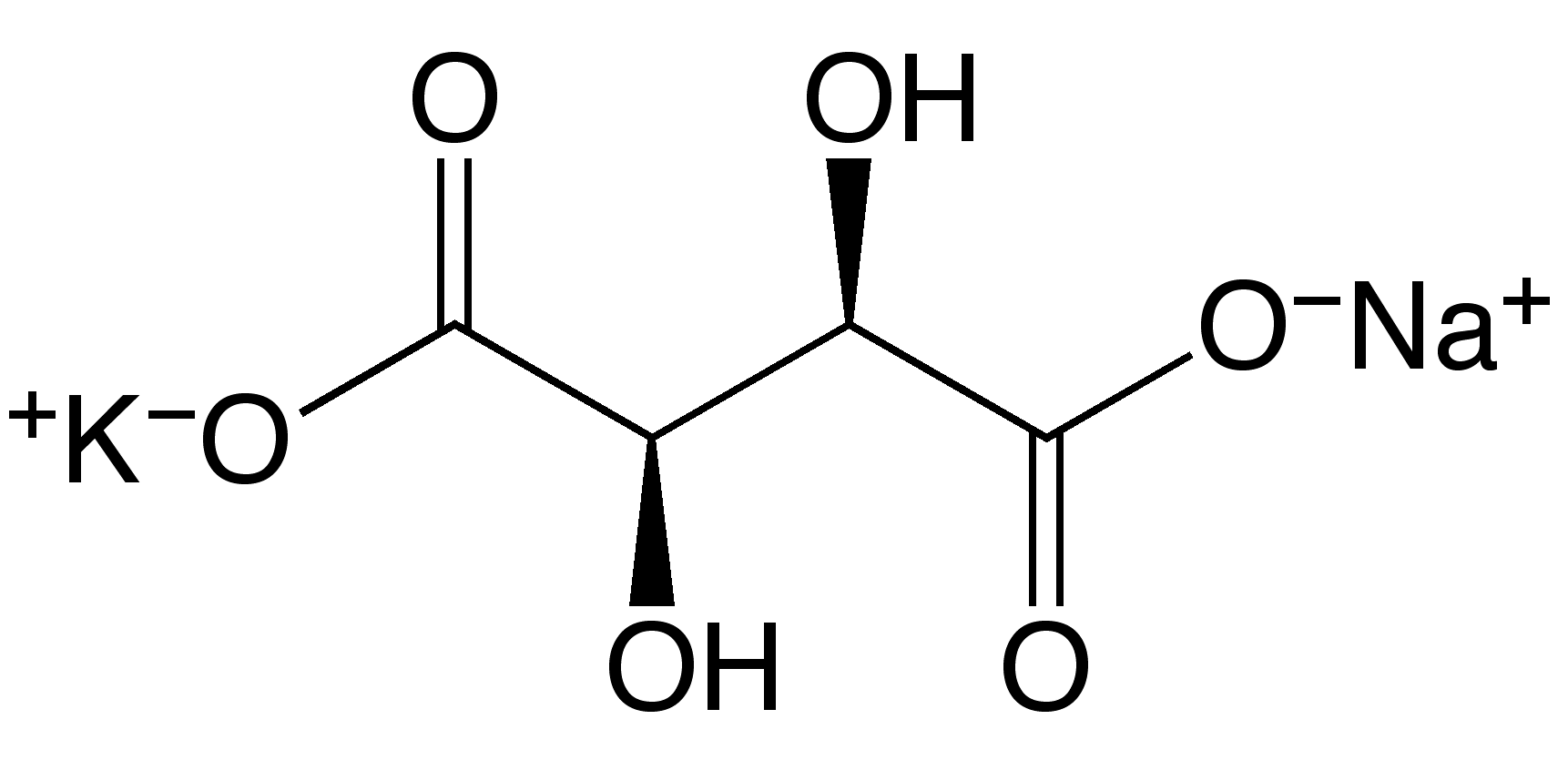 L'utente che ha caricato in origine il file è stato Benjah-bmm27 di Wikipedia in inglese · Public domain
Sale double double double
A double salt is the product of the union of two simple salts having the joint anion and the different cation, or more rarely, the opposite.
Read the storyThe area, step by step
Trails and routes in Sale

Asti, Alessandria and surroundings
Sentiero lunassi - colle della seppa

Asti, Alessandria and surroundings