The Adorno are an ancient family of the Genoese patriziato remembered to be one of the two lineages (together with the Fregosi) that dominated the Republic of Genoa at the time of the so-called chaplains (1339-1527), i.e. the government of the popular doges.
They succeeded the Boccanegra as leaders of the Ghibelline faction of the "populars", and donated six doges to the Republic, including Gabriele (1363-1370), Antoniotto (1378; 1384-1390; 1391-1392; 1394-1396), Giorgio (1413-1415), Raffaele (1443-1447), Barnaba (1447), Prospero (1461), Antoniotto II (1522-1527) and many other governors, admirals, elders and senators of the Superb.
In the 1528 aristocratic reform, he was excluded from power along with the Fregosi, his rivals, and denied both the right to establish their own noble hotel, were inserted in the Pinelli hotel.[1]
From the 15th century, some female descendants adopted the surname Adorno, such as the Adorni of Pisa (XV century), the Botta Adorno (1634-1882),[2] the Durazzo Adorno, after Cattaneo Adorno (XIX century)[3], the Adorni Braccessi, Adornetto, and others. Only in Spain does the family continue in the male line.
01
History
Origin · AscendaExplore this chapter
Origin
Late authors reported several mythical origins of the Adornos. A legend reported by Amedeo Pescio presumes the origin of the Adorno in a German noble who in the 12th century came on pilgrimage to Genoa to embark on Holy Land, waiting for the same wonder that had happened to Moses in the Red Sea. While almost everyone returned to Germany, this nobleman returned to Genoa.[4] According to others, the family originated and took its name from the homonymous village Adorno, near Taggia, in the extreme riviera of Ponente. It is along the valley of Pasturezza, then called Vallechiara, that the family began to own different houses. A first memory of the house is found in a notary document concerning Anna Felice widow of an Adorno, written on 12 January 1186. The same Adorno is also found in another notary document of 15 October 1210. From this couple they would be sons Peter and Barisone Adorno (1212), the latter head of the family. In the early days she lived with profit of merchanting, so much to accumulate great riches, which were at the base of subsequent power.
Other historical information about Barisone Adorno is found in France, at the monastery of Chiaravalle (later state prison), in which there was a window depicting a knight presented by San Bernardo Abate of Chiaravalle to Pope Eugenio III in the year 1148, on the return of the second crusade, with the inscription of the name: Barisone Adorno.
From the family trees, this Barisone Adorno (in some notary acts called simply Adorno) turns out to be third son of Barisone of Lacon Serra, Judge of Arborea, then king of Sardinia, and Pelegrina Lacon Caller.
Ascenda
Many are the branches in which the house Adorno is divided, one of them, that of the Counts of Montegil, vissé in Spain. In the 14th century, he married Margherita Adorno, daughter of Adornino di Guglielmo and sister of Dogi Giorgio and Antoniotto. senior senior senior, replacing his children's paternal surname with the more prestigious one of their mother.[5]
Other branches also settled in Germany and Sicily, in the cities of Messina, Syracuse and Palermo, until its extinction in 1846.
In Messina the Adorno enjoyed nobility in the period from the 16th to the 17th century; it is remembered the noble Antonio Adorno who is mentioned in the noble master of Mollica of the year 1600 on the list XIV.
Another branch is located in Syracuse, belonging to the bourgeois class and awarded the senatory office as a representative of the city class; to cover this charge was Carmelo Adorno in 1746, 1754 and 1757. Later this family entered the town nobility, and Giovanni Adorno was appointed Senator in 1796. In Syracuse there were other Adornos, but worthy of memory is Giorgio Adorno, Genoese patritius, Knight of the Order of Malta, who died in Sicily after 18 September 1565; this George left a lineage still resident in Syracuse which, later related with Avolio (still today are found evidence in the court of Avolio located on the island of Ortigia). Other descendants still alive are in Floridia.
02
Main members of the House
Dogs and governorsExplore this chapter
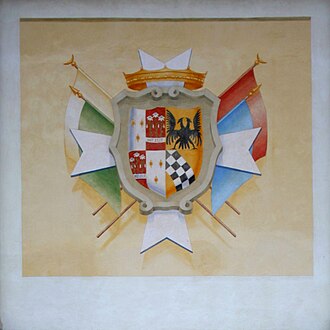
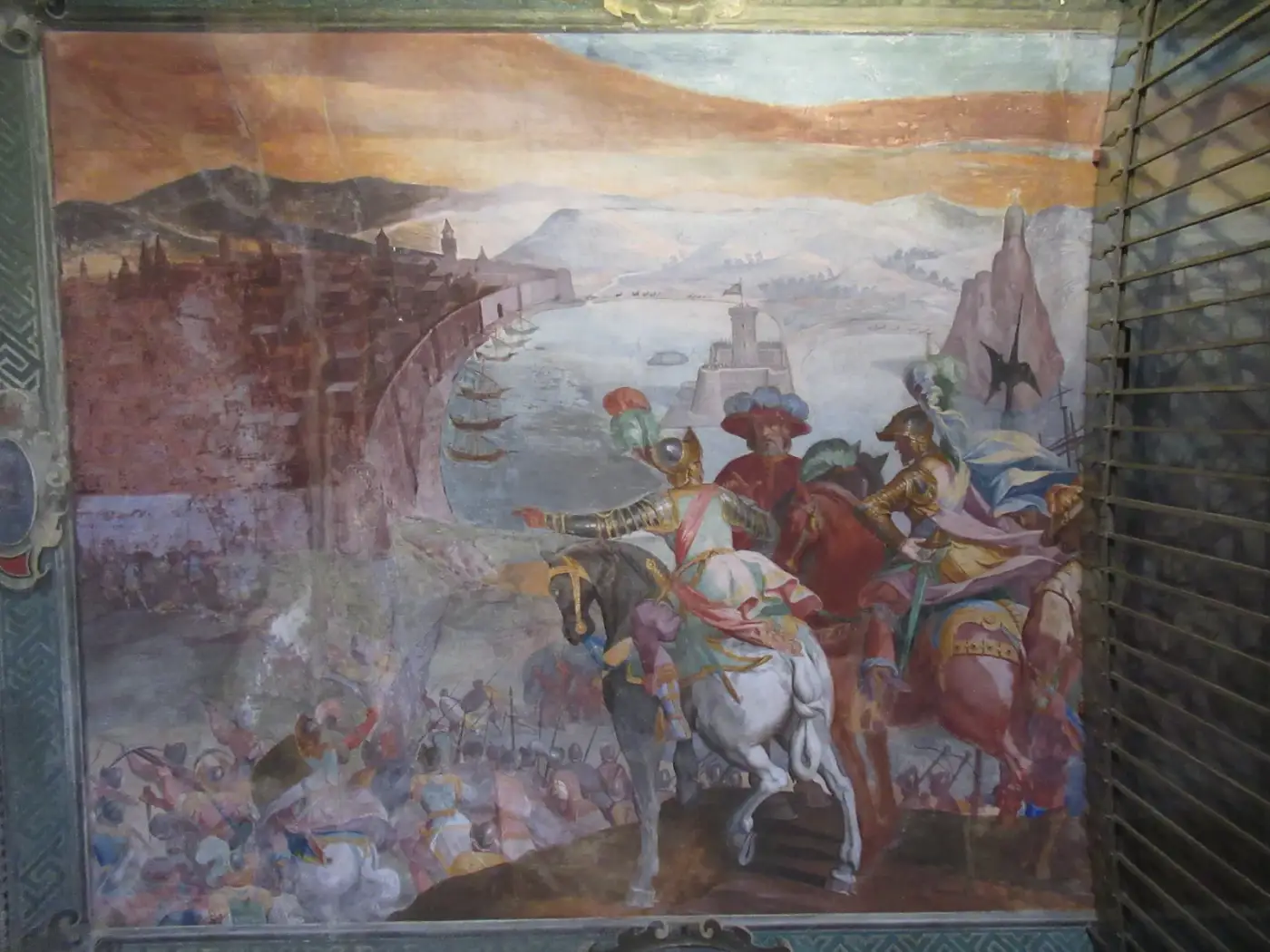
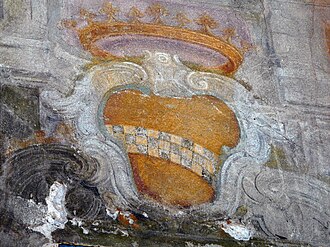
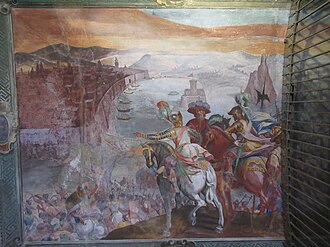
Coat of arms in the Adorno Palace Novi LigureRaffaele Adornobesieges the city of Tunis (1624) by Lazzaro Tavarone, Palazzo Cattaneo-Adorno
Dogs and governors
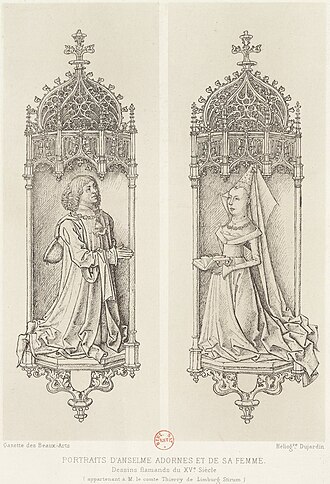
Portraits of Anselme Adornes (1424-1483) and his wife Margriet van der Banck (National Library of France)Gabriele Adorno, Prince Serenissimo and Doge of Genoa in 1363-1370, prince of Chio and imperial vicar.
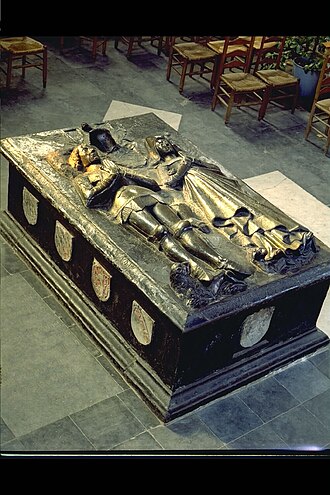
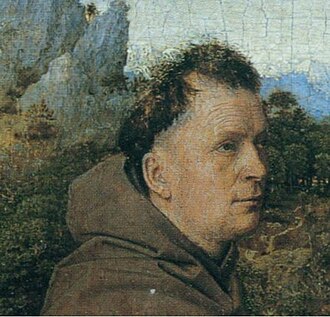
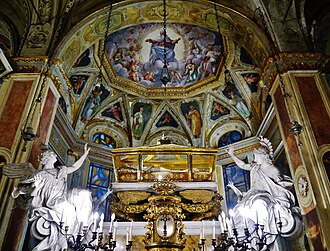
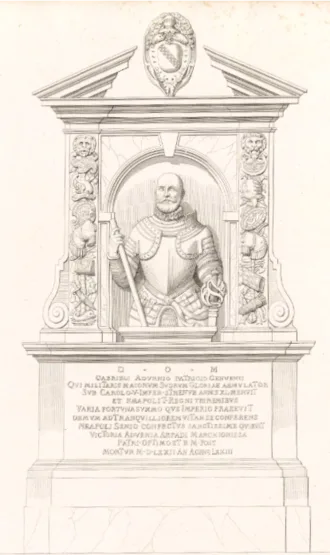
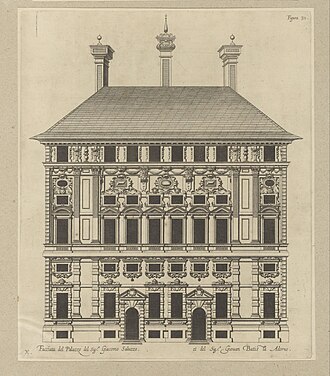
Funeral monument of the Adornes-van der Banck sponsals in the Church of Jerusalem in BrugesPortrait of Peter I Adornes in Stigmate by Jan van EyckMausoleum of Saint Catherine Fieschi Adorno carved by Francesco Maria Schiaffino in the church of Santissima Annunziata di Portoria (Genua)Antoniotto Adorno, Prince Serenissimo and Doge of Genoa in 1384-1390, in 1391-1392 and in 1394-1396 after renouncing in 1378, and later governor on behalf of the king of France Charles VI (1396-1397), Baron of the Kingdom of Sicily and Jerusalem in 1390.The funeral monument by Gabriele Adorno according to Pompeo Littathe Cattaneo Adorno Palace (formerly Spinola) according to Peter Paul Rubens
Giorgio Adorno, Prince Serenissimo and Doge of Genoa in 1413-1415, with whom the Constitution of the Genoese Republic was amended.
Raffaele Adorno, Prince Serenissimo and Doge of Genoa in 1443–1447.
Barnaba Adorno, Prince Serenissimo and Doge of Genoa in January 1447.
Prospero Adorno, Prince Serenissimo and Doge of Genoa during 1461 and then fled from Genoa and governor on behalf of the Sforza of Milan in 1477-1478.
Augustine Adorno, governor on behalf of Sforza in 1488-1499.
A second Antoniotto Adorno, Prince Serenissimo and Doge of Genoa in 1522-1527.
Dogs of the Adorno family
Antoniotto I Adorno
Prospero Adorno
Antoniotto II Adorno
Raffaele Adorno
Giorgio Adorno
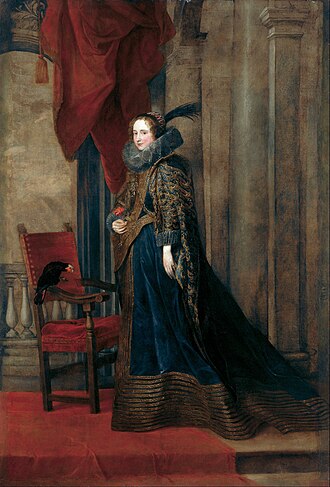
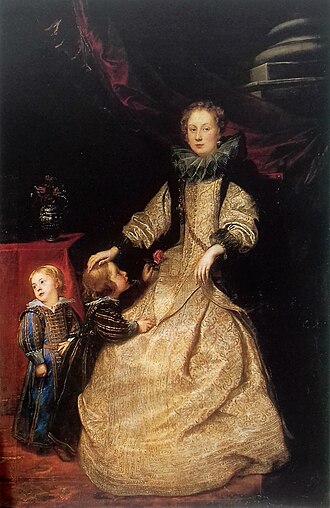
Portrait of Paolina Adorno Brignole Sale by Antoon van DyckPortrait of Battistina Balbi Durazzo-Adorno from Antoon van Dyck
03
Personality
Explore this chapter
Barisone Adorno, (called Adorno Adorno, and simply Adorno; perhaps son of the first king of Sardinia, Barisone I of Arborea) together with Anna Felicia Ambriaco, are the founders of the Adorno family of Genoa.
Teramo Adorno, doge elected in exile in 1418, Consignor of Castelletto d'Orba, Castelnuovo Bormida and Capriata 1399.
Luchino, Archbishop of Nicosia from 1383 to 1395, Archbishop of Famagosta from 2-X-1395, Archbishop of Cyprus, Abbot of Santo Stefano di Squillace from 20-II-1397, Vicar General of Santa Romana Church in Rome 1352-1362.
Gerolamo Adorno, brother of Doge Antoniotto II Adorno, was Duke of the Empire, an intimate advisor to the Emperor and is often mentioned for his political abilities.
Raffaele, who commandes twelve Genoese galleys to the enterprise of Gerba in Africa and militates for King Alfonso of Aragon against Genoa.
Teramo that offers the domain of Genoa to the Duke of Milan to break down the doge Tommaso Fregoso in 1421.
The reigning Abbadessa (Principes of the Empire) Marie Francoise Adornes de Ronsele, Bourbourg, Lady of Oxelaere, Noordpeene, Faumont and Coutiches (France), from 1695 to 1698.
Matteus Iberii Adornetti, patrizio of Pisa, Elder of the municipality of Pisa in 1373 and 1376.
Ser Nerio Adornetti, patrizio of Pisa, lived in the fourteenth century.
Vannes Adornetti, patron of Pisa.
Magister Nicolaus De Adornetto, in the city of Messina.
Gabriele Adorno (1499-1572), general of the Spanish imperial fleet.[6]
Paolo Adornetto, senator of Messina in 1601, 1604, 1608 and 1618 (Il Mezzogiorno e Napoli nel Seicento italiano, p. 42 and 43).
Marquis Don Lorenzo Cusani Visconti Botta Adorno, Deputy Admiral d'armata and Senator of the Kingdom of Italy.
Santa Caterina Fieschi Adorno, who acquired the surname from her husband.
Beata Anna Maria Adorni di Parma.
Stemma dei Marchesi Botta Adorno di Pavia on the facade of the church of Santa Maria della Neve in Torre d'Isola, PaviaVenerable John Augustine Adorno.
The Venerable Don Celso Adorno barnabita (at the century Ippolito Adorno).
The Venerable Sister Cherubina Adorno monaca delle Grazie.
Mario Adorno (Siracusa 1773 - ivi 1837), a lawyer, participated in the carbonari motions in the years 1820-1821; in 1837 he publicly accepted in a proclamation signed by the mayor of Syracuse, Baron Emanuele Francica of Pancali, the Bourbons of the spread of the cholera in Sicily because of the malgovernment. The Adorno was then the head of the insurgents of Syracuse, along with his son Carmel, and was executed.
Vincenzo Adorno, Genoese patrizio, and nobleman of Palermo in 1577, councillor of the Customs of Varazze, died in Palermo a few days after 12 December 1596. In Palermo, the Genoese community gathered in the chapel of the Genovesi Merchants, located in the cloister of St. Francis' Basilica; the Genoese had founded another one, Saint George of the Genovesis, in 1576. In the chapel called "Cappella dei Mercanti Genovesi", there was a marble tomb, which contained the remains of Francesco Adorno.
Girolamo Adorno (?-1632), noble feudal and military at the service of Gonzaga in Monferrato.
Luigi Ignazio Adorno, a lieutenant of 146th coastal regiment of Noto (Siracusa), commander of a blockade, died during World War II on July 10, 1943 and was awarded the gold medal.
04
Copper and historical character reconnectable to the house, but without certain sources
The noble family of the Oriund Adorns from Altino (Veneto), dates back to the 10th century, ancient chronicles trace the construction of the church of San Barnaba apostle of...Explore this chapter
The noble family of the Oriundian Adorns from Altino (Veneto), dates back to the 10th century, ancient chronicles trace the construction of the church of San Barnaba apostle of Venice, in the year 936, precisely from this family.
Another character of which is known little is Aimone Adorno, Count of the Palace of Breme, who in 964, along with Arduino Marchese of Turin, hunted Saracens who had camped in the lands of Monferrato.
05
Title
The Adorno were princes of Chio (re and despoti alla Greco), Marquises of Pallavicino, Borgo, Busalla, Borgo Fornari and Pietra, Marchesi and Counts of Silvano D'Orba Superiore...Explore this chapter
The Adorno were princes of Chio (re and despoti alla Greco), Marquises of Pallavicino, Borgo, Busalla, Borgo Fornari e Pietra, Marchesi e conti di Silvano D'Orba Superiore ed Inferiore, count of Rondinaria, Counts of Castelletto D'Orba, San Fili, Rende, Tenda, baroni di Caprarica di Lecce, Montalto, Guardia degli Oltremontani, Corth Serravalle Scrivia, of the Arroscia Valley, San Remo, Taggia, Poggiardo, Ghendbrugge, Ronsele, lords of Jerusalem of Santa Caterina del Monte Sinai and many other fiefs. The Doges had the treatment of very serious principles.
They were "serious principles", because since 1357, from many official documents, it is noted that the Genoese doges were called, by various pontiffs, lords of Italy, princes and republics, "Serenissimi e Gloriosi Principi". In the 15th century, the Lateran Council appointed the Lords of Venice and Genoa, with the title of Serenissime. Another treatment that the Serenissimi Principi, Dogi of Genoa had, and although it was Height and Height Serenissima; previously their reserved treatment was that of Exalted, by Illustrious and Very good..
06
Variants of the surname
In the Middle Ages, one could find a surname belonging to the same family to female, male or plural: female if you were referring to family or woman...Explore this chapter
In the Middle Ages, one could find a surname belonging to the same family to the female, male or plural: female if it was referred to the family or a woman of the family (the Adorna family of Genoa or the Marquisa Maddalena Adorna); male refers to men (principle Antoniotto Adorno, Prince Raffaele Adorno); male plural if we were referring to all components of the family, males and females (the Adorni). Other variation was the decreases and increases; so the Adornetto, Adornetti, Adornato variants originated.
07
The Rami family Adorno
Explore this chapter
Adorno della valle di Pasturezza (counts, patrizi e nobili di Genova).
^Pompeo Litta, Adorno di Genova, series Popular Italian families, Milan, Giulio Ferrario, 1849.
10
Bibliography
Explore this chapter
Encyclopedia Storico Nobiliare Marchese V.Spriti.
Centro Italiano Ricerca Araldica, ricerca storico - araldica. (Rami Adornetto and Adorni Braccesi).
Italian Araldic Council, historical research - heraldic. (Adorned rhymes and Adorni Braccesi)
The Priorist and the Books of Hour of the Municipality of Pisa, Casini Bruno, year 1986.
Adorno: Adornes, by Elena Chiavari Cattaneo Della Volta, Andrea Lercari, published by the Liguria Grand Priory Delegation of the Sovereign Military Order of Malta, year 2002.
From the time of its foundation to the present; from Francesco Ceva Grimaldi, 1857; (p. 373 and 376).
Naples and surroundings, published by Touring Editore, 2001, ISBN 88-365-1954-7, 9788836519545; (p. 175).
Celebrating Caterina: Santa Caterina Fieschi Adorno and his cult in the Baroque Genoa, by Paolo Fontana, published by Marietti, 1999, ISBN 88-211-6780-1, 9788821167805.
Italian Historical Archives, of Tuscan Deputation of Homeland History, published by Leo S. Olschki, 1871, (page 70, 71 and 80).
Cross and griff, by Amedeo Pescio, Libreria editrice moderna, 1914.
Empress Maria Theresa: the earlier years, 1717-1757, by Robert Pick.
Genoa and the two bans, Di Giuseppe Banchero; Luigi Pellas Editore, 1846.
The Ligurian Society of History from 1917 to 1929, by Francesco Poggi.
Savonese chronicles from 1500 to 1570, Di Agostino Abate, G. Assereto, published in 1897.
Annals of the Republic of Genoa of the tenth sixth century, by Filippo Casoni. (p. 125-126).
Cain Baroque. Messina and Spain 1672-1678, by Saverio Di Bella, (p. 94, 96, 98, 100, 353).
Biblioteca Universitaria di Genova: ancient and special funds. Subject: Adorno (Family), location: Ms.B.I.41; subject: Adorno Fieschi, Santa Caterina, location: Ms.B.I.29; Ms.B.VII.17 and 31; Ms.B.VIII.20.
Memory concerning imperial superiority over the cities of Genoa, Volume 1
Carlo Ignazio Montagnini, (information on the title of Duke of the Empire, conferred to the Doge Genovese, p. 212, 247).
Magazine of history, art, archaeology for the provinces of Alessandria and Asti,
Society of history, art, and archaeology for the provinces of Alessandria (ducuments on the title of Prince of S.R.I., of Botta Adorno) p. 199.
The history of Genoese: acts of the Conference of Studies on the ruling classes in ... , (documents on the title of imperial duke, granted to Geronimo Adorno), p. 342.
Historia rei literariae Ordinis S. Benedicti, IV partes ..., Volume 2
Magnoald Ziegelbauer, Oliver Legipont (documents on Hieronymus Adurnus Urbis Genuensis Dux ac Princeps), p. 296.
Magazine Hidalguía número 11. Año 1955, (documents on Don Manuel Negrete Adorno, Duke of Cotadilla), p. 436.
Land seit dem Westfälischen Frieden (1648): Repertory of the diplomat (documents on Don Manuel Maria Negrete Adorno, Conte e Duca del Campo de Alange) p. 432, 438.
Stemmario Italiano (stemmi di famiglia Adorno e rami) www.stemmario.it
Magazine, volume 54; author Collegio Araldico, publisher Collegio Araldico in 1956 (document inherent to the title vicereale owned by Marshal Marquis Antoniotto Botta Adorno, p. 103).
Celebrities Families of Italy, Adorno di Genova, P. Litta (notizie su Barisone Adorno e Barisone re di Sardegna)
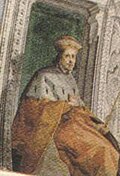 Antoniotto I Adorno
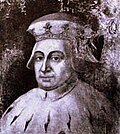 Prospero Adorno
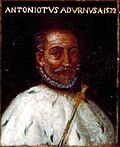 Antoniotto II Adorno
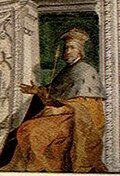 Raffaele Adorno
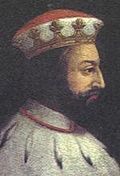 Giorgio Adorno