Atlas of Monferrato
Dernice: sights, history and trails
Alessandria
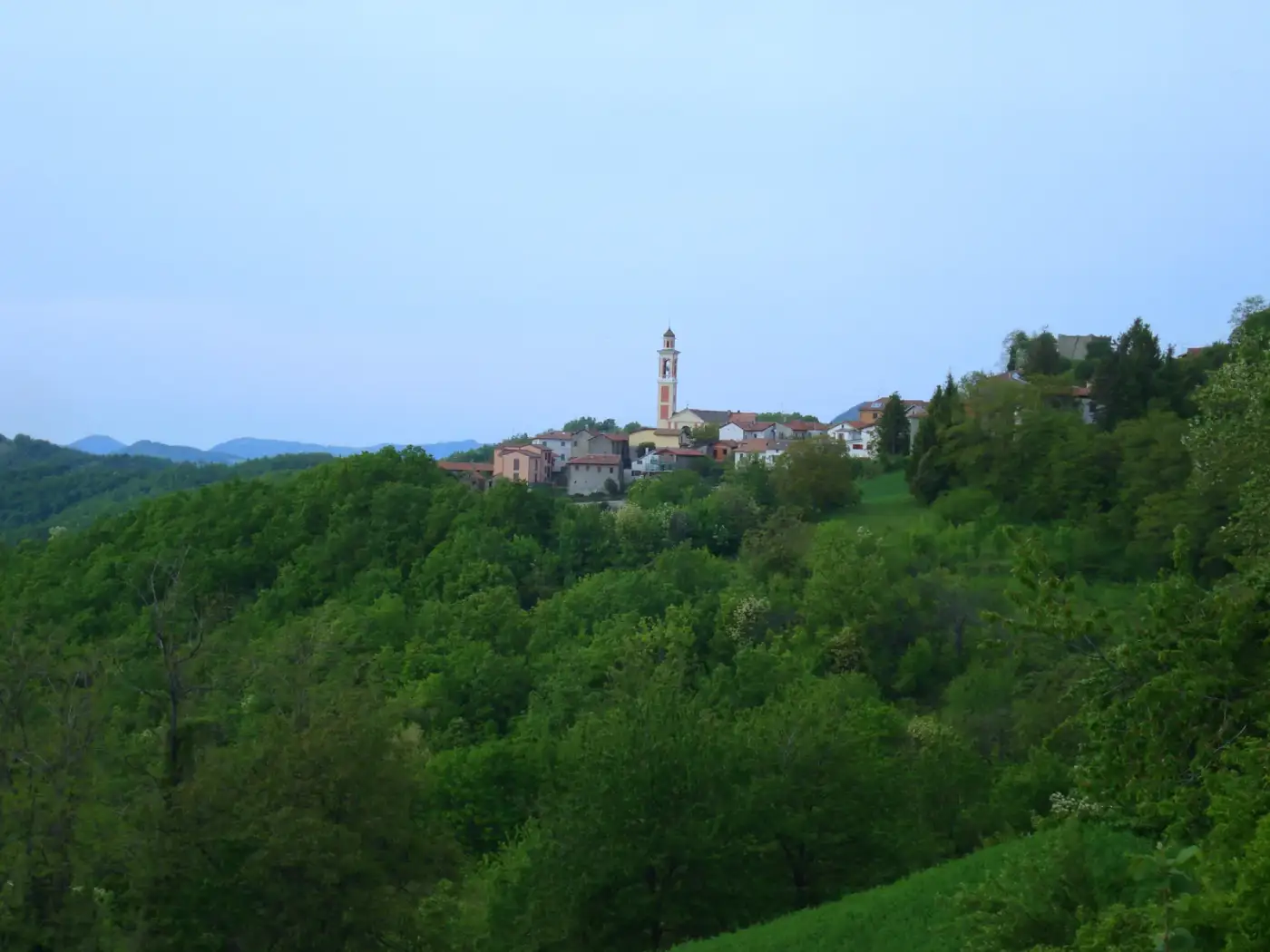
- Elevation
- 600 m a.s.l.
- Area
- 18.28 km²
- Demonym
- dernices
- Patron saint
- San Donnino
A closer look
Discovering Dernice
Dernice (Dernís in Piedmontese, Dernix in Liguria) is an Italian municipality of 168 inhabitants[1] from the province of Alessandria, in Piemonte.
Landscape and area
It rises on a ridge that separates the valley of the Curone stream from that of the Borbera torrent and was part of the Mountain Community Terre del Giarolo .Explore this chapter
It rises on a ridge that separates the valley of the Curone stream from that of the Borbera torrent and was part of Mountain community Lands of Giarolo.
History of Dernice
SymbolsExplore this chapter
Inhabited settlement along the ancient via del sale, an important commercial traffic road between Genoa and the Po Valley.
The name of Dernice, from the Latin Darnisium, appears in documents starting from the year 869.
Important is the monastic presence placed in the monastery of Vigoponzo (Vico Pontio), cited in a document of 865, with which Ludovico II confirmed to the Abbey of San Colombano of Bobbio the property of the monastery and the territory.[4]
It was under the jurisdiction of the bishops of Tortona, already since 1157. Garrisoned in the 13th century by mercenaries from the municipality of Tortona, was then the lordship of the Malaspina, of the Spinola family in the 15th century and finally of the Sfrondati family.
Symbols
The commune has not yet adopted a coat of arms or a gonfalone.
What to see in Dernice
Military architecture · Religious architectureExplore this chapter
Military architecture
In the village of Dernice there are ruins of the ancient castle, which fell into disuse after the extinction of the Sfrondati family. The ruins consist of a square-based tower located at the highest point in the village (the tower was lowered because it is pericular, but today you can climb on its summit from where you have a 360o view of the surrounding valleys), a circular-base tower located in the lower part of the town (the building is communal, and from the municipal road you can see very well). There was also part of the ancient walls, today no longer visible after the construction of a new road.
Religious architecture
The parish church of the village dates back to the 17th century and preserves an interesting wooden statue group depicting the martyrdom of St. Donnino: that present would be the only statue that portrays the Saint at the time of his death since the classical iconography always represents him after the martyrdom with the head between his hands.
Society
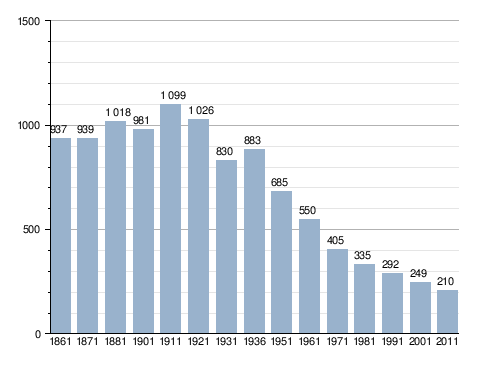
Demographic evolutionExplore this chapter
Demographic evolution
Inhabitants registered[5]
Culture
KitchenExplore this chapter
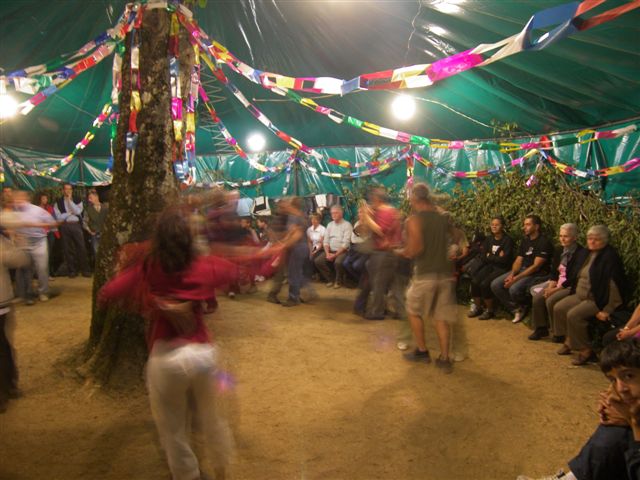
This country is part of the culturally homogeneous territory of Four provinces (Alessandria, Genoa, Pavia, Piacenza), characterized by common habits and customs and by an important repertoire of music and dance very ancient. A prince instrument of this area is the Apennine piffer that accompanied by accordion, and once from the müsa (apennine clomuse), guides dances and animates parties.
Kitchen
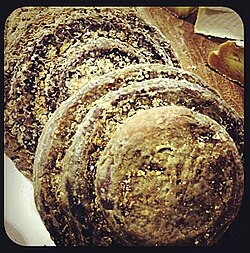
A fraction of the municipality of Dernice gave its name to a characteristic cheese, typically produced in these areas, Montebore.
Other local culinary specialties are the saffron that takes its name from the hamlet in which it is cultivated, Zafferano Montébore. The ruins of the ancient tower are still visible in the hamlet, whose features seem to have inspired the particular shape of the cheese.
Administration
Below is a table relating to the administrations that have succeeded one another in this municipality.Explore this chapter
Below is a table relating to the administrations that have succeeded one another in this municipality.
| Period | First citizen | Match | Load | Notes | |
|---|---|---|---|---|---|
| June 4, 1985 | 6 June 1990 | Carlo Buscaglia | Christian Democracy | Mayor | [6] |
| 6 June 1990 | April 24, 1995 | Carlo Buscaglia | Italian Communist Party | Mayor | [6] |
| April 24, 1995 | June 14, 1999 | Carlo Buscaglia | centre-left | Mayor | [6] |
| June 14, 1999 | June 14, 2004 | Carlo Buscaglia | civic list | Mayor | [6] |
| June 14, 2004 | June 8, 2009 | Lorenzo Tarditi | civic list | Mayor | [6] |
| June 8, 2009 | May 26, 2014 | Carlo Buscaglia | Civic list Hand rod three ears | Mayor | [6] |
| May 26, 2014 | May 27, 2019 | Carlo Buscaglia | civic list Hand rod with ears | Mayor | [6] |
| May 27, 2019 | June 9, 2024 | Carlo Buscaglia | civic list Hand rod and grain ears | Mayor | [6] |
| June 9, 2024 | in office | Carlo Buscaglia | civic list Hand rod with three ears | Mayor | [6] |
Notes
Explore this chapter
- ^ to b Monthly demographic balance for the year 2026 (provisional data), up demo.istat.it, ISTAT.
- ^ Seismic classification (XLS), up risks.protezionecivile.gov.it.
- ^ Table of degrees/day of Italian Municipalities grouped by Region and Province (PDF), in Law 26 August 1993, n. 412, annex A, National Agency for New Technologies, Energy and Sustainable Economic Development, 1 March 2011, p. 151. URL consulted on 25 April 2012 (archived fromoriginal url on 1 January 2017).
- ^ Abbey of Bobbio, up uniurb.it.
- ^ Data taken from:
- Resident population of the municipalities. Censuses from 1861 to 1991 (PDF), up ebiblio.istat.it, ISTAT.
- Resident population - Time series, up exploredati.istat.it.
Please note: 2021 data refers to permanent census data as of December 31 of that year.
- ^ to b c d And f g h the http://amministratori.interno.it/
Where to stay · Dernice
Find stays on Booking.comStories, places and people
More about Dernice and the surrounding area
Follow a thread of history and see where it leads.
 Dani4P di Wikipedia in italiano · CC BY-SA 3.0
Four Provinces
The Four Provinces are an Italian historical-geographical region. The territory is located astride the Ligurian Apennines, and is divided between four provinces belonging to four different regions. Despite the administrative fragmentation, the region has some common historical and cultural characteristics.
Read the story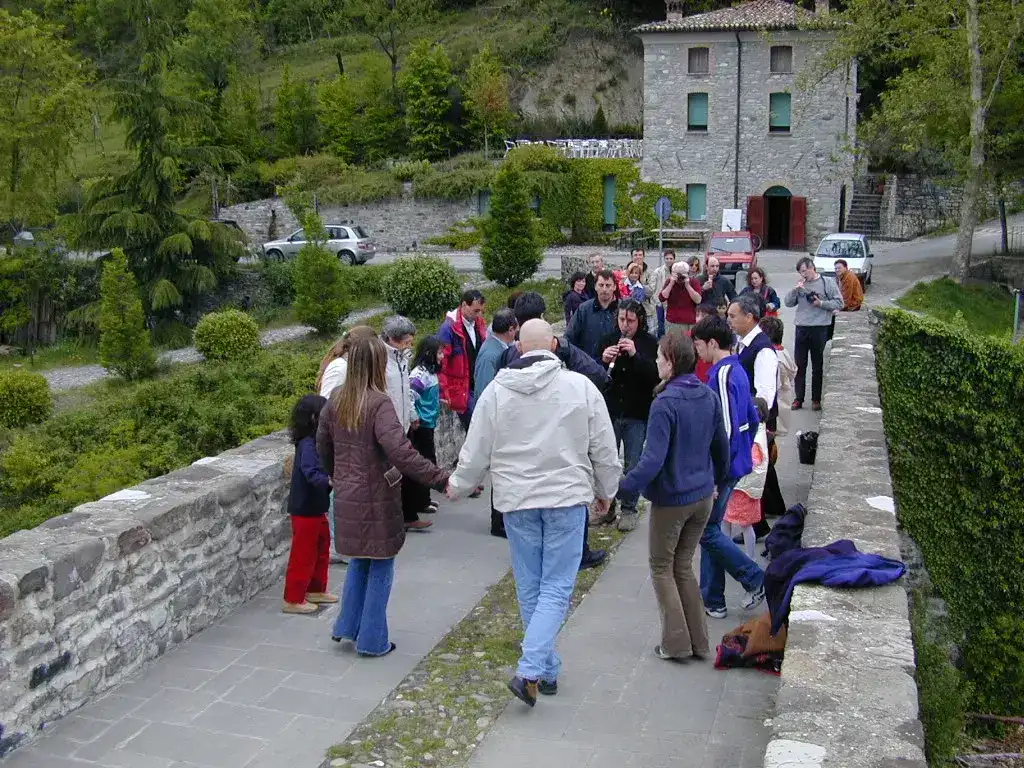 L'utente che ha caricato in origine il file è stato Dani4P di Wikipedia in italiano · CC BY-SA 3.0
Dances of the Four Provinces
The dances of the Four Provinces are a repertoire of dances spread over a homogeneous cultural area that includes the mountain areas of the provinces of Genoa , in Liguria (high Trebbia valley, high Scrivia valley , val d'Aveto and val Fontanabuona ), Alessandria , in Piemonte (Val Borbera e val Curone ), Pavia bbia, in Lombardia (Val Staffora ) and Piacenza , in Emilia-Romagna (
Read the storyThe area, step by step
