Atlas of Monferrato
Tortona: sights, history and trails
Alessandria
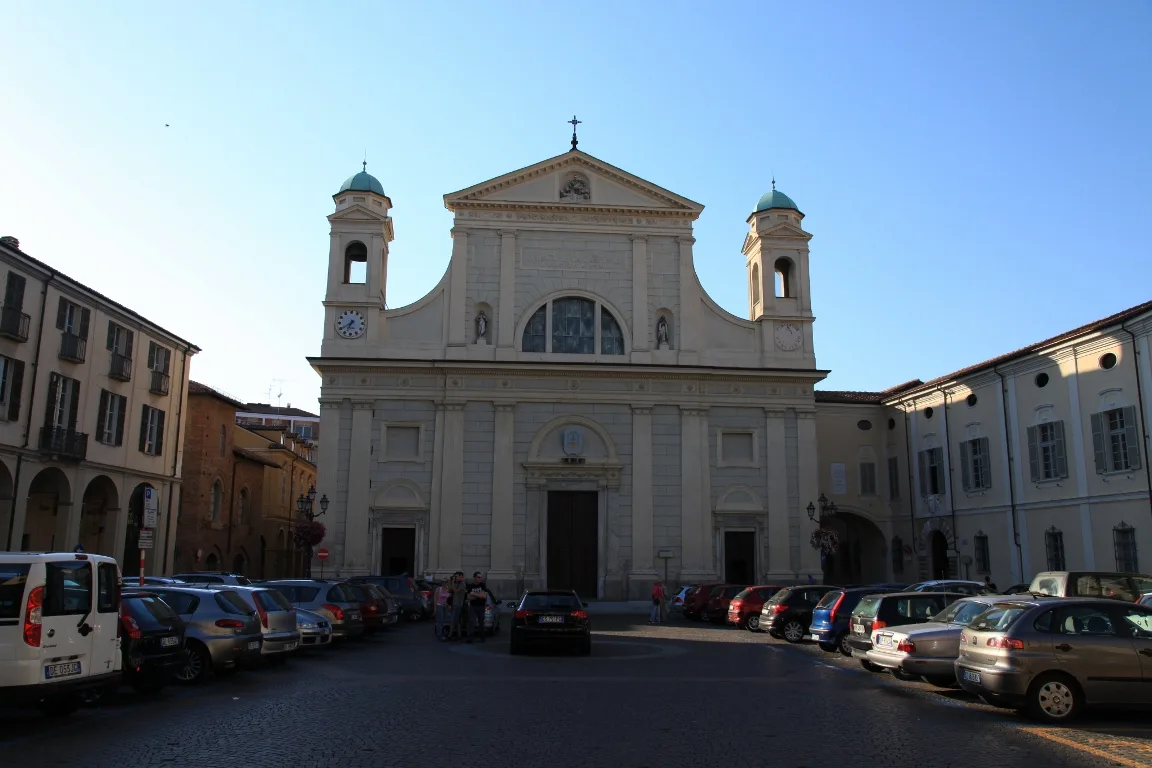
- Elevation
- 122 (min 91 - max 290) m above sea level
- Area
- 99.66 km2
- Demonym
- Toucan
- Patron saint
- San Marziano
A closer look
Discovering Tortona
Tortona (Turtouna in the dialect of the city, IPA: [tər/ˈt]bæ], Torton-a in Piedmontese, Tortónn in Liguria, Dertona or Derthona in Latin, Terdona during the Middle Ages) is an Italian municipality of 26 773 inhabitants[1] from the province of Alessandria in the Piemonte, located on the right bank of the Scrivia, between the plains Marengo and the extreme hillsides of the Ligurian Apennines, not far from the border with Lombardy. Main municipality of the region Tortonese, to which it gives its name, Tortona is home to a hospital, a high school center and other services for citizens.
Landscape and area
Region · ClimateExplore this chapter
Region
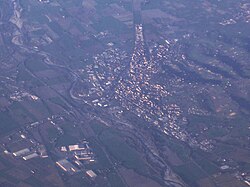
Located in Piemonte south eastern, the city of Tortona, measuring from the borders of citizens, is:
- 10 km from the Oltrepò Pavese and the municipality of Voghera, in Lombardy, to the east;
- 21 km from Alessandria, to the west;
- 60 km from Barriera Milano Ovest, on the A7, to the north east;
- 70 km from the toll of Genoa West, on the A7, south;
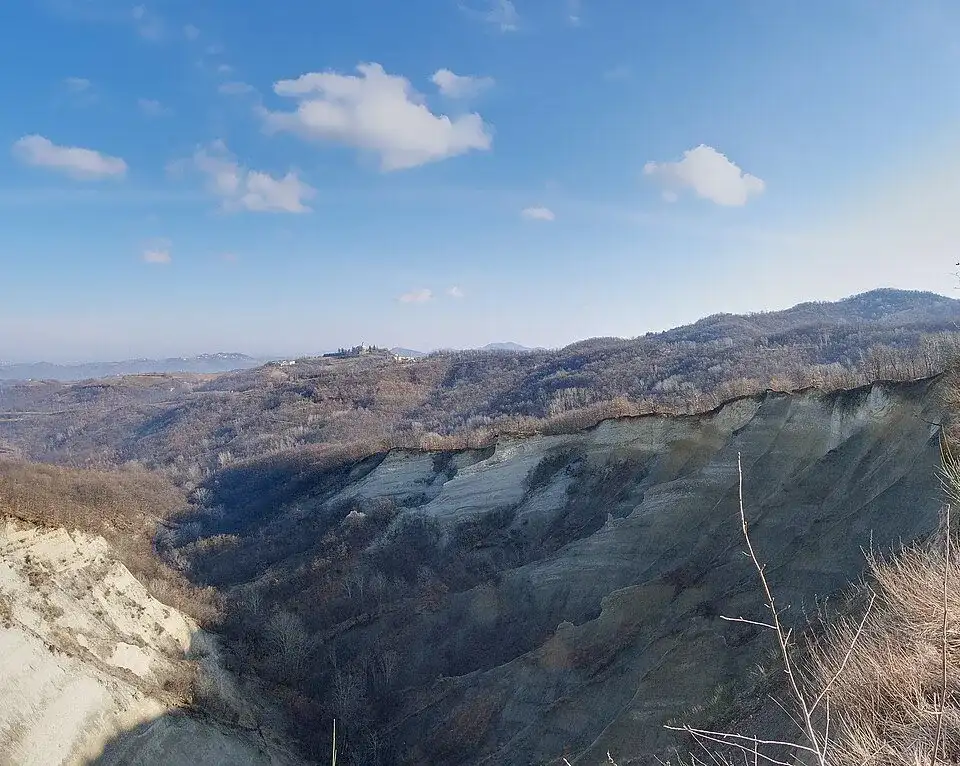
It is located on the right bank of the Scrivia stream and the district of S. Bernardino is crossed by Ossona. To the east is the hill of "Castle", the Savo hill, which dominates the city and which represents the end of what geologists call the "Spur of Tortona"; to the south extend the Ossona, Grue and Curone valleys.
The upper part of Tortona extends on the first propages of the Tortonesi Hills.
Thanks to its location, the city is an important highway and rail hub. It is served by the A7 motorway (Milano-Serravalle Scrivia-Genoa) and from the A21 motorway (Turin-Piacenza-Brescia).
Climate
The climate is traceable to the continental type, characteristic of Val Padana, with very hot summers and often afose. Winters are cold with frequent foggy days, even if the fog phenomenon in recent years has tendentially reduced. In winter, snowshoe were quite frequent, even copious, in the area of Tortonese, especially close to the hills, but in the last 15 years the phenomenon has gradually reduced to a few sporadic episodes. There are more often night frosts, sometimes even in the spring months. The average temperature of the coldest month, January, is at +1.1 °C, the highest average is +3,5 °C, the lowest average is -1,4 °C; the warmest month temperature, July, is +24,2 °C, the maximum average is +29,3 °C, the lowest average is 19.1 °C. The average annual rainfall is between 700 and 750 mm, averagely distributed in 65 days, and has a minimum in January and July, a very marked autumn peak (October and November) and a secondary peak in spring (March and April).
History of Tortona
Subject · Prehistory and Roman Age · Middle AgesExplore this chapter
(Nicolò Montemerlo)
Subject
The story has reserved Tortona a past rich in events and illustrious characters, but also of wars and destruction that have risked to erase its memory. Baluardo of a border territory since its Ligurian origins, for the Romans became, in the imperial age, the crossroads of great consoling streets (the Fulvia street, the Postumia street, the Aemilia Scauri street, the Vercellina street) that gave to the Roman Dertona Julia the role of military and civil strategic knot that later served in the successive eras. Yours Castle, protagonist of 25 centuries of Tortona history, it will be, from time to time, a fortified defense of Theodoric's warehouses-granaries and an outpost of the Visconti and Sforza dominions, a Spanish fortress and a Savoyard stronghold, until the final Napoleonic destruction of 1801. Characters such as Frederick Barbarossa, Ludovico il Moro, Napoleon Bonaparte have come and gone on this historical and political stage, always considering it an indispensable strategic position for their crowns.
(Niccolò Tommaseo, The Siege of Tortona)
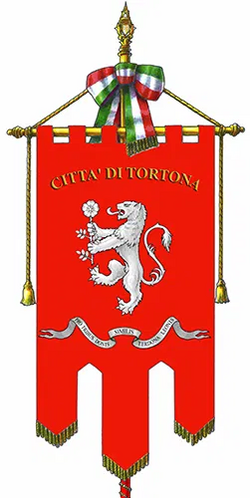
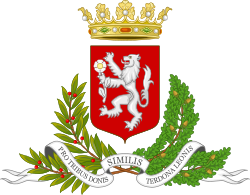
Despite the succession of different masters, the people of Turin retained an extraordinary municipal identity. The Statutes of citizens who, definitively validated in 1354 by Galeazzo Visconti, led until the end of the eighteenth century the institutional evolution of the community of Turin. The motto of the city, from which comes the name Tortona, and its previous Dertona and Terdona is: Pro tribus donis similis Terdona leonis ("Tortona is similar to a lion by virtue of three gifts"), this motto would allude to the prestige and importance that have accompanied the city since ancient times.
Prehistory and Roman Age
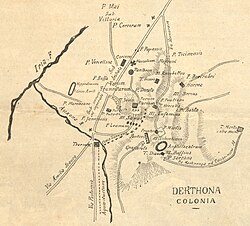
The findings in the present urban area testify to the frequenting of the territory during the Neolithic period. It was a oppidum (fortified village) of the Ligurian Statielli between the 8th and 5th centuries BC, with the name of Dertona that was in the area of "Castello". After the Roman conquest of the territory, the city became a Roman colony around 120 BC, turning into a flourishing agricultural and commercial center, at the crossroads of important communication routes: the Via Postumia (which connected Genoa to Aquileia), the via Fulvia (from Pollentia, today Pollenzo) and via Aemilia Scauri (coming from Go Sabatia, today's Vado Ligure, through Aquae Statiellae, today's Acqui Terme).
Erected a second time in colony from Augustus (between 40 and 30 BC) assumed the name of Julia Dertona and was part of the IX Liguria Regio. He had prosperity until the fall of the Roman Empire as evidenced by the numerous findings. Tortona has been a bishop's seat since the early Christian era. St. Martian, a proto-vescovo of the diocese and patron saint of the city (festa: 6 March) was martyred, according to tradition, in 122. Certain and indisputable historical data are not about the accuracy of this date: certainly at the beginning of the 2nd century Tortona was already the center of an important Christian community. Tortona took place the deposition and killing of the Roman emperor of the West Majoran, laid down by his general of Ricimer's barbaric origins in 461.
Middle Ages
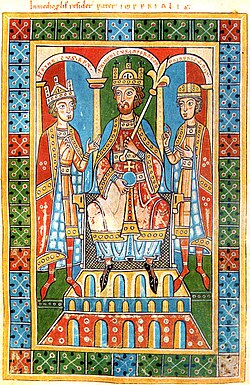
Tortona in the early Middle Ages, also due to the decay of nearby centers (Libarna, Iria and Forum Fulvii), remained the main center of the area. Already Theodoric, king of the Ostrogoths, named Tortona "granaio della Liguria" during the period just after the fall of the Roman Empire of the West, as Cassiodoro states. In addition, despite the continuous raids of barbaric populations, the city remained a village of considerable importance.
The territory along with Liguria was conquered by the Byzantines in 538, during the Gothic war (535-553), but it was only peaceful in 554. He then entered the province of the Cozie Alps, as narrated by Paolo Diacono in his description of Italy on the eve of the Lombard invasion. Afterwards the part of Liguria remained Byzantine assumed the name Maritima Italorum.
Between 569 and 570 the Longobards with King Alboino, taking advantage of the disastrous conditions of the Byzantine army decimated by the plague, spread after Lombardy also in Emilia and Piemonte, conquering also Tortona. The Lombard invasion determined a division of the territory of Tortona which became partly subject to the Lombards, in part to the Byzantines to the southeast. The territory was included in the Neustria, the western portion of Langobardia Maior of the Lombard Kingdom extended from the Adda to the Western Alps; administratively it was included in the Duchy of Pavia.
In 774 the Franks of Charlemagne overwhelmed after two centuries of reign the Lombards, forming the Carolingian Empire. In 833 the Empress Giuditta of Bavaria, second wife of Ludovico il Pio, was relegated to the convent of St Euphemia and in 877 Emperor Charles the Calvo took refuge in Tortona with Pope John VIII to escape the opponent Carlomanno of Bavaria.
Tortona increased its territorial jurisdiction, which reached the Po and the Ligurian Sea, and from the end of the 9th century also began to assert itself the civil supremacy of the bishops of Tortona. King Berengario I assigned jurisdiction over Voghera to the bishop of Tortona, detaching it from that of Bobbio[6][7].
Between 950-951 King Berengario II finished the reorganization of northern Italy, begun by Ugo di Provenza constituting the Marca Obertenga[8]: the Brand of Milan together with the Brand of Genoa were entrusted to Oberto I, chief of the house of the Obertenghi, together with the committees of Luni, Tortona, Milan, Genoa, Pavia and Bobbio; with the Emperor Otto I, there was definitive physiognomy.
Otto I assigned to the prelate of the city, comitali rights in the surrounding urban area for a mile radius. The rights of the bishop-conte were limited both by the lay count of Tortona Farm, than by those of the large landowning monasteries. Emperor Otto II confirmed in 979 all the assets owned by the bishop and also the civil jurisdiction over Tortona for a radius of three miles. This civil power lasted de l'ure until 1784.
Later, by divisions between the various branches of the Obertenghi family, it became a fief of the cadet branch of the Malaspina together with much of the surrounding territory, but the noble family failed to maintain control over the area permanently. In 1122 he subtracted himself from the power of the bishop, standing free common, with the name of Terdona. Thanks to the enrichment of the city's bourgeoisie, there was a demographic increase and notable economic development, which led to an expansion of the city and increased its power over the neighboring territories, thus coming into conflict with nearby Pavia.
The Siege of Tortona
In 1155, when Emperor Frederick Barbarossa descended to Italy, to bring back the municipalities under imperial control, the city remained faithful to the alliance with Milan and fought with the Pavesis, allies with the emperor. In the battle 12,000 knights and 5,000 imperial infantry were engaged and all of the citizens of Albania, supported by 1,200 infantrymen and 200 knights from Milan. On February 14, the imperial attack began and the lower part of the city was briefly conquered, but the people of the country who were refugees on the hill of the city. Castle They managed to oppose some resistance. After a siege lasted about two months, on 18 April, the commune was forced to surrender, since the emperor had poisoned the sources of Rinarolo, the only source of water for the city. Following the defeat, the city was plundered and destroyed by the peacocks, but later it was rebuilt quickly with the help of the Milanese.
Tortona adhered to the Lombard League and participated in municipal struggles, often changing sides, due to internal contrasts between Guelphs and Ghibellines. It was again taken by the emperor in 1162 and in 1164 it was removed Voghera, which was finally subject to the jurisdiction of the municipality of Pavia.
Between 1248 and the middle of the 14th century, the city had the right to beat money and was coined the "big turtledove". It was conquered by Luchino Visconti in 1347 and followed the fate of the duchy of Milan, under the dominion of the Visconti, first, and the Sforza, then, until the sixteenth century inside the Tortona Farm. In recent years the "Statue of Civitatis Derthonae", whose drafting took place in 1333, which regulated civil life, and validated by the Viscontis in 1354. The Statutes contain various rules dedicated to the mobilization of the municipal army and other military aspects, applied several times during the numerous citizens' calls to arms during the fourteenth century.[9][10]. The area of Tortona was frequented by smugglers who transported the grain illegally to the nearby Republic of Genoa where they were paid double and then with the same caravans they brought the salt, again illegally, to the area of Tortona where they resold it. Due to the huge money trafficking, a large Jewish community was present in Tortona.
From modern age to present day
The city of Tortona in 1535 was given to Cristina of Denmark (Crisis for the doves) wife of the last Duke of Milan Francesco II Sforza; the princess, at the death of her husband, remarried and became Duchess of Lorraine. In 1535 Tortona passed into the hands of the Spaniards along with the Duchy of Milan, in this period it was fortified and elevated to defensive leap at the southern borders of the duchy of Milan.
Cristina of Denmark, no longer duchess of Lorraine, returning from a pilgrimage wanted to re-establish himself in Tortona, but at the moment it was not possible because the castle was occupied by Spanish troops. She then set a few years at Rivalta Scrivia, then in 1579 the Municipality restored for her a palace that was where the Teatro Cinema Sociale is now located and she resided there until her death, in 1590. In his honor a commemorative plaque was affixed to the outside walls of the new Cathedral[11]
At the beginning of the seventeenth century the upper part of the city (the present Savo hill) or the area where much of the town had retreated during the Middle Ages to be better defended, was converted by the Spanish in fortress, expanding the old castle that incorporated among others the ancient cathedral, the grandiose bishop's palace, San Giovanni in swimming pool with the annexed medieval baptistery the ancient monastery of Sant'Euf1200) and the church of St. Andrew. The ancient cathedral converted to ammunition storage survived until the 1609 when the bell tower was struck by lightning causing the explosion of dust that caused its complete ruin.
Between 1642 and 1643 he found himself at the center of the clashes between France and Spain. The French, led by Thomas Francis of Savoy, laid siege to the city, which ended with the Spanish surrender of the citadel on 20 November 1642. The Savoy, in December of the same year, was rewarded by Louis XIII for the concession of the city of Tortona (with its dependencies) in fief with the title of prince but this title came to decay when the Spanish regained the city, after a long siege, on 27 May 1643.[12]
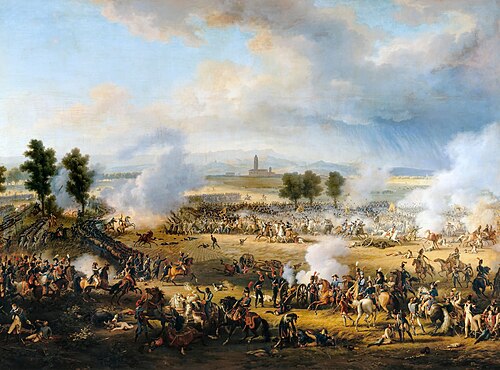
After being the scene of clashes during the Spanish Succession War, in 1706 he passed with the Duchy under Austrian rule, although for a short time. In 1738 he was removed to Milan and annexed to the Saudi domains by Charles Emmanuel III following the Polish Succession War, along with Novara, the entire Lomellina, Alessandria and Oltrepò Pavese, interrupting the centuries-old membership of the Milan world. The successor of Emmanuel III, Vittorio Amedeo III of Savoy, had the Tortona fort rebuilt between 1773 and 1778. In 1796, with Napoleon's descent into Italy, the castle was ceded to the French by the armistice of Cherasco. Arresases to the Austro-Russians of Suvorov after the Battle of Novi (1799), he handed over to the French who established their headquarters in his territory on the occasion of the Battle of Novi (1799). battle of Marengo (14 June 1800). Following the agreements made with the Tsar of Russia, Napoleon, he ordered the dismantling of the fortifications (1801) and the destruction of the castle and Tortona was annexed to the French Empire in 1802. Following the fall of Napoleon, with the Restoration it returned under the Savoy in 1814 and experienced a period of great splendor, in which the civic theater (1838), the Carabinieri barracks and the porticoes of Via Emilia (1848) were built, after the clear protest of the inhabitants of the historic center who denounced its dirty and unkempt condition.[13]
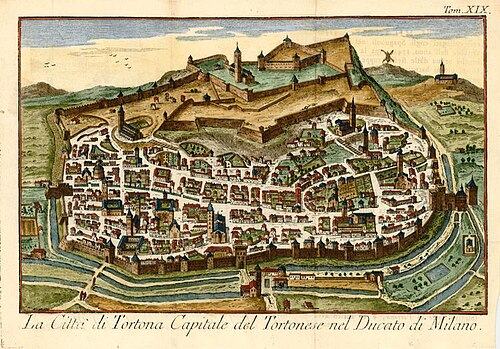
The second half of the 19th century represented a period of flourishing for the city, witnessed by the profound urban renewal of the period and several people from different social conditions participated in the initiatives of the Risorgimento. The patriotic feeling of the time is witnessed by the development (starting from the sanction of freedom of press testified by the Albertin Statute) of a series of local newspapers of general liberal-moderate orientation, such as the Popolano della Scrivia. During the Risorgimento, also the heroic resistance of the doves in Barbarossa was raised as a banner of national pride by intellectuals such as Tommaseo, Pellico and Carducci.[14] Among the nationally renowned personalities who stayed in Tortona were King Carlo Alberto, Giuseppe Garibaldi and Felice Cavallotti.[13] During the 20th century, the economic development period continued, thanks to the birth of many industries and substantial parts of the city centre are refurbished. In 1931 the building was built Sanctuary of the Madonna della Guardia by Don Luigi Orione. During World War II, it was bombed and partially destroyed (among the characteristic buildings of the style of the annihilated era there was the Casa del Fascio, located at the Park of the Station) and in March 1944 10 partisans were shot in retaliation on the Castle. In the post-war period, at the same time as the economic boom of the sixties, several industries developed in Tortona which brought wealth and well-being to the city. As a consequence there was a demographic increase also due to the immigration of workers from the South and Tortona expanded by building the suburbs to the north, west and south of the city. In the autumn of 1977 the Ossona torrent overflowed following heavy and continuous rains, flooding the houses and cellars of the San Bernardino neighbourhood, making the construction of a drainage channel necessary in the years immediately following.
In the territory of Tortona occurred, in 1996, the murder of Maria Letizia Berdini, caused by the launch of rocks from a rideway by some young people from the city of Turin.[15].
The Holy Grail in Tortona
The presence of Templar Knights in Tortona and its surroundings in the 13th century is attested on many documents of the time. The most significant sources are two documents dated August 1249 and October 1252, which certify that the locality Calventia, between Tortona and Casei Gerola, was in their possession. Scholars, therefore, estimate that the Templars were in the city from 1249 until 1310.
The mysteries and secrets that characterized this religious order have made so that even Tortona spread legends about the purposes of their stay in the city. In fact it is passed on that the church of San Giacomo belonged to the Templars and that it was for a long time their seat, however in 1770 the church was razed to the ground to leave the place to the new baroque church and nowadays nothing remains of the ancient building.
It is also said that the part of the True Cross of Christ, preserved in the Cathedral, was brought by the Knights Templars, who were the guardians of the True Cross.
According to tradition, the square-shaped construction within the church of San Matteo is identified as the Mausoleum of Majorano and, since some legends link the death of the emperor to the sacred cup, it is thought that Graal can be placed inside this building.
According to legend, the Grail would give three gifts to the city that guards it: body, blood and spirit. From this legend would derive the famous motto: "Pro tribus donis similis Terdona leonis" ("By virtue of the three gifts Terdona is similar to the lion", where Terdona is the old name of the city). The first attempt at a modern investigation on the presence of the Holy Grail in the city of Dertona is attributable to Giacomo Maria Prati, who in his historical-fantastic revisitation casts his gaze after centuries on this enigmatic and unresolved trait of the history of Tortona[16].
A table by Leonardo in Tortona
According to a study by the art historian Giacomo Maria Prati[17] at the church of Santa Maria Canale a canvas depicting the late fourteenth century Nativity could be traced back to the hand of Leonardo da Vinci, for obvious stylistic similarities in the somatic traits of the face of St. Joseph, for the landscape in the background and for the stay of the famous painter in town due to the royal wedding banquet between Giangaleazzo Sforza and Isabella d'Aragona.
Symbols
The oldest known representation is of 1426 and appears on a tombstone, work by the sculptor Jacopino da Tradate, who celebrates the donation Volpedo by the sales captain Perino Cameri da Tortona at the Fabbrica del Duomo in Milan. The historical coat of arms was officially recognized by decree of the head of government of 28 January 1935.[18]
What to see in Tortona
Historical architecture · Civil architecture · Religious architectureExplore this chapter
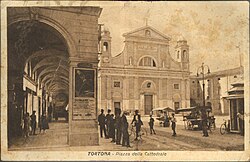
The remains of its past as a flourishing Roman city: on the hill of the castle (colle Savo) there are remains of walls, dating back to the 1st century BC; an enormous square building (m 8.90 × 8.70), datable at this time, today incorporated into the church of San Matteo, is traditionally identified as the "mausoleum of the Majoran tower", ruins assassinated in 461;
Historical architecture
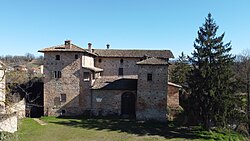
- Castello Sforzini di Castellar Ponzano
Castello Sforzini is located in Province of Alessandria, in the hamlet of Castellar Ponzano, about 8 km south of Tortona. The structure was built approximately between the 13th and 14th centuries and is strategically located along the Via Postumia, built from 148 BC. to connect Aquileia to Genoa, it was traveled over the centuries by intense trade.
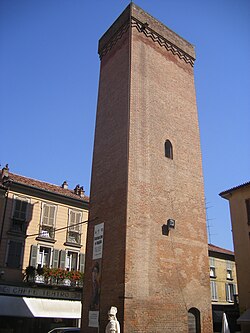
The castle of Tortona was a castle that stood on the Savo hill, the most important of the seven on which, according to tradition, the city of Tortona was founded. The name refers to several defensive constructions that took place on the same site over two millennia. Between the 8th and 5th century BC. archaeological investigations are the foundation of a castle by the Ligurians.
Today there are few vestiges of different eras, scattered in the park that since the beginning of the twentieth century occupies the wide outline, among which the tower became one of the symbols of the city. The tower was part of the mighty Savoy fortress of San Vittorio, an 18th-century work by military architect Lorenzo Bernardino Pinto and last incarnation of the castle, demolished by decision of Napoleon Bonaparte in the spring of 1801.[5]
Civil architecture
- Saints Antonio and Margherita Civil Hospital, built in 1908, has an Art Nouveau façade. In 2008, on the occasion of the centenary of the construction of the nosocomium, a complete documentary was produced[19] on his story.
- Palazzo Guidobono
Dating back to the 15th century, but refurbished and partially rebuilt in 1939, it has a Gothic style façade and is now home to civic collections. The building is located along the Via Emilia, in a small square dominated by a tower rebuilt in 1939 - Teatro Civico di Tortona
It dates back to 1838 and was built on a project by Pietro Pernigotti: the works began in 1836. The interior, decorated with friezes and stuccos, is three orders of poles plus the log. Completely restored in the 1980s, since 1990, after the reopening of May 2, it hosts every year a great season of shows[20] - Orsi Museum
It was built in some premises of the homonymous farm machinery factory that had its headquarters in Tortona and supplied operators throughout Italy and around the world. Used for exhibitions of various types, it also contains specimens of machinery produced in the past
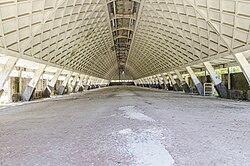
- Warehouses of salt
These are two reinforced concrete paraboloids with honeycomb structure built between 1950 and 1951 by architect Pier Luigi Nervi, located in the complex of the Alfa but unfortunately not visitable and abandoned. In the same complex other buildings are the work of the study of Nervi, but to be reported are those from the same recovered from the bodies survived to the bombings of the Second World War that have a brick structure with valuable wooden roe in support of roofs and which represent a rare example of industrial architecture beginning nine hundred - Pinacoteca del Divisionismo, located in Corso Leoniero 6
- Museum of the Sea "Ammiraglio Carlo Mirabello"
Collect historical and marine artefacts and naval models - Cittadella dello Sport, with the NOVA Arena, inaugurated in 2025 and built by Gavio Group. It is an infrastructure for the local team Derthona Basket.
Religious architecture
Of the early Christian churches, of the ancient cathedral of Santa Maria, of the later one of S. Stefano, by S. Marziano, by S. Simone and S. Judas and St. Eufemia, which documents attribute its presence in the 4th century, has not been preserved that names and some indications on their probable location[21][22].
- Church of San Matteo, already of the Dominican Fathers, there is a Madonna with Child of Barnaba from Modena (X XIV) and a medieval wooden crucifix.
- The Man
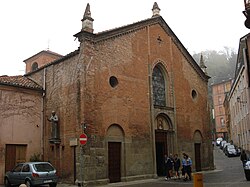
- Church of Santa Maria Canale[23]
It is the oldest in the city (XI-XII century). Restored in 1853 with the addition of the hut facade, it preserves traces of Renaissance frescoes, although the interior was again decorated by Rodolfo Gambini (1918). It holds a Leonardesque table depicting the Nativity.
- Bishop's Palace
Built by Bishop Cesare Gambara in 1584, it presents a beautiful portal in Brescia marble. Inside is preserved a triptych with Madonna with Child, Giovanni Battista and San Bernardo by Macrino d'Alba (1499) and a canvas having the subject Madonna with Child and Saint Margherita and Anna (1610) by Guglielmo Caccia, known as the Moncalvo. - Convent of the Capuchin Friars
Rebuilt between the 1950s and 1960s, it preserves interesting paintings from the XVI-XIX centuries and a polyptych of author unknown to rare beauty.
- House of Divine Providence (Paternal), Mother House of the Sons of Divine Providence of Saint Louis Orion.
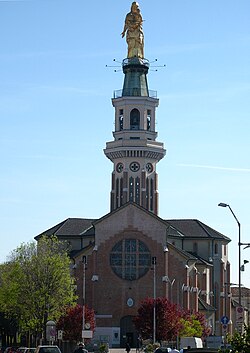
- Basilica of Our Lady of the Guard
It rises on the outskirts of the city, in the district of San Bernardino. Turned by Don Luigi Orione and built in 1931, it preserves the mortal remains of the saint recently proclaimed. The building is equipped with a large tower on which stands a gigantic bronze statue (14 m) of the Madonna and Child placed in 1959. - Cloister of the Annunciation
It is the only remaining side of the Convent of the Annunciation, erected in the 15th century and partially destroyed in 1802. It is located next to the Teatro Civico di Tortona. - Church of San Giacomo
It is located in Via Lorenzo Perosi. It was built during the 12th century and belonged to the order of the Templars, it was then restored in the 1770s - 1773 by Cardinal Carlo Alberto Guidobono - Cavalchini - Garofoli. It features a late baroque façade. - Oratory of San Rocco
It is located in Piazza Mazzini. It was built between 1626 and 1631 and became the seat of the Brotherhood of Mercy. The facade with the portico was built in 1725 while the main altar in 1756. Inside you can see two paintings from the 17th century: a Decollation of San Giovanni, attributed to Melchiorre Gherardini and a Saint Francis by Paola (1631) attributed to Giuseppe Badaracco. - Church of Santa Giustina and Agnese in Torre Garofoli
The construction began in 1590 in the presence of the bishop of Tortona Maffeo Gambara and Princess Cristierna of Denmark, Lady of Tortona, while the solemn consecration dates back to 1595. The small church was erected by the will of the noblewoman Justina Garofoli to whose family the bishop, as a sign of esteem and gratitude, had granted the right of perpetual patronage. The façade at the lower part is scanned by grooved hysenes with an adjective capital to phytomorphic motifs, among which, on the left at the top, there is the coat of arms of the Garofoli family, while on the right is the coat of arms of the Garofoli Visconti family; on the crowning of the facade is placed a neoclassical style front. The interior is a single nave with a raised presbytery at semicircular termination: the apse area is characterized by the presence of a deambulatory bounded by columns. The present aspect is due to the remakes of 1880, when Baron Vittorio Guidobono Cavalchini Garofoli made the building widen and adorned, as evidenced by the plaque placed in a counter-faith. At this time, Camillo Procaccini's canvases (Parma, 1561 – Milan, 1629) were moved from the church of San Francesco, Tortona, to the church of Torre Garofoli. Today the decorative apparatus of the church of Santa Giustina and Agnese consists of twenty-four canvases from the Church of San Francesco, which traces back to two distinct pictorial cycles designed by Procaccini for the same church: from the Chapel of the Immaculate come the Stories of the Virgin and of Christ together with the Four Doctors of the Church and the Prophets; from the Chapel of Sant'Agnese the episodes holy martyr. - Church of the Sacred Heart
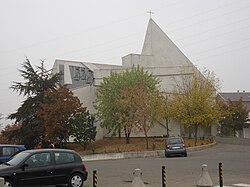
Built at the end of the eighties on a design by the famous Franciscan architect Constantine Ruggeri.
Society
Demographic evolution · Foreign ethnic groups and minorities · Traditions and folkloreExplore this chapter
Demographic evolution
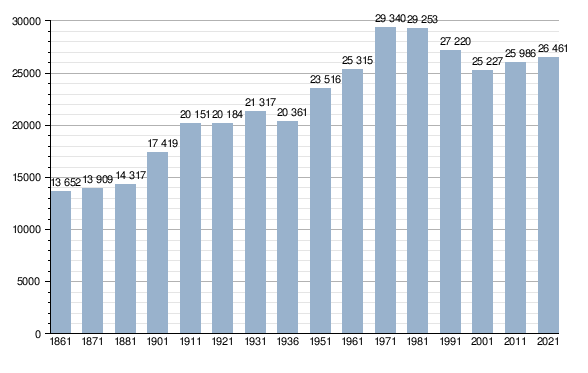
Foreign ethnic groups and minorities
According to the data ISTAT as at 31 December 2024 foreign citizens living in Tortona are 5 138, that is 20.1% of the total population of the municipality. The most representative nationalities are:[25]
- Romania, 1 464
- Morocco, 780
- Albania, 557
- Ukraine, 222
- Egypt, 155
- China, 153
- Pakistan, 149
- Nigeria, 105
- Senegal, 78
- Peru, 12
- Other towns, 1 643
Traditions and folklore
- The "official" festival of Tortona is that of Santa Croce, which is typically celebrated on the second Sunday of May. Remember the presence of a relic of the Cross preserved in the Cathedral.
- The feast of Our Lady of the Guard, on 29 August, animates the streets of the San Bernardino district that surrounds the sanctuary.
Culture
Schools · Media · KitchenExplore this chapter
Schools
In Tortona there are various kindergartens and nursery schools, 3 elementary schools and 2 middle schools. At the level of high school there are:
- Liceo "Giuseppe Peano": classic, scientific, linguistic and human sciences.
- Technical Institute "Guglielmo Marconi" (to which the "Domenico Carbone" was annexed) is home to a scientific and expert high school: chemical, mechanical, corporate, electrotechnical and economic.
- Hotel school "Santa Chiara".
- CIOFS Professional School - F.P. "San Giuseppe": a Vocational Training Centre (C.F.P.) that offers both courses for children as an alternative to other high schools and courses for unemployed or busy adults.
The city is also home to the University of the Third Unitary Age and the courses in nursing sciences at the University of Studies Piemonte Oriental Amedeo Avogadro.
Media
In Tortona there are two printed weeks: Seven days in Tortona (on newsstands on Friday) e The Derthonino People, Catholic-inspired newspaper (owned by the diocese and published every Thursday).
La Provincia Pavese, a newspaper from Pavia and the province of the same name, has a section dedicated to Tortona.
Until July 2018 he also printed Panorama of Tortona (release day Wednesday), following the death of Bruno Binasco the publication of the paper newspaper has been suspended.
Tortona is also home to the editorial staff of the online information newspaper published by the Italian Association Gutenberg Today Chronicle.
Kitchen
- Damascus kisses (Casali), sweets composed of two disks of almond and hazelnut paste joined together by a layer of chocolate
- Golden Kisses (Vincese Brothers), sweets composed of two oval flounces of almond paste and cocoa combined with one layer of chocolate
- Agnolotto
- Fragrant strawberries of Tortona
- White and red and green toothbrush
- So-called "ajà" sauce (used for the dressing of traditional lasagnatte) consisting of a nut trite with addition of mollic bread wet in milk and garlic; traditionally served in Christmas Eve lunch.
- Squiccia, a food based on water, flour and salt.
As a border territory some analogies can be seen between the gastronomic tradition of Tortonese and Piedmont (Monferrato in particular), Lombard and Emilian, especially in cold meats, cheeses and other dishes such as ceci soup, tagliatelle with ajà, panada and farsö.
Anthropic geography
HamletsExplore this chapter
Hamlets
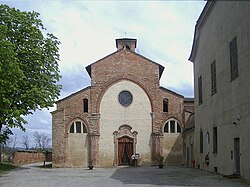
- Rivalta Scrivia is located on the right bank of the creek Scrivia, on the road that connects Pozzolo Formigaro in Novara, crossing the Lomellina. The abbey of Santa Maria di Rivalta is located there. It is also home to numerous companies and production entities such as the ASTM group, as well as the extensive interport connected by railway to the Port of Genoa. The new Sports Hall was built in the area between Rivalta and the San Guglielmo area, inaugurated in 2025.[26] It is the only part of the localities that have a train station.
- Bettole di Tortona, small village bordering Rivalta Scrivia, located near the creek Scrivia and not far from Villalvernia.
- Vho is located in the south-east of the city, between the hills and the main products that are cultivated are grapes and wheat; Sea of Vho It is a typical expression of the city that refers to an imaginative expanse of water (unexistent) that tradition placed near one of the historical fractions of the city. In fact, we refer to a tank made from the old castle moat whose population was used and which was very linked. It froze in winter and the children used to have fun slipping on us.
- Castellar Ponzano. Small village on the state road for Genoa, near the creek Scrivia. It is the southernmost village of Tortona and borders with the municipality of Tortona Villalvernia.
- Passalacqua.
- Garofoli Tower. Small village located along the state road to Alessandria between Tortona and San Giuliano Vecchio.
- Mombisaggio and Torre Calderai, birthplace of Archbishop Mons. Andrea Mariano Magrassi. As Vho develops totally on the hill and is composed of a high part (Torre Calderai) and a lower part (Mombisaggio). It rises a short distance from Carbonara Scrivia.
Economy
The city of Tortona is situated at the crossroads of two important highways and the baricentric position in the 'industrial triangle' of the north-west has made it an important pole...Explore this chapter
The city of Tortona is situated at the crossroads of two important highways and the baricentric position in the 'industrial triangle' of the north-west has made it an important logistic pole. This has favoured the construction of the interporto of Rivalta Scrivia and the creation of the connected scientific and technological park.
Tortona is the headquarters of the multinational chemical Mossi & Ghisolfi and Gavio Group, fourth operator in the world in the management of toll highways, which ranges from the realization of large infrastructure, to road haulage and nautical.
Also important is the establishment of Graziano s.p.a. controlled by the multinational company DMG-MORI, world leader in the production of lathes and that of Lugano Sementi, seeder specialized in the selection of rice.
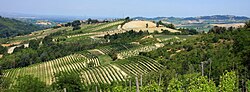
Another very important sector in the economy of the city is also agriculture, thanks to the richness of the surrounding area and its characteristics: the dovetail hills allow in fact the cultivation of fine vines, such as barbery, croatina, courteous, moscato, Dolcetto and timorasso, a type of autochthonous grapes from the territory of very ancient origins and recently rediscovered by the producers of the area. The countryside around Tortona are also famous for the scented strawberries of Tortona. In the surrounding hills, up to the slopes of the Apennines, you can find white and black truffles of excellent quality.
Infrastructure and transport
Roads · Railways · Extra-urban bus linesExplore this chapter
Roads
The city of Tortona is crossed by the Highway 10 Padana Inferiore, the Highway 35 of Giovi, the A7 Milano-Genova highway, and the A21 Torino-Piacenza-Brescia motorway.
Railways
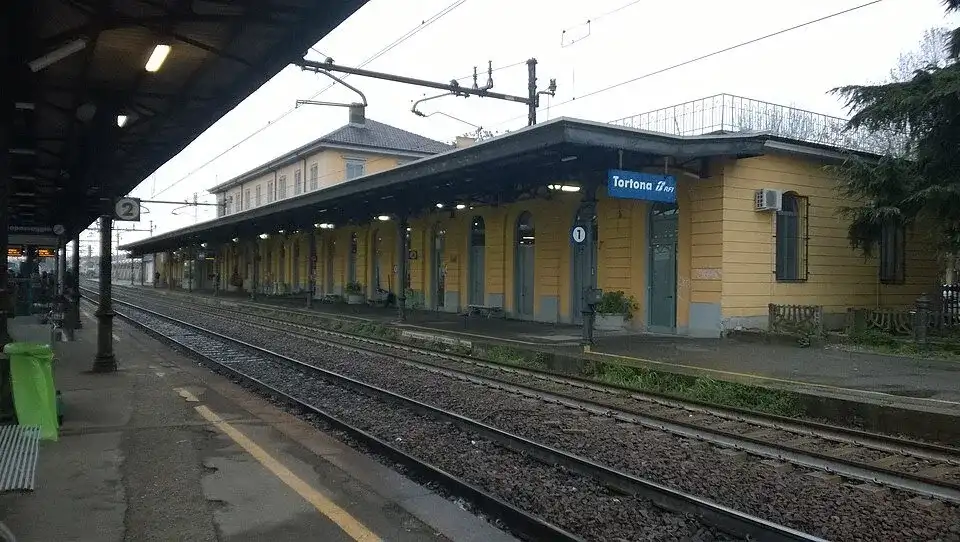
The railway station is located on the railway lines Alessandria-Piacenza and Milan-Genova, and is served by links to media and long distance operated by Trenitalia and regional trains carried out by Trenord in the context of the service contract concluded with the Lombardy Region[27].
The station is also connected to the Turin-Genova railway by the Tortona-Novi Ligure railway line 18 Km long. This line, closed in 2012 for modernization and reopening work in January 2024[28], allows the direct connection with the Rivalta Interport and is part of the broader project of the Terzo Valico.
Between 1895 and 1933 Tortona was the head of the line railway line to Castelnuovo Scrivia, whose terminus station, in common with the tramway, was located near the railway station, to which it was connected.
Extra-urban bus lines
Tortona is served by 6 extra-urban cars, which allow to connect some inhabited centres not served by the railway : line 92 Sant'Agata Fossili, 40 Fabbrica Curone ad a Alessandria, 41 colleague Avolasca, the 64 colleague Arquata Scrivia transiting through Villalvernia, Cassano Spinola and Serravalle Scrivia, the 37 colleague Sale and Isola Sant'Antonio, the 81st Novi Ligure. With the exception of line 40, the others terminate in the so-called "Movicentro", a bus terminal located in Corso della Repubblica, next to the train station. In the past the trips were managed by ARFEA and from 2023 the management passed to Bus Company.
Urban bus lines
From 2023 to Tortona is active an urban transport service, managed by Bus Company and carried out with electric vehicles ( FIAT engines Ducato from 14 places)[29]. The service is divided into 3 lines, active on weekdays.
Tranvie
In 1882 Tortona was connected with a steam tram to Sale; another line, opened in 1889, led to Monleale. The two tramways closed in 1933 and 1934 respectively.
Administration
TwinningExplore this chapter
Below is a table relating to the administrations that have succeeded one another in this municipality.
| Period | First citizen | Match | Load | Notes | |
|---|---|---|---|---|---|
| 1970 | 1975 | Ezio Rolandi | Italian Democratic Socialist Party | Mayor | [30] |
| 1975 | 1978 | Gianfranco Galluzzi | - | Mayor | [30] |
| 1978 | 1982 | Sebastiano Brighenti | Italian Communist Party | Mayor | [30] |
| 1982 | 1985 | Ennio Negri | Italian Communist Party | Mayor | [30] |
| 1985 | 1985 | Ezio Rolandi | Italian Democratic Socialist Party | Mayor | [30] |
| August 18, 1985 | November 30, 1987 | Claudio Lisini | Italian Communist Party | Actual Councillor | [30] |
| November 30, 1987 | June 20, 1990 | Fabrizio Palenzona | Christian Democracy | Mayor | [30] |
| June 20, 1990 | April 24, 1995 | Fabrizio Palenzona | Christian Democracy | Mayor | [30] |
| 8 May 1995 | June 14, 1999 | Marco Balossino | Democratic Left Party | Mayor | [30] |
| June 28, 1999 | June 28, 2004 | Giuseppe Bonavoglia | Forza Italia | Mayor | |
| June 29, 2004 | January 22, 2009 | Francesco Marguati | Forza Italia | Mayor | |
| February 12, 2009 | June 21, 2009 | Vito Cusumano | Prefectious Commissioner | Mayor | [30] |
| June 23, 2009 | 9 June 2014 | Massimo Vittorio Berutti | The People of Freedom | Mayor | [30] |
| 9 June 2014 | May 28, 2019 | Gianluca Bardone | Democratic Party | Mayor | [30] |
| May 28, 2019 | June 9, 2024 | Federico Chiodi | League for Salvini Premier | Mayor | [30] |
| June 9, 2024 | in office | Federico Chiodi | League for Salvini Premier | Mayor | [30] |
Twinning
 Priva
 Weilburg (until 2008 included)
 Zevenaar
 Sanremo
Sport
Basketball · Soccer · CyclingExplore this chapter
Basketball
The best known sports reality in Italy is Derthona Basket. Present in the city since the 1950s, the town team was founded in 1952 and the first president was Giacomo Bidone. However, it is with the arrival of Nico Messina in 1956 that basketball in the city becomes a sports reference point. Currently, Derthona Basket participates in the Serie A1 championship.
Soccer
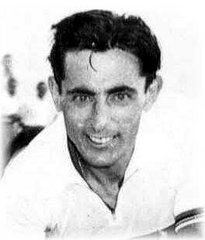
The biggest football club in the city is Derthona: founded in 1908 and refounded in 2017, it has four seasons between first and second Italian series. The venue of the internal races is the Fausto Coppi stadium, located on the hill of the Castle. The second team was the Polisportiva Audax Orione, founded in 1954 by St. Louis Orione, has never pushed beyond amateur divisions and has been declared officially failed in 2025.
Cycling
Tortona has been in the years the arrival city of the following stages of the Giro d'Italia:
| Year | Stage | Departure | km | Stage Winner | Pink sweater |
|---|---|---|---|---|---|
| 1989 | 19th | Me? | 198 |  Jesper Skibby |
Laurent
|
| 2017 | 13th | Reggio Emilia | 167 |  Fernando Gaviria |
Tom Dumoulin
|
| 2023 | 11th | Camaiore | 219 | Pascal Ackermann
|
 Geraint Thomas |
It is also included in the Milan-Sanremo race.[31]
Ippica
In Tortona has been present since 1985 the Ippico Centre Il Torrione which regularly hosts horse jumping competitions and dressages of national and international level.
Handball
In Tortona are home two companies of handball, the Handball Derthona, active in the city since 1983, and the Leoni Pallamano Tortona 2013.
Image gallery
Explore this chapter
-
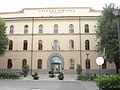 Ex Caserma Passalacqua - Headquarters of the Town Hall
-
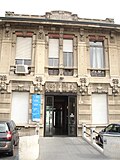 Hospital Façade (1908)
-
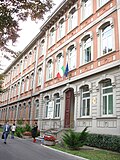 The Palace of the Elementary Schools
-
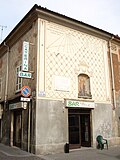 House of San Barnaba with sundial in piazza Obizzo Malaspina
-
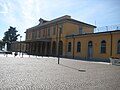 Tortona Station
-
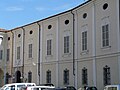 Bishop's Palace of Tortona
-
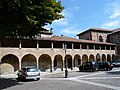 Cloister of the Annunciation
-
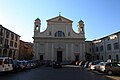 Cathedral of Tortona
Notes
Explore this chapter
- ^ to b Monthly demographic balance for the year 2026 (provisional data), up demo.istat.it, ISTAT.
- ^ Seismic classification (XLS), up risks.protezionecivile.gov.it.
- ^ Table of degrees/day of Italian Municipalities grouped by Region and Province (PDF), in Law 26 August 1993, n. 412, annex A, National Agency for New Technologies, Energy and Sustainable Economic Development, 1 March 2011, p. 151. URL consulted on 25 April 2012 (archived fromoriginal url on 1 January 2017).
- ^ Collection of new historia of the ancient city of Tortona. Divided into six... - Nicolo Montemerlo - Google Libri, up books.google.it.
- ^ to b Cereti, Gabotto, Poggi, Sant'Ambrogio, Storia ed arte nel dovenese, Tip. Rossi, Tortona, 1905., up archive.org.
- ^ Giuseppe Antonio Bottazzi The antiquities of Tortona and its agro, Ed. Salvatore Rossi, Alessandria, 1808
- ^ Voghera from the Lombards to the Middle Ages, up viqueria.com.
- ^ The Marche d'Italia on the Encyclopedia Treccani, up treccani.it.
- ^ (EN) Fabio Romanoni, The military organization in Tortona through the "Register of Municipal revenue and exits" (1320-1321), in "Bollettino Storico-Bibliografico Subalpino", 114 (2016).. Retrieved 5 February 2019.
- ^ (EN) Fabio Romanoni, From LUXEMBOURY to JOHN: THE EXPENDITURE OF FREE EXPANSION (1339- 1354), in New Military Anthology, 1 January 2022. Retrieved 5 February 2022.
- ^ Documents of the Tortonesi Archives, Vincenzo Legé (1908).
- ^ Alberto Casella, Cadets of the Real House, feudal lords of the Pope and Emperor, princes - bishops. The title of Prince in Piemonte (second part), in Review of the Araldic College, year CXIX, 2 (December 2022), p. 114.
- ^ to b Pro Julia Derthona, n.1 of 2011.
- ^ The Siege of Tortona, N. Tommaseo, On the fields of Marengo, G. Carducci e Leoniero da Dertona, S. Peel.
- ^ I was from the overpass, 20 years after Tortona's tragedy. The victim's sister: "I will never forgive the murderers", up torino.repubblica.it, 27 December 2016.
- ^ The Holy Cup of Christ (the Grail in Tortona), up digilander.libero.it. Retrieved 3 December 2024.
- ^ First Page, Tortona could really have a painting of Leonardo, but you must invest in this work, in Today's day, 17 December 2023.
- ^ Tortona, up Central State Archive. Retrieved 7 October 2024.
- ^ Documentary The centenary of the Tortona Hospital, up youtube.com.
- ^ See you The Theatre in Tortona from 1990 to 2004 for the seasons from 1990 to 2004, curated by Massimo Davico
- ^ Municipality of Tortona - History - Paleocristiana cake, up common.tortona.al.it. Retrieved 12 September 2019 (archived fromoriginal url on 7 August 2020).
- ^ Tortona in gota age and longobarda. New research by Alberto Crosetto in Archaeology Barbarica 2 - Cities and countryside:cultures, settlements, economy (Secc. VI-IX) curated by Caterina Giostra. SAP Società Archeologica s.r.l., Mantova, April 2018
- ^ U. Perfume, S. Angelini, The Church of Santa Maria dei Canali in Tortona, Ovada, 1990.
- ^ Data taken from:
- Resident population of the municipalities. Censuses from 1861 to 1991 (PDF), up ebiblio.istat.it, ISTAT.
- Resident population - Time series, up exploredati.istat.it.
Please note: 2021 data refers to permanent census data as of December 31 of that year.
- ^ Population budget foreign population, up demo.istat.it. Retrieved 2 September 2026.
- ^ Daily Piedmontese editorial, All ready for the inauguration at the beginning of 2025 of the new sports hall of Tortona, the new house of Bertram Derthona, up Daily Piemontese, 1 January 2025. Retrieved 23 January 2025.
- ^ Map of Lombardy Regional Railway Service, up region.lombardia.it.
- ^ RFI - Single Project Terzo Valico – Genoa knot: the first section of the new line is activated at Rivalta Scrivia. The work advances to 55%, up rfi.it.
- ^ In Tortona inaugurates two new electric wigs with an autonomy of 150 km, up radiogold.it.
- ^ to b c d And f g h the j k l m No http://amministratori.interno.it/
- ^ Redazione, 117th Milan-Sanremo: the transition to Tortona Saturday 21st, up segiorniatortona.it, 20 March 2026. Retrieved 28 May 2026.
Where to stay · Tortona
Find stays on Booking.comStories, places and people
More about Tortona and the surrounding area
Follow a thread of history and see where it leads.
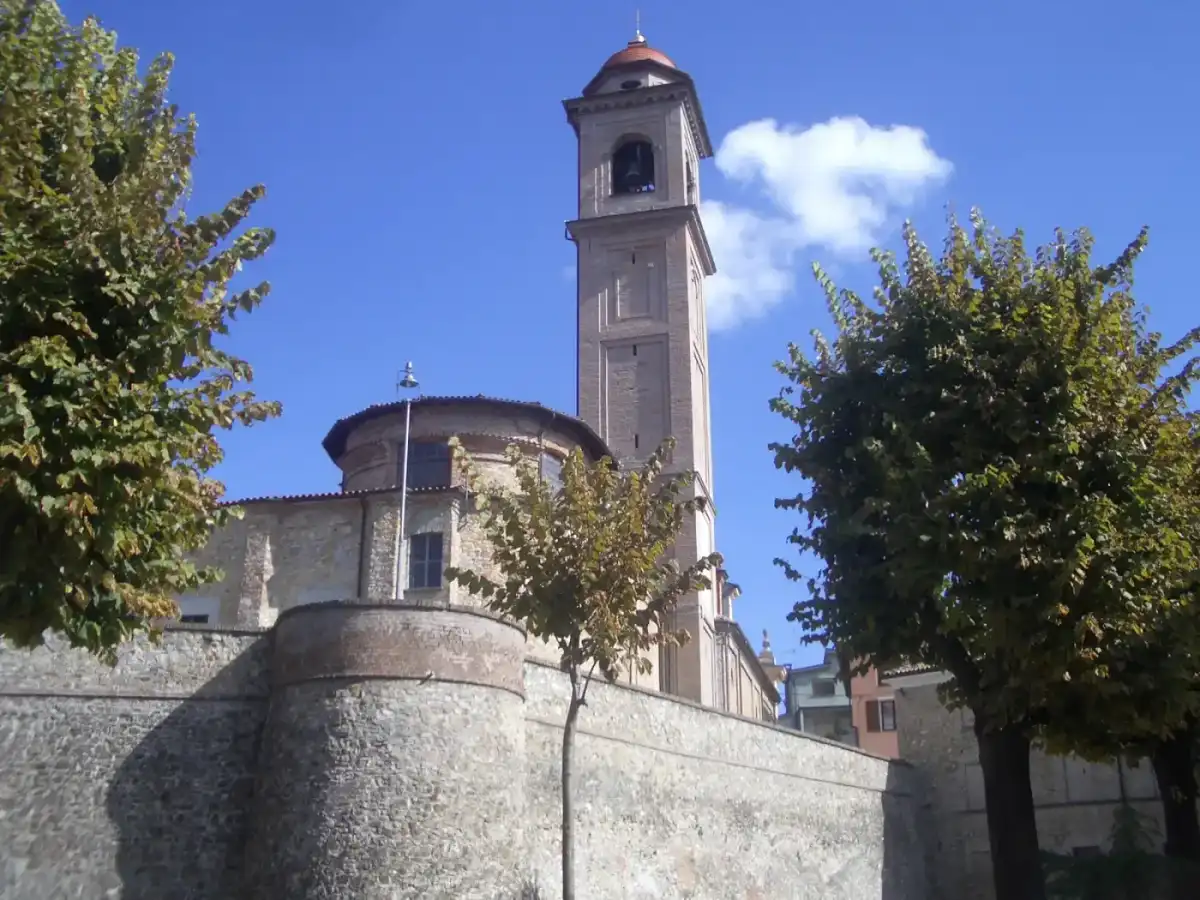 Laurom · Public domain
Tortonese
The Tortonese (Turtunes in the dialect of the city) is a geographical region of Piemonte . Insist in the eastern area of the province Alessandria and borders to the north and east with Lombardy (the province of Pavia) and, in the extreme southern tip, at Mount Chiappo , partly with Emilia-Romagna (the province of Piacenza). It draws its name from the city of Tortona , ancient Roman founding municipality. The Tortonese is bounded:
Read the story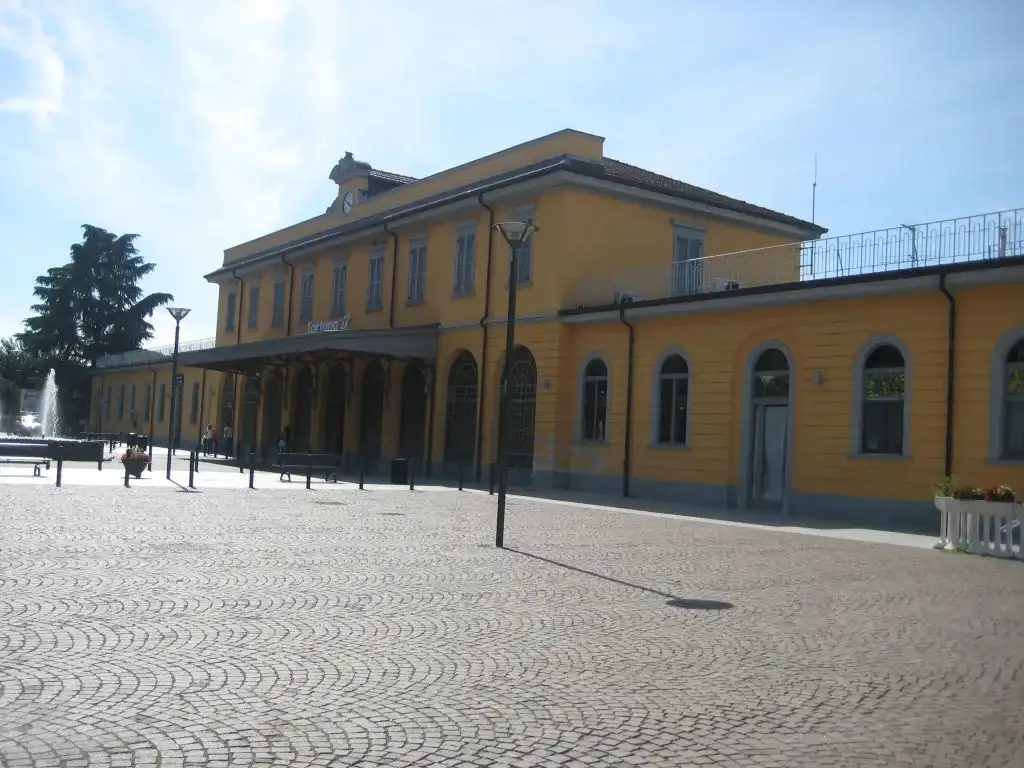 Lucam91 di Wikipedia in italiano (Transfered by User:Arbalete ) · GFDL
Tortona Station
Tortona station is a railway station located on the Alessandria-Piacenza and Milan-Genova line, and headline of the Tortona-Novi Ligure lines and the branch railway of Giovi .
Read the story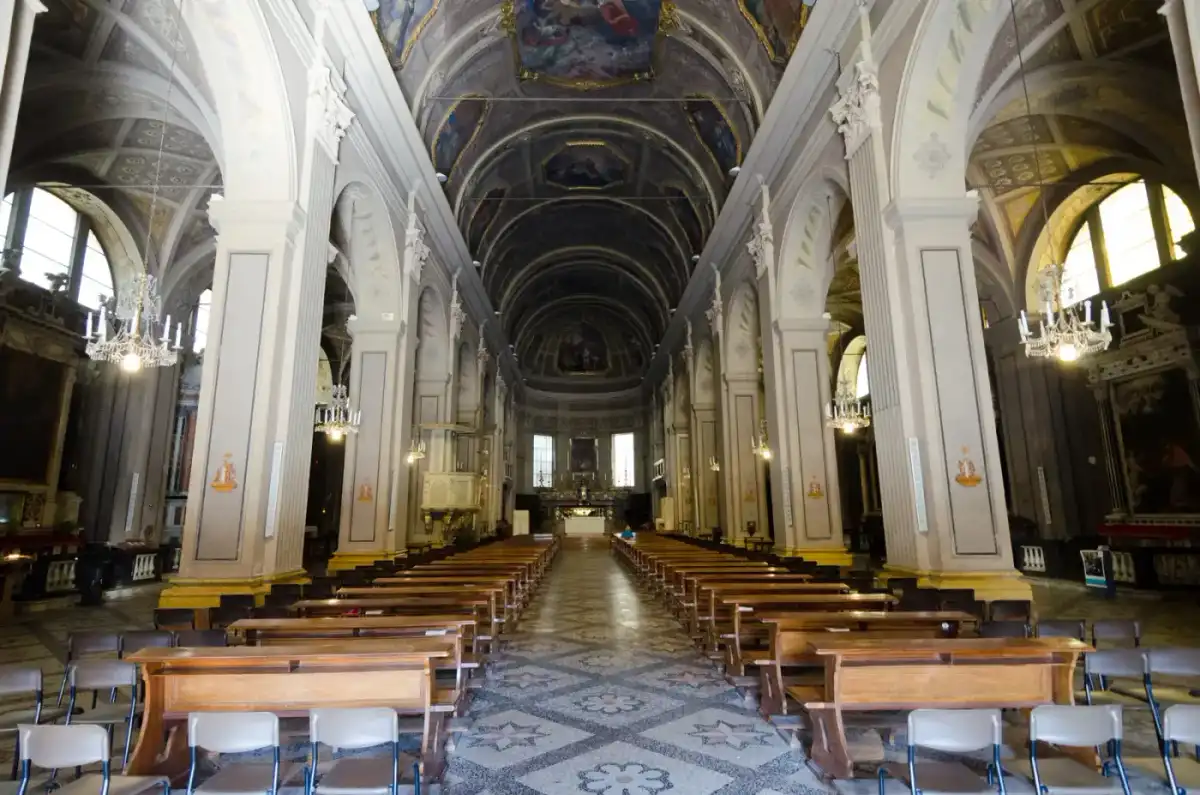 Marco Mandirola · CC BY-SA 4.0
Cathedral of Tortona
The cathedral of Tortona, dedicated to the Virgin Mary Assunta and Saint Lorenzo martyr, is the cathedral of the diocese of Tortona . Since 1940 it has been a national monument.
Read the story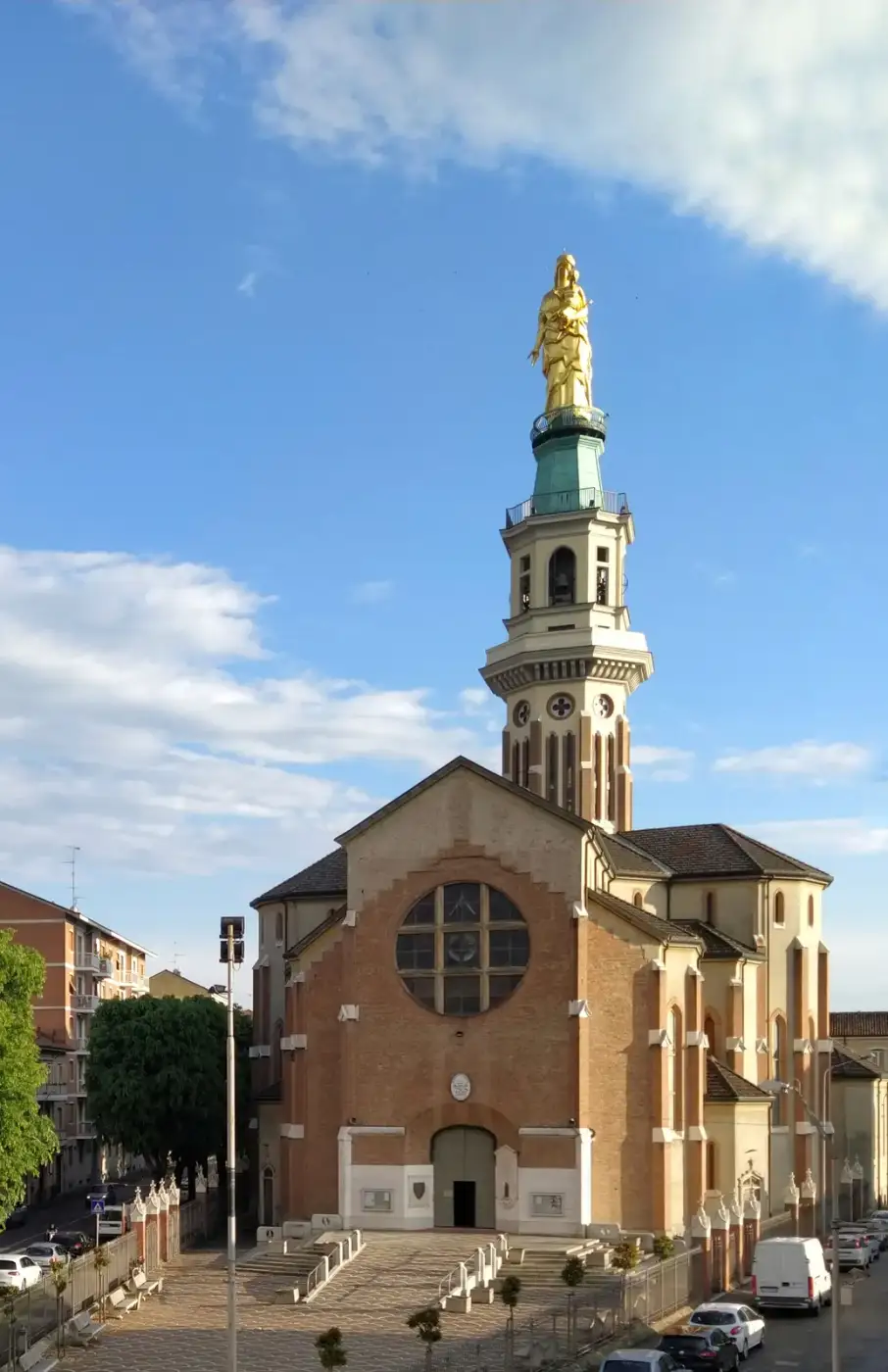 Sabrimu66 · CC BY-SA 4.0
Sanctuary of Our Lady of the Guard (Tortona)
The sanctuary of Our Lady of the Guard was built by Don Luigi Orione in the town of Tortona, in the province of Alessandria.
Read the story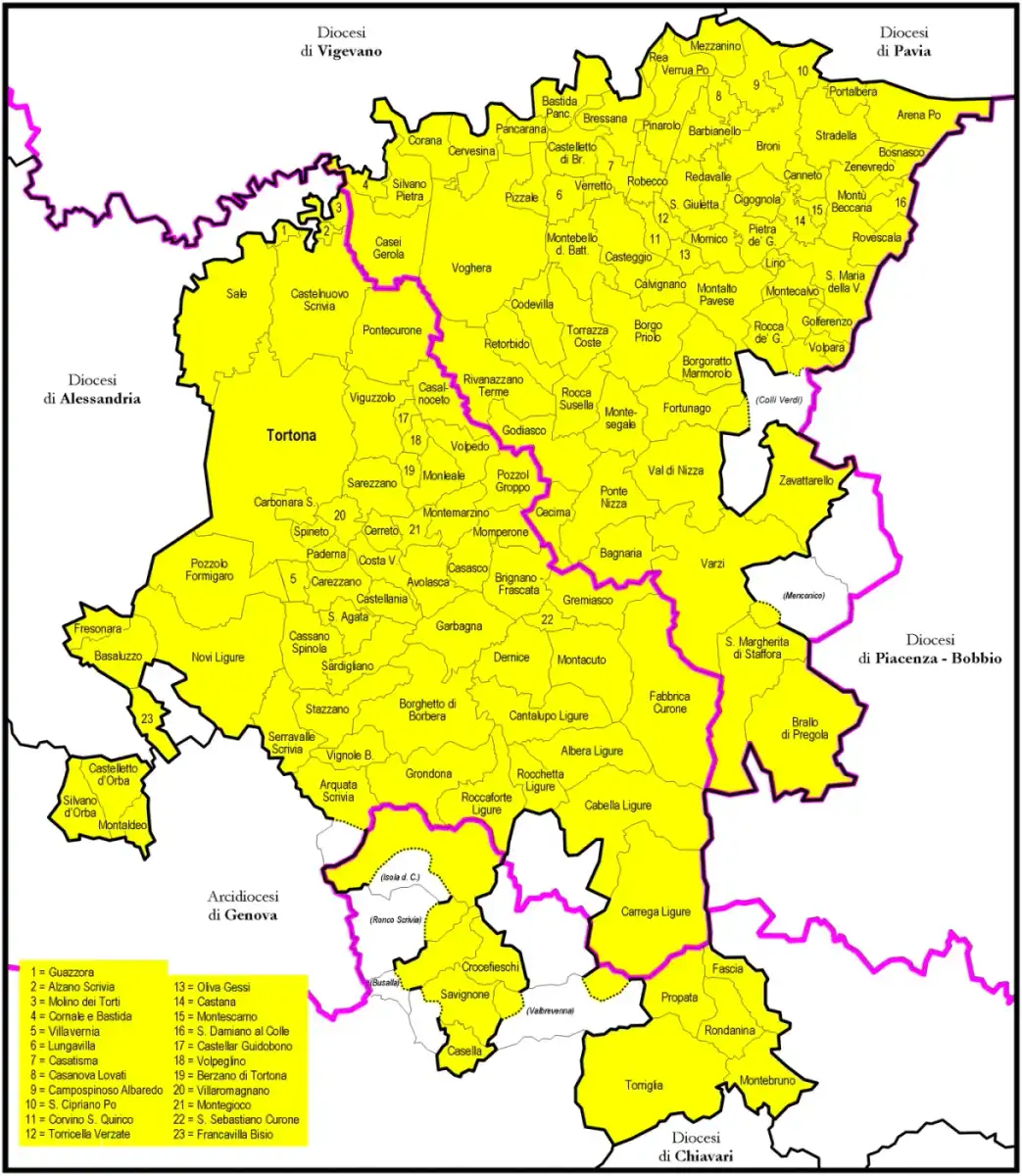 Paolo3577 · CC BY-SA 4.0
Diocese of Tortona
The diocese of Tortona (Latin Dioecesis Derthonensis) is a seat of the Catholic Church in Italy suffragan of the archdiocese of Genoa belonging to the ecclesiastical region Liguria . In 2023 it had 274,000 baptized on 280.000 inhabitants. It is governed by Bishop Guido Marini .
Read the story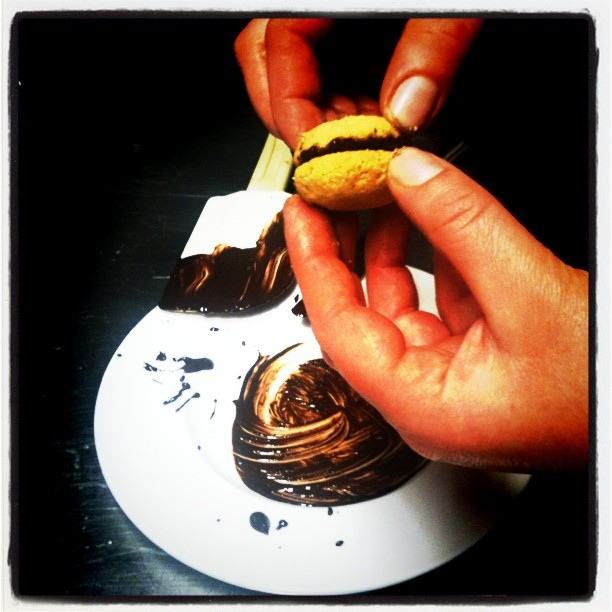 p.s.v. · CC BY 2.0
Damascus kisses
Dama's kisses are cookies originating in Piemonte , and more precisely the city of Tortona where they were born between 1852 and 1893, so called because composed of two cups of pasta joined by chocolate that recall two lips intent on kissing.
Read the story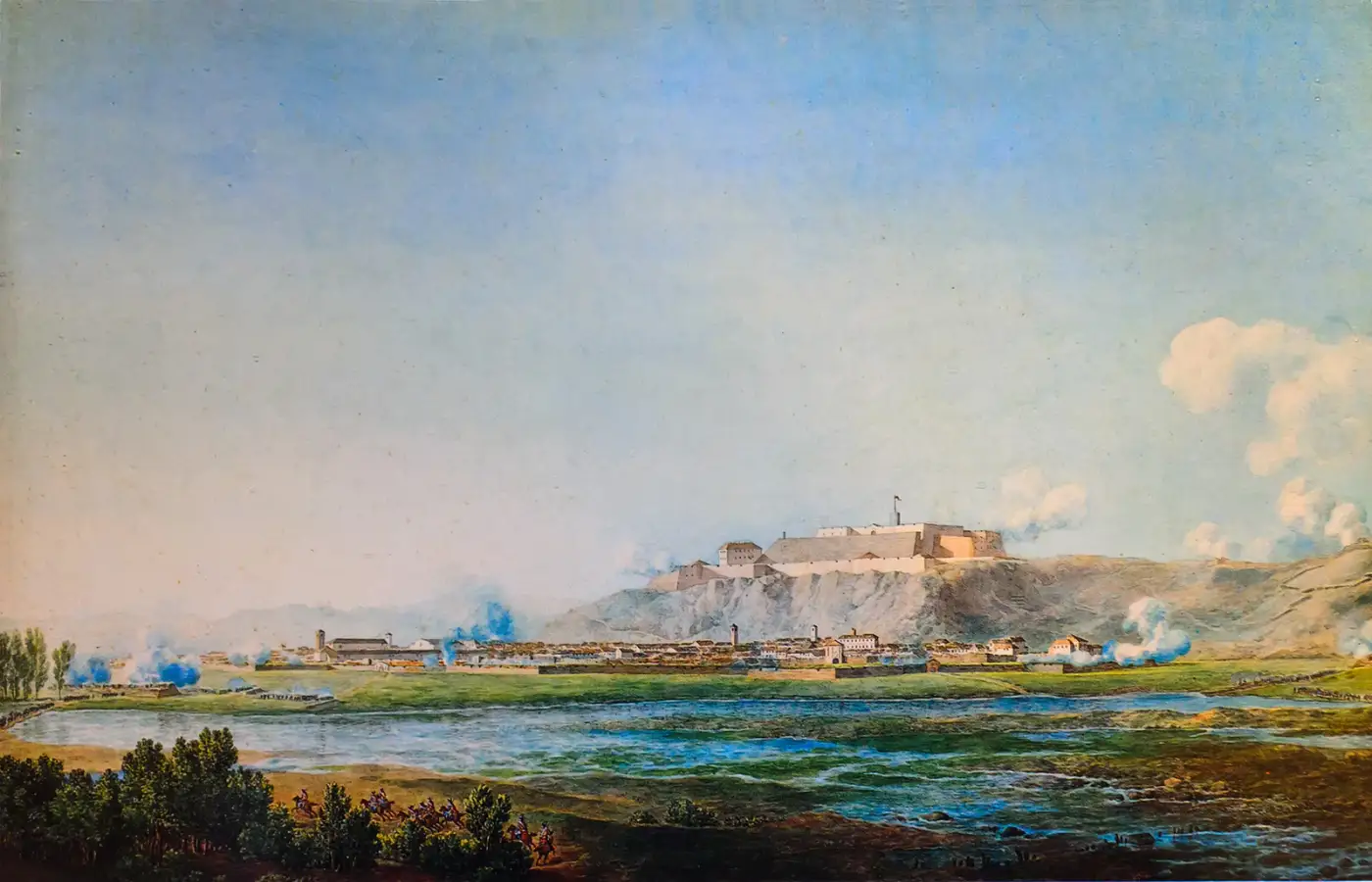 G.P. Bagetti · Public domain
Castle of Tortona
The castle of Tortona was a castle that stood on the Savo hill, the most important of the seven on which, according to tradition, the city of Tortona was founded. The name refers to several defensive constructions that took place on the same site over two millennia. Between the 8th and 5th century BC. archaeological investigations are the foundation of a castle by the Ligurians.
Read the story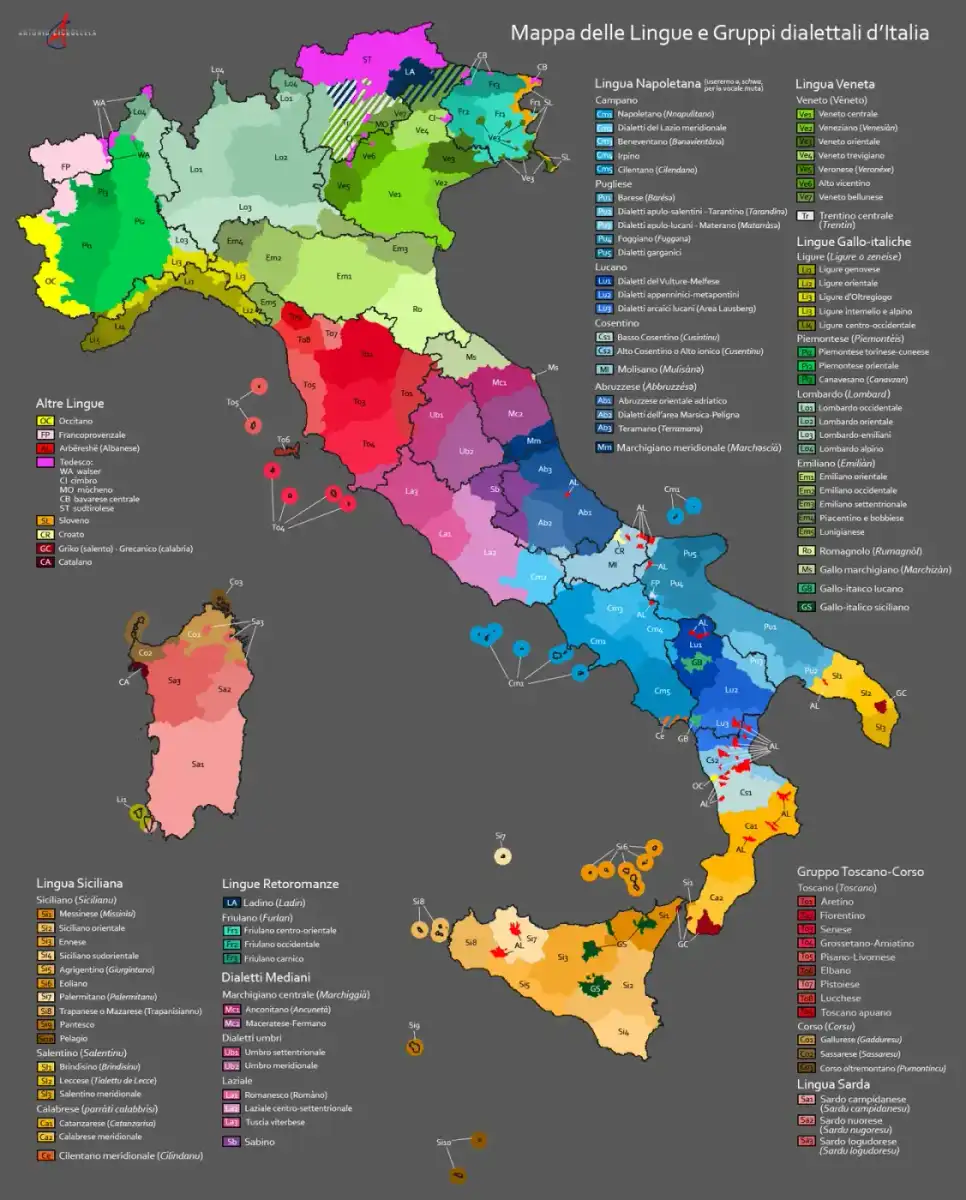 Antonio Ciccolella · CC BY-SA 4.0
Birth control
The Nanonese dialect is an uncoded dialect of gallo-italic strain, traditionally attributed to the Emilian language, despite a strong prominence of Lombard characteristics (it is also classified as a crossroads dialect) and the comprehension of Piedmontese and Ligurian elements, due to the geographically mixed position of Tortonese , or the eastern portion of the province of Tortonese Alessandria bordering Oltrepò pavese (Lombardy), whose main center is the city of Tortona . From a physical point of view, the turtledove is identified grossly by the spoken between the creek Scrivia and the Staffora stream.
Read the storyTortona Farm
The Count of Tortona was a historical territorial distribution of the duchy of Milan .
Read the story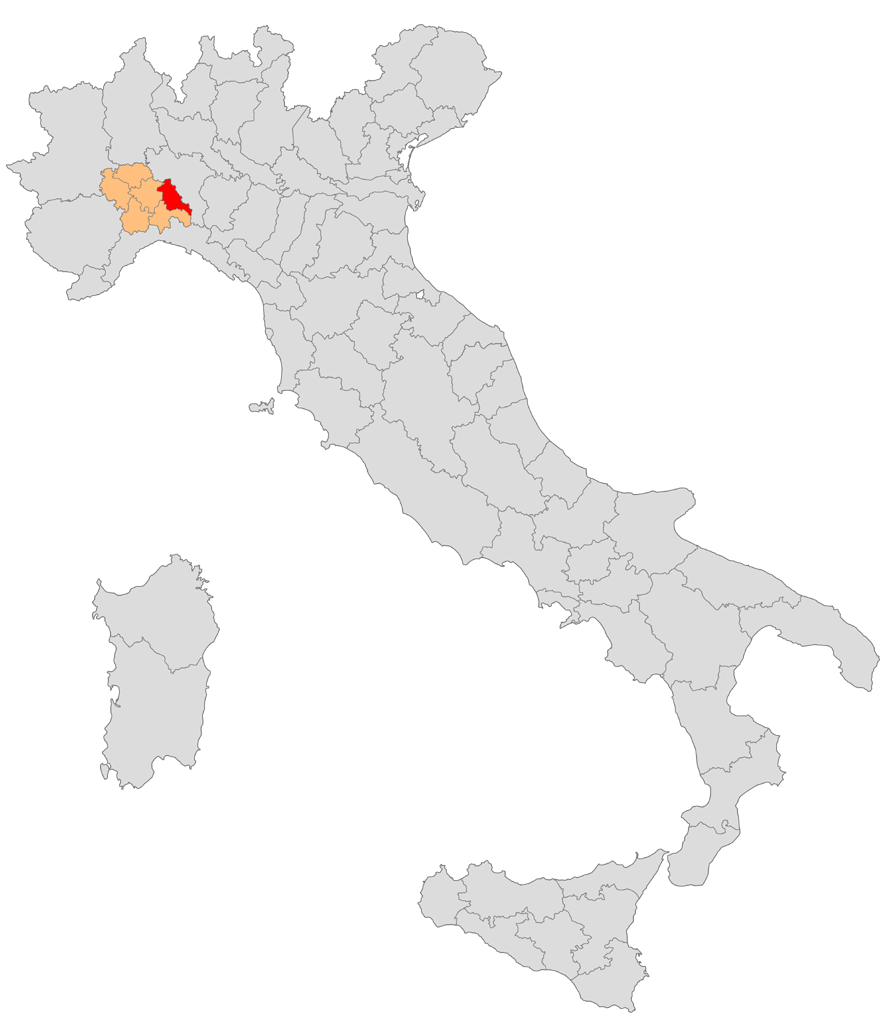 User:Arbalete · Public domain
Circumdarium of Tortona
The district of Tortona was one of the surrounding areas where the province of Alessandria was divided.
Read the story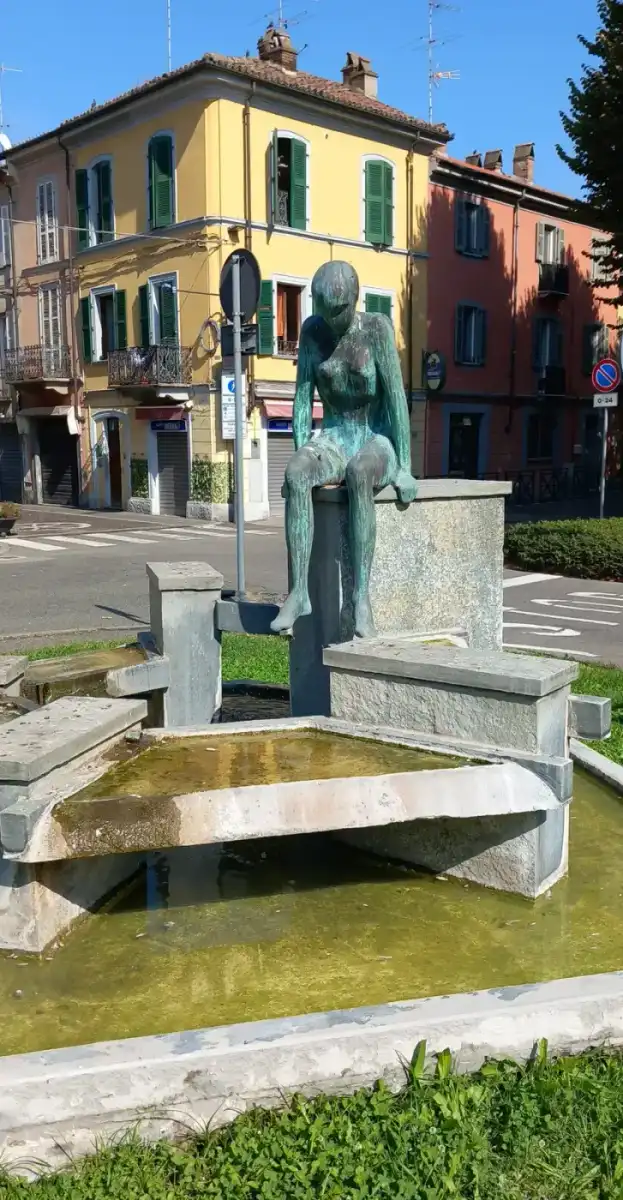 Vilnius · CC BY 4.0
Carlo Pedenovi
Carlo Pedenovi ( Tortona , 27 August 1927 – Alessandria , 14 January 2010 ) was a sculptor, painter, alpinist and Italian professor.
Read the storyThe area, step by step
Trails and routes in Tortona
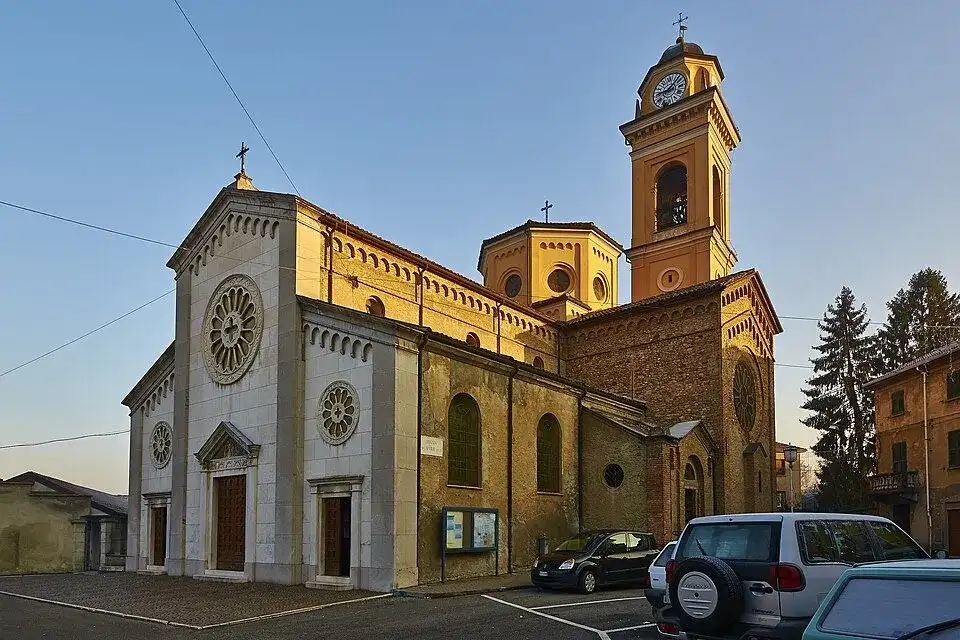 CyclingPlaces and landscapes along the route
Asti, Alessandria and surroundings
The Streets of Coppi · Tortona–Tortona
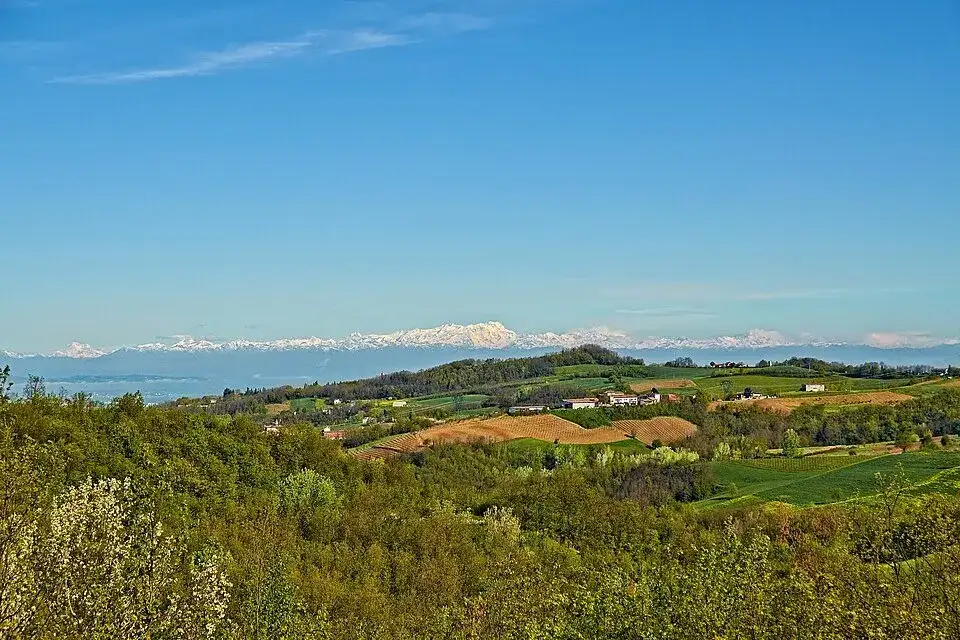 CyclingAround the starting point
Asti, Alessandria and surroundings
La Mitica del centenario HC
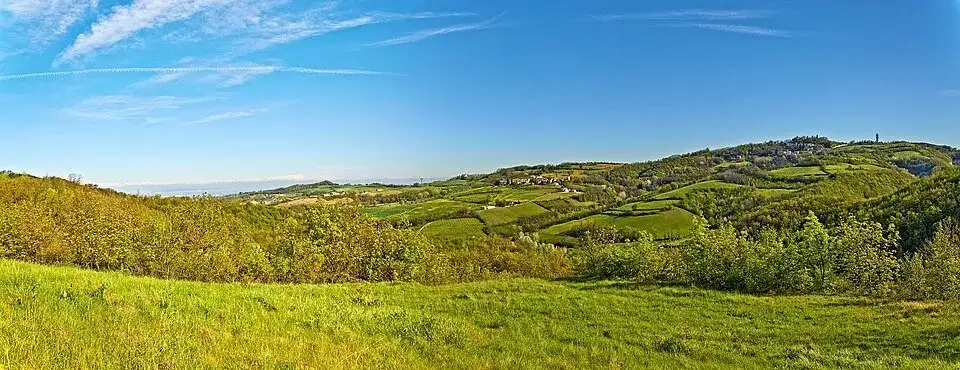 CyclingAround the starting point
Asti, Alessandria and surroundings
La Mitica del centenario – Percorso Medio

Asti, Alessandria and surroundings
Sentiero fabbrica curone - selvapiana

Asti, Alessandria and surroundings
Sentiero caldirola - monte ebro
 WalkingAround the starting point
Asti, Alessandria and surroundings
Sentiero stalle salogni - rifugio orsi

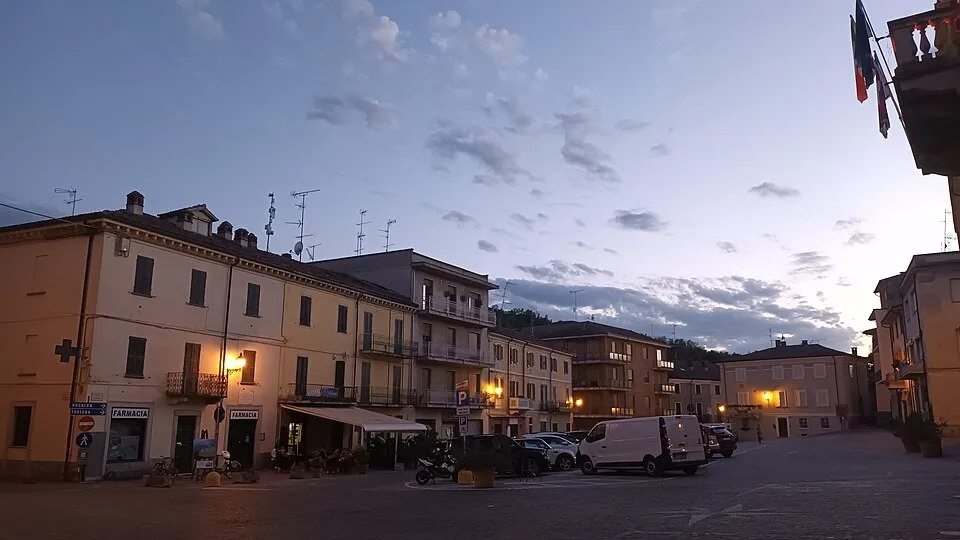 WalkingAround the starting point
Asti, Alessandria and surroundings
Sentiero volpedo - serra del monte
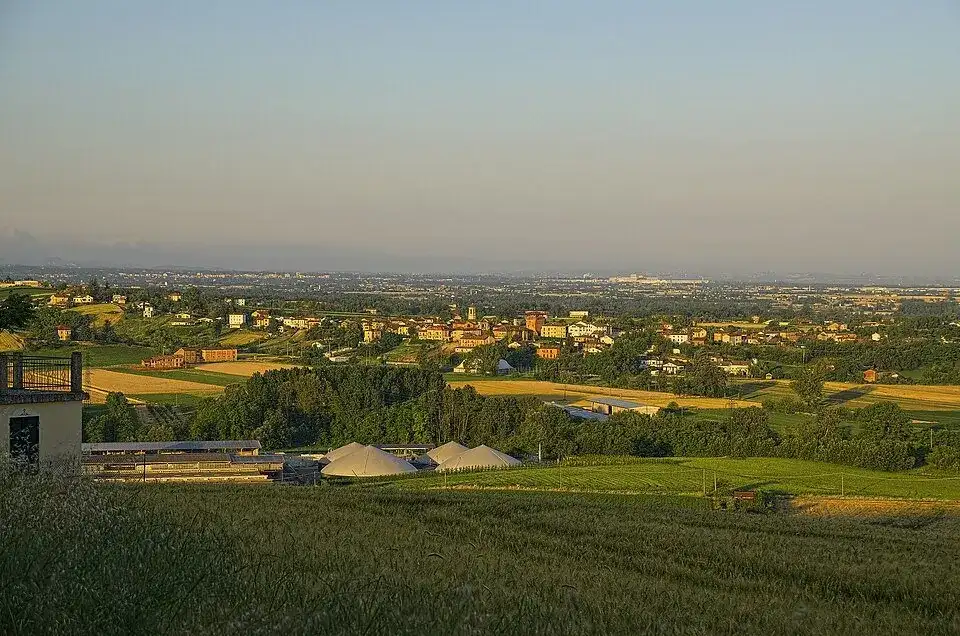 WalkingAround the starting point

Asti, Alessandria and surroundings
Sentiero serra del monte - fabbrica curone

Asti, Alessandria and surroundings
Sentiero tortona - volpedo

Asti, Alessandria and surroundings
Sentiero selvapiana - capanne di cosola

Asti, Alessandria and surroundings
Sentiero lunassi - colle della seppa

Asti, Alessandria and surroundings
Sentiero forotondo - bruggi

Asti, Alessandria and surroundings
Sentiero rifugio orsi - monte pana'

Asti, Alessandria and surroundings
Sentiero salogni - monte chiappo

Asti, Alessandria and surroundings
Sentiero garbagna - monte trassa

Asti, Alessandria and surroundings
Sentiero caldirola - monte giarolo

Asti, Alessandria and surroundings
Sentiero lunassi - bruggi

Asti, Alessandria and surroundings
Sentiero bruggi - monte chiappo
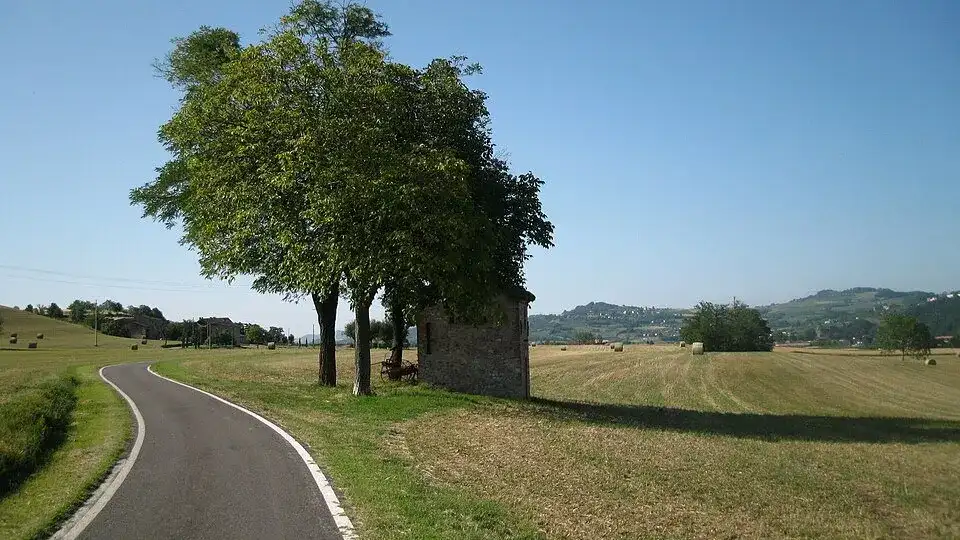 WalkingAround the starting point
Asti, Alessandria and surroundings
Sentiero la monta' di bogino (volpedo)
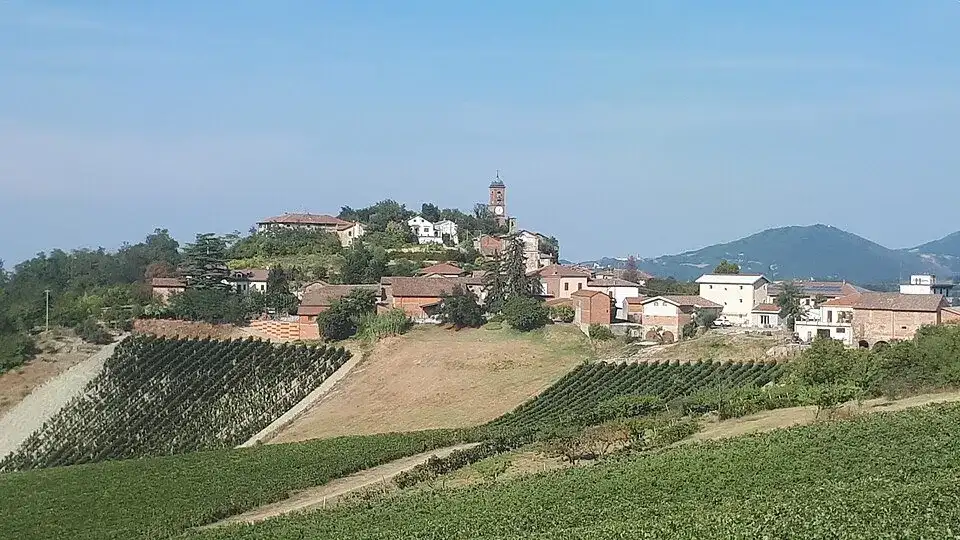 WalkingAround the starting point
Asti, Alessandria and surroundings
Sentiero anello del monte brienzone
WalkingAround the starting pointAsti, Alessandria and surroundings
Sentiero “intorno al poggio di monleale”

Asti, Alessandria and surroundings
Sentiero percorso archeologico del guardamonte

Asti, Alessandria and surroundings
Sentiero anello di paderna
WalkingAround the starting pointAsti, Alessandria and surroundings
Sentiero della cerreta e della montà
 WalkingAround the starting point
Asti, Alessandria and surroundings
Sentiero le sorgenti del torrente ossona

Asti, Alessandria and surroundings
Sentiero il cammino dei fratelli coppi
 WalkingAround the starting point
Asti, Alessandria and surroundings